
Why Is Spaghetti Healthy? Unpacking the Nutritional Benefits of Pasta
Spaghetti, when prepared and consumed strategically, can indeed be part of a healthy diet. It primarily offers carbohydrates for energy, and when paired with nutrient-rich sauces and ingredients, spaghetti can contribute to overall well-being

A Culinary Staple: Understanding Spaghetti
Spaghetti, a long, thin, cylindrical noodle originating from Italy, is a global culinary staple. Made primarily from durum wheat semolina and water, it provides a versatile base for countless dishes. However, the perception of spaghetti as solely a carbohydrate source often overshadows its potential health benefits when consumed as part of a balanced diet. The key lies in understanding portion control, ingredient selection, and preparation methods. The question “Why is spaghetti healthy?” isn’t about the noodle itself, but about what accompanies it.

What colours are fish most attracted to?
Can you put your finger in a trout's mouth?
Is methylene blue anti bacterial?
Does aquarium salt raise pH in aquarium?
The Carbohydrate Advantage: Fueling Your Body

Carbohydrates are the body’s primary energy source. Spaghetti, being predominantly carbohydrates, provides fuel for physical activity and supports bodily functions. Complex carbohydrates, like those found in whole-wheat spaghetti, are digested more slowly than simple carbohydrates, leading to a more sustained release of energy and helping to prevent blood sugar spikes.
Beyond the Noodle: The Importance of Additions
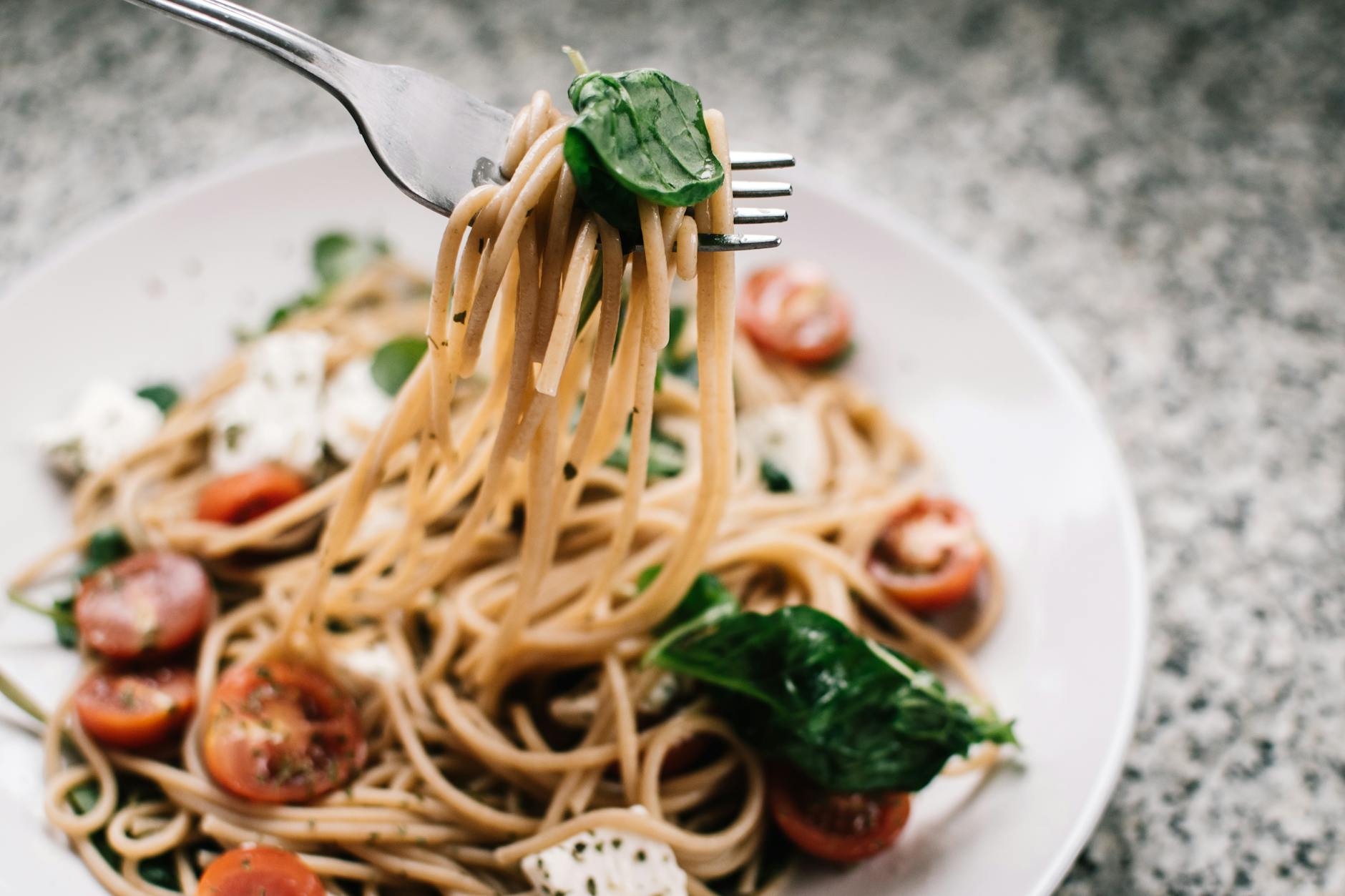
The true nutritional value of spaghetti comes from what you add to it. A simple tomato sauce provides lycopene, an antioxidant linked to reduced risk of certain cancers. Incorporating vegetables like broccoli, spinach, and peppers increases fiber intake, promoting digestive health and satiety. Lean proteins, such as chicken or turkey, contribute to muscle building and repair. Therefore, the question of “Why is spaghetti healthy?” heavily relies on the nutritional profile of its accompaniments.
Choosing the Right Spaghetti: Whole Wheat vs. Refined
The type of spaghetti you choose significantly impacts its nutritional value. Refined spaghetti, made from white flour, is lower in fiber and nutrients compared to whole-wheat spaghetti.
- Whole-wheat spaghetti: Contains more fiber, vitamins, and minerals.
- Refined spaghetti: Higher glycemic index, potentially leading to rapid blood sugar spikes.
A useful comparison is outlined in the table below:
| Nutrient | Whole-Wheat Spaghetti (1 cup, cooked) | Refined Spaghetti (1 cup, cooked) |
|---|---|---|
| Calories | ~174 | ~221 |
| Fiber | ~6g | ~2.5g |
| Protein | ~7g | ~8g |
| Iron | ~1.5mg | ~1mg |
| Manganese | ~1.3mg | ~0.5mg |
Portion Control: Moderation is Key
Even with healthy ingredients, overconsumption of spaghetti can lead to weight gain and other health issues. Practicing portion control is crucial. A typical serving size of cooked spaghetti is about one cup. Using a food scale or measuring cups can help ensure accurate portions. Remember, answering the question “Why is spaghetti healthy?” hinges on responsible consumption.
Preparation Matters: Cooking and Serving
How you prepare your spaghetti also affects its nutritional profile. Avoiding excessive amounts of oil or butter during cooking is important. Choosing healthier cooking methods, such as steaming or baking vegetables, can also minimize added fats and calories. Serving suggestions also influence whether spaghetti is healthy or not.
- Healthy Serving Tips:
- Use leaner proteins.
- Add plenty of colorful vegetables.
- Limit high-fat sauces and cheeses.
- Opt for whole-wheat pasta.
Common Mistakes: Avoiding Unhealthy Practices
Several common mistakes can negate the potential health benefits of spaghetti.
- Overcooking the pasta: Leads to a higher glycemic index.
- Using excessive amounts of oil or butter: Increases calorie and fat intake.
- Relying on processed sauces: Often high in sodium and sugar.
- Adding too much cheese: Significantly increases fat and calorie content.
Frequently Asked Questions About Spaghetti
Is spaghetti gluten-free?
No, traditional spaghetti made from wheat semolina contains gluten. Individuals with celiac disease or gluten sensitivity should opt for gluten-free spaghetti alternatives made from ingredients like rice, corn, or quinoa.
Does spaghetti have any vitamins or minerals?
Yes, spaghetti, especially whole-wheat varieties, contains vitamins and minerals such as iron, magnesium, and B vitamins. These contribute to overall health and well-being. However, the amount is relatively small, so it’s essential to have a variety of vitamin and mineral sources in your diet.
Is spaghetti high in calories?
Spaghetti does contain calories, approximately 220 per cooked cup for refined spaghetti. However, the caloric content is manageable when consumed in moderation and paired with healthy additions.
Can spaghetti help with weight loss?
Spaghetti itself isn’t a weight-loss miracle food, but when incorporated into a balanced diet with portion control and nutrient-rich ingredients, it can be part of a weight-loss plan. Whole-wheat spaghetti, with its higher fiber content, can promote satiety and help control appetite.
Is spaghetti a good source of fiber?
Whole-wheat spaghetti is a good source of fiber, providing approximately 6 grams per cooked cup. Fiber aids in digestion, promotes satiety, and helps regulate blood sugar levels. Refined spaghetti contains considerably less fiber.
What are the healthiest spaghetti sauce options?
The healthiest spaghetti sauce options are those made from fresh tomatoes, vegetables, and herbs. Avoid processed sauces high in sodium, sugar, and unhealthy fats. Making your own sauce allows for complete control over ingredients.
Is spaghetti a good pre-workout meal?
Yes, spaghetti can be a good pre-workout meal due to its carbohydrate content. Consuming spaghetti a few hours before exercise can provide sustained energy for physical activity.
Can spaghetti cause blood sugar spikes?
Refined spaghetti can cause blood sugar spikes due to its high glycemic index. Whole-wheat spaghetti has a lower glycemic index and is less likely to cause rapid blood sugar fluctuations.
How does spaghetti affect cholesterol levels?
Spaghetti itself doesn’t significantly impact cholesterol levels, especially if consumed in moderation and paired with healthy, low-fat ingredients. Excessive amounts of high-fat sauces or cheeses can contribute to elevated cholesterol.
What are some healthy alternatives to traditional spaghetti?
Healthy alternatives to traditional spaghetti include:
- Whole-wheat spaghetti
- Vegetable noodles (zucchini, carrot)
- Spaghetti squash
- Gluten-free spaghetti (rice, corn, quinoa)
Is spaghetti good for heart health?
Spaghetti, when prepared with healthy ingredients and consumed in moderation, can be part of a heart-healthy diet. The fiber in whole-wheat spaghetti can help lower cholesterol levels, while tomato-based sauces provide beneficial antioxidants.
How can I make spaghetti healthier for kids?
To make spaghetti healthier for kids:
- Incorporate finely chopped vegetables into the sauce.
- Use whole-wheat spaghetti.
- Limit added salt and sugar.
- Serve smaller portions.
- Offer a side of vegetables or a salad.