

Why Is My Cat Massaging Me and Purring? Unraveling the Mystery
Your cat is likely massaging you while purring because they are exhibiting behaviors learned in kittenhood, associating you with comfort, security, and pleasure, and possibly as a way to show affection or even request attention.
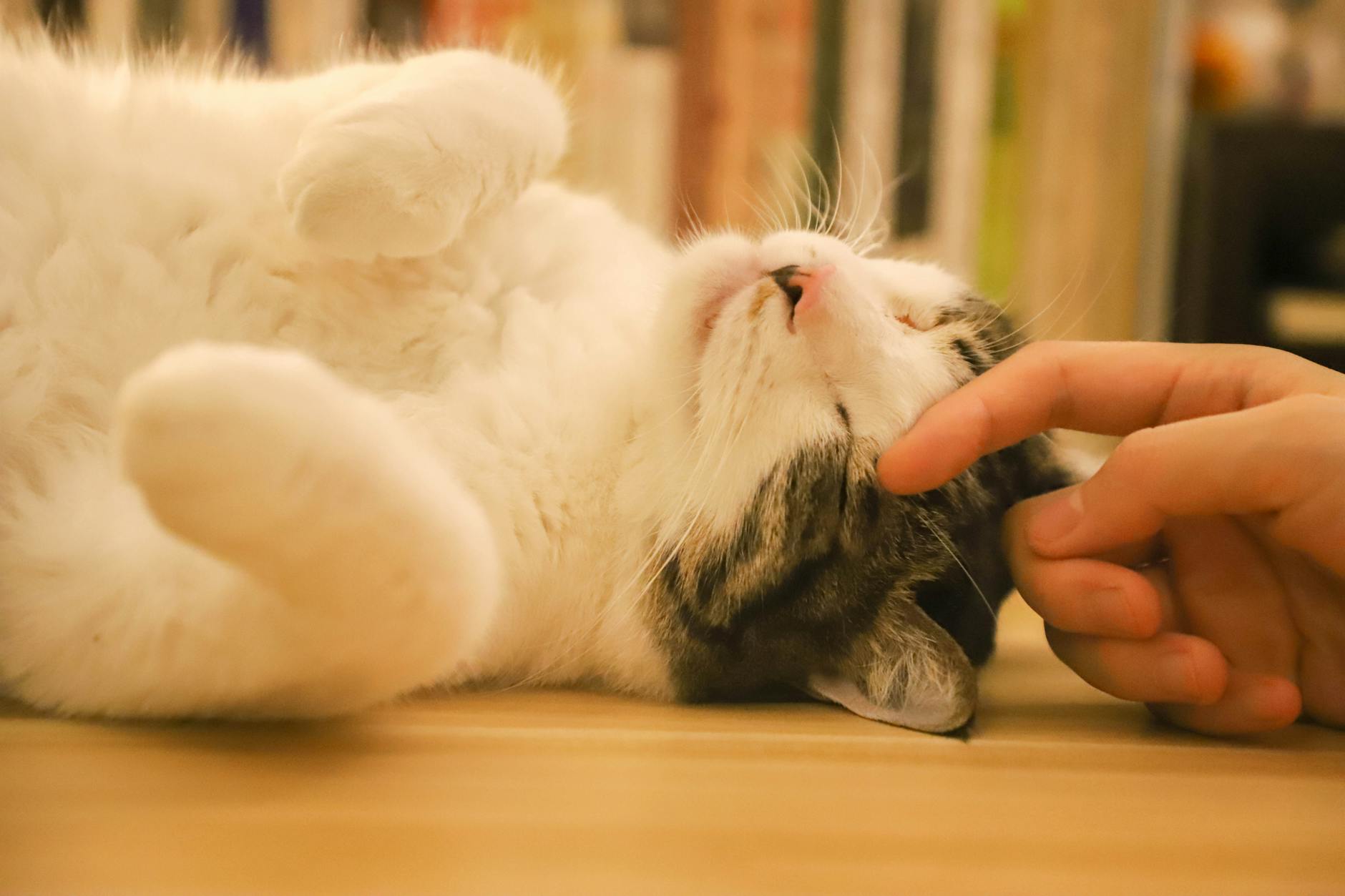
The Origins of “Making Biscuits”: From Kitten to Cat
The act of a cat kneading, often called “making biscuits,” is rooted in their early experiences as kittens. When nursing, kittens instinctively massage their mother’s mammary glands to stimulate milk flow. This behavior creates a powerful association between kneading, warmth, comfort, and nourishment. As cats mature, they may transfer this learned behavior onto other soft surfaces, including you! Why is my cat massaging me and purring? In short, it stems from a deeply ingrained instinct connected to their earliest feelings of security.
The Comfort Connection: You’re Their Surrogate Mother
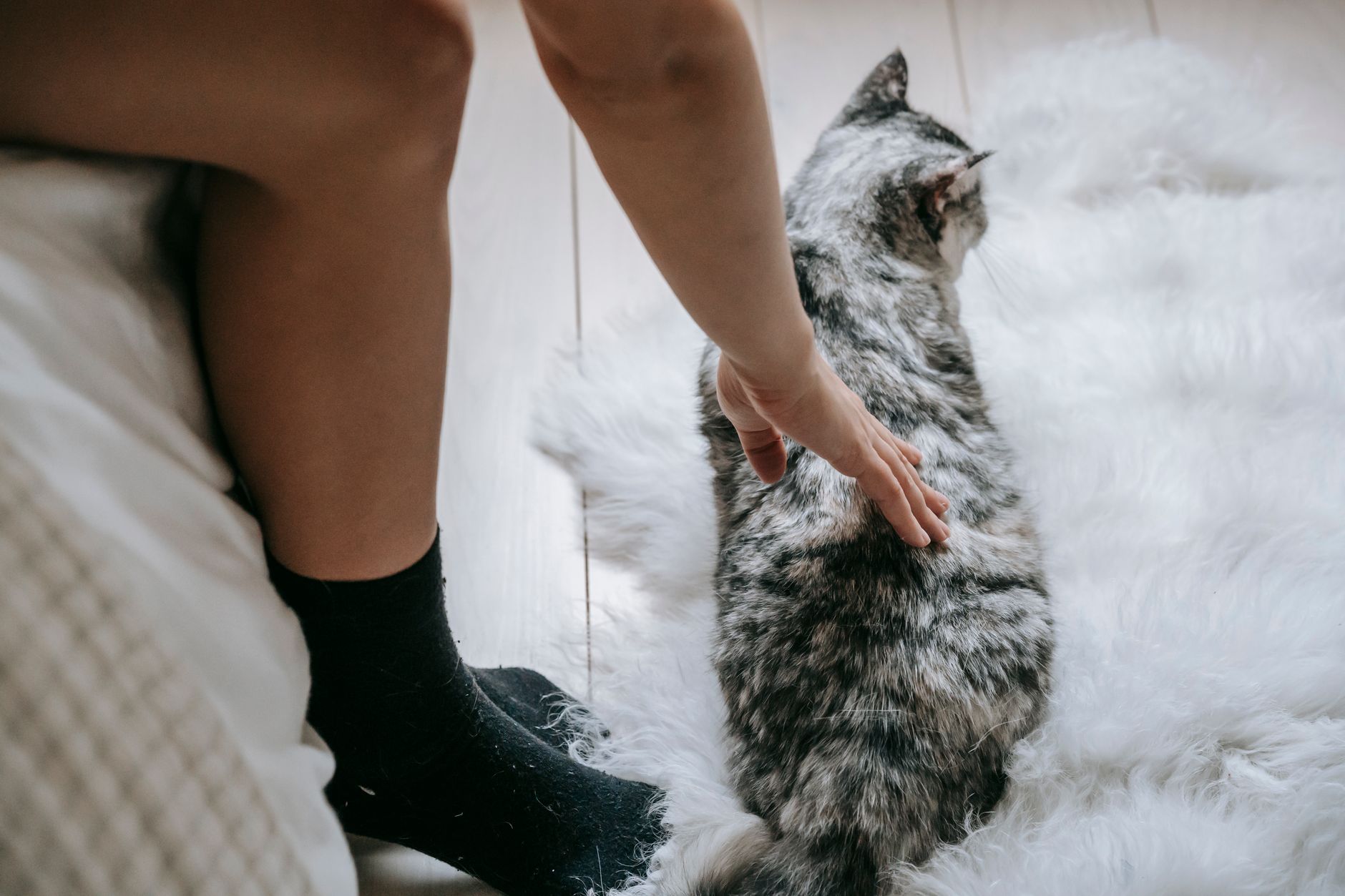
Even after being weaned, the association between kneading, purring, and comfort remains strong. When your cat kneads you, they may be expressing a feeling of contentment and security, similar to how they felt as a kitten nestled against their mother. You have essentially become their surrogate mother figure, a source of comfort and love. This isn’t just about physical comfort; it’s also an emotional bond.
Purring: A Symphony of Contentment (and More!)
Purring is often associated with happiness and contentment. When a cat kneads and purrs simultaneously, it’s usually a clear sign of affection and relaxation. However, purring isn’t always a sign of happiness. Cats also purr when they’re in pain or distress, potentially as a self-soothing mechanism. But when combined with kneading, the context usually indicates a positive emotional state.
Marking Territory: “You’re Mine!”
Cats have scent glands in their paws, and kneading can also be a way of marking their territory. By kneading you, your cat is transferring their scent onto you, essentially claiming you as their own. This isn’t meant to be possessive in a negative way; it’s simply a natural feline behavior that reinforces their bond with you.
The Attention-Seeking Factor: “Pet Me, Please!”
Sometimes, why is my cat massaging me and purring? The answer is simple: they want attention! Kneading and purring are highly effective ways for cats to get their owners’ attention. If your cat learns that kneading leads to petting, scratching, or treats, they’re likely to repeat the behavior. It’s a simple form of positive reinforcement.
It’s Not Always a Positive: Possible Reasons for Uncomfortable Kneading
While kneading is usually a sign of affection, sometimes it can be a bit uncomfortable, especially if your cat has sharp claws.
Here are a few reasons why your cat’s kneading might be painful:
- Excitement: Intense kneading can indicate heightened excitement or anticipation.
- Unclipped Claws: Regular nail trimming is essential to prevent painful kneading.
- Underlying Anxiety: In rare cases, excessive or forceful kneading might be a sign of anxiety. Consult with your veterinarian if you suspect this is the case.
Minimizing Discomfort: Protecting Yourself from Kneading Claws
If your cat’s kneading is causing you discomfort, there are several things you can do:
- Keep their claws trimmed: Regular trimming is the most effective way to minimize the pain of kneading.
- Place a soft barrier: Put a blanket or pillow between you and your cat during kneading sessions.
- Redirect their behavior: If your cat starts kneading, gently redirect their attention to a toy or a scratching post.
- Never punish them: Kneading is a natural behavior, and punishing your cat will only damage your bond.
The Health Benefits for Cats (And Maybe You!): A Purrfect Partnership
Purring is believed to have therapeutic benefits for cats. The low-frequency vibrations produced by purring may promote bone healing, muscle repair, and pain relief. Some studies even suggest that owning a cat can lower blood pressure and reduce the risk of heart disease in humans. While more research is needed, the comforting presence of a purring cat can undoubtedly have a positive impact on your well-being. It is therefore likely that why is my cat massaging me and purring benefits both you and the cat.
Summary of Reasons
Here is a brief summary of the reasons for kneading and purring:
| Reason | Description |
|---|---|
| Kittenhood Comfort | Reminiscent of nursing and seeking comfort from their mother. |
| Affection | Expressing love and contentment towards you. |
| Territory Marking | Depositing their scent onto you to claim you as their own. |
| Attention Seeking | A way to get your attention for petting, scratching, or treats. |
| Self-Soothing | Purring might have therapeutic benefits for the cat, such as promoting healing. |
Conclusion: Embrace the Biscuits!
Kneading and purring are generally positive behaviors that indicate a strong bond between you and your cat. While it may sometimes be uncomfortable, understanding the reasons behind these behaviors can help you appreciate the unique way your cat expresses affection. Embrace the biscuits and enjoy the purrs!

Frequently Asked Questions (FAQs)
Why does my cat only knead certain people or surfaces?
Each cat has individual preferences. They might associate certain people or surfaces with particular levels of comfort or positive experiences. Your cat may feel more secure or affectionate toward specific individuals, or they might prefer the texture of certain fabrics for kneading. These preferences are based on their individual experiences and personality.
Is kneading always a sign of happiness?
While kneading is often a sign of happiness and contentment, it can also be a sign of stress or anxiety in some cats. Pay attention to your cat’s other behaviors and body language to determine the context of the kneading. If your cat is kneading excessively or displaying other signs of distress, consult with your veterinarian.
Why do some cats knead more than others?
The frequency of kneading varies from cat to cat. Some cats are naturally more inclined to knead than others. Factors such as breed, early experiences, and individual personality can all play a role.
Should I stop my cat from kneading if it’s painful?
You shouldn’t punish your cat for kneading, as it’s a natural behavior. Instead, try to redirect their attention or place a soft barrier between you and their claws. Regular nail trimming can also significantly reduce the discomfort.
What does it mean if my cat is kneading but not purring?
Kneading without purring could indicate a different motivation, such as simply marking territory or seeking a comfortable spot. The absence of purring doesn’t necessarily mean the cat is unhappy, but it may not be expressing the same level of contentment as when purring is involved.
Is kneading a sign that my cat was weaned too early?
While early weaning could potentially contribute to kneading behavior, it’s not the only factor. Many cats that were weaned at an appropriate age still knead as adults. It’s a complex behavior with multiple contributing factors.
Why does my cat sometimes drool while kneading?
Drooling while kneading is often a sign of extreme relaxation and contentment. It suggests that your cat is completely at ease and comfortable. It’s similar to a baby drooling while breastfeeding.
Can male cats knead, or is it just a female cat thing?
Both male and female cats knead. The behavior is not gender-specific and is related to early kittenhood experiences, regardless of sex.
Does the type of surface matter when a cat is kneading?
Yes, the type of surface can matter. Cats often prefer soft, plush surfaces that mimic the feeling of their mother’s fur. They may also be drawn to surfaces that retain warmth or have a pleasant texture.
Why does my cat only knead before sleeping?
Kneading before sleeping can be a way for your cat to prepare their sleeping surface and create a comfortable nest. It’s also a sign that they feel safe and secure in their environment.
Is kneading related to my cat’s breed?
While some breeds may be more prone to certain behaviors, kneading is not strongly linked to a specific breed. It’s more influenced by individual personality and experiences.
My cat kneads the air. What does that mean?
Kneading the air is still linked to the instinctive comfort from kittenhood, but without a specific physical surface. It’s just a manifestation of their comfort, contentment and love for you.