
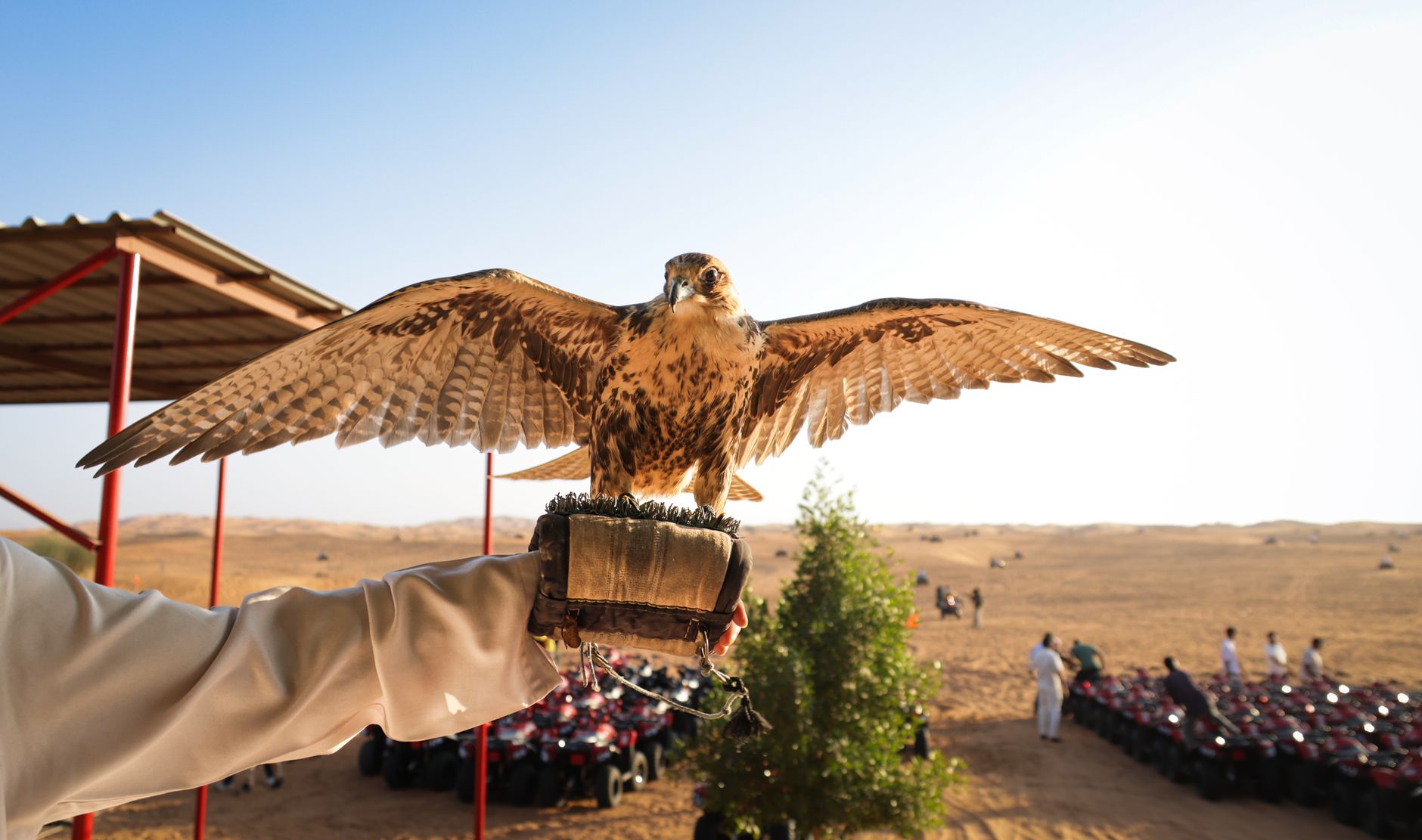
Which Falcon is the Fastest? Unveiling the Aerial Speed Champion
The Peregrine Falcon is widely recognized as the fastest bird on Earth, achieving incredible speeds during its hunting dives; answering which falcon is the fastest?

Introduction: Diving into the World of Falcon Speed
Falcons, magnificent birds of prey, have captivated humans for centuries with their aerial prowess and hunting skills. Among the diverse species of falcons, a crucial question arises: Which falcon is the fastest? While many falcons exhibit impressive flight capabilities, one species reigns supreme when it comes to sheer velocity. This article will delve into the world of falcon flight, exploring the factors that contribute to their speed and ultimately revealing the undisputed champion of aerial velocity.

What colours are fish most attracted to?
Can you put your finger in a trout's mouth?
Is methylene blue anti bacterial?
Does aquarium salt raise pH in aquarium?
Understanding Falcon Flight Dynamics

Several factors contribute to a falcon’s flight speed. These include:
- Wing shape: Falcons possess pointed wings that reduce drag and allow for efficient high-speed flight.
- Body weight: A streamlined body and relatively light weight contribute to agility and speed.
- Muscle power: Powerful flight muscles enable falcons to generate the thrust required for rapid acceleration and sustained flight.
- Diving Technique: The most critical aspect is the stoop or dive, a specialized hunting technique.
The Peregrine Falcon: A Speed Demon in the Skies
The Peregrine Falcon ( Falco peregrinus) is renowned for its extraordinary speed, particularly during its hunting dives. This falcon employs a technique called a stoop, where it folds its wings and plummets from great heights towards its prey. During these dives, Peregrine Falcons can reach speeds exceeding 200 miles per hour (320 kilometers per hour), making it the fastest animal on Earth.
Other Notable Falcon Species and Their Speeds
While the Peregrine Falcon holds the speed record, other falcon species also exhibit impressive flight capabilities.
-
Gyrfalcon (Falco rusticolus): Known for its powerful flight and agility, the Gyrfalcon is another large falcon species capable of high speeds.
-
Saker Falcon (Falco cherrug): Saker Falcons are fast and agile hunters, often employing a combination of speed and maneuverability to capture prey.
-
Merlin (Falco columbarius): While smaller than the Peregrine and Gyrfalcon, the Merlin is a swift and agile falcon, capable of impressive bursts of speed during pursuit.
Factors Affecting Falcon Speed
Several environmental and physiological factors can influence a falcon’s speed:
- Wind conditions: Tailwinds can enhance a falcon’s speed, while headwinds can impede it.
- Altitude: Falcons typically achieve their highest speeds during dives from great heights.
- Prey type: The size and maneuverability of the prey can influence the falcon’s flight strategy and speed.
- Age and experience: Mature and experienced falcons are often more adept at utilizing their speed and agility to capture prey.
Why is the Peregrine Falcon so Fast?
The Peregrine Falcon‘s remarkable speed is attributed to a combination of anatomical adaptations and hunting techniques. Its pointed wings, streamlined body, and powerful flight muscles allow for efficient high-speed flight. Additionally, its diving technique, the stoop, maximizes its acceleration and velocity.
Comparing Falcon Speeds: A Table
| Falcon Species | Estimated Maximum Speed (mph) | Flight Style |
|---|---|---|
| Peregrine Falcon | 200+ | High-speed dives (stoops) |
| Gyrfalcon | 80-90 | Powerful, agile flight |
| Saker Falcon | 70-80 | Fast, maneuverable hunting flights |
| Merlin | 60-70 | Swift, agile pursuit of small birds |
The Importance of Falcon Speed
The incredible speed of falcons plays a crucial role in their survival. It allows them to:
- Effectively hunt prey: High speeds enable falcons to overtake and capture fast-flying birds and other agile prey.
- Avoid predators: Speed provides falcons with an advantage in evading predators, such as eagles and owls.
- Compete for resources: Superior flight capabilities can give falcons a competitive edge in securing territories and mates.
Frequently Asked Questions (FAQs)
How does the Peregrine Falcon achieve such high speeds?
The Peregrine Falcon achieves its extraordinary speed through a combination of factors. Its streamlined body, pointed wings, and powerful flight muscles contribute to efficient high-speed flight. More importantly, the diving technique, known as a stoop, allows the falcon to accelerate rapidly as it plummets toward its prey.
What is a falcon’s “stoop”?
The stoop is a specialized hunting technique employed by falcons, particularly the Peregrine Falcon. It involves diving from great heights with wings partially folded, maximizing speed and efficiency. The falcon can then adjust its trajectory to intercept its prey.
Are there any birds faster than the Peregrine Falcon?
While other birds may exhibit impressive flight speeds, the Peregrine Falcon remains the fastest bird on Earth. No other avian species has been documented to achieve speeds comparable to the Peregrine Falcon during its stoops.
Do all falcons use the “stoop” technique?
While many falcon species employ diving techniques to hunt, the stoop is most prominently associated with the Peregrine Falcon. Other falcons may use variations of the dive, but the Peregrine Falcon’s stoop is particularly remarkable for its speed and precision.
What do falcons eat?
Falcons are carnivores, and their diet primarily consists of birds. The specific prey species varies depending on the falcon species and its habitat. Falcons may also prey on small mammals, reptiles, and insects.
Where do Peregrine Falcons live?
Peregrine Falcons have a widespread distribution, inhabiting a variety of habitats across the globe. They can be found in North America, Europe, Asia, Africa, and Australia. They often nest on cliffs, buildings, and bridges.
Are falcons endangered?
Some falcon species have faced population declines due to habitat loss, pesticide use, and hunting. However, many falcon populations have recovered in recent decades thanks to conservation efforts. The Peregrine Falcon, for example, was once endangered but has made a remarkable recovery.
How can I help protect falcons?
You can contribute to falcon conservation by:
- Supporting organizations dedicated to protecting birds of prey.
- Advocating for policies that protect their habitat.
- Reducing pesticide use in your garden and community.
- Avoiding disturbance of nesting sites.
What is the difference between a falcon and a hawk?
Falcons and hawks are both birds of prey, but they belong to different taxonomic families. Falcons typically have pointed wings, while hawks tend to have broader, rounded wings. Falcons also tend to be faster and more agile fliers.
Can falcons be trained?
Yes, falcons have been trained for centuries in the sport of falconry. Falconry involves training falcons to hunt game birds or other prey alongside humans. The practice requires specialized knowledge and skill.
How long do falcons live?
The lifespan of a falcon varies depending on the species and environmental factors. In general, falcons can live for 10 to 20 years in the wild.
What is the scientific name of the Peregrine Falcon?
The scientific name of the Peregrine Falcon is Falco peregrinus.
In conclusion, which falcon is the fastest? The answer is clear: the magnificent Peregrine Falcon. Its unmatched speed during its hunting dives solidifies its position as the undisputed champion of aerial velocity in the avian world.