

Methylene Blue: A Deep Dive into its Antibacterial Properties
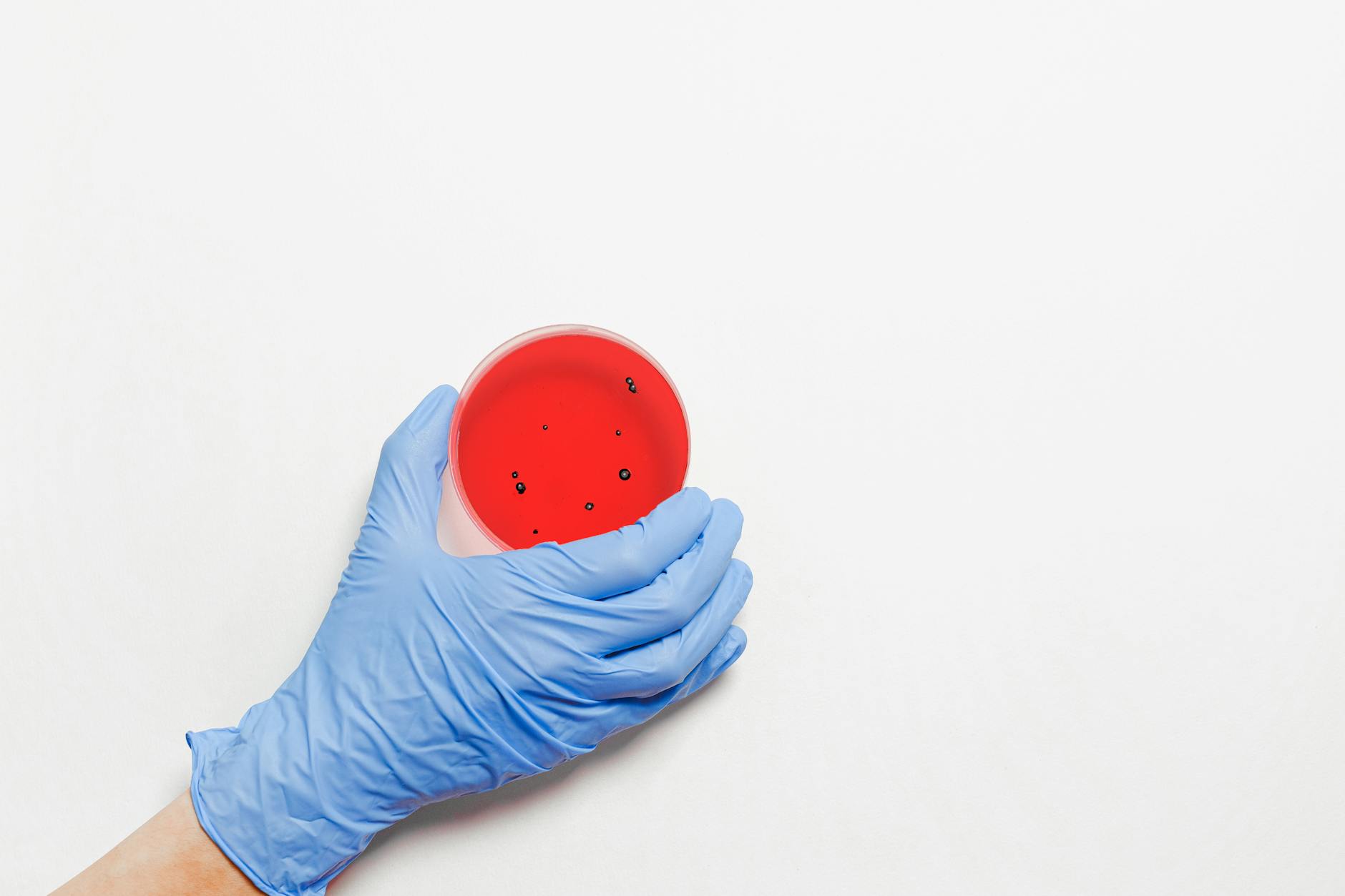
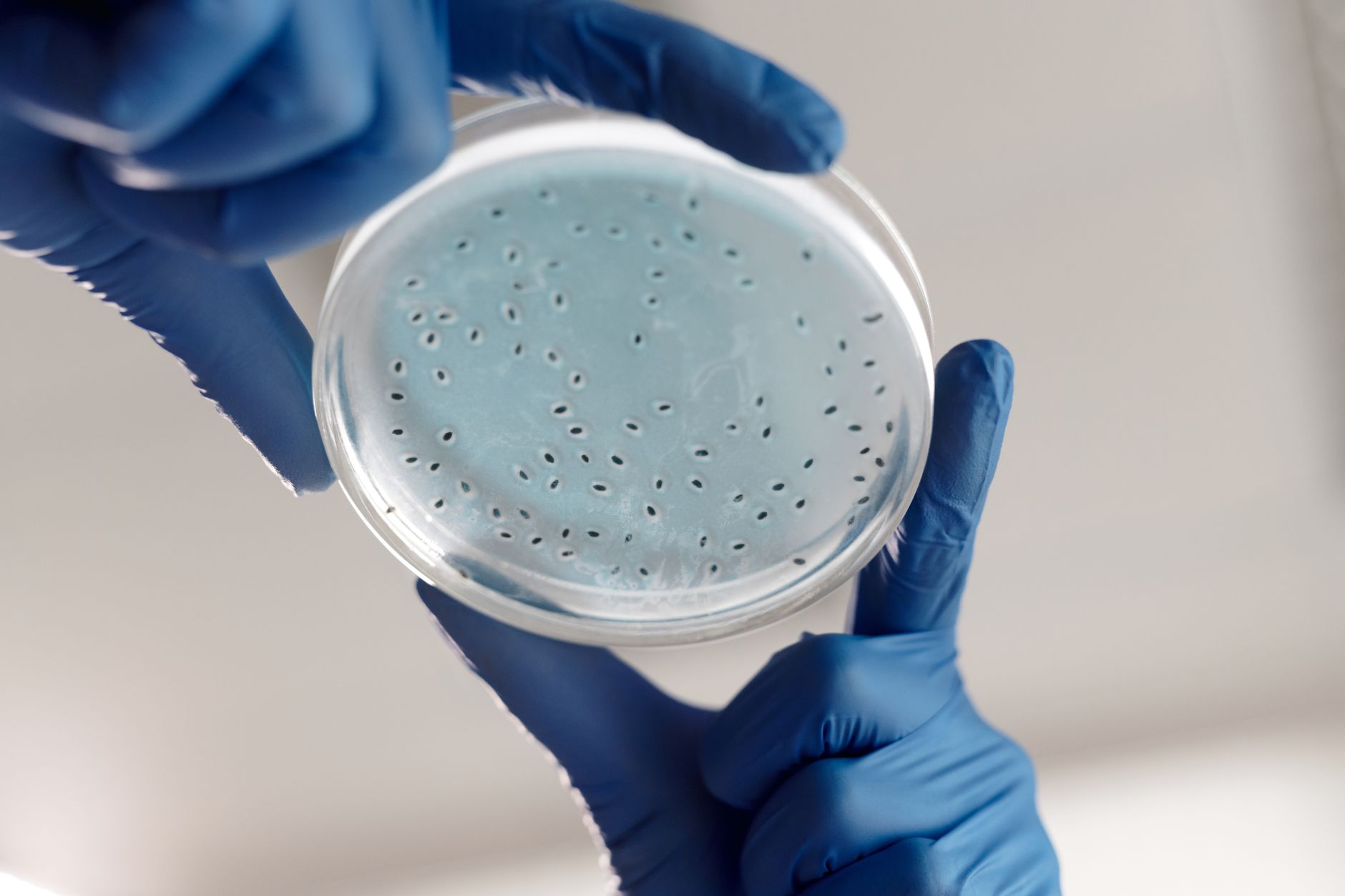
Is methylene blue antibacterial? The answer is a resounding yes. Methylene blue exhibits significant antibacterial properties against a range of microorganisms, making it a promising agent in various medical and industrial applications.
Introduction to Methylene Blue
Methylene blue, also known as methylthioninium chloride, is a heterocyclic aromatic chemical compound with the molecular formula C16H18ClN3S. For over a century, it has been employed in various fields, including medicine, chemistry, and aquaculture. While traditionally known as a dye, its antibacterial potential has garnered increased attention in recent years.
Is distilled water good for goldfish?
What colours are fish most attracted to?
Can you put your finger in a trout's mouth?
Does aquarium salt raise pH in aquarium?
Methylene Blue’s Mechanism of Antibacterial Action
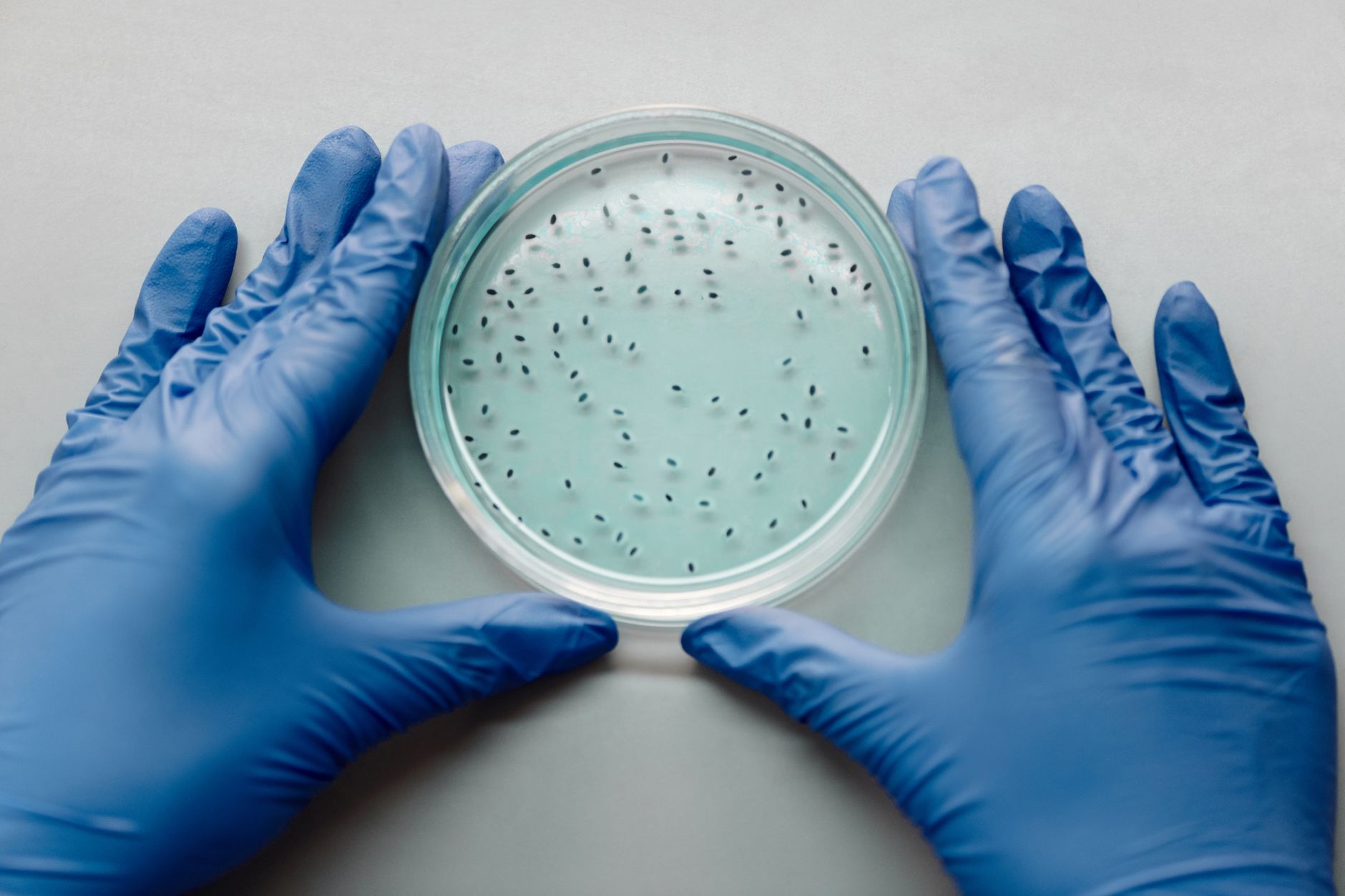
Methylene blue’s antibacterial action is complex and multifaceted, primarily involving its ability to interfere with microbial respiration.
- Disruption of Electron Transport Chain: Methylene blue can accept electrons from NADH and FADH2, key electron carriers in the bacterial respiratory chain. This diversion disrupts the energy production process, weakening and potentially killing the bacteria.
- Generation of Reactive Oxygen Species (ROS): In the presence of light and oxygen, methylene blue can act as a photosensitizer. This process leads to the formation of reactive oxygen species (ROS), such as singlet oxygen and superoxide radicals. ROS are highly toxic to bacteria, causing oxidative damage to their cell membranes, DNA, and proteins.
- Inhibition of Bacterial Enzymes: Methylene blue can inhibit the function of specific bacterial enzymes essential for their survival and proliferation.
Methylene Blue’s Antibacterial Spectrum
Methylene blue exhibits antibacterial activity against a wide range of microorganisms, including:
- Gram-positive bacteria: Staphylococcus aureus, Streptococcus pneumoniae, and Bacillus anthracis.
- Gram-negative bacteria: Escherichia coli (E. coli), Klebsiella pneumoniae, and Pseudomonas aeruginosa.
- Fungi: Candida albicans.
- Viruses: In vitro studies suggest potential activity against certain viruses, but more research is needed.
Applications of Methylene Blue as an Antibacterial Agent
Methylene blue is being explored for various applications due to its antibacterial potential:
- Wound Healing: Methylene blue can promote wound healing by preventing bacterial infections and stimulating the formation of new tissue. Its ability to combat bacteria like Staphylococcus aureus, a common cause of wound infections, is particularly valuable.
- Urinary Tract Infections (UTIs): Methylene blue has been used, sometimes in combination with other medications, to treat UTIs caused by antibiotic-resistant bacteria.
- Fish Farming: It is employed to prevent and treat bacterial infections in aquaculture.
- Sterilization of Medical Equipment: Methylene blue shows promise in sterilizing medical devices that cannot withstand traditional heat sterilization methods.
- Photodynamic Therapy: Methylene blue is used in photodynamic therapy (PDT) to treat various infections and conditions by selectively destroying diseased cells after activation with light.
Safety Considerations and Potential Side Effects
While generally considered safe at recommended dosages, methylene blue can cause side effects in some individuals. It’s crucial to consult a healthcare professional before using methylene blue, especially if you have pre-existing medical conditions or are taking other medications.
- Common Side Effects: Nausea, vomiting, headache, dizziness, and blue discoloration of urine and feces.
- Serious Side Effects: Methemoglobinemia (a condition where the blood cannot carry oxygen properly), allergic reactions, and drug interactions.
- Contraindications: Methylene blue should be avoided in individuals with G6PD deficiency (an enzyme deficiency that can lead to hemolytic anemia) due to the risk of hemolysis.
The Future of Methylene Blue in Antibacterial Therapy
Given the increasing prevalence of antibiotic-resistant bacteria, the antibacterial properties of methylene blue are attracting significant interest. Research is ongoing to further explore its potential as a novel therapeutic agent for various infectious diseases. Optimizing its delivery methods, combining it with other antimicrobial agents, and understanding its long-term effects are crucial areas of investigation.
Dosage and Administration
The appropriate dosage of methylene blue varies depending on the condition being treated, the patient’s weight, and other factors. It can be administered intravenously, orally, or topically. Always follow the instructions of a healthcare professional. Self-treating with methylene blue is strongly discouraged.
Comparison Table: Methylene Blue vs. Traditional Antibiotics
| Feature | Methylene Blue | Traditional Antibiotics |
|---|---|---|
| Mechanism of Action | Disrupts electron transport, ROS generation | Varies depending on the specific antibiotic |
| Spectrum | Broad, including Gram-positive, Gram-negative, fungi | Varies depending on the specific antibiotic |
| Resistance | Lower risk of resistance development | Higher risk of resistance development |
| Side Effects | Generally mild at recommended doses | Can range from mild to severe |
| Administration | IV, oral, topical | IV, oral, topical |
Common Mistakes When Using Methylene Blue
- Self-treating without medical supervision: This can lead to inappropriate dosage and potential adverse effects.
- Ignoring potential drug interactions: Methylene blue can interact with certain medications.
- Using impure or improperly sourced methylene blue: This can result in contaminants and reduced efficacy.
- Exceeding the recommended dosage: This increases the risk of side effects.
- Not considering underlying medical conditions: Certain conditions, such as G6PD deficiency, can increase the risk of adverse reactions.
Frequently Asked Questions about Methylene Blue and its Antibacterial Properties
Is methylene blue safe to use internally?
While methylene blue has been used internally for various medical conditions, it’s crucial to consult a healthcare professional before doing so. They can determine the appropriate dosage and monitor for potential side effects. Self-treatment is strongly discouraged.
Does methylene blue kill all types of bacteria?
Methylene blue exhibits antibacterial activity against a broad range of bacteria, including both Gram-positive and Gram-negative bacteria. However, its effectiveness can vary depending on the specific bacterial strain.
Can methylene blue be used to treat antibiotic-resistant infections?
Yes, methylene blue’s unique mechanism of action makes it a promising agent for treating infections caused by antibiotic-resistant bacteria. Research suggests it can be effective against strains that are resistant to traditional antibiotics.
What are the potential side effects of methylene blue?
Common side effects include nausea, vomiting, headache, dizziness, and blue discoloration of urine and feces. Serious side effects are rare but can include methemoglobinemia and allergic reactions.
How is methylene blue administered?
Methylene blue can be administered intravenously, orally, or topically, depending on the condition being treated. The route of administration and dosage should be determined by a healthcare professional.
Is methylene blue the same as methyl blue?
No, methylene blue and methyl blue are different compounds with distinct chemical structures and properties. Methylene blue is used for medical and biological applications, while methyl blue is primarily used as a stain in histology.
Can methylene blue be used to treat fungal infections?
Methylene blue has shown some antifungal activity, particularly against Candida albicans. However, other antifungal agents are typically preferred for treating most fungal infections.
Does methylene blue interact with other medications?
Yes, methylene blue can interact with certain medications, such as selective serotonin reuptake inhibitors (SSRIs). It’s essential to inform your healthcare provider about all medications you are taking before using methylene blue.
Is methylene blue available over the counter?
Methylene blue is not typically available over the counter and requires a prescription for most medical applications.
Can methylene blue be used in veterinary medicine?
Yes, methylene blue is used in veterinary medicine to treat various conditions in animals, including fish. Its use in animals requires veterinary supervision.
How does methylene blue compare to silver sulfadiazine for wound healing?
Both methylene blue and silver sulfadiazine have antibacterial properties and are used for wound healing. Studies suggest that methylene blue may have comparable efficacy to silver sulfadiazine while potentially offering advantages in terms of cost and reduced toxicity.
Is methylene blue safe for pregnant or breastfeeding women?
The safety of methylene blue during pregnancy and breastfeeding is not well-established. It’s generally avoided unless the potential benefits outweigh the risks, and a healthcare professional should be consulted.