

Does Aquarium Salt Raise pH in Aquariums? Understanding the Chemistry
The short answer is no. Aquarium salt does not directly raise the pH of aquarium water. However, it can influence the pH’s stability and buffering capacity.
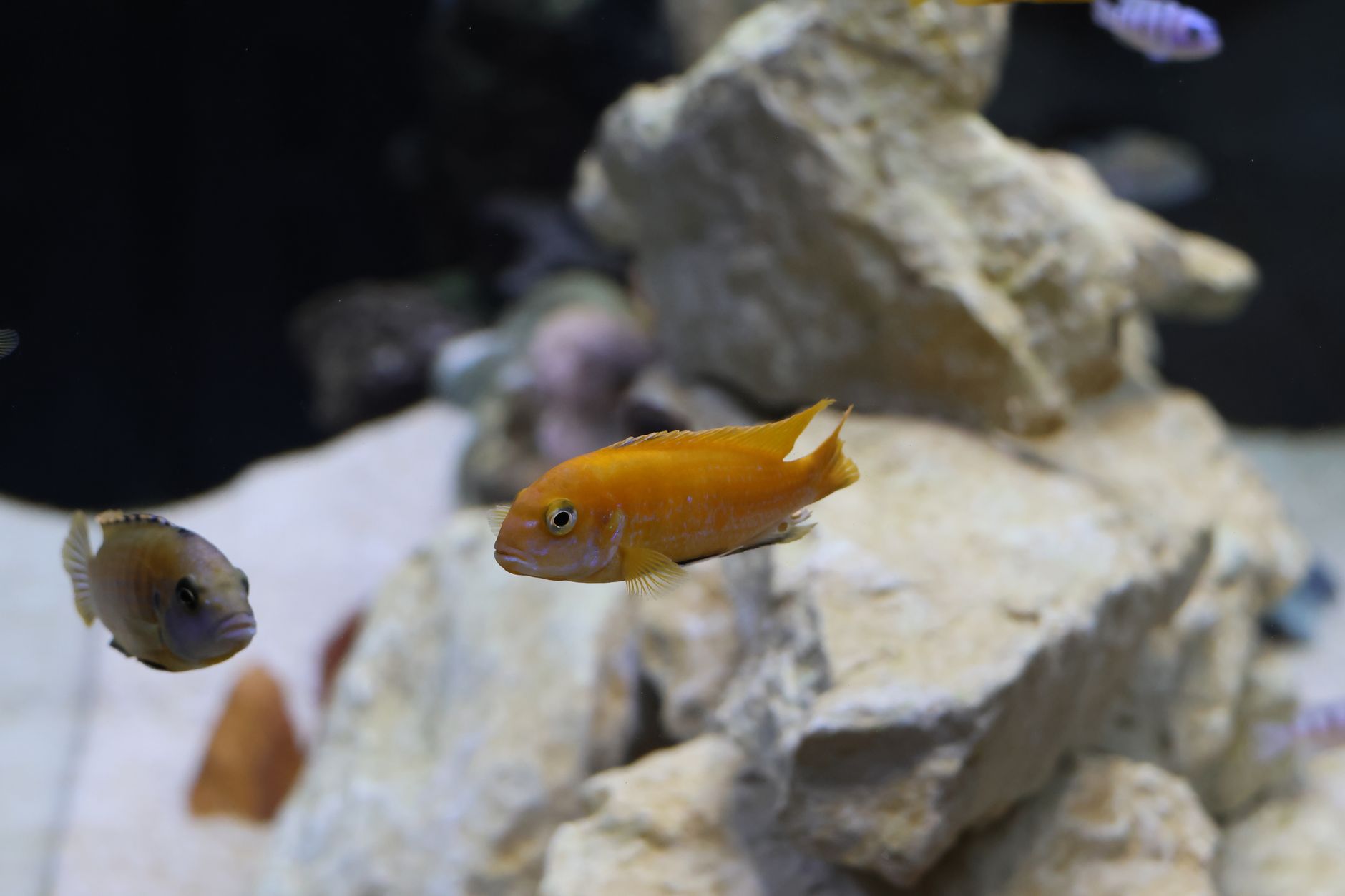
Aquarium salt, specifically sodium chloride (NaCl), is a common addition to freshwater aquariums, often used to treat certain fish diseases or to improve a fish’s osmoregulation. However, understanding its effects on water chemistry, particularly pH, is crucial for maintaining a healthy aquatic environment. Does aquarium salt raise pH in aquarium? Let’s delve into the details to debunk this common misconception.
The Nature of Aquarium Salt
Aquarium salt differs from table salt. It’s specifically designed for aquarium use, typically free from iodine and anti-caking agents, which can be harmful to fish and invertebrates. The primary component is sodium chloride (NaCl), which, when dissolved in water, dissociates into sodium (Na+) and chloride (Cl-) ions.

How do they put trackers on sea turtles?
What is the GREY African clawed frog?
Is distilled water good for goldfish?
What colours are fish most attracted to?
How pH Works in Aquariums

pH measures the acidity or alkalinity of water on a scale of 0 to 14, with 7 being neutral. Values below 7 indicate acidity, while those above 7 indicate alkalinity. The pH level is governed by the balance of hydrogen ions (H+) and hydroxide ions (OH-).
Factors that influence pH in an aquarium include:
- Carbon dioxide (CO2) levels: Higher CO2 levels can lower pH.
- Buffering capacity: The presence of carbonates and bicarbonates helps to stabilize pH.
- Decomposition of organic matter: This process can release acids that lower pH.
- Water changes: Fresh water can alter the pH depending on its source.
- Substrates and decorations: Certain rocks and substrates can influence pH.
The Influence of Aquarium Salt on Water Chemistry
While aquarium salt doesn’t directly alter the concentration of H+ or OH- ions (the core determinants of pH), it can indirectly affect pH stability through its influence on other parameters:
- Osmoregulation: Aquarium salt aids fish in maintaining osmotic balance, which reduces stress and indirectly supports stable water parameters. Stressed fish can produce excess waste, potentially affecting pH.
- Buffering Capacity: Although salt itself doesn’t buffer, it can interact with existing buffers (like carbonates) within the water. In some cases, high concentrations of salt might slightly reduce the effectiveness of buffering agents. However, this effect is typically negligible within recommended salt dosages.
- Nitrite Toxicity: Salt can reduce the toxicity of nitrites to fish. This is particularly helpful during the aquarium cycling process or in situations of elevated nitrite levels, thus indirectly contributing to a healthier environment.
- Mineral Interaction: In very hard water, high salt concentrations could potentially interact with minerals, marginally influencing pH. However, this is not a typical scenario, and the effect would be small.
In short, while aquarium salt doesn’t actively work to raise pH in aquarium, its effect on the overall health of the aquarium environment can contribute to more stable conditions, which indirectly can lead to a more stable pH value.
Common Mistakes and Misconceptions
- Assuming salt automatically raises pH: Many believe aquarium salt directly increases pH, leading to incorrect dosing strategies.
- Using table salt instead of aquarium salt: Table salt often contains additives harmful to aquatic life.
- Overdosing: Excessive salt can be detrimental to some fish and plants. Always follow recommended dosages.
- Ignoring other factors: Focusing solely on salt while neglecting other important water parameters like ammonia, nitrite, and nitrate levels.
Best Practices for Using Aquarium Salt
- Use only aquarium salt: Avoid table salt or other types of salt with additives.
- Follow dosage recommendations: Adhere to the dosage instructions on the product label or consult with an experienced aquarist.
- Monitor water parameters regularly: Check pH, ammonia, nitrite, and nitrate levels to ensure a healthy aquarium environment.
- Consider the specific needs of your fish: Not all fish tolerate aquarium salt. Research the specific requirements of your fish species before adding salt.
- Dissolve salt completely before adding it to the aquarium: This prevents localized high concentrations.
Does aquarium salt raise pH in aquarium? It’s important to remember the overall goal is to create a stable and healthy environment.
Table: Comparison of Different Salts
| Salt Type | Composition | Additives | Aquarium Use | pH Impact |
|---|---|---|---|---|
| Aquarium Salt | Sodium Chloride (NaCl) | None | Recommended | None |
| Table Salt | Sodium Chloride (NaCl) | Iodine, Anti-caking | Not Recommended | Possible |
| Marine Salt | Mix of Salts | Minerals | Saltwater Only | Significant |
| Epsom Salt | Magnesium Sulfate (MgSO4) | None | Specific Uses | None |
Frequently Asked Questions (FAQs)
Will aquarium salt change the pH of my aquarium water?
No, aquarium salt itself does not directly change the pH of the water. It’s a neutral compound and doesn’t contain components that would drastically increase or decrease acidity or alkalinity. However, in rare circumstances and at very high concentrations, minor indirect influences on pH may occur.
Is it safe to use aquarium salt in all freshwater aquariums?
No, not all freshwater fish tolerate aquarium salt. Some species, particularly those from soft, acidic water environments, are sensitive to salt. Always research the specific requirements of your fish before adding salt.
Can I use table salt instead of aquarium salt?
No, never use table salt in an aquarium. Table salt contains iodine and anti-caking agents that can be toxic to fish and invertebrates. Always use aquarium salt specifically formulated for aquarium use.
How much aquarium salt should I add to my aquarium?
Always follow the dosage recommendations on the aquarium salt product label. A general guideline is to use 1 tablespoon per 5 gallons of water, but this varies depending on the situation and fish.
Will aquarium salt harm my aquatic plants?
Yes, some aquatic plants are sensitive to aquarium salt. Consider the specific needs of your plants before adding salt. Certain plants may experience stunted growth or even die in the presence of salt.
Can aquarium salt help with fish diseases?
Yes, aquarium salt can be an effective treatment for some fish diseases, such as ich (white spot disease) and fin rot. It helps to improve osmoregulation and reduce stress, making fish more resistant to disease.
Does adding aquarium salt affect the nitrogen cycle?
While aquarium salt doesn’t directly affect the nitrogen cycle bacteria, it can indirectly help. By reducing stress and nitrite toxicity, it supports a healthier environment for the bacteria to thrive.
How often should I add aquarium salt to my aquarium?
Adding salt is typically done during water changes or when treating specific diseases. Avoid adding salt continuously unless there is a specific reason to do so, and always monitor the water parameters carefully.
Will aquarium salt affect my filter bacteria?
Aquarium salt, at the recommended dosages, generally does not harm filter bacteria. However, extremely high concentrations could potentially disrupt the bacteria colony.
What are the signs of salt stress in fish?
Signs of salt stress in fish include: lethargy, clamped fins, loss of appetite, and erratic swimming. If you observe these signs, reduce the salt concentration immediately.
How do I remove aquarium salt from my aquarium?
The only way to remove aquarium salt from your aquarium is through partial water changes with fresh, dechlorinated water. Salt does not evaporate or break down.
Is it possible for aquarium salt to help lower pH, rather than raise it?
In very specific and unusual scenarios, if your water is extremely alkaline due to a particular mineral imbalance, high concentrations of salt could theoretically indirectly influence pH downward by interacting with those minerals. However, this is not a typical outcome, and aquarium salt should never be considered a pH-lowering agent, and does aquarium salt raise pH in aquarium is still ‘No.’