
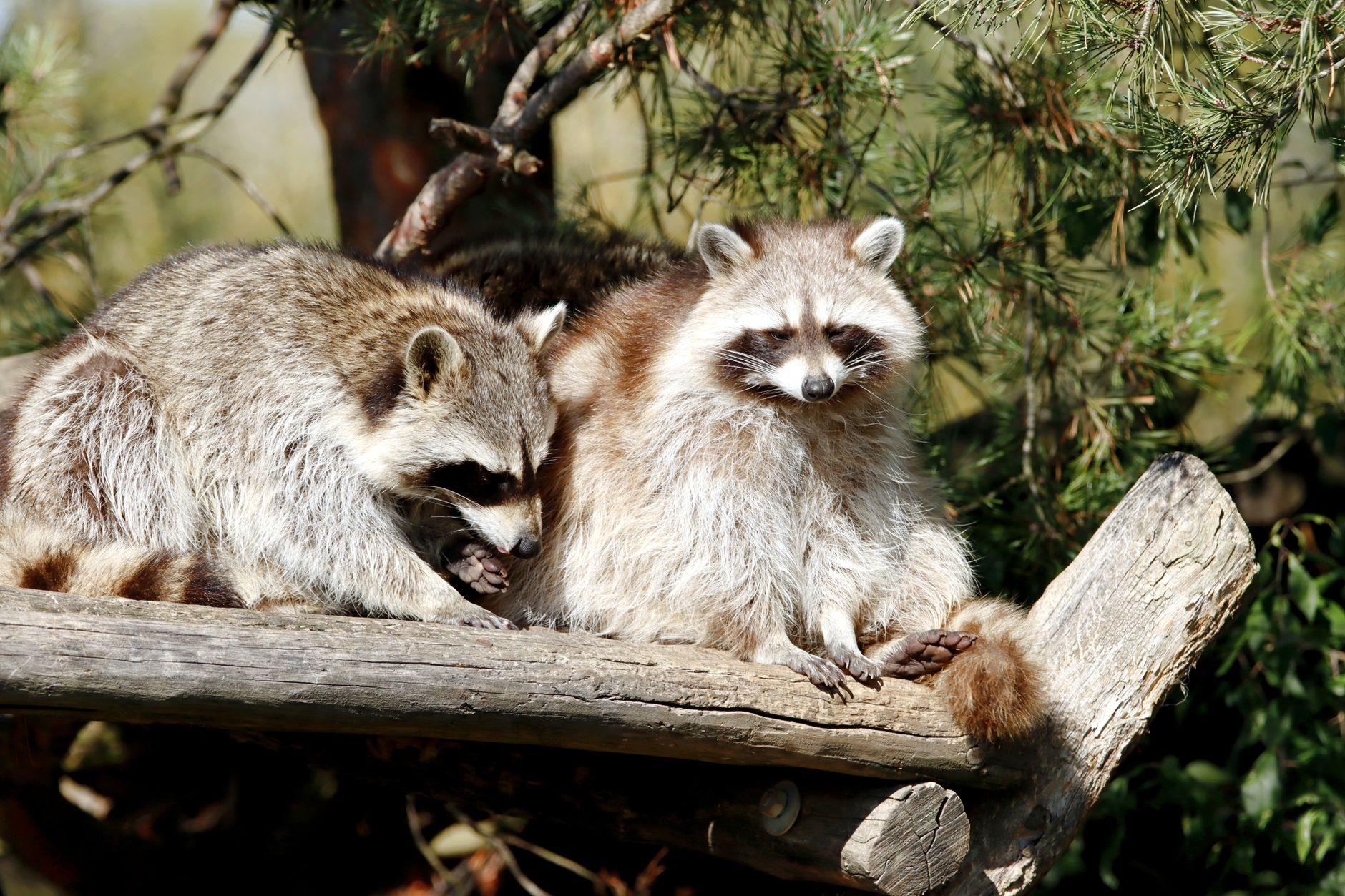
What Do Raccoons Provide? A Surprisingly Complex Answer
Raccoons, often seen as masked bandits, surprisingly offer several ecological benefits, playing a vital role in seed dispersal and insect control and contributing to the balance of their ecosystems. What do raccoons provide? The answer is far more nuanced than simple pest control.

Introduction: More Than Just Trash Pandas
Raccoons, Procyon lotor, are ubiquitous across North America, adapting to urban, suburban, and rural environments with remarkable ease. Often viewed as pests raiding garbage cans, this perception overshadows the important, albeit sometimes indirect, roles these adaptable creatures play within their ecosystems. Understanding what do raccoons provide requires moving beyond the common stereotype and examining their ecological contributions.

What colours are fish most attracted to?
Can you put your finger in a trout's mouth?
Is methylene blue anti bacterial?
Does aquarium salt raise pH in aquarium?
Ecological Roles and Benefits
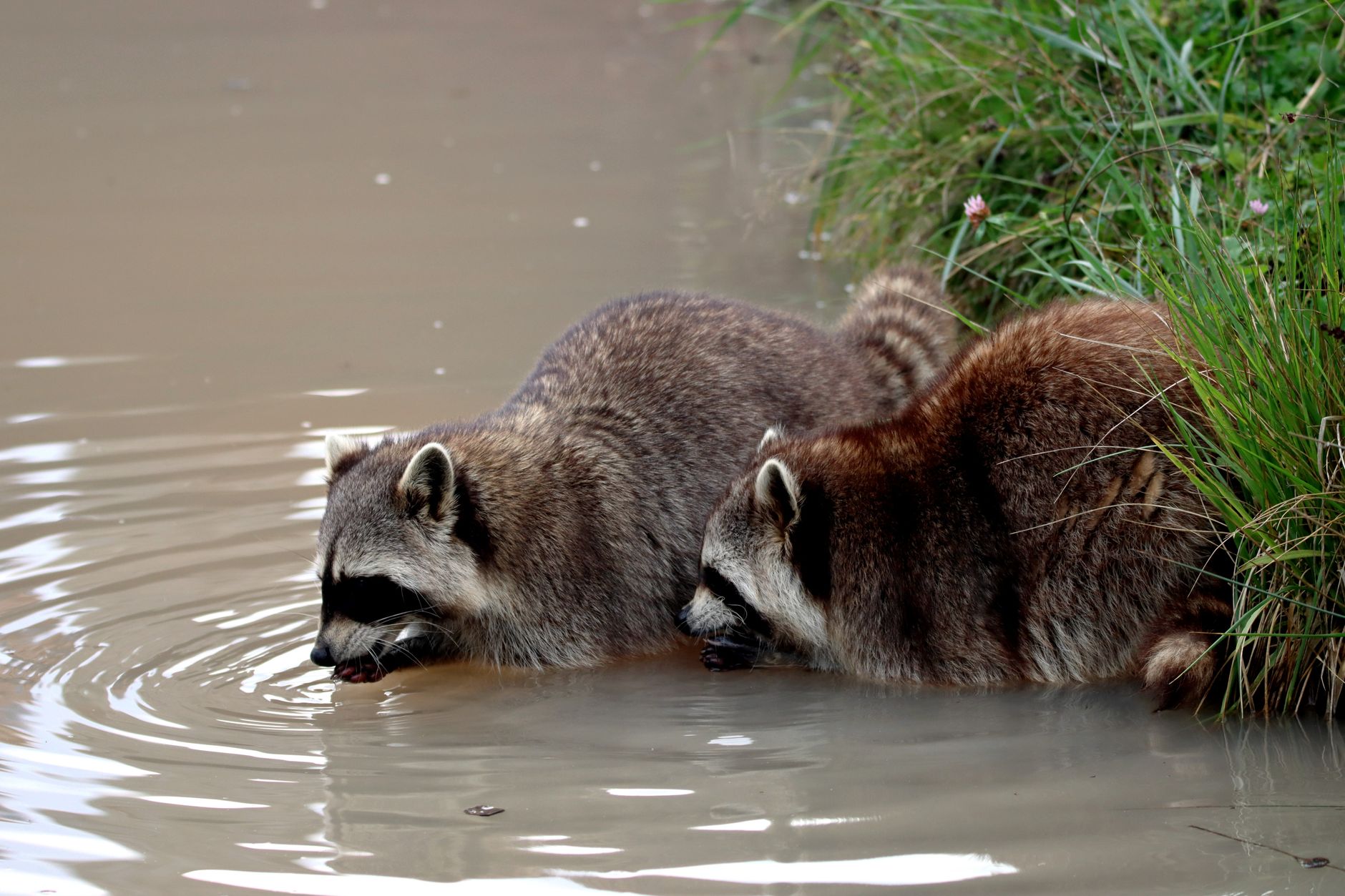
Raccoons, while often causing nuisance issues, are integral to the health of various ecosystems. Their opportunistic omnivory means they interact with a wide range of plant and animal species, impacting food webs and habitat dynamics.
- Seed Dispersal: Raccoons consume fruits and berries, spreading seeds through their droppings as they move across their territories. This aids in the regeneration and dispersal of various plant species, supporting biodiversity.
- Insect Control: As insectivores, raccoons consume large quantities of insects, helping to control populations of potentially harmful pests. They are particularly effective at controlling beetle larvae and other ground-dwelling insects.
- Carrion Consumption: Raccoons are opportunistic scavengers, feeding on carrion. This helps remove decaying organic matter from the environment, reducing the risk of disease spread and maintaining environmental sanitation.
- Prey Species Population Control: While primarily insectivores and frugivores, raccoons also prey on smaller animals, including rodents, birds, and amphibians. This predation helps regulate the populations of these species, preventing imbalances in the food web.
The Impact on Urban Environments
While the ecological benefits are clear in natural environments, the impact of raccoons in urban areas is more complex.
- Positive Impacts:
- Raccoons still contribute to insect control in urban gardens and parks.
- Their scavenging can help reduce food waste in some circumstances.
- Negative Impacts:
- Garbage raids leading to unsanitary conditions.
- Potential for disease transmission (e.g., rabies, raccoon roundworm).
- Property damage due to denning in attics and other structures.
Understanding what do raccoons provide in an urban context requires balancing their positive and negative influences. Management strategies focus on mitigating the negative impacts while recognizing their inherent ecological role.
The Challenge of Coexistence
Coexistence with raccoons, particularly in urban and suburban settings, presents a challenge. Effective strategies focus on minimizing attractants and preventing access to human-dominated spaces.
- Secure Garbage: Use tightly sealed garbage cans to prevent raccoons from accessing food waste.
- Eliminate Food Sources: Avoid leaving pet food or other potential food sources outdoors.
- Seal Entry Points: Seal any potential entry points to homes and other buildings, such as chimneys and vents.
- Use Deterrents: Consider using motion-activated lights or sprinklers to deter raccoons from entering yards.
- Professional Intervention: If raccoon problems persist, consider contacting a wildlife control professional for assistance.
Understanding Raccoon Behavior
Understanding raccoon behavior is crucial for effective management and coexistence. Raccoons are highly intelligent and adaptable, quickly learning to exploit new food sources and shelter opportunities. Their nocturnal habits and keen senses allow them to thrive in diverse environments.
- Nocturnal Activity: Raccoons are primarily active at night, making them less visible to humans during the day.
- Adaptability: Their ability to adapt to various environments allows them to thrive in both urban and rural settings.
- Intelligence: Raccoons are known for their problem-solving abilities, often figuring out how to open containers and access food.
- Dexterity: Their nimble paws allow them to manipulate objects and climb effectively.
The Myth of the ‘Trash Panda’
The label “trash panda” is often used to describe raccoons, emphasizing their perceived nuisance behavior. While it’s true that raccoons can be problematic in urban areas, this label overlooks their broader ecological role. Reframing the narrative to acknowledge their contributions, even alongside the challenges, can promote more informed and compassionate coexistence strategies.
Frequently Asked Questions (FAQs)
What are the biggest dangers raccoons pose to humans?
Raccoons can transmit diseases, notably rabies and raccoon roundworm. Direct contact should be avoided, and any potential exposure warrants immediate medical attention. They can also cause significant property damage, particularly when they den in attics or under decks.
How do raccoons help control insect populations?
As opportunistic omnivores, raccoons consume a large number of insects, including beetles, caterpillars, and other pests. This helps regulate insect populations and reduces the need for chemical pesticides in gardens and agricultural areas.
Do raccoons disperse seeds effectively?
Yes, raccoons are effective seed dispersers. They consume fruits and berries, and the seeds are then dispersed through their droppings. This is particularly important for plant species that rely on animal dispersal for propagation.
Are raccoons considered invasive species anywhere?
While native to North America, raccoons have been introduced to other parts of the world, including Europe and Japan, where they are considered invasive species. Their adaptability and lack of natural predators allow them to outcompete native wildlife and disrupt ecosystems.
What should I do if I find a baby raccoon?
If you find a baby raccoon, do not approach or handle it. Contact a local wildlife rehabilitation center. The mother may be nearby foraging, and the young raccoon may not be orphaned. Handling it yourself can stress the animal and potentially transmit diseases.
What is the best way to keep raccoons out of my garbage?
The most effective way to keep raccoons out of your garbage is to use tightly sealed garbage cans. You can also secure the lids with bungee cords or clamps. Consider storing garbage cans in a shed or garage to further deter access.
Can raccoons be trained or domesticated?
Raccoons are wild animals and should not be kept as pets. They have complex needs and behaviors that are difficult to meet in a domestic setting. Furthermore, keeping raccoons as pets is often illegal.
Are raccoons beneficial to farmers?
Raccoons can be both beneficial and detrimental to farmers. They control insect populations, which can benefit crops. However, they can also damage crops, particularly corn and fruit trees. The net impact depends on the specific context.
How do raccoons contribute to the cleanup of dead animals?
As scavengers, raccoons feed on carrion, which helps remove decaying organic matter from the environment. This reduces the risk of disease spread and maintains environmental sanitation.
What kind of habitat do raccoons prefer?
Raccoons are highly adaptable and can thrive in a variety of habitats, including forests, wetlands, and urban areas. They prefer areas with access to water and a variety of food sources.
Why are raccoons often associated with cities?
Raccoons are often associated with cities because they have adapted to urban environments, where they find abundant food sources and shelter. They are also relatively free from predators in urban areas.
What is the average lifespan of a raccoon in the wild?
The average lifespan of a raccoon in the wild is 2 to 5 years. However, they can live longer in captivity, sometimes reaching 10 years or more. Many factors influence their lifespan, including food availability, predation, and disease.