
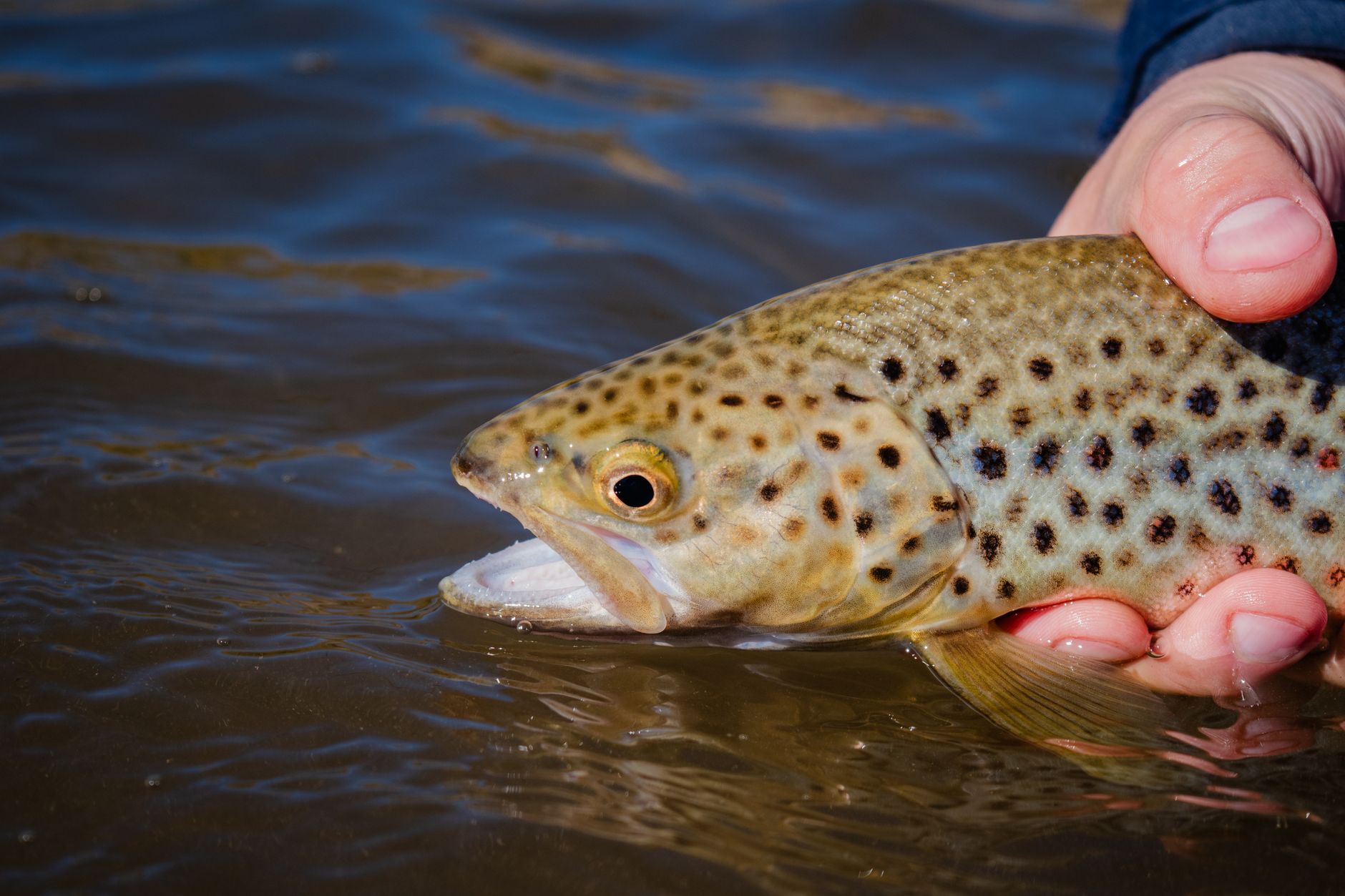
Can You Put Your Finger in a Trout’s Mouth? The Definitive Guide
The answer is a resounding yes, you can put your finger in a trout’s mouth, but whether you should and what you might encounter doing so are important considerations for the fish’s wellbeing and your own safety.

Understanding Trout Anatomy and Behavior
Trout, belonging to the salmonid family, possess a unique anatomy and exhibit behaviors that are crucial to understanding whether can you put your finger in a trout’s mouth.
- Mouth Structure: Trout have relatively soft mouths with rows of small, backward-pointing teeth. These teeth are designed to grip prey and prevent it from escaping, not necessarily to inflict serious damage.
- Gill Rakers: Located on the gill arches, these bony projections filter food particles from the water. While not sharp, they can feel rough.
- Feeding Habits: Trout are opportunistic feeders, consuming insects, crustaceans, and smaller fish. Their feeding behavior often involves inhaling prey quickly.
- Defensive Behavior: When threatened, trout may thrash, bite, or attempt to escape. This behavior is important to consider when handling them.

Is distilled water good for goldfish?
What colours are fish most attracted to?
Is methylene blue anti bacterial?
Does aquarium salt raise pH in aquarium?
Ethical and Practical Considerations

While physically possible, deciding whether can you put your finger in a trout’s mouth involves considering the ethical implications and practical challenges.
- Stress to the Fish: Handling trout, especially inserting a foreign object into their mouth, can cause significant stress, potentially leading to injury or death.
- Slime Coat Damage: Trout have a protective slime coat that helps prevent infection and disease. Handling them can damage this coat, making them vulnerable.
- Potential for Injury: While trout teeth are small, they can still cause minor abrasions. Additionally, a thrashing fish could lead to a hook puncture or other injury.
- The Purpose Matters: Ask yourself why you want to put your finger in a trout’s mouth. Is it necessary for hook removal, or is it merely curiosity?
Safe Handling Techniques
If handling a trout is necessary, prioritizing its wellbeing is essential. Minimizing stress and damage is key. Here are some safe handling techniques:
- Wet Your Hands: Before touching a trout, thoroughly wet your hands to protect its slime coat.
- Use a Rubberized Net: Landing nets coated in rubber are gentler on the fish than traditional nylon nets.
- Keep the Fish in the Water: Whenever possible, keep the fish partially submerged while handling it.
- Support the Fish Properly: Cradle the fish horizontally, supporting its belly to prevent spinal injury.
- Minimize Air Exposure: Limit the amount of time the fish is exposed to air.
- Hook Removal Tools: Use hemostats or forceps to remove hooks, minimizing the need to touch the fish directly.
Understanding Catch and Release Practices
Catch and release fishing is a common practice aimed at conserving fish populations. Effective catch and release relies heavily on minimizing harm to the fish.
| Factor | Importance | Mitigation Strategies |
|---|---|---|
| Hook Type | Barbless hooks reduce injury. | Use barbless or pinch the barb on barbed hooks. |
| Fight Time | Prolonged fights cause stress. | Use appropriate tackle and land fish quickly. |
| Handling Techniques | Rough handling damages slime coat. | Wet hands, use rubberized nets, support the fish. |
| Air Exposure | Depletes oxygen levels. | Minimize time out of water. |
| Water Temperature | Warmer water holds less oxygen. | Avoid fishing during peak heat, revive fish properly. |
Alternatives to Putting Your Finger in a Trout’s Mouth
There are numerous alternatives to putting your finger in a trout’s mouth that are safer for both you and the fish:
- Long-Nosed Pliers: Excellent for reaching deep-set hooks.
- Hook Remover Tools: Specifically designed for safe and efficient hook removal.
- Hemostats: Versatile tools for gripping and manipulating hooks.
- Jaw Spreaders: Useful for keeping the mouth open while removing a hook (use with caution).
- Cut the Line: If a hook is deeply embedded and cannot be removed easily, cutting the line as close to the hook as possible is often the best option. The hook will eventually dissolve or rust away.
Factors to Consider Before Inserting Your Finger
Before deciding if can you put your finger in a trout’s mouth is necessary or safe, consider the following:
- The size of the fish: Smaller fish are more fragile and prone to injury.
- The hook placement: A deeply embedded hook requires more delicate handling.
- Your experience level: Novice anglers may unintentionally cause more harm.
- Available tools: Using appropriate tools can significantly reduce the need for direct contact.
- Water temperature: Trout are more susceptible to stress in warmer water.
- Regulations: Check local fishing regulations regarding catch and release practices.
Frequently Asked Questions (FAQs)
What are the risks of putting my finger in a trout’s mouth?
The risks primarily involve stressing the fish, damaging its protective slime coat, and potentially causing minor injuries to yourself. The fish’s wellbeing should always be the priority.
Can a trout bite my finger off?
No, a trout cannot bite your finger off. While they have teeth, they are small and designed for gripping, not severing. However, they can cause minor abrasions.
Is it illegal to put my finger in a trout’s mouth?
It is generally not illegal to put your finger in a trout’s mouth, but fishing regulations often emphasize the humane treatment of fish, especially in catch and release scenarios. Negligence that harms the fish could be construed as a violation.
What if the hook is deeply embedded?
If the hook is deeply embedded, attempt to remove it with long-nosed pliers or a hook remover. If that fails, cutting the line as close to the hook as possible is often the most humane option.
How can I minimize stress to the fish while handling it?
Keep the fish in the water as much as possible, wet your hands before touching it, use a rubberized net, and support its body properly. Minimize air exposure and handling time.
What is the slime coat and why is it important?
The slime coat is a protective layer on the fish’s skin that prevents infection and disease. Damaging the slime coat makes the fish more vulnerable to parasites and bacteria.
Are barbless hooks better for catch and release?
Yes, barbless hooks are significantly better for catch and release. They cause less damage to the fish’s mouth and are easier to remove.
How long can a trout survive out of water?
Trout can survive out of water for only a very short time, typically just a few minutes. Prolonged air exposure can lead to suffocation and death.
What should I do after releasing a trout?
Gently cradle the fish in the water until it regains its strength and swims away on its own. Ensure it is oriented upright and able to breathe properly.
Does water temperature affect trout survival during catch and release?
Yes, warmer water holds less oxygen, making trout more susceptible to stress during catch and release in warmer temperatures. Avoid fishing during the hottest parts of the day.
Are some trout species more delicate than others?
Generally, smaller trout species are more delicate than larger ones. Handle all trout with care, regardless of species.
What if I accidentally swallow a trout hook?
If you accidentally swallow a trout hook, seek immediate medical attention. Do not attempt to remove it yourself. A doctor will be able to safely remove the hook and prevent complications.