
Where Do Deer Stay During the Day? Unveiling the Secrets of Daytime Deer Behavior
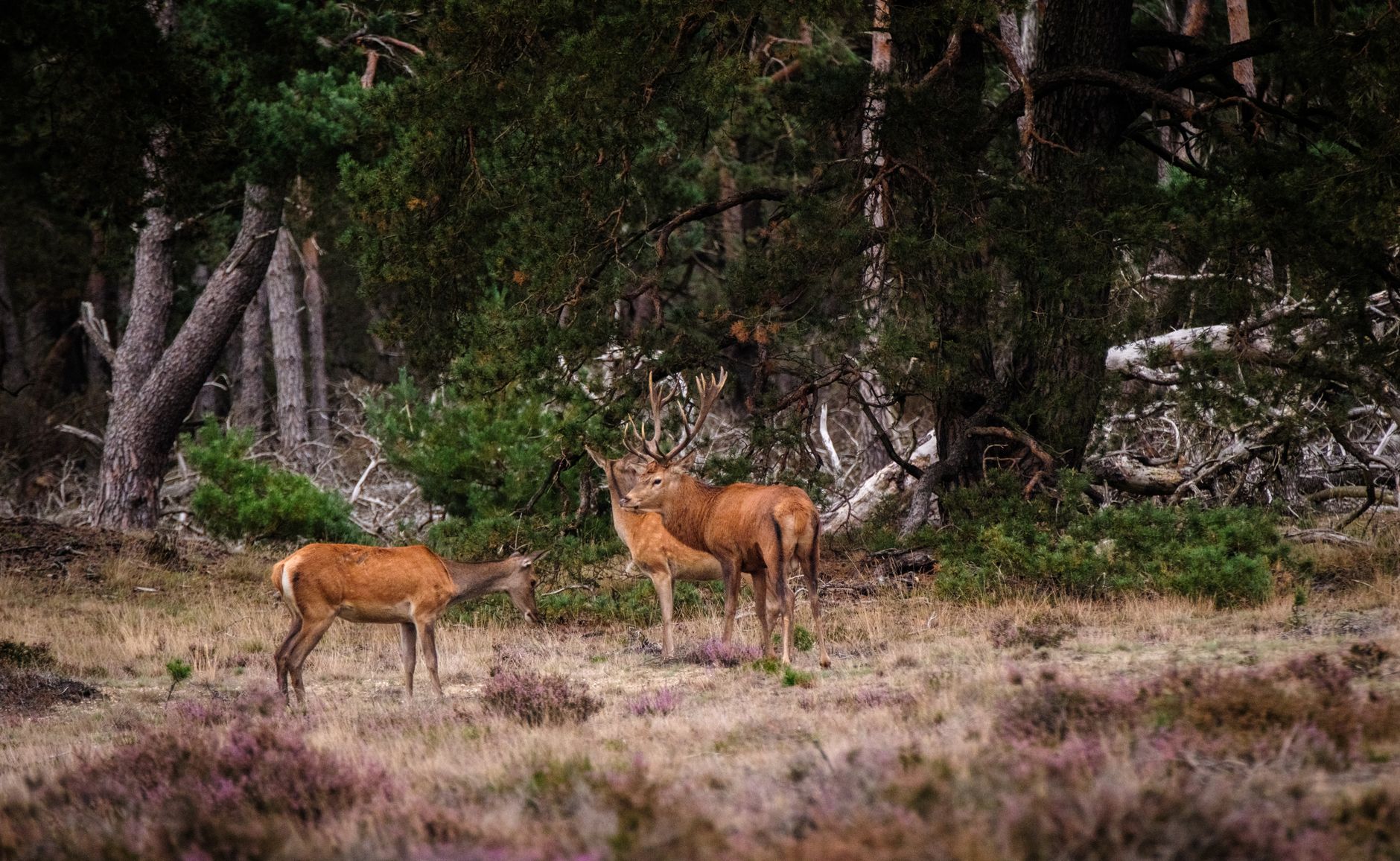
During the day, deer strategically seek out secluded and sheltered locations like dense forests, thickets, and protected bedding areas to rest, ruminate, and avoid detection by predators. Understanding where do deer stay during the day? helps hunters, wildlife enthusiasts, and landowners better manage and appreciate these elusive creatures.
Introduction: The Daily Life of a Deer
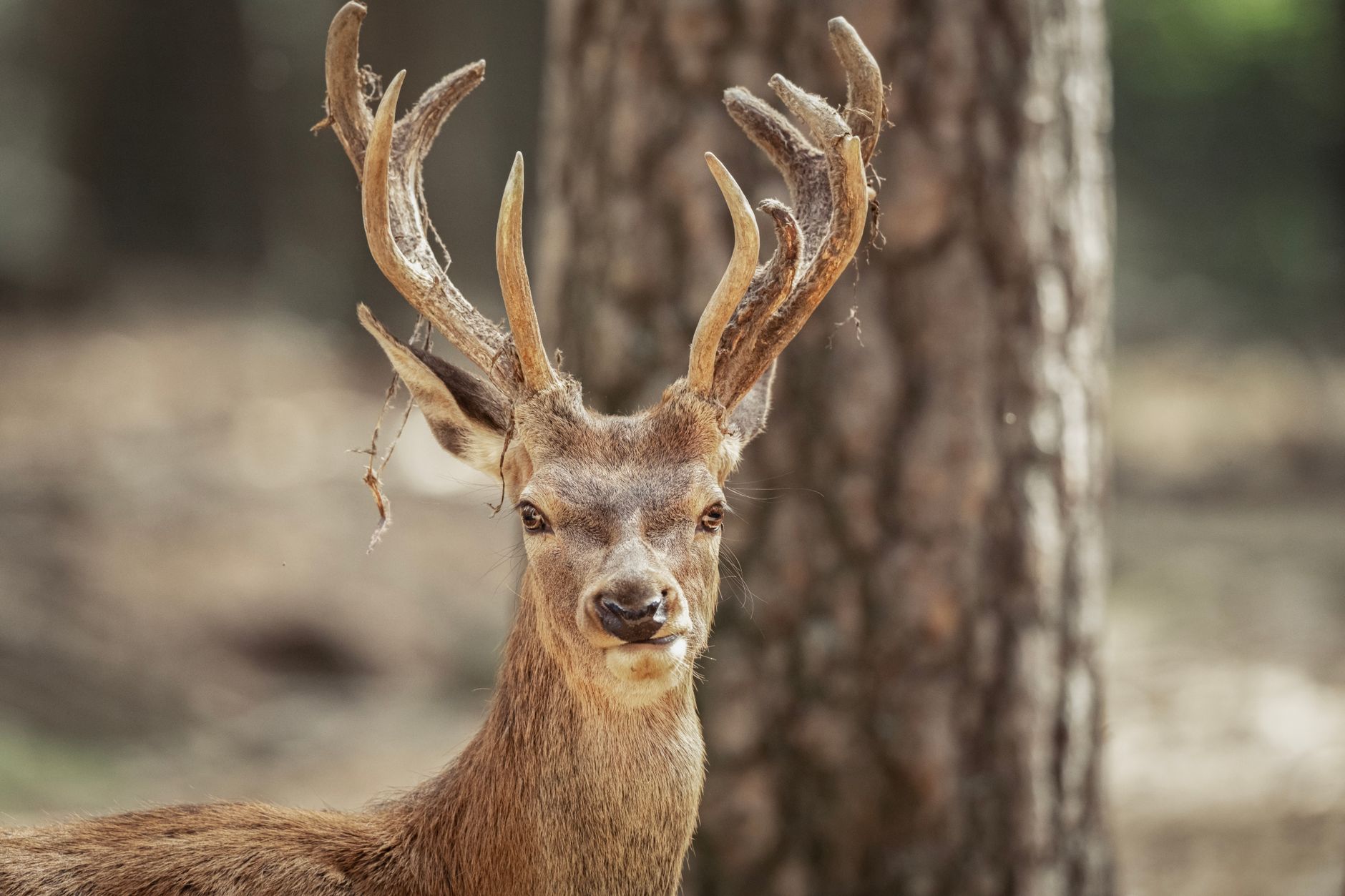
Deer, those graceful denizens of our forests and fields, lead a life dictated by the rhythms of nature. While often associated with dawn and dusk, their daytime behavior is just as crucial to their survival. Understanding where do deer stay during the day? is key to comprehending their overall ecology and behavior. Unlike humans, deer don’t have the luxury of climate-controlled homes. Instead, they rely on natural features and learned behaviors to find suitable daytime resting spots, also known as their bedding areas. These havens provide protection from the elements, camouflage from predators, and a quiet space to digest their food.

Is distilled water good for goldfish?
What colours are fish most attracted to?
Can you put your finger in a trout's mouth?
Is methylene blue anti bacterial?
Factors Influencing Daytime Bedding Locations

Several factors influence where deer stay during the day?, including:
- Season: Deer behavior changes drastically depending on the time of year.
- Weather: Extreme temperatures and precipitation drive deer to seek more specific shelter.
- Predator Pressure: Areas with high predator activity prompt deer to choose more secure bedding locations.
- Food Availability: Proximity to food sources plays a vital role in bedding site selection.
- Human Activity: Deer will avoid areas with frequent human disturbance.
Ideal Daytime Habitats for Deer
Where do deer stay during the day? depends largely on the available habitat. Some common locations include:
- Dense Forests: The canopy provides shade and the undergrowth offers concealment.
- Thickets and Brushy Areas: These offer excellent cover from predators.
- Swamps and Wetlands: The dense vegetation and water provide protection.
- Fields with Tall Grass: Although riskier, these offer proximity to food and, if large enough, can provide visual cover.
- South-Facing Slopes in Winter: These slopes receive more sunlight and offer warmer bedding sites.
- North-Facing Slopes in Summer: These are typically cooler and provide relief from the heat.
Identifying Deer Bedding Areas
Recognizing deer bedding areas can be a valuable skill. Here are some tell-tale signs:
- Depressions in the Vegetation: These are where deer have been lying down repeatedly.
- Tracks and Droppings: These indicate recent deer activity.
- Areas with Flattened Vegetation: This shows where deer have bedded down and disturbed the surroundings.
- Scratches on Trees: Bucks will often rub their antlers on trees near bedding areas.
The Importance of Cover
Cover is paramount for deer survival, especially during the day. Dense vegetation, like:
- Eastern Hemlock: Provides excellent year-round cover.
- Juniper thickets: A thorny deterrent to many predators
- Thorn bushes: Another spiny form of protection
- Mixed stands of trees and shrubs: Offer varied levels of concealment.
Help deer feel secure and hidden, allowing them to rest and ruminate undisturbed. Cover also provides thermal regulation, sheltering deer from harsh weather conditions.
Minimizing Disturbance to Daytime Bedding Areas
It’s crucial to minimize disturbance to deer bedding areas, especially during critical times like the rutting season or when fawns are young. Avoiding these areas during peak daylight hours can help reduce stress on deer populations. Furthermore, responsible land management practices, such as selective logging and controlled burns, can help maintain and improve the quality of deer habitat.
Understanding Bedding Patterns During Hunting Season
During hunting season, deer often alter their bedding patterns to avoid detection. They may seek out even more secluded and less accessible areas, making them harder to find. Understanding these shifts in behavior is crucial for hunters looking to ethically and successfully harvest deer. Scouting before the season and paying close attention to signs of deer activity can help hunters identify these altered bedding locations.
Frequently Asked Questions (FAQs)
Why do deer sleep during the day?
Deer are crepuscular, meaning they are most active at dawn and dusk. This behavior allows them to avoid the heat of the day and minimize encounters with both predators and humans. During the day, they need to conserve energy for these active periods, thus spending their time resting in secure bedding areas.
Do deer always stay in the same bedding area?
No, deer don’t always stay in the same bedding area. They may move to different locations based on changing weather conditions, food availability, predator presence, and human activity. They often have multiple bedding sites within their home range and will rotate between them.
How far do deer travel from their bedding area to feed?
The distance deer travel from their bedding area to feed depends on several factors, including the abundance and distribution of food, the deer’s individual needs, and the surrounding habitat. Typically, they might travel anywhere from a few hundred yards to a mile or more, depending on the circumstances.
What makes a good deer bedding area?
A good deer bedding area provides adequate cover from predators and the elements, is relatively undisturbed by human activity, and is located near food and water sources. Ideal spots are dense, thick, and provide visual security.
Do bucks and does bed in the same areas?
During most of the year, bucks and does may bed in separate areas. However, during the rut (mating season), they will often be found together. Does with young fawns will also often seek out more secluded and secure bedding areas to protect their offspring.
How can I improve deer habitat on my property?
You can improve deer habitat by creating and maintaining dense cover, providing a diverse range of food sources, and ensuring access to water. Planting native shrubs and trees, conducting selective logging, and implementing controlled burns can all help enhance deer habitat.
What role does thermal cover play in deer bedding?
Thermal cover provides protection from extreme temperatures. In the winter, deer seek out areas that offer protection from wind and snow, such as dense evergreen stands. In the summer, they seek out shady areas to escape the heat. Thermal cover is crucial for maintaining body temperature and conserving energy.
Are deer more likely to bed in thickets or open areas?
Deer are generally more likely to bed in thickets or other areas with dense cover. These areas provide better concealment from predators and protection from the elements. However, they may occasionally bed in open areas if they feel secure and the food source is plentiful.
How does hunting pressure affect deer bedding behavior?
Hunting pressure can significantly affect deer bedding behavior. Deer may become more wary and selective about their bedding locations, choosing more secluded and difficult-to-access areas. They may also alter their bedding patterns to avoid areas where they have encountered hunters.
Can I use trail cameras to identify deer bedding areas?
Yes, trail cameras can be a valuable tool for identifying deer bedding areas. By placing cameras in areas with dense cover, near known food sources, or along travel corridors, you can monitor deer activity and identify potential bedding sites.
What time of day are deer most likely to be in their bedding areas?
Deer are most likely to be in their bedding areas during the middle of the day, typically from late morning until late afternoon. They are also likely to be in their bedding areas during the night, except for brief periods when they emerge to feed.
How does the lunar cycle impact where do deer stay during the day?
The lunar cycle can indirectly influence deer bedding habits. Brighter nights during a full moon may encourage deer to feed more extensively at night, leading them to bed down in more secluded areas during the day to avoid detection. The degree of this influence can vary based on local environmental conditions and deer population characteristics.