

Why Do Dogs Play Tug of War? Exploring the Canine Love for Pulling
Tug of war is a natural and enriching game for dogs driven by their instinctual drive to hunt, chase, and engage in friendly competition, offering physical exercise, mental stimulation, and opportunities for bonding with their humans. Why do dogs play tug of war? It’s a confluence of genetic programming and social interaction.

Understanding the Roots of Tug of War
Tug of war, at its core, taps into a dog’s primal instincts. Long before domestication, canids needed to hunt to survive. The act of seizing prey, shaking it, and pulling it apart was crucial for procuring food. While domesticated dogs don’t rely on hunting for sustenance, the drive remains embedded in their DNA.
- Prey Drive Fulfillment: Tug of war allows dogs to simulate aspects of the hunting sequence, satisfying their natural urge to grab, hold, and tug.
- Dominance and Resource Holding: In a pack environment, possessing resources (like food or toys) can be a sign of status. Tug of war can, to some extent, mimic this competition, though it’s essential to establish clear rules to avoid reinforcing negative dominance behaviors.
- Fun and Exercise: Beyond instinct, dogs simply find tug of war enjoyable. It provides a vigorous physical workout and a stimulating mental challenge.

What colours are fish most attracted to?
Can you put your finger in a trout's mouth?
Is methylene blue anti bacterial?
Does aquarium salt raise pH in aquarium?
The Benefits of Tug of War
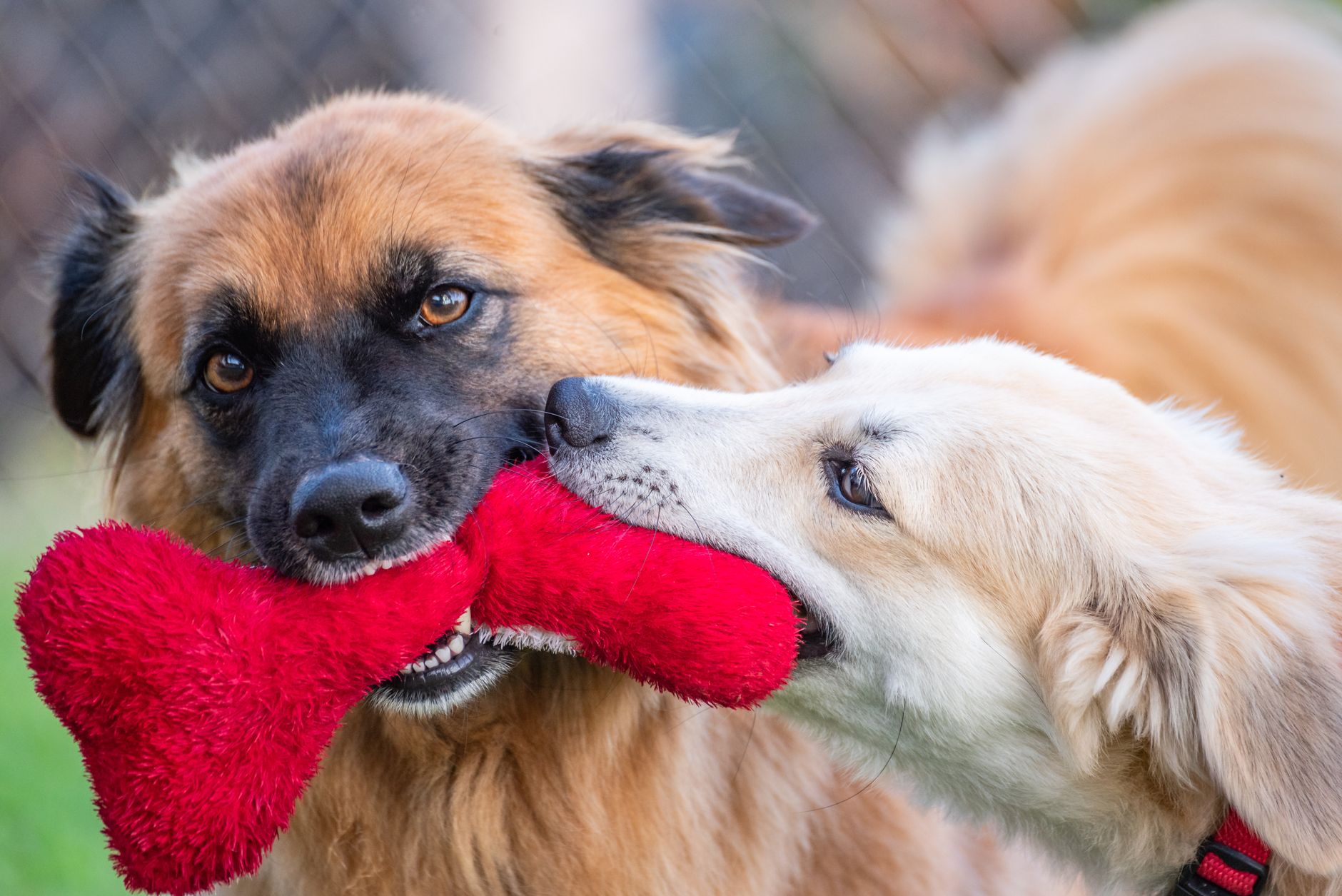
When played correctly, tug of war offers a wealth of benefits for both the dog and the owner. It’s not just about pulling; it’s about interaction, communication, and controlled energy release.
- Physical Exercise: Provides a robust cardiovascular workout, strengthening muscles and burning calories.
- Mental Stimulation: Requires focus, problem-solving (how to grip and pull effectively), and impulse control (waiting for the “go” signal).
- Bonding and Relationship Building: Creates a shared experience and strengthens the connection between dog and owner through play.
- Training Opportunity: Teaches valuable commands like “take,” “drop,” and “leave it” in a fun and engaging context.
- Confidence Building: Allows dogs to experience success and mastery, which can be particularly beneficial for shy or insecure dogs.
Mastering the Tug of War Process
To ensure tug of war is a positive and safe experience, it’s crucial to establish clear rules and follow a structured approach.
- Establish Control: Before starting, ensure your dog knows basic commands like “sit,” “stay,” and “leave it.”
- Introduce the Toy: Present the tug toy and encourage your dog to grab it. Use a verbal cue like “take.”
- The Tug: Gently tug on the toy, allowing your dog to pull back. Maintain a moderate level of resistance.
- The “Drop”: At any point, say “drop” or “leave it” and stop tugging. Your dog should release the toy. Reward immediately when they comply.
- End on a Positive Note: Always finish the game before your dog loses interest or becomes overly excited.
- Toy Storage: Store the tug toy out of reach when not in use to maintain its value and prevent unsupervised play.
Common Mistakes to Avoid
While tug of war is generally safe, certain mistakes can lead to problems.
- Aggressive Play: If your dog growls, snaps, or becomes overly aggressive, stop the game immediately. Consult a professional trainer if these behaviors persist.
- Possessive Aggression: Avoid playing tug if your dog has a history of resource guarding or possessive aggression.
- Rough Play with Puppies: Be gentle when playing tug with puppies to avoid damaging their developing teeth and jaws.
- Allowing Chewing: Prevent your dog from chewing on the toy during the game. The focus should be on tugging, not destruction.
- Letting the Dog “Win” Every Time: While it’s okay to let your dog win occasionally, consistently losing can diminish your authority and make the game less enjoyable for you.
When to Avoid Tug of War
Tug of war isn’t appropriate for all dogs. Consider these factors before engaging in the game:
- Dogs with aggression issues: Tug of war can exacerbate aggression in dogs already prone to it.
- Puppies with loose teeth: Avoid tugging too vigorously with puppies who are still teething.
- Dogs with certain medical conditions: Consult your veterinarian if your dog has neck or back problems before playing tug of war.
Frequently Asked Questions (FAQs)
Why do dogs play tug of war and enjoy it so much?
Dogs enjoy tug of war because it satisfies their innate prey drive, allows them to engage in physical and mental exercise, and strengthens their bond with their human companions.
Is tug of war a game that encourages aggression in dogs?
No, tug of war doesn’t inherently encourage aggression when played with clear rules and boundaries. In fact, it can be a fantastic way to expend energy and build a better bond!
How do I teach my dog to “drop” the tug toy reliably?
Consistently reward your dog with a high-value treat immediately after they drop the toy. Practice the “drop” command separately, and gradually incorporate it into the tug of war game.
What kind of toy is best for tug of war?
The best tug toys are durable, easy to grip, and made of soft materials like fleece or rope to prevent injury. Avoid using old clothes or items that your dog might confuse with acceptable chewing toys.
Can I play tug of war with my puppy?
Yes, but be gentle and mindful of their developing teeth and jaws. Use soft toys and avoid excessive force. Short play sessions are best.
How long should a tug of war session last?
Keep tug of war sessions relatively short, around 5-10 minutes, to maintain your dog’s interest and prevent overexertion.
My dog growls during tug of war. Is this normal?
Growling during tug of war is not always a sign of aggression. It can be a sign of excitement. However, pay close attention to your dog’s body language. If the growling is accompanied by other signs of aggression (e.g., stiff body, bared teeth), stop the game immediately.
How do I prevent my dog from becoming too possessive of the tug toy?
Store the tug toy out of reach when not in use. Only bring it out when you’re ready to play. This helps to establish that you control the toy and prevents your dog from becoming overly possessive.
What are some alternative games I can play with my dog if tug of war isn’t suitable?
Alternatives include fetch, hide-and-seek, puzzle toys, and obedience training. These activities offer mental and physical stimulation without the potential risks associated with tug of war in certain dogs.
How do I know if my dog is enjoying tug of war?
Signs that your dog is enjoying tug of war include enthusiastic engagement, wagging tail, playful vocalizations, and a relaxed body posture when not actively tugging.
Is it okay to let my dog “win” at tug of war?
Yes, it’s perfectly fine, and even beneficial, to let your dog win sometimes. It builds their confidence and makes the game more enjoyable. However, maintain control by occasionally winning as well to reinforce your leadership.
Why do dogs play tug of war and refuse to let go, even when I say “drop”?
This indicates a lack of training in the “drop” command. Return to basic training, using high-value rewards to reinforce the desired behavior. Consistency is key.