

Why Do Rabbits Destroy Their Cage?
Rabbits destroy their cages primarily due to instinctual behaviors, such as digging and chewing, boredom, and inadequate enrichment. Understanding these motivations is crucial for providing a happy and healthy environment for your bunny.

Understanding the Root Causes of Cage Destruction
Rabbits, despite their cuddly appearance, are complex creatures with deeply ingrained instincts. Why do rabbits destroy their cage? It’s rarely an act of malice, but rather a manifestation of unmet needs and natural behaviors. Understanding these needs is the first step towards preventing destructive tendencies.

What colours are fish most attracted to?
Can you put your finger in a trout's mouth?
Is methylene blue anti bacterial?
Does aquarium salt raise pH in aquarium?
The Power of Instinct: Digging and Chewing
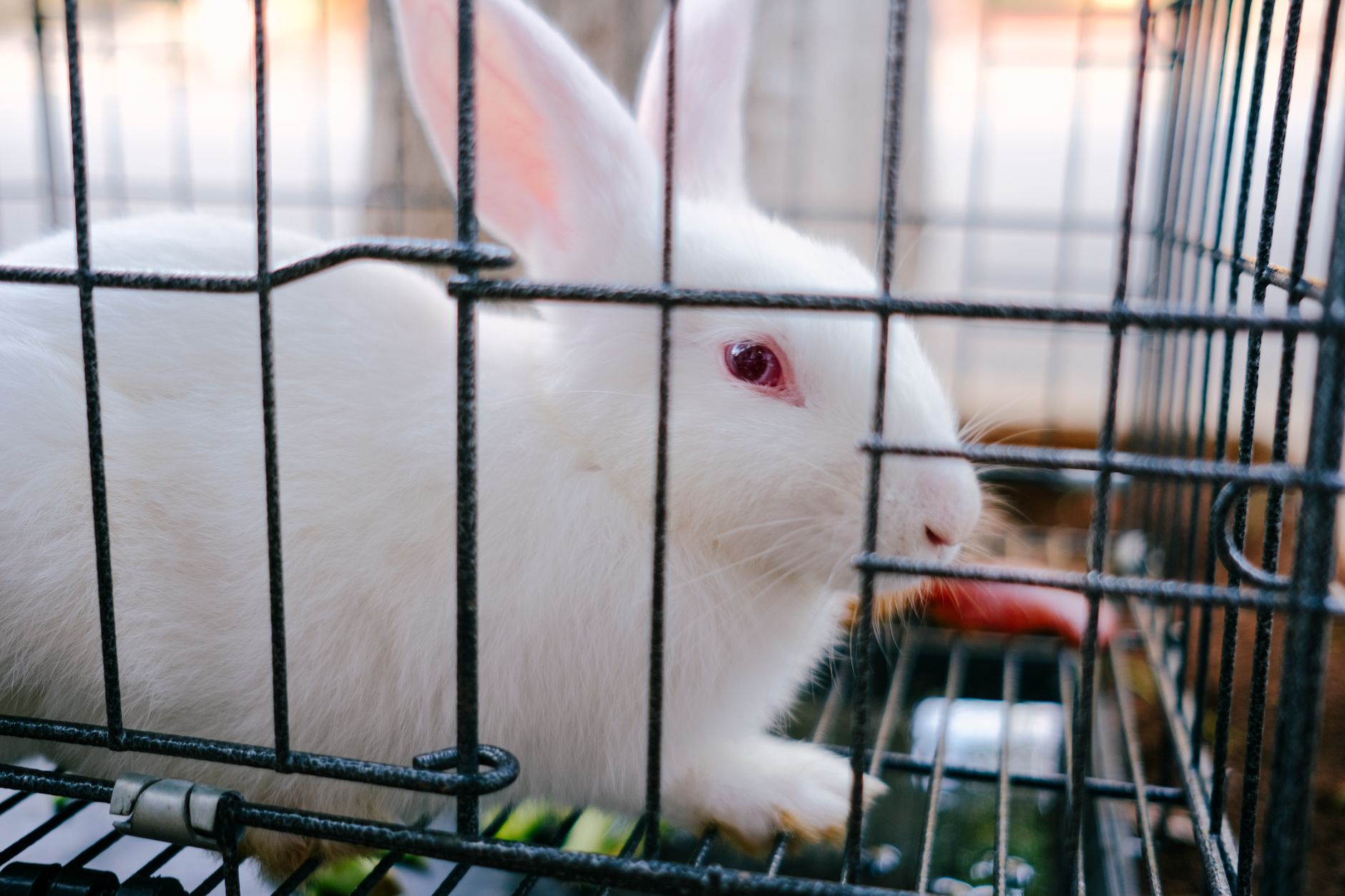
Digging is an inherent behavior in rabbits. In the wild, they create burrows for shelter, nesting, and escaping predators. A cage floor, therefore, can become an irresistible target. Similarly, chewing is essential for rabbits to maintain their dental health. Their teeth continuously grow, and gnawing on various materials helps to prevent overgrowth and potential dental problems. The cage itself, particularly plastic or wooden components, becomes a tempting chew toy.
The Crushing Weight of Boredom: Mental and Physical Stimulation
Rabbits are intelligent and active animals. Confinement to a small, barren cage can lead to severe boredom, frustration, and stress. This can manifest as destructive behaviors, including incessant cage chewing and digging. A bored rabbit is an unhappy rabbit, and a destructive rabbit is often a bored one.
Inadequate Enrichment: Meeting a Rabbit’s Needs
Enrichment is crucial for a rabbit’s well-being. A lack of appropriate toys, social interaction, and opportunities for exercise can exacerbate destructive behaviors. Rabbits need mental stimulation and physical outlets to thrive.
Identifying Triggers: What Makes a Rabbit More Likely to Destroy Their Cage?
Several factors can trigger or worsen cage-destroying behavior:
- Small Cage Size: Insufficient space restricts movement and contributes to boredom.
- Lack of Toys: Without appropriate chew toys and activities, rabbits will turn to the cage itself.
- Loneliness: Rabbits are social animals and can become destructive if kept in isolation.
- Underlying Medical Issues: Pain or discomfort can manifest as unusual behaviors, including cage destruction. A vet visit can rule out these issues.
- Stressful Environment: Loud noises, aggressive pets, or frequent changes in routine can trigger anxiety and destructive behaviors.
Prevention is Key: Solutions to Curb Destructive Behavior
Addressing the underlying causes of cage destruction is the best approach.
- Provide a Large and Engaging Cage: Choose a cage that is significantly larger than what you initially thought your rabbit would need. The bigger, the better. Consider a rabbit-proofed room or a large pen instead of a traditional cage.
- Offer a Variety of Toys: Rotate toys regularly to keep your rabbit engaged. Options include:
- Cardboard boxes
- Willow balls
- Hard plastic baby toys (ensure safe for chewing)
- Tunnels
- Digging boxes filled with shredded paper or hay
- Rabbit-Proof the Environment: Protect electrical cords, furniture legs, and anything else your rabbit might chew.
- Consider a Companion: If possible, consider getting your rabbit a spayed/neutered companion. Rabbits often thrive in pairs.
- Provide Plenty of Hay: Hay is essential for a rabbit’s diet and dental health. Ensure a constant supply of fresh hay.
- Spend Quality Time With Your Rabbit: Interact with your rabbit daily through petting, playing, and grooming.
- Rabbit-Proof Cages and Baseboards: You can cover baseboards with plastic guards or wood to prevent chewing. Some owners use pet-safe grilles to protect the cage’s edges.
Choosing the Right Cage: Materials and Design
The type of cage also plays a role in preventing destruction.
- Wire cages are generally more durable than plastic cages.
- Cages with solid bottoms are preferable to wire bottoms to prevent sore hocks (ulcerated feet). Cover the solid bottom with soft bedding.
- Avoid cages with easily chewed plastic parts. Replace them with metal alternatives if possible.
Training and Positive Reinforcement
Training can be an effective way to redirect destructive behaviors. Use positive reinforcement, such as treats and praise, to reward desired behaviors. Redirect chewing by offering an appropriate chew toy whenever you see your rabbit chewing on the cage.
When to Seek Professional Help
If you’ve tried various solutions and your rabbit continues to destroy its cage, consult with a veterinarian or a rabbit behaviorist. They can help identify any underlying medical or behavioral issues that may be contributing to the problem.
Frequently Asked Questions (FAQs)
Is it normal for rabbits to chew on their cage?
Yes, it is normal for rabbits to chew, as it is a natural behavior necessary for their dental health. However, chewing specifically on the cage often indicates boredom, lack of enrichment, or inadequate chewing alternatives.
How can I stop my rabbit from chewing the bars of its cage?
Provide plenty of safe chew toys, such as willow balls, cardboard boxes, and wooden blocks. Ensure the cage is large enough and that your rabbit gets plenty of exercise and playtime. You can also try covering the bars with a pet-safe bitter spray.
Why does my rabbit dig at the bottom of its cage?
Digging is a natural instinct for rabbits. They dig to create burrows in the wild. Provide a digging box filled with shredded paper or hay to redirect this behavior. Make sure the bottom of your cage is solid, not wire.
Is it cruel to keep a rabbit in a cage?
Keeping a rabbit in a small, barren cage can be considered cruel as it restricts their natural behaviors and can lead to boredom and stress. However, a large, enriched cage or a rabbit-proofed room that allows for ample exercise and enrichment is acceptable.
What kind of toys do rabbits like?
Rabbits enjoy a variety of toys, including cardboard boxes, willow balls, tunnels, hard plastic baby toys (ensure they’re safe), and digging boxes. Rotate the toys regularly to keep them interesting.
Why is my rabbit suddenly destroying its cage?
A sudden change in behavior could indicate a medical problem, stress, or a change in environment. Consult with a veterinarian to rule out any underlying medical conditions. Observe your rabbit’s behavior for any signs of stress or discomfort.
How much space does a rabbit need in its cage?
A rabbit needs at least four times its size in cage space to hop around comfortably. However, the bigger the better. Ideally, a rabbit should have access to a large pen or a rabbit-proofed room.
Can I use a spray to stop my rabbit from chewing?
Yes, you can use a pet-safe bitter spray to deter your rabbit from chewing on the cage. Always test the spray on a small area first to ensure it doesn’t stain or damage the surface.
Does my rabbit need a companion?
Rabbits are social animals and often benefit from having a companion. However, it’s important to introduce rabbits slowly and carefully to ensure they get along. Ideally, a spayed/neutered male and a spayed female make the best pair.
What if my rabbit is destroying furniture outside of the cage?
Rabbit-proof your home by covering electrical cords, protecting furniture legs, and providing plenty of chew toys. Redirect your rabbit’s chewing by offering an appropriate toy whenever you see it chewing on furniture.
How can I make my rabbit’s cage more interesting?
Add toys, tunnels, platforms, and hiding places to your rabbit’s cage. Rotate the toys regularly and provide fresh hay daily. Consider adding a digging box filled with shredded paper or hay.
Why do rabbits destroy their cage, even with toys?
Even with toys, a rabbit may still destroy its cage if the toys aren’t appealing or aren’t rotated frequently enough. The rabbit may also be experiencing high levels of stress or anxiety, or the cage may simply be too small. Review cage size, enrichment options, and your rabbit’s environment.