
Why is my Goldfish Digging in the Rocks? Decoding the Behavior
Your goldfish digging in the rocks is often a natural foraging behavior as they search for food particles, but it can also signal other issues such as poor water quality or a need for environmental enrichment. Why is my goldfish digging in the rocks? It is likely due to these common reasons!
Understanding Goldfish Foraging Behavior
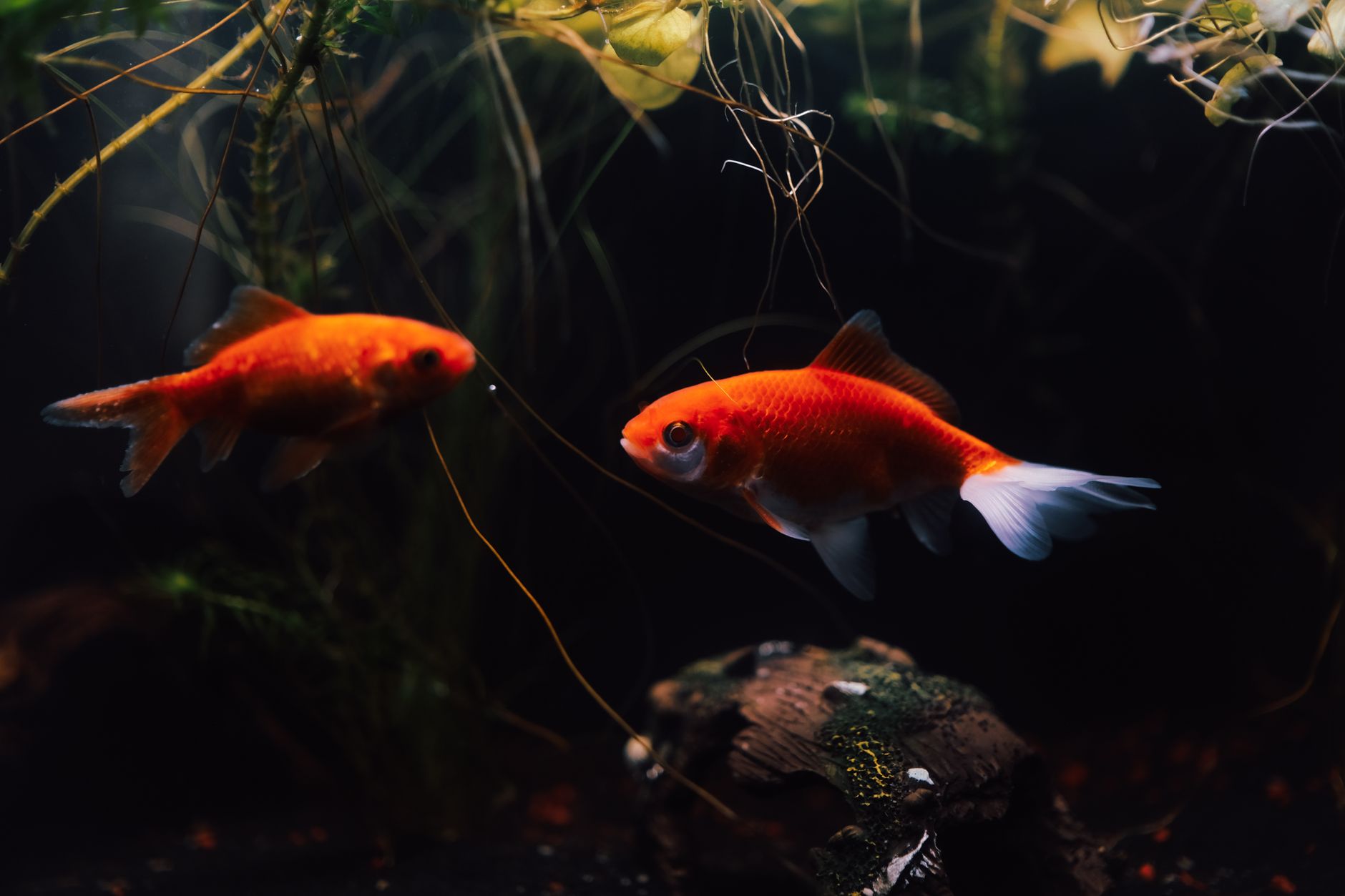
Goldfish are naturally inclined to scavenge for food. Their anatomy reflects this: they lack teeth in their throat and instead use pharyngeal teeth to grind food after sucking it up from the substrate. This explains why they often sift through gravel or sand in search of missed food particles.
- Instinctive Behavior: Digging is a deeply ingrained instinct in goldfish.
- Inefficient Feeding: They aren’t always the most efficient eaters, leading to leftover food on the bottom.
- Natural Environment: In the wild, they forage constantly, a behavior they retain in captivity.

What is the GREY African clawed frog?
What colours are fish most attracted to?
Can you put your finger in a trout's mouth?
Is methylene blue anti bacterial?
Ruling Out Other Potential Causes

While foraging is the most common reason why is my goldfish digging in the rocks?, several other factors can contribute to this behavior:
- Poor Water Quality: High levels of ammonia, nitrites, or nitrates can stress goldfish, leading to unusual behaviors.
- Lack of Enrichment: A bare or boring tank can lead to digging as a form of stimulation.
- Spawning Behavior: During breeding season, goldfish may dig to create nests. This is less common in aquariums but possible.
- Illness or Parasites: Though less likely to directly cause digging, underlying health issues can manifest as unusual behaviors.
Addressing the Digging Behavior
If you’re concerned about why is my goldfish digging in the rocks?, here’s how to address it:
- Test Your Water: Use a reliable test kit to check ammonia, nitrite, and nitrate levels. Aim for 0 ppm ammonia and nitrite, and as low as possible nitrate (ideally below 20 ppm).
- Improve Water Quality: Perform regular partial water changes (25-50% weekly) to maintain good water parameters.
- Optimize Feeding: Feed your goldfish small amounts 2-3 times a day, ensuring they consume all the food within a few minutes. Consider sinking pellets to minimize surface feeding and reduce air ingestion.
- Provide Enrichment:
- Add plants (real or artificial) to provide hiding places and visual interest.
- Introduce smooth, rounded rocks for them to explore.
- Consider a larger tank to give them more space to roam.
- Observe for Other Symptoms: Look for signs of illness, such as clamped fins, lethargy, or skin lesions. Consult a veterinarian if you suspect a health problem.
Choosing the Right Substrate
The type of substrate you use can also influence digging behavior.
| Substrate Type | Pros | Cons |
|---|---|---|
| Large Gravel | Easier to clean; prevents goldfish from swallowing small pieces. | Food can get trapped in between, promoting algae growth. |
| Small Gravel | More natural look; provides a place for beneficial bacteria to colonize. | Goldfish can accidentally ingest it, leading to impaction. |
| Sand | Safe for goldfish; allows for natural foraging behavior. | Requires more frequent cleaning; can become compacted and anaerobic. |
| Bare Bottom | Easiest to clean; eliminates the risk of impaction. | Less aesthetically pleasing; provides no enrichment for the goldfish. |
Common Mistakes
- Overfeeding: Leading to excess food accumulating in the substrate.
- Infrequent Water Changes: Allowing harmful toxins to build up.
- Ignoring Warning Signs: Failing to address underlying health issues.
- Using Sharp or Small Gravel: Posing a risk of injury or impaction.
Frequently Asked Questions (FAQs)
Why is my goldfish digging frantically, and is it normal?
Frantic digging can indicate a more pressing issue. While some digging is normal, excessive or frantic digging may point to stress, poor water quality, or an urgent need for food. Check your water parameters and ensure you are feeding appropriately.
Can goldfish choke on rocks?
Yes, goldfish can choke on small gravel or rocks. It’s crucial to use a substrate that is either too large to be ingested or fine sand that can be easily passed. Avoid small, sharp gravel.
Does digging harm goldfish?
Digging itself isn’t harmful unless the substrate is sharp or the fish ingests it. However, the underlying cause of the digging could be harmful (e.g., poor water quality).
Should I be concerned if my goldfish is only digging in one area of the tank?
Localized digging may indicate that food is consistently settling in that area. It could also be a sign of uneven water flow or an accumulation of waste. Clean that specific area more thoroughly during water changes.
What are the best substrates for goldfish to prevent digging problems?
Large, smooth river rocks are a good option, as they are too large to be ingested and easy to clean. Fine sand is also a safe alternative, but requires regular maintenance to prevent compaction. A bare bottom tank is another safe (though less visually appealing) option.
How often should I clean the substrate in my goldfish tank?
You should clean the substrate during every water change. Use a gravel vacuum to remove debris and uneaten food. Avoid over-cleaning, as this can disrupt the beneficial bacteria colony.
Can plants help reduce digging behavior in goldfish?
Yes, plants can help reduce digging by providing enrichment and a more natural environment. Anubias and Java Fern are hardy plant species that do well with goldfish. However, be aware that goldfish may still nibble at plants.
How can I tell if my goldfish is digging due to boredom or stress?
If the digging is accompanied by other symptoms of stress, such as clamped fins, lethargy, or erratic swimming, it’s likely due to boredom or poor water quality. Address these issues by improving water parameters, providing enrichment, and ensuring adequate tank size.
Is it possible that my goldfish is digging because it is pregnant or trying to lay eggs?
While goldfish don’t get “pregnant” in the traditional sense, during spawning season, they may exhibit digging behavior as part of the mating ritual. This is more common in outdoor ponds but can occur in aquariums as well.
What is the ideal water temperature for goldfish to minimize digging behavior?
Goldfish are cold-water fish and thrive in temperatures between 68-74°F (20-23°C). Extremes in temperature can cause stress and potentially trigger unusual behaviors, including digging.
What foods are best to prevent excess food buildup in the substrate?
Sinking pellets are generally better than flakes, as they are less likely to float around and decompose on the surface or get trapped in the substrate. High-quality goldfish pellets that are easily digestible will also reduce waste production.
My goldfish is digging in the corners of the tank, why is my goldfish digging in the rocks? Is this significant?
Digging in the corners often indicates an accumulation of debris in those areas. It could also signify that the goldfish is seeking a sense of security or hiding from strong currents. Ensure adequate filtration and thoroughly clean the corners during water changes.