
How Do I Add Oxygen to My Goldfish Water? Maximizing Oxygen Levels for Happy Fish
Adding oxygen to your goldfish water is essential for their health and well-being. Here’s how do I add oxygen to my goldfish water?: primarily through surface agitation, using air pumps with air stones, or by maintaining healthy aquatic plants.

The Importance of Oxygen in Goldfish Aquariums
Goldfish, like all fish, require dissolved oxygen to breathe. Understanding the factors that affect oxygen levels in your aquarium is crucial for their survival. Insufficient oxygen can lead to stress, illness, and even death. Knowing how do I add oxygen to my goldfish water? is perhaps the most important aspect of keeping happy fish.
- Background: Goldfish consume oxygen dissolved in the water, just as humans breathe air. A healthy aquarium environment has a balanced oxygen cycle.
- Why Goldfish Need More Oxygen: Goldfish have a relatively high metabolic rate, meaning they consume oxygen at a faster rate than some other fish species. They are also messy eaters, which can lead to waste buildup and further oxygen depletion.
- Signs of Oxygen Deficiency: Look for signs such as goldfish gasping at the surface, lethargy, reduced appetite, or staying near the water’s surface.
- Factors Affecting Oxygen Levels: Water temperature, surface area, and the presence of aquatic plants all play a role. Warmer water holds less oxygen, while a larger surface area allows for better gas exchange.

Can fish hear water?
Do carbon filters remove water hardness?
How do they put trackers on sea turtles?
What is the GREY African clawed frog?
Methods for Adding Oxygen to Goldfish Water

There are several effective methods to increase the oxygen content in your goldfish tank:
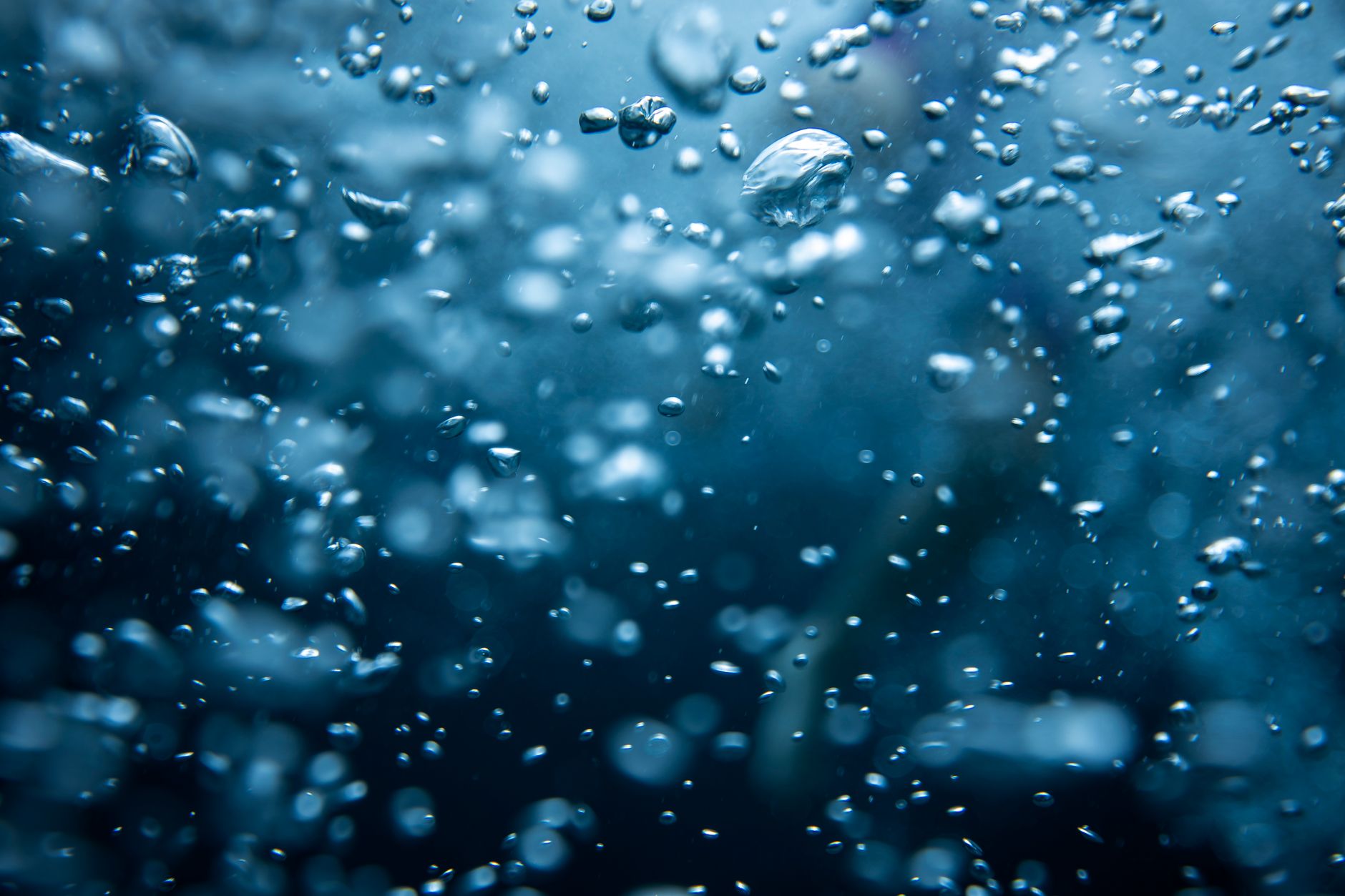
- Air Pumps and Air Stones: This is the most common and reliable method. The air pump pushes air through an air stone, creating bubbles that agitate the water surface and facilitate oxygen absorption.
- Components: Air pump, airline tubing, air stone.
- Process: Connect the tubing to the pump and stone, place the stone in the tank, and plug in the pump.
- Water Circulation and Surface Agitation: Using a filter that creates surface movement can also increase oxygen levels. A canister filter, hang-on-back filter, or powerhead can all be effective.
- Process: Ensure the filter output is directed towards the water surface, creating ripples and movement.
- Aquatic Plants: Live aquatic plants produce oxygen through photosynthesis during daylight hours. Anacharis (Elodea) and Hornwort are good choices for goldfish tanks, although they may be eaten by the fish.
- Benefits: Oxygen production, natural filtration, aesthetic appeal.
- Considerations: Goldfish may nibble on plants, so choose hardy varieties and provide supplemental food.
- Water Changes: Regular water changes not only remove waste but also replenish oxygen levels.
- Frequency: Perform partial water changes (25-50%) weekly or bi-weekly.
- Benefits: Removes nitrates, replenishes minerals, increases oxygen.
- Wave Makers: Creates strong currents that agitate the water surface and increase oxygen exchange. Primarily used in larger tanks.
Comparison of Oxygenation Methods
| Method | Pros | Cons | Suitability |
|---|---|---|---|
| Air Pump & Air Stone | Reliable, cost-effective, provides continuous oxygenation | Can be noisy, requires maintenance | All tank sizes |
| Water Circulation | Multi-functional (filtration and oxygenation), less noisy than air pump | May not be sufficient for heavily stocked tanks | All tank sizes |
| Aquatic Plants | Natural, aesthetically pleasing, provides filtration | Goldfish may eat plants, requires light | All tank sizes |
| Water Changes | Removes waste, replenishes minerals, easy to implement | Requires regular commitment | All tank sizes |
| Wave Maker | Creates strong current, efficient oxygenation | Primarily for larger tanks | Larger tank sizes |
Common Mistakes When Adding Oxygen
- Underestimating Oxygen Needs: Goldfish have a higher oxygen demand than many other fish species.
- Overcrowding: Overcrowding leads to increased waste production and decreased oxygen levels.
- Insufficient Surface Agitation: Ensure adequate surface movement to facilitate gas exchange.
- Neglecting Water Changes: Regular water changes are essential for maintaining healthy oxygen levels.
- Using Incorrect Equipment: Choosing an air pump that is too small for the tank size.
- Not cleaning the air stone: Air stones can clog and lose efficiency over time. Clean or replace them regularly.
How do I add oxygen to my goldfish water?: A Quick Guide
In essence, how do I add oxygen to my goldfish water is a process of promoting surface agitation to facilitate gas exchange. The combination of an air pump with air stones, along with regular partial water changes, often provides the best results for a healthy goldfish tank. Remember to observe your fish for signs of oxygen stress and adjust your methods accordingly.
Frequently Asked Questions (FAQs)
How much oxygen do goldfish need?
Goldfish thrive best when dissolved oxygen levels are maintained at least 6 parts per million (ppm). Ideally, you should aim for levels closer to 7 or 8 ppm. It is advisable to test your water parameters regularly using a test kit.
Can too much oxygen hurt my goldfish?
While it’s difficult to overdose on oxygen in an aquarium, extremely high oxygen levels can potentially cause gas bubble disease (embolism), although this is very rare in home aquariums using typical aeration methods.
What happens if my goldfish don’t get enough oxygen?
If your goldfish aren’t getting enough oxygen, they will exhibit symptoms such as gasping at the water surface, lethargy, decreased appetite, and staying near the water’s surface. Severe oxygen deprivation can lead to death.
Does tank size affect the amount of oxygen my goldfish need?
Yes. A larger tank will naturally have a greater surface area for gas exchange, and the same number of fish will likely deplete oxygen at a slower rate compared to a smaller tank. However, both large and small tanks may require supplemental oxygenation via methods like air pumps and air stones.
Are aquatic plants enough to oxygenate a goldfish tank?
While aquatic plants contribute to oxygen levels through photosynthesis, they may not provide sufficient oxygen on their own, especially during nighttime hours when photosynthesis ceases. They are a great addition but shouldn’t be relied on as the sole source of oxygen, especially in densely populated goldfish tanks.
How often should I change the water in my goldfish tank?
The frequency of water changes depends on tank size, the number of goldfish, and filtration efficiency. Generally, weekly to bi-weekly partial water changes (25-50%) are recommended. Test water parameters regularly to determine the best schedule.
What kind of air pump should I use for my goldfish tank?
Choose an air pump that is appropriately sized for your tank. Consider the tank volume and the recommended flow rate of the pump. A pump that is too small won’t provide sufficient oxygenation.
How do I clean my air stone?
Air stones can become clogged with algae and debris, reducing their effectiveness. To clean them, soak them in a solution of diluted bleach (1 part bleach to 10 parts water) for 30 minutes, then rinse thoroughly with dechlorinated water before returning them to the tank.
Does water temperature affect oxygen levels?
Yes, warmer water holds less dissolved oxygen than cooler water. During warmer months, you may need to increase oxygenation by adding an air pump or ensuring adequate water circulation. Goldfish do best at cooler temperatures (68-74°F), which also encourages greater oxygen saturation.
Can I use hydrogen peroxide to add oxygen to my goldfish tank?
While some people suggest using hydrogen peroxide (H2O2) to temporarily boost oxygen levels, it’s not recommended for long-term or regular use. H2O2 can be harmful to fish if not used carefully and in very small quantities. Air pumps and water changes are much safer and more reliable methods.
How can I tell if my filter is providing enough surface agitation?
If your filter’s output is creating noticeable ripples and movement on the water surface, it is likely providing adequate surface agitation. If the surface is still and calm, consider adjusting the filter’s position or adding an air stone.
What’s the best way to monitor oxygen levels in my goldfish tank?
The most accurate way to monitor oxygen levels is to use a dissolved oxygen test kit, which can be purchased at most pet stores. These kits provide a measurement of oxygen levels in ppm (parts per million). Regular testing will help you ensure that your goldfish are getting enough oxygen. Knowing how do I add oxygen to my goldfish water? will help keep your fish healthy.