

How to Protect Your Citrus: Stopping Birds from Feasting on Your Oranges
Keep birds from eating your oranges by employing strategies like netting, visual deterrents, auditory repellents, and providing alternative food sources; effectively deterring birds requires a multi-pronged approach, ensuring your precious citrus remains untouched.
Introduction: The Sweet Temptation of Your Orange Crop
The sight of vibrant oranges hanging heavy on your trees is a rewarding one. However, that reward can quickly turn sour when you discover birds are helping themselves to your harvest. Birds, especially certain species like mockingbirds, orioles, and finches, are drawn to the sweet juice of ripe oranges. This article delves into practical and humane methods to address the question: How do I keep birds from eating my oranges? Protecting your citrus crop is essential for ensuring a bountiful harvest and preventing damage to your trees.

What colours are fish most attracted to?
Can you put your finger in a trout's mouth?
Is methylene blue anti bacterial?
Does aquarium salt raise pH in aquarium?
Understanding Why Birds Target Oranges

Before diving into solutions, it’s crucial to understand why birds are attracted to your oranges in the first place. This will help you select the most effective deterrent methods.
- Sweetness: Ripe oranges are a readily available source of sugar, providing birds with essential energy, particularly during breeding season or migration.
- Moisture: Especially in dry climates, oranges offer a vital source of hydration.
- Accessibility: Oranges hanging on branches are easily accessible, making them a convenient food source.
- Color: The bright orange color of ripe fruit is visually appealing to birds, attracting them from a distance.
Proven Methods to Deter Birds from Your Oranges
How do I keep birds from eating my oranges? Here are several effective methods:
-
Netting:
- The most reliable method is to cover your orange trees with bird netting.
- Ensure the netting is properly installed, fully enclosing the tree and preventing birds from accessing the fruit.
- Choose a netting with a small mesh size to prevent birds from getting caught.
- Consider using reusable, durable netting for long-term protection.
-
Visual Deterrents:
- Employ shiny, reflective materials like bird scare tape, CDs, or pinwheels. The movement and reflection of light disorient and scare birds.
- Hang fake predators like plastic owls or hawks in the tree. Move them periodically to prevent birds from becoming accustomed to them.
- Use brightly colored ribbons or streamers to create visual disturbances.
-
Auditory Repellents:
- Utilize ultrasonic bird repellers that emit sounds unpleasant to birds but are generally inaudible to humans.
- Play recordings of bird distress calls or predator sounds to scare birds away. Vary the sounds regularly to maintain effectiveness.
-
Physical Barriers:
- Apply bird repellent gel to branches near the oranges. This sticky substance is unpleasant for birds to touch. Be sure to apply it in a way that it doesn’t harm the birds.
-
Provide Alternative Food Sources:
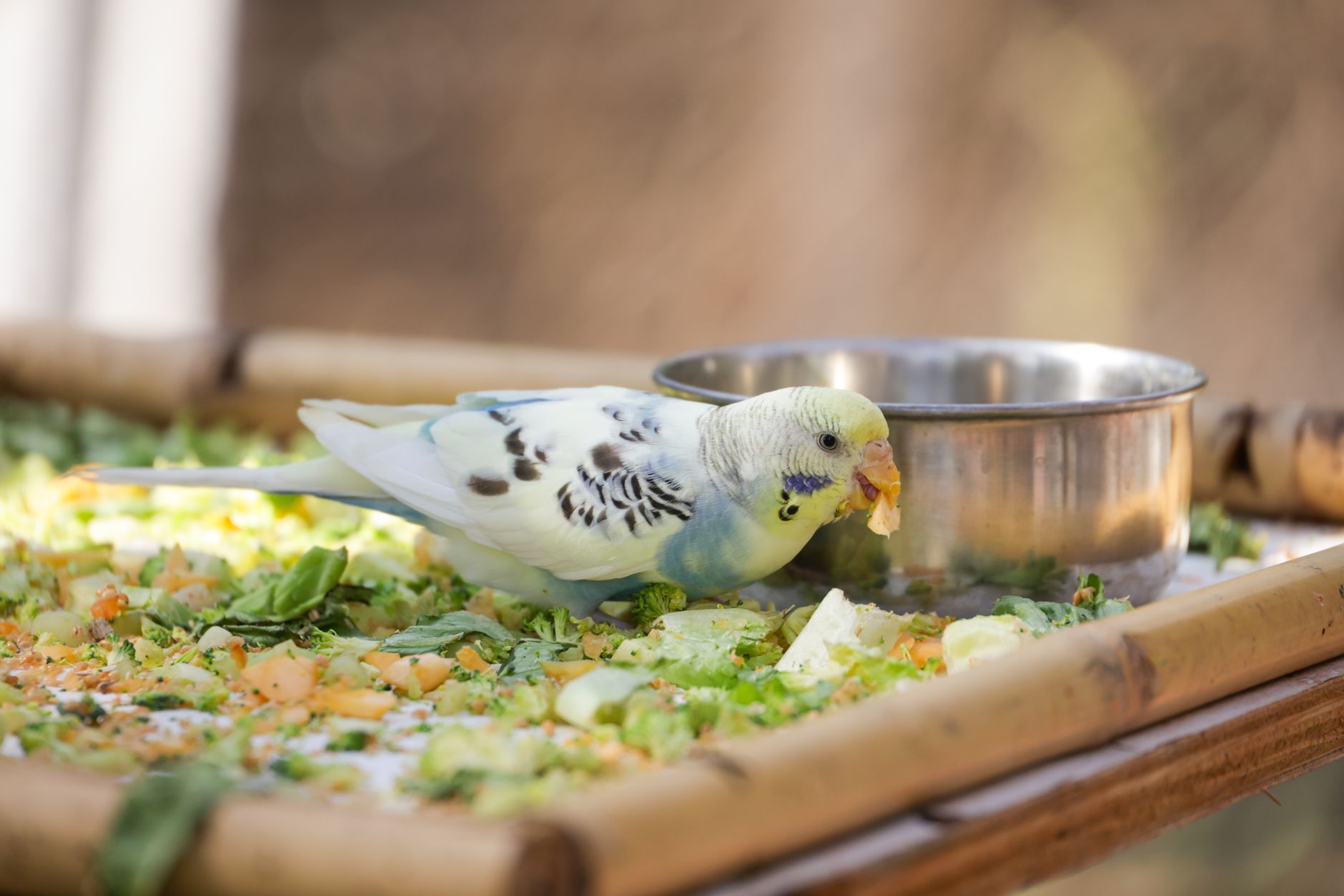
- Offer birds a dedicated feeding station with seeds, berries, and water away from your orange trees. This may divert their attention and reduce their interest in your fruit.
- Plant native berry-producing shrubs and trees to attract birds to alternative food sources in your yard.
Combining Methods for Enhanced Protection
Often, the most effective strategy is to combine several methods to create a comprehensive bird deterrent system. For example, using netting in conjunction with visual deterrents can significantly reduce bird damage.
Important Considerations for Humane Bird Deterrence
It’s vital to deter birds humanely, ensuring their safety and well-being while protecting your oranges.
- Avoid harmful traps or poisons. These methods are unethical and can harm or kill birds, as well as potentially endangering other wildlife or pets.
- Regularly check your deterrents to ensure they are working effectively and are not causing any harm to birds.
- Choose deterrents that are specific to birds and will not affect other animals.
- Be patient and persistent. It may take time to find the right combination of deterrents that work for your specific situation.
Comparative Table: Bird Deterrent Methods
| Method | Effectiveness | Cost | Humane | Maintenance |
|---|---|---|---|---|
| Netting | High | Medium | Yes | Moderate |
| Visual Deterrents | Medium | Low | Yes | Low |
| Auditory Repellents | Medium | Medium | Yes | Low |
| Physical Barriers | Medium | Medium | Yes | Moderate |
| Alt. Food Source | Medium | Low | Yes | Moderate |
Common Mistakes to Avoid
When trying to deter birds from your oranges, avoid these common pitfalls:
- Relying on only one method. Birds are intelligent and can quickly adapt to a single deterrent.
- Not maintaining deterrents. Visual and auditory deterrents need to be regularly moved or changed to remain effective.
- Using harmful or inhumane methods. These methods are unethical and can have unintended consequences.
- Ignoring the underlying cause. Addressing factors like water scarcity or lack of alternative food sources can make deterrents more effective.
- Waiting too long to implement deterrents. It’s best to start deterring birds before they develop a habit of feeding on your oranges.
Long-Term Strategies for Bird Management
For long-term success, consider these strategies:
- Planting bird-resistant orange varieties. Some citrus varieties are less appealing to birds.
- Pruning trees to make oranges less accessible. Open canopies make it harder for birds to reach the fruit.
- Creating a balanced ecosystem in your yard. A healthy ecosystem can provide birds with a variety of food sources, reducing their reliance on your oranges.
Frequently Asked Questions (FAQs)
What types of birds are most likely to eat my oranges?
Several species are known to damage citrus fruits. Mockingbirds, orioles, finches, and house sparrows are common culprits. The specific species will vary depending on your geographic location. Knowing which birds are targeting your oranges can help you tailor your deterrent methods.
Are there any orange varieties that birds don’t like?
While no orange variety is completely bird-proof, some varieties are less attractive to birds than others. Thick-skinned oranges like Navel oranges, tend to be less appealing than thinner-skinned varieties like Valencia oranges. Researching local citrus varieties and their susceptibility to bird damage is recommended.
Will scarecrows work to keep birds away?
Scarecrows can be somewhat effective initially, but birds often quickly become accustomed to them. To improve their effectiveness, move the scarecrow frequently and add other visual or auditory deterrents to your arsenal. Also, ensure the scarecrow is dressed appropriately for the environment.
How often should I move visual deterrents?
Move visual deterrents like bird scare tape, CDs, or fake predators every few days to prevent birds from becoming habituated to them. The element of surprise is key to their effectiveness. A schedule can be made to remind you to move them every few days.
Do ultrasonic bird repellers really work?
The effectiveness of ultrasonic bird repellers is debatable. While some people report success, others find them ineffective. It’s essential to choose a repeller designed for the specific birds you’re trying to deter and to position it correctly. It may be more effective when combined with other methods.
Is it safe to use bird repellent gel on my orange trees?
Yes, bird repellent gel is generally considered safe for birds when used correctly. It’s non-toxic and designed to be unpleasant but not harmful. Apply it to branches and other surfaces where birds perch, avoiding direct contact with the fruit.
How do I install bird netting properly?
Cover the entire tree, ensuring the netting extends to the ground and is securely fastened. Use stakes or weights to prevent the netting from blowing away. Regularly inspect the netting for tears or gaps that birds could exploit.
Can I use noisemakers to scare birds away?
Noisemakers like firecrackers or air horns can be effective in the short term, but they are often disturbing to neighbors and can violate local ordinances. Consider quieter auditory deterrents like recordings of bird distress calls.
What if I find a bird trapped in my netting?
Carefully untangle the bird from the netting as gently as possible. If the bird is injured, contact a local wildlife rehabilitation center for assistance. Consider adjusting your netting to prevent future entrapment.
Will removing bird feeders from my yard help?
While removing bird feeders may reduce the overall number of birds in your yard, it may not completely solve the problem. Birds may still be attracted to your oranges as a convenient food source. Combining feeder removal with other deterrents is often necessary.
How do I know if my bird deterrent methods are working?
Regularly inspect your orange trees for signs of bird damage. Look for pecked or missing oranges. If you notice a decrease in damage after implementing deterrents, it’s a sign that they are working. If the damage continues, you will need to adjust the methods.
What else can I do to protect my orange trees?
Maintain the overall health of your trees by providing adequate water, fertilizer, and pruning. Healthy trees are better able to withstand bird damage. Also, consider enlisting help from local gardening services to ensure tree health.