
Water Changes with Fish: Keeping Your Aquatic Friends Healthy
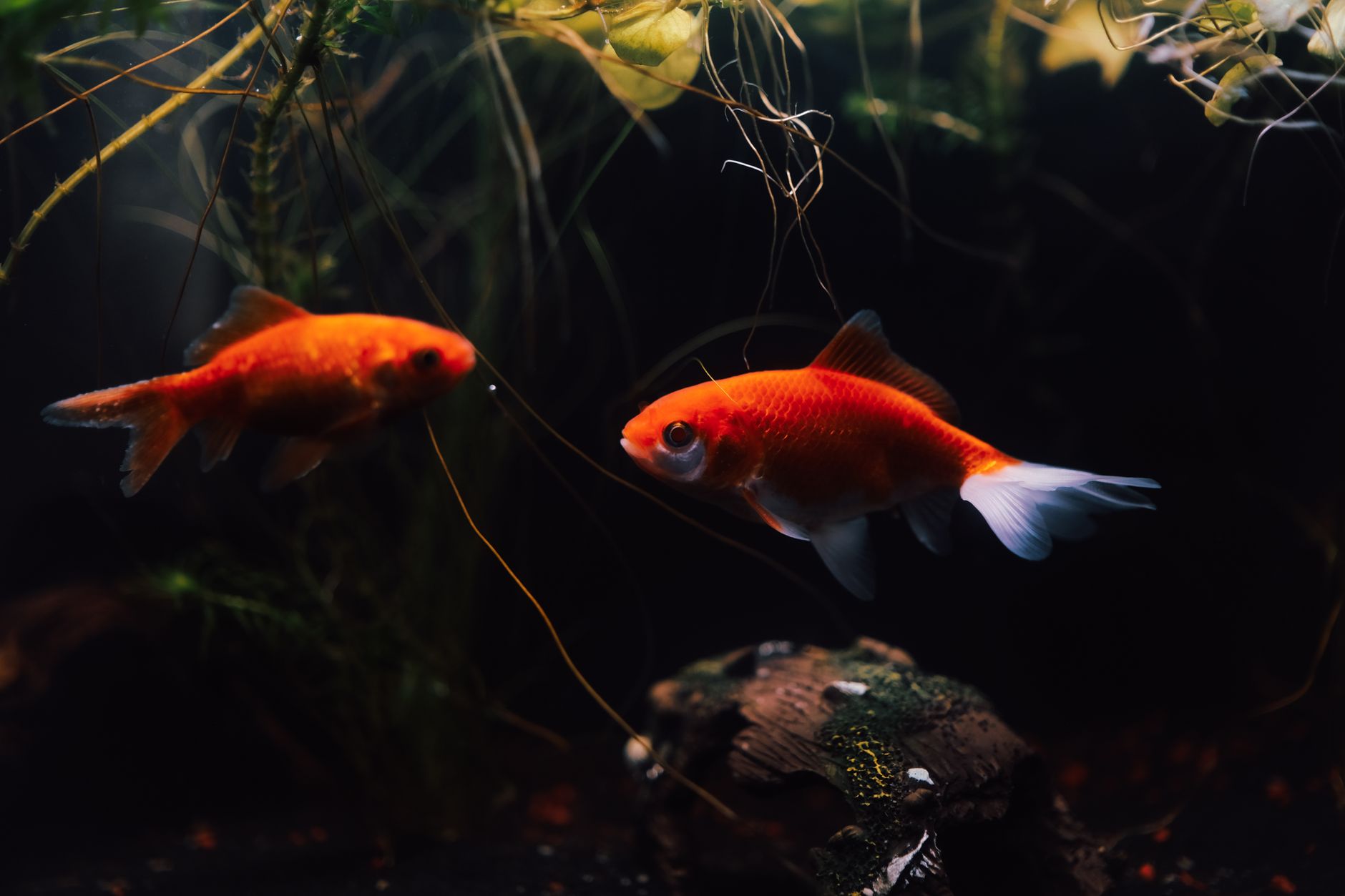
Can you do a water change with fish in the tank? Absolutely! The short answer is, yes, italic you can italic do a water change with fish in the tank, and it’s often the italic recommended and safest method italic for routine aquarium maintenance. A well-executed water change is vital for the health of your aquatic ecosystem.
Why Water Changes are Essential
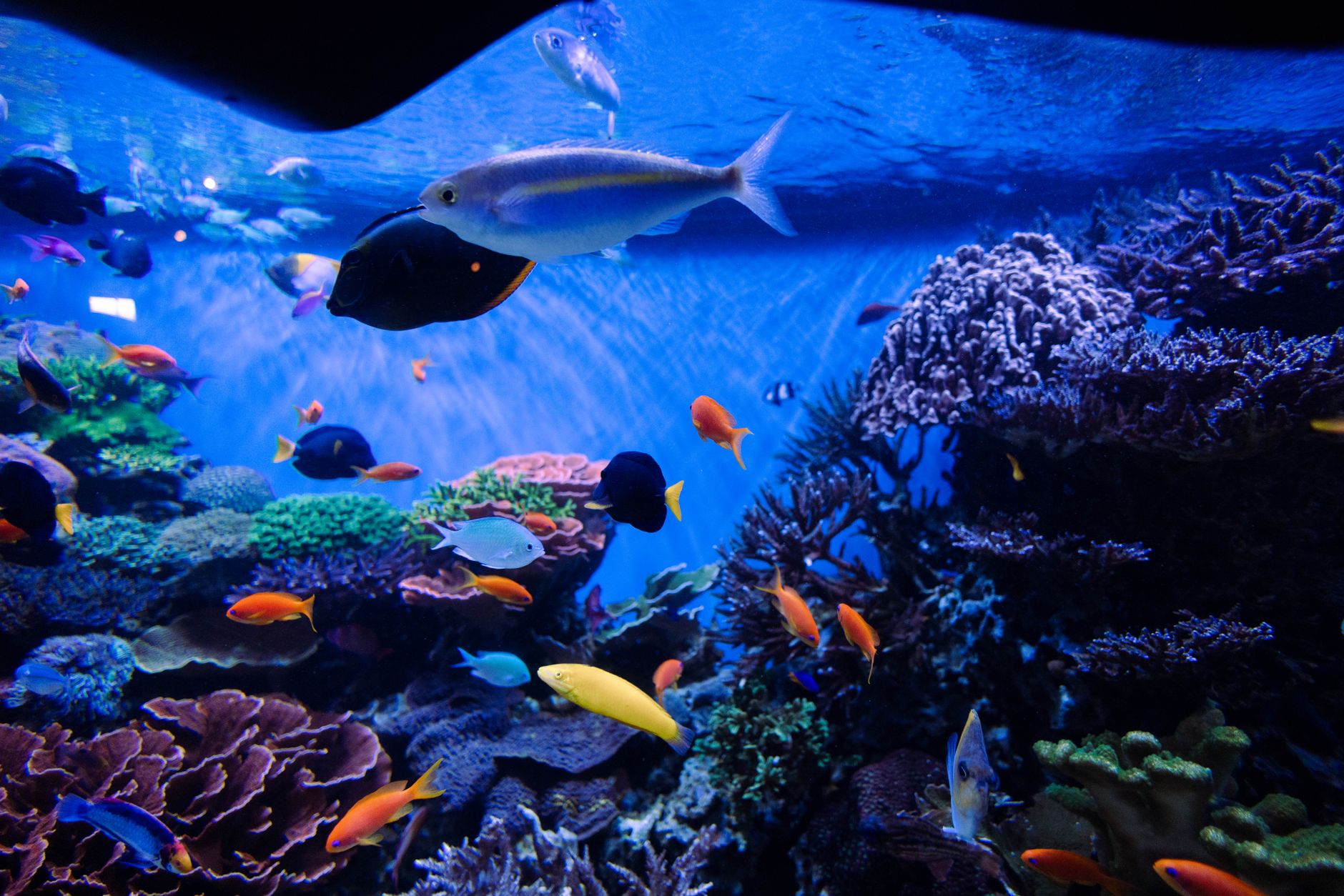
Aquariums are closed systems. Unlike a natural body of water, waste products accumulate within the tank. Fish excrete ammonia, which is converted to nitrite and then nitrate by beneficial bacteria in the filter and substrate. While nitrate is less toxic than ammonia and nitrite, it still builds up over time, stressing fish and promoting algae growth. Water changes dilute these nitrates, replenishing essential minerals and trace elements depleted by the biological processes within the tank, maintaining a healthy environment. italic Without regular water changes, your fish will suffer italic and may become susceptible to disease.
What fish do not need a filtered tank?
Can fish hold their breath out of water?
How many fish can you put in a 200 gallon tank?
Can I put pink Himalayan salt in a fish tank?
Benefits of Performing Water Changes with Fish In Situ
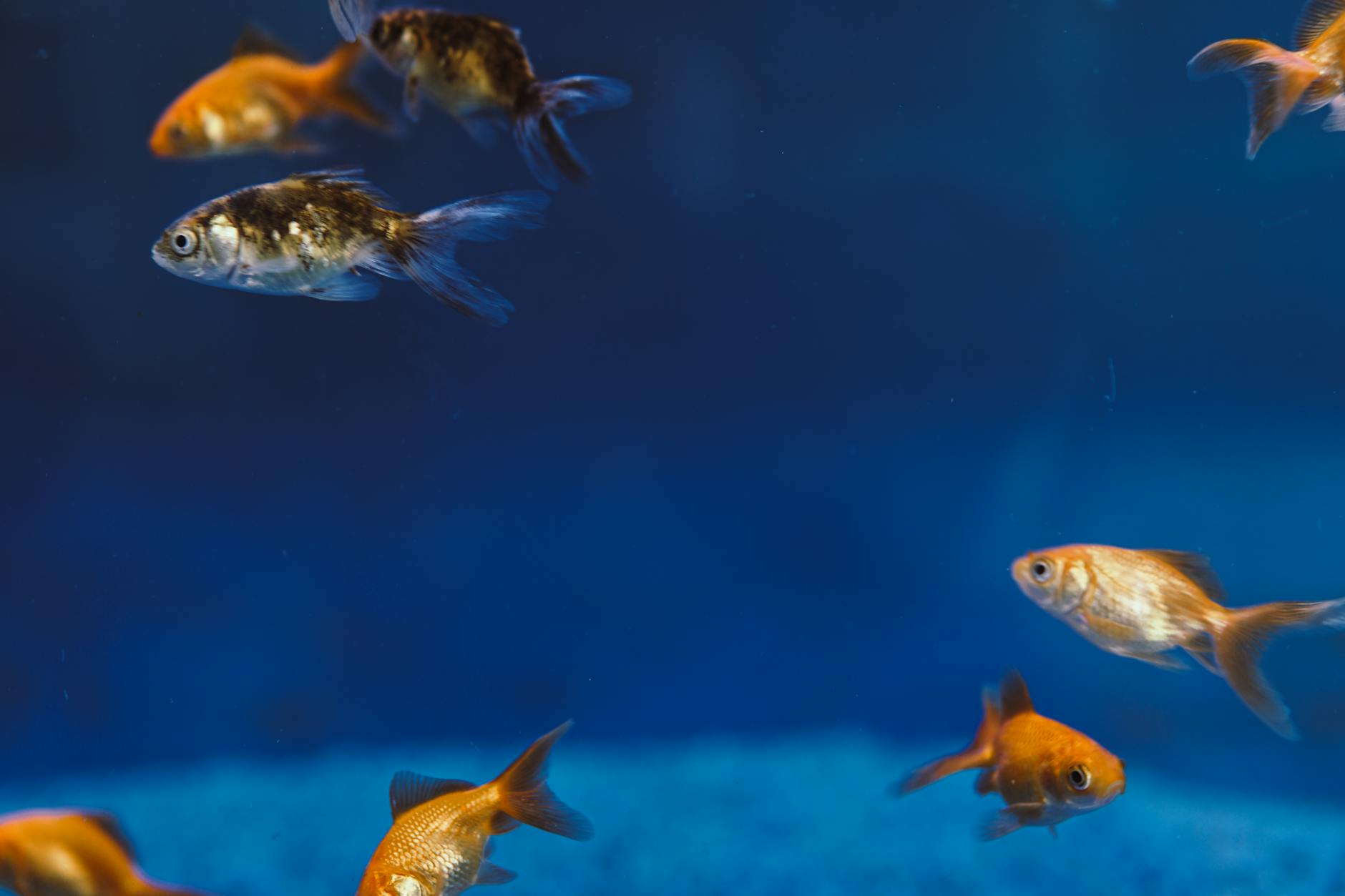
Performing water changes while the fish remain in the tank offers several advantages over removing them.
- Reduced Stress: Catching and moving fish is highly stressful. The sudden change in environment, temperature fluctuations, and potential physical injury can weaken their immune systems.
- Minimized Risk of Injury: Nets can damage scales and fins, and the act of transferring fish to a temporary container exposes them to injury.
- Faster Process: It is generally quicker and more efficient to perform the water change directly in the tank than to prepare a separate holding container and transfer the fish back and forth.
- Less Disruption to Biological Filter: Moving all decorations and substrate to catch fish can disrupt the beneficial bacteria colonies established within the aquarium.
The Step-by-Step Process for Water Changes
Successfully completing a water change with fish in the tank requires careful attention to detail. Here’s a step-by-step guide:
- Gather Your Supplies:
- A clean bucket (designated italic solely for aquarium use italic).
- A gravel vacuum or siphon hose.
- Water conditioner to dechlorinate tap water.
- A thermometer.
- A water testing kit (optional but recommended).
- Prepare the New Water: Treat the tap water with water conditioner to remove chlorine and chloramine, which are italic toxic to fish italic. Match the temperature of the new water to the tank water as closely as possible. Use a thermometer to ensure accuracy.
- Siphon Out Old Water: Use the gravel vacuum or siphon hose to remove water from the tank. Clean the gravel by gently pushing the vacuum into the substrate. Avoid disturbing decorations excessively to minimize stress on the fish.
- Refill the Tank: Slowly add the prepared water back into the tank, avoiding disturbing the substrate or decorations. Pouring the water onto a plate or into a plastic bag placed on the substrate can help minimize disturbance.
- Monitor the Fish: Observe your fish closely after the water change for any signs of stress.
Avoiding Common Mistakes
Even with the best intentions, mistakes can happen. Here are some common pitfalls to avoid when doing a water change with fish in the tank:
- Drastic Temperature Changes: Sudden temperature swings are italic extremely stressful italic to fish. Match the temperature of the new water to the tank water as closely as possible.
- Poor Water Quality: Always use a water conditioner to remove chlorine and chloramine from tap water. Using untreated water italic can kill your fish. italic
- Overdoing the Water Change: Changing too much water at once can disrupt the biological filter and cause a sudden shift in water parameters, stressing the fish. italic Never change more than 50% italic of the water at once.
- Neglecting Gravel Cleaning: Accumulated debris in the gravel can contribute to poor water quality. Use a gravel vacuum to clean the substrate regularly.
- Adding Water Too Quickly: Adding water too quickly can disturb the substrate and stress the fish. Pour the water in slowly and gently.
Water Change Frequency and Volume
The optimal frequency and volume of water changes depend on several factors, including tank size, fish load, and feeding habits. As a general rule, perform a italic 25% water change every 1-2 weeks. italic Heavily stocked tanks may require more frequent changes. Test your water regularly to monitor nitrate levels and adjust your water change schedule accordingly.
| Tank Size (Gallons) | Recommended Water Change Frequency | Recommended Water Change Volume |
|---|---|---|
| 10-20 | Weekly | 25% |
| 20-50 | Every 1-2 Weeks | 25% |
| 50+ | Every 2-3 Weeks | 25% |
Understanding Water Parameters
Maintaining stable water parameters is crucial for fish health. Key parameters to monitor include:
- pH: A measure of acidity or alkalinity.
- Ammonia (NH3): A toxic waste product excreted by fish.
- Nitrite (NO2): A toxic intermediate product in the nitrogen cycle.
- Nitrate (NO3): The end product of the nitrogen cycle; less toxic than ammonia and nitrite but still needs to be controlled through water changes.
- Temperature: Stable temperature within the appropriate range for your fish species.
The Role of Filtration
While water changes are essential, they are not a substitute for proper filtration. A good filtration system removes solid waste, converts toxic ammonia and nitrite into less toxic nitrate, and helps maintain water clarity. Regularly clean or replace filter media as needed to ensure optimal performance.
Recognizing Signs of Stress in Fish
After a water change, observe your fish for any signs of stress, which may include:
- Rapid breathing
- Clamped fins
- Erratic swimming
- Loss of appetite
- Hiding or staying at the surface
If you notice any of these symptoms, test your water parameters and take corrective action as needed.
Frequently Asked Questions About Water Changes
Is it okay to do a 100% water change?
No, it’s italic never recommended italic to perform a 100% water change. This completely removes the established biological filter and subjects fish to drastic changes in water parameters, italic often leading to death. italic
What type of water should I use for water changes?
Tap water is generally fine, but it italic must be treated italic with a water conditioner to remove chlorine and chloramine, which are toxic to fish. italic Never use untreated tap water. italic You can also use RO (Reverse Osmosis) water, which must be re-mineralized before adding to the aquarium.
How long should I wait to feed my fish after a water change?
It’s generally safe to feed your fish italic immediately after italic a water change. However, if the fish appear stressed, it’s best to wait a few hours until they seem more comfortable.
What if my tap water has high nitrate levels?
If your tap water has high nitrate levels, you may need to use a nitrate-reducing filter, RO water, or italic purchase a nitrate removal product italic for your aquarium.
How often should I clean my gravel during a water change?
You should clean your gravel italic during every water change italic to remove accumulated debris. Be careful not to disturb the substrate too much, as this can disrupt the biological filter.
Can I use hot water for water changes?
No, italic never use hot water italic for water changes. Hot water is often high in copper and other heavy metals that are toxic to fish.
What water conditioner should I use?
There are many reputable water conditioners available. Look for a product that italic removes chlorine, chloramine, and heavy metals. italic Follow the manufacturer’s instructions carefully.
Is it possible to over-condition the water?
While unlikely to be fatal, italic overdosing on water conditioner italic can still be harmful. Always follow the manufacturer’s instructions. It’s better to slightly under-dose than to over-dose.
What if my fish start acting strangely after a water change?
If your fish start acting strangely after a water change, italic immediately test your water parameters. italic The most common causes are sudden temperature changes, high ammonia or nitrite levels, or incorrect pH.
Can I use water from my well for water changes?
Well water italic can be used, italic but it’s essential to test it for pH, ammonia, nitrite, nitrate, and heavy metals. It may require pre-treatment before it can be used safely.
How much water should I change at one time?
As mentioned earlier, a italic 25% water change every 1-2 weeks italic is generally recommended. However, this may vary depending on your tank’s specific needs.
Can you do a water change with fish in the tank?
Yes, italic you can and should do a water change with fish in the tank! italic It’s the safest and most effective way to maintain a healthy aquarium environment. By following the guidelines outlined in this article, you can ensure the health and well-being of your aquatic friends.