
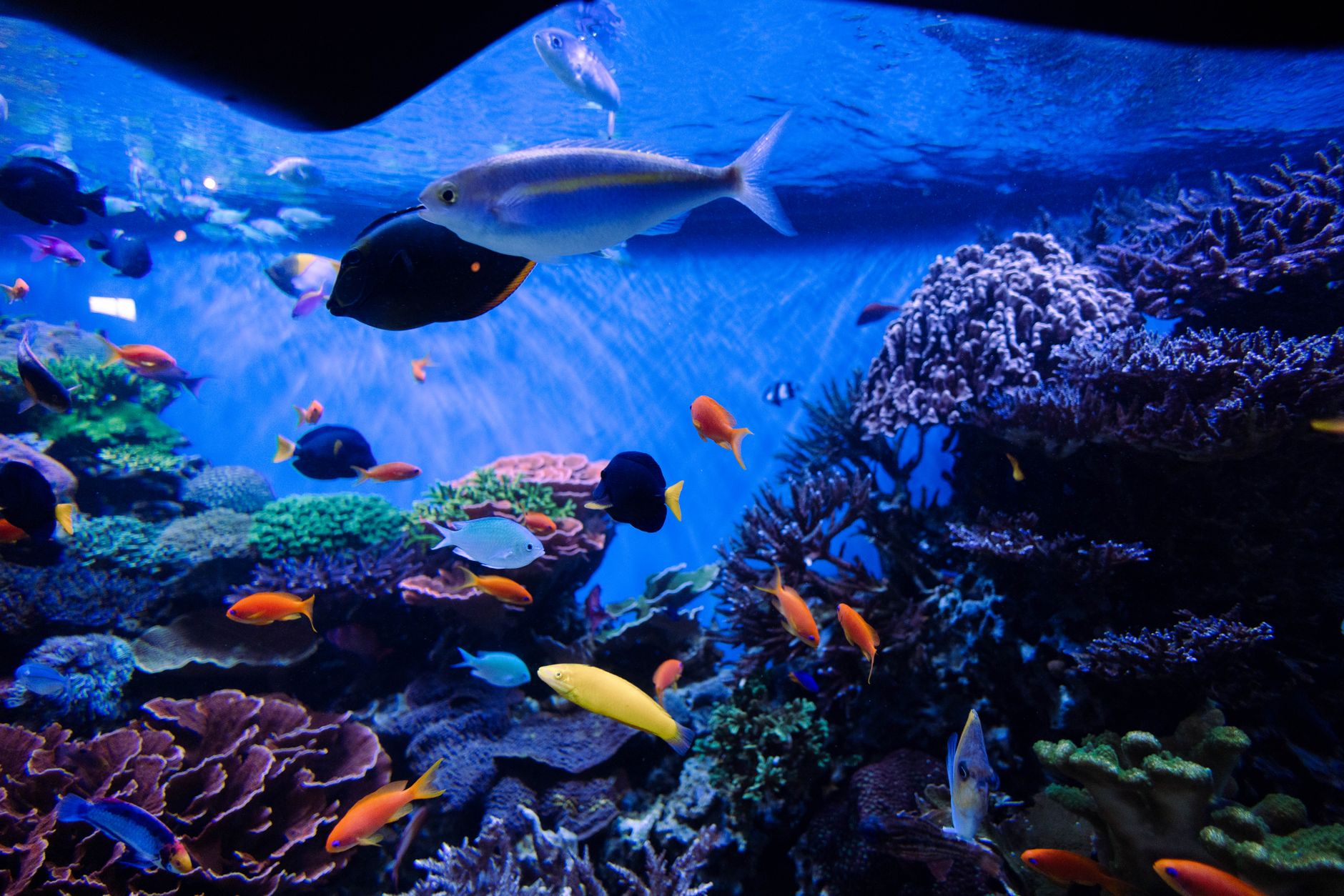
How Many Fish Can You Put in a 200 Gallon Tank? Planning Your Dream Aquarium
A 200-gallon tank offers incredible potential, but determining the right number of fish is crucial. You can typically stock a 200-gallon tank with 80-100 inches of fish, but this is just a starting point; careful consideration of species, temperament, filtration, and maintenance routines is paramount to ensure a healthy and thriving aquatic ecosystem.

Introduction to Stocking a 200-Gallon Tank
A 200-gallon aquarium is a significant investment and a rewarding hobby. The sheer size allows for a diverse range of fish and aquatic life. However, responsible aquarium keeping means understanding the limitations and needs of your future inhabitants. Overstocking is a common mistake that leads to poor water quality, increased stress, disease outbreaks, and ultimately, fish mortality. This article will guide you through the factors to consider when deciding how many fish can you put in a 200 gallon tank.
What fish do not need a filtered tank?
What fish is Flo?
How intelligent are fish?
Are fish heads good for the garden?
The One-Inch-Per-Gallon Rule: A Starting Point
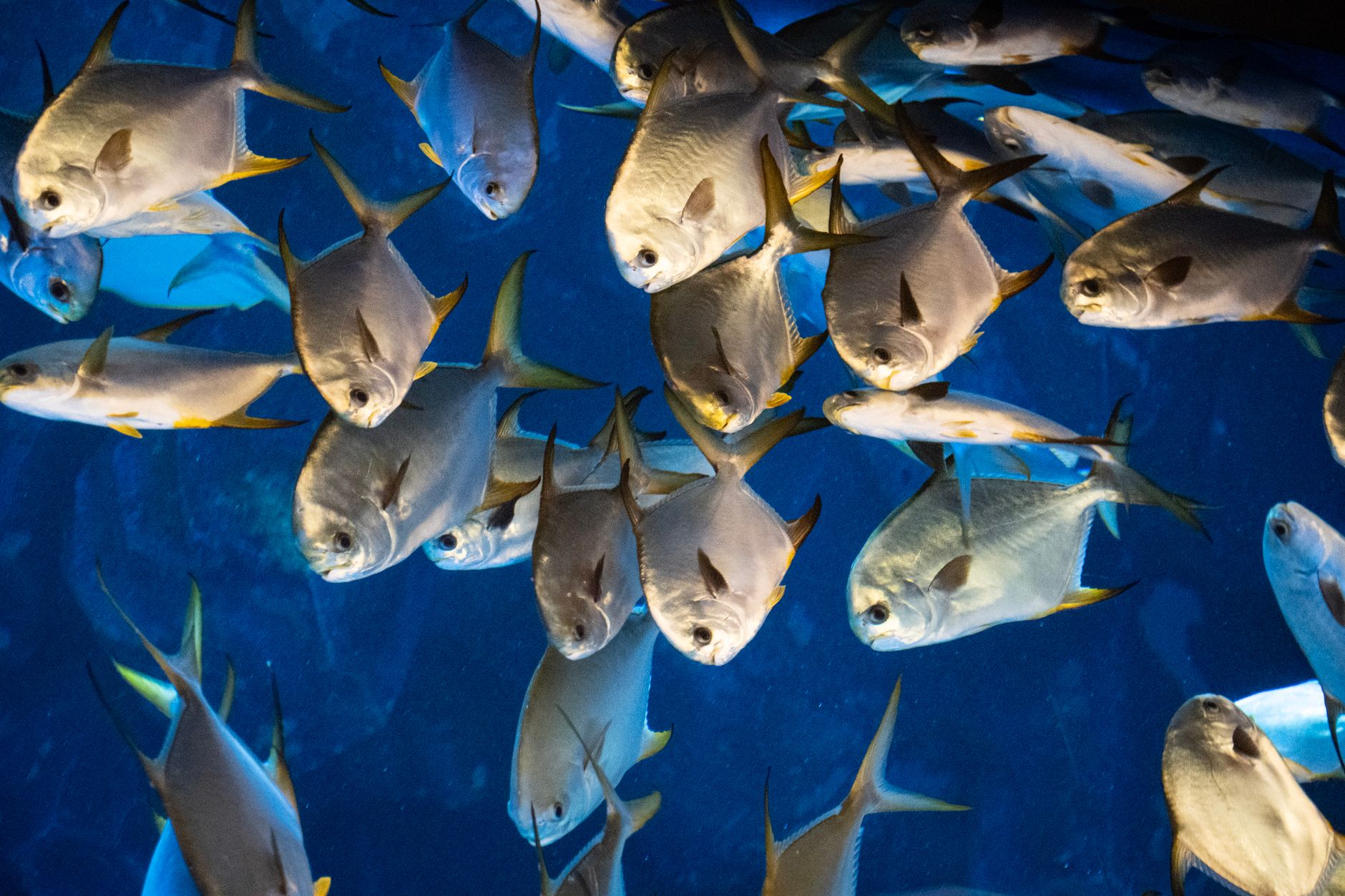
The often-cited “one-inch-per-gallon” rule provides a basic guideline for stocking. In a 200-gallon tank, this suggests you could house 200 inches of fish. However, this rule is a simplification and shouldn’t be applied blindly. It’s important to consider the adult size of the fish, not their size when you purchase them. Furthermore, this rule assumes ideal filtration and regular water changes.
Beyond the Inch: Critical Factors Influencing Stocking
The simple inch-per-gallon rule doesn’t account for important factors. Here are some of the more critical factors to consider:
- Fish Size: Large fish produce more waste and require more swimming space than smaller fish. Always research the adult size of the fish before you buy them.
- Fish Temperament: Some fish are aggressive and need more space to avoid conflicts. Peaceful community fish can be stocked more densely than territorial species.
- Fish Activity Level: Active swimmers require more open space than sedentary fish.
- Filtration Capacity: A powerful and efficient filter is essential for removing waste and maintaining water quality. Over-filtration is always better than under-filtration.
- Water Changes: Regular water changes help to remove nitrates and other harmful substances that accumulate in the tank.
- Aquascaping: Rocks, plants, and decorations can reduce swimming space, so consider this when calculating stocking levels. Live plants help consume nitrates and contribute to a healthier environment.
Choosing the Right Fish Species
Selecting compatible fish is crucial for a peaceful and thriving aquarium. Research the specific needs of each species, including:
- Temperature Requirements: Ensure all fish in the tank can tolerate the same temperature range.
- pH Requirements: Different fish prefer different pH levels. Choose species with similar pH preferences.
- Dietary Needs: Provide a varied and balanced diet that meets the needs of all fish in the tank.
- Social Behavior: Consider whether the fish are schooling, shoaling, or solitary. Schooling fish need to be kept in groups of six or more to feel secure.
Filtration and Water Quality: The Foundation of a Healthy Aquarium
A robust filtration system is the cornerstone of a healthy aquarium. It removes waste, clarifies the water, and provides a biological filter for beneficial bacteria. For a 200-gallon tank, consider using:
- Canister Filters: These are powerful and efficient filters that can handle a large volume of water.
- Sump Filters: These are typically placed below the tank and offer a large surface area for biological filtration.
- Hang-on-Back (HOB) Filters: These are a more affordable option, but may require more frequent maintenance.
Regular water changes are also essential for maintaining water quality. Aim for 25-50% water changes every 1-2 weeks, depending on the stocking level and filtration capacity.
Avoid Common Stocking Mistakes
- Overstocking: This is the most common mistake and leads to poor water quality, disease outbreaks, and fish mortality.
- Introducing too many fish at once: Gradually add fish to allow the biological filter to adjust.
- Not quarantining new fish: Quarantine new fish in a separate tank for several weeks to observe them for signs of disease.
- Ignoring water parameters: Regularly test the water for ammonia, nitrite, nitrate, and pH.
Tools and Resources
Utilizing online tools and consulting with experienced aquarists can assist in planning your how many fish can you put in a 200 gallon tank strategy.
- AqAdvisor: This is a popular online tool that calculates the stocking level of your aquarium based on the species and size of the fish.
- Local Fish Stores: Speak with experienced staff at your local fish store for advice and recommendations.
- Online Forums: Join online aquarium forums to connect with other hobbyists and learn from their experiences.
FAQs
What happens if I overstock my 200-gallon tank?
Overstocking leads to several problems, including: increased ammonia and nitrite levels, which are toxic to fish; reduced oxygen levels; increased stress levels; disease outbreaks; and increased algae growth. Ultimately, overstocking can result in fish mortality.
Can I use the one-inch-per-gallon rule as a strict guideline?
While the one-inch-per-gallon rule offers a basic starting point, it’s not a definitive guide. Factors like fish species, temperament, filtration capacity, and aquascaping significantly impact stocking levels. It’s crucial to consider these factors beyond just the inch-per-gallon rule to determine how many fish can you put in a 200 gallon tank.
What types of fish are best suited for a 200-gallon tank?
A 200-gallon tank provides ample space for a wide variety of fish. Good options include community fish like tetras, rasboras, and corydoras; larger centerpiece fish like angelfish or gouramis; and hardy fish like barbs and loaches. Research compatibility before introducing any new species.
How often should I perform water changes on my 200-gallon tank?
The frequency of water changes depends on stocking levels, filtration capacity, and the types of fish you keep. Generally, a 25-50% water change every 1-2 weeks is recommended. Monitor water parameters regularly to determine the optimal frequency.
What type of filtration system is best for a 200-gallon tank?
For a 200-gallon tank, a canister filter or sump filter are typically the best options. These filters offer a high flow rate and a large surface area for biological filtration, which are essential for maintaining water quality in a large tank. HOB filters can work, but may require multiple units.
How important is it to quarantine new fish before adding them to my 200-gallon tank?
Quarantining new fish is essential to prevent the spread of disease. Keep new fish in a separate quarantine tank for at least 2-4 weeks to observe them for any signs of illness before introducing them to your main tank. This protects your existing fish population.
Do live plants help with water quality in a 200-gallon tank?
Yes, live plants are highly beneficial for water quality. They absorb nitrates, which are a byproduct of fish waste, and release oxygen into the water. This helps to create a healthier and more stable environment for your fish.
What if I want to keep only one large fish in my 200-gallon tank?
Even with a large tank, be mindful of size. If opting for a single large fish, ensure it’s appropriate for the tank’s dimensions and its needs are fully met. Species like a single Oscar or larger gourami might be suitable, but research their individual requirements thoroughly.
How does aquascaping affect stocking levels?
Aquascaping affects swimming space. Heavy aquascaping with rocks, driftwood, and plants can reduce the available swimming space for fish. Consider this when calculating stocking levels and choose a layout that provides ample room for your fish to move around.
What are some signs of overstocking in a 200-gallon tank?
Signs of overstocking include: cloudy water; high ammonia or nitrite levels; fish gasping at the surface; increased algae growth; frequent disease outbreaks; and increased aggression among fish.
Can I keep invertebrates like snails and shrimp in a 200-gallon tank with fish?
Yes, many invertebrates can coexist peacefully with fish in a 200-gallon tank. Snails and shrimp can help to control algae and uneaten food. However, research compatibility to ensure that the fish you choose will not prey on the invertebrates.
How do I calculate the appropriate stocking level for my 200-gallon tank?
Start with the one-inch-per-gallon rule, but adjust based on the factors discussed above, including fish size, temperament, filtration capacity, and aquascaping. Use online tools like AqAdvisor to help calculate the stocking level and consult with experienced aquarists for advice to ensure how many fish can you put in a 200 gallon tank is safe and appropriate.