
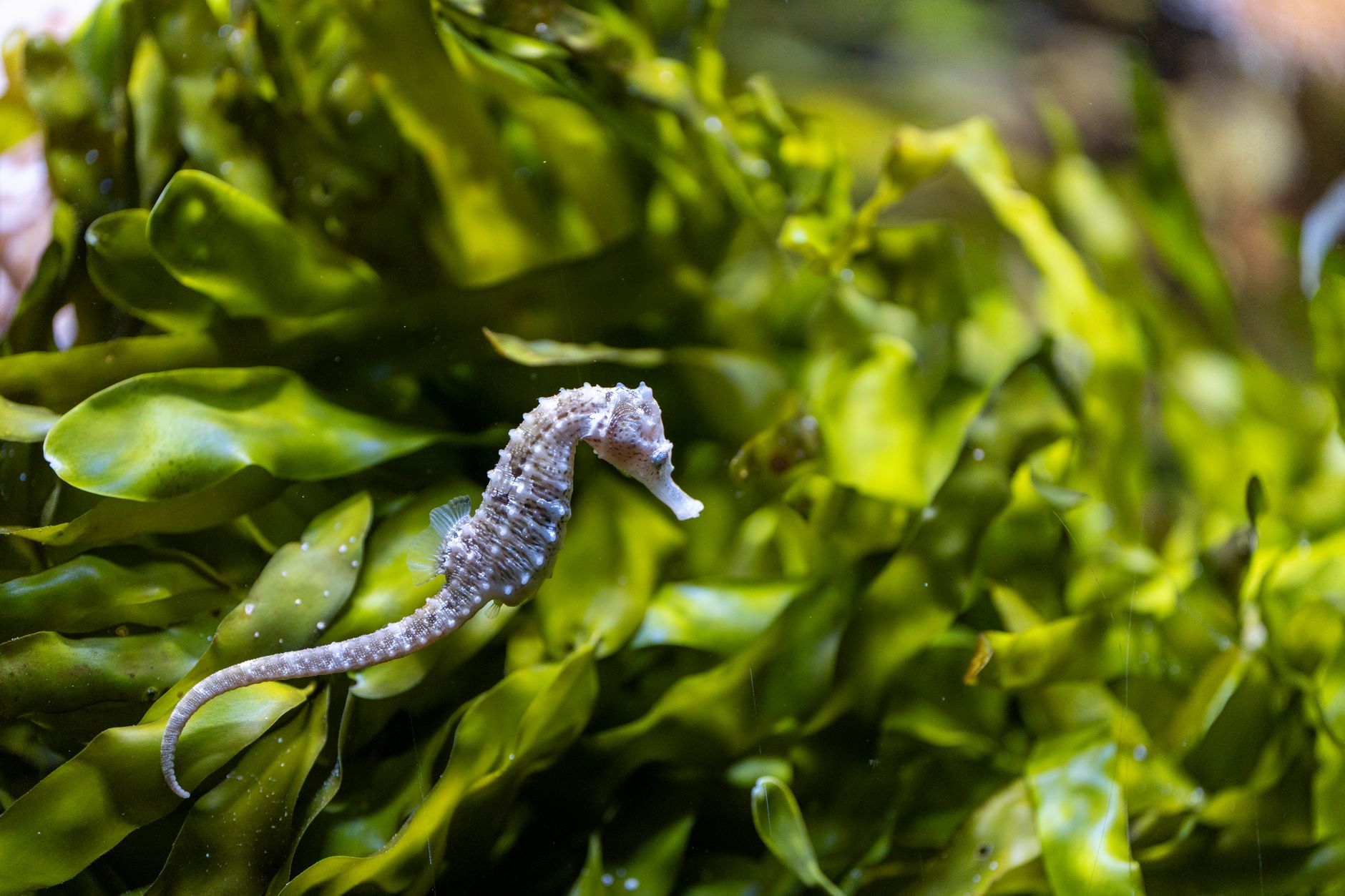
What Fish Can Seahorses Live With? Choosing Compatible Tank Mates
Seahorses are delicate and slow-moving creatures, making them unsuitable for many community aquariums. Therefore, what fish can seahorses live with? is answered by selecting peaceful, non-aggressive fish that won’t outcompete them for food or harass them.

Understanding Seahorse Compatibility
Creating a harmonious aquarium environment is crucial for the well-being of seahorses. These fascinating fish require specific conditions and are easily stressed by incompatible tank mates. Understanding their unique needs and limitations is the first step in selecting suitable companions.

Are fish heads good for the garden?
Can fish hear water?
What is cotton rot in fish?
What colours are fish most attracted to?
Seahorse Biology and Behavior
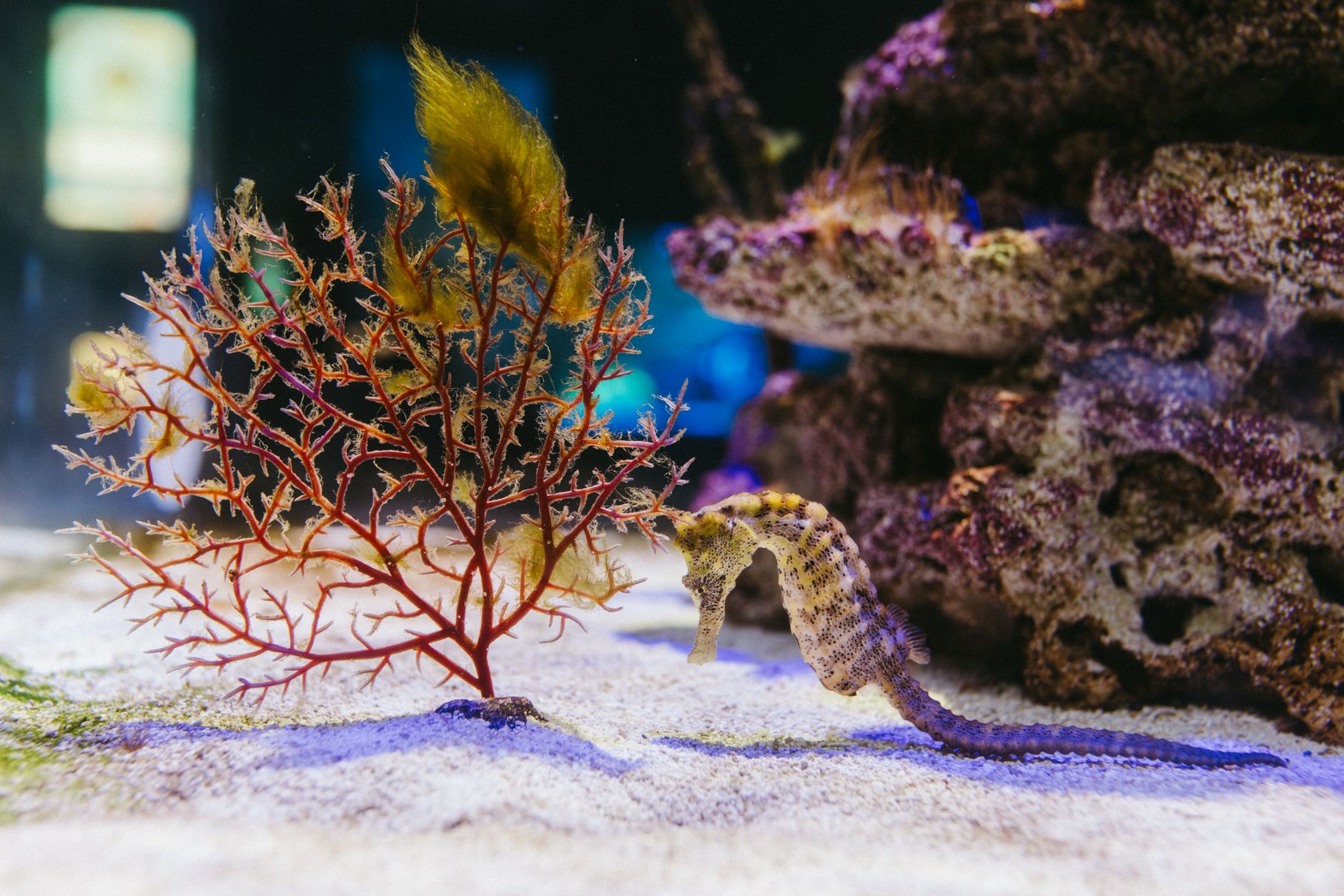
Seahorses are unique fish belonging to the Syngnathidae family, which also includes pipefish and seadragons. They possess several characteristics that make them vulnerable in a typical aquarium setting:
- Slow swimmers: Their upright posture and small fins make them poor swimmers, unable to compete with faster fish for food.
- Prehensile tails: They use their tails to grasp onto objects, requiring a tank with plenty of hitching posts like live rock or soft corals.
- Delicate feeders: They primarily feed on small live or frozen foods and are easily outcompeted by more aggressive eaters.
- Stress-sensitive: Noise, rapid water changes, and aggressive tank mates can quickly stress seahorses, leading to health problems.
Identifying Incompatible Fish Species
Knowing what fish seahorses cannot live with is just as important as knowing what fish they can. Avoid these types of fish:
- Aggressive fish: Any fish known for nipping fins, chasing, or territorial behavior is a poor choice (e.g., Triggerfish, Damselfish, larger Angelfish).
- Fast, competitive eaters: Fish that quickly devour food before seahorses have a chance to eat (e.g., Anthias, larger Wrasses, most Tangs).
- Fish that prey on small invertebrates: Seahorses need a constant supply of small invertebrates like copepods and amphipods to thrive. Fish that actively hunt these organisms will deplete the seahorses’ food source (e.g., many Mandarin Dragonets, certain Wrasses).
- Large or boisterous fish: Their sheer size and activity levels can stress seahorses (e.g., Groupers, larger Pufferfish).
Suitable Tank Mates for Seahorses
What fish can seahorses live with? The ideal tank mates are peaceful, slow-moving, and non-competitive. Here are some examples:
- Gobies: Some smaller, peaceful gobies like Clown Gobies, Ocellaris Gobies, and Court Jester Gobies can be suitable.
- Pipefish: Some pipefish species, being close relatives, share similar needs and can coexist peacefully. It’s crucial to research the specific pipefish species to ensure compatibility.
- Certain Blennies: Small, peaceful blennies like the Tailspot Blenny can be good additions, but avoid aggressive species.
- Invertebrates: Many invertebrates are excellent tank mates for seahorses, including cleaner shrimp, peppermint shrimp (if aiptasia is present), snails, and hermit crabs.
Maintaining a Seahorse-Friendly Environment
Beyond selecting compatible tank mates, creating and maintaining a suitable environment is paramount. Consider these factors:
- Tank Size: A larger tank (at least 30 gallons) provides more space and stability.
- Water Quality: Pristine water quality is essential. Maintain stable temperature, salinity, pH, and alkalinity. Regular water changes are crucial.
- Flow: Moderate, laminar flow is ideal. Avoid strong currents that can stress seahorses.
- Hitching Posts: Provide ample hitching posts such as live rock, soft corals, and artificial decorations.
- Feeding: Target feed seahorses with small live or frozen foods multiple times a day. Ensure they get enough to eat.
Monitoring and Observation
Careful observation is key to identifying and addressing any problems. Monitor seahorses for signs of stress, such as rapid breathing, clamped fins, or decreased appetite. Watch for any aggression from tank mates and be prepared to remove any incompatible fish.
Frequently Asked Questions (FAQs)
Is it possible to keep seahorses with corals?
Yes, many soft corals are excellent additions to a seahorse tank. Gorgonians, leathers, and mushrooms provide both hitching posts and a natural-looking environment. However, avoid corals with stinging tentacles that could harm seahorses.
Can I keep seahorses with other types of fish like clownfish?
While some individuals might coexist peacefully, clownfish are generally not recommended as tank mates. They can be territorial and aggressive, potentially stressing seahorses and outcompeting them for food.
What size tank is needed to keep seahorses?
A tank of at least 30 gallons is recommended for a pair of seahorses. Larger tanks are preferable, as they provide more space, stability, and room for compatible tank mates.
What kind of food do seahorses eat?
Seahorses primarily feed on small live or frozen foods, such as mysis shrimp, brine shrimp, and copepods. Target feeding is essential to ensure they get enough to eat.
How often should I feed my seahorses?
Seahorses should be fed multiple times a day (at least 2-3 times). Small, frequent feedings are better than large, infrequent ones.
What water parameters are ideal for seahorses?
Ideal water parameters include a temperature of 72-78°F (22-26°C), a salinity of 1.024-1.026 specific gravity, a pH of 8.1-8.4, and low levels of nitrates and phosphates.
Are seahorses difficult to care for?
Yes, seahorses are considered relatively difficult to care for due to their specific needs and sensitivity to water quality and stress. They require experienced aquarists.
Can I keep multiple seahorses together?
Yes, seahorses are social animals and can be kept in pairs or small groups. However, ensure the tank is large enough to accommodate them comfortably.
What are some signs of a stressed seahorse?
Signs of stress in seahorses include rapid breathing, clamped fins, decreased appetite, and erratic swimming. Addressing these issues promptly is crucial for their survival.
Are seahorses readily available in local fish stores?
While seahorses may be available in some fish stores, it’s important to source them from reputable breeders or suppliers who prioritize ethical and sustainable practices. Wild-caught seahorses are often stressed and have a lower survival rate.
How important is water flow in a seahorse tank?
Moderate, laminar water flow is ideal for seahorse tanks. Strong currents can stress them, while stagnant water can lead to poor water quality.
What if my seahorse won’t eat?
If a seahorse refuses to eat, check water parameters, reduce stress levels, and try offering different types of food. Sometimes, live food is more enticing than frozen food. If the problem persists, consult with a veterinarian experienced in treating aquatic animals. Understanding what fish can seahorses live with? combined with providing the proper environment makes all the difference.