

What is Cotton Rot in Fish? Understanding Columnaris Disease
Cotton rot in fish, more accurately known as Columnaris disease, is a serious bacterial infection caused primarily by the bacterium Flavobacterium columnare, leading to distinctive cotton-like lesions on the body and fins of affected fish and often proving fatal if left untreated.
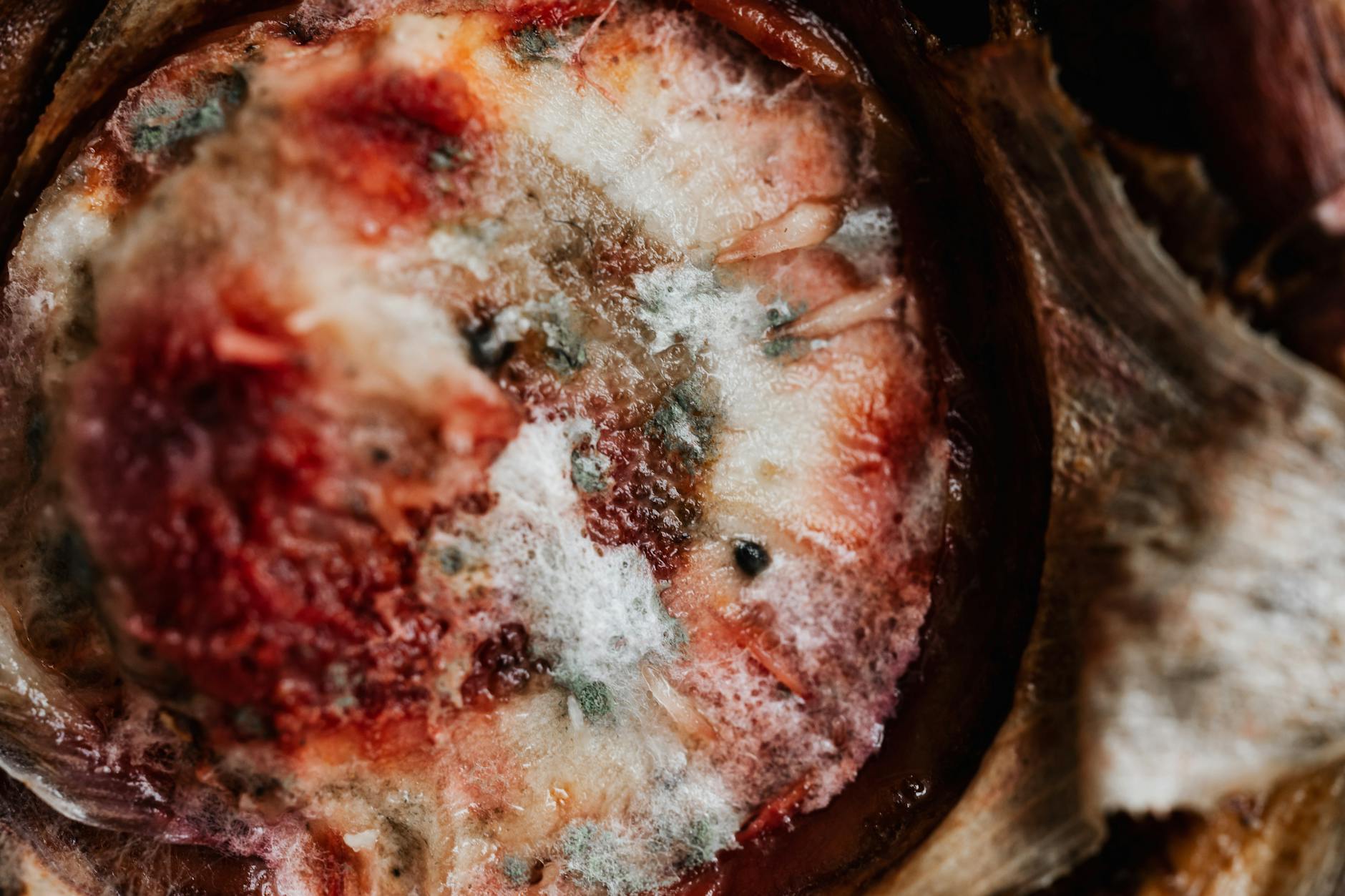
Introduction to Columnaris Disease
Columnaris disease, often mistakenly called “cotton rot,” is a widespread and potentially devastating bacterial infection affecting a wide range of freshwater and, less commonly, saltwater fish species. Understanding the causes, symptoms, and treatment options for this disease is crucial for maintaining the health and well-being of your aquatic companions. This article provides a comprehensive overview of Columnaris disease in fish.
Are fish heads good for the garden?
Can fish hear water?
What colours are fish most attracted to?
Is 75 degrees good for a fish tank?
The Culprit: Flavobacterium columnare
The primary cause of what is thought of as cotton rot in fish is the bacterium Flavobacterium columnare. This gram-negative, rod-shaped bacterium is ubiquitous in aquatic environments and can thrive in a wide range of temperatures. It’s an opportunistic pathogen, meaning it typically only affects fish that are already stressed or immunocompromised. Factors like poor water quality, overcrowding, injuries, or pre-existing diseases can weaken a fish’s immune system and make them more susceptible to infection.
Identifying Symptoms of Columnaris Disease
Recognizing the symptoms of Columnaris disease early is vital for successful treatment. The characteristic cotton-like lesions are usually the most prominent sign, but other symptoms may also be present:
- Cotton-like growths: White or gray, fuzzy patches that resemble cotton wool, typically appearing on the mouth, fins, gills, or body surface.
- Fin erosion: Frayed, ragged, or eroded fins.
- Saddleback lesion: A distinct white or pale lesion across the back of the fish.
- Gill lesions: Pale or necrotic gills, often with a brownish discoloration.
- Behavioral changes: Lethargy, loss of appetite, erratic swimming, or gasping at the surface.
- Skin ulcers: Open sores or lesions on the skin.
The speed at which the disease progresses can vary depending on the severity of the infection and the fish’s overall health. In acute cases, fish can die within 24-48 hours.
Preventing Columnaris Disease
Prevention is always better than cure when it comes to fish diseases. Several preventative measures can help minimize the risk of Columnaris outbreaks:
- Maintain excellent water quality: Regularly test and maintain optimal water parameters (pH, ammonia, nitrite, nitrate) through regular water changes and filtration.
- Provide adequate space: Avoid overcrowding, as it can stress fish and weaken their immune systems.
- Quarantine new fish: Isolate newly acquired fish in a quarantine tank for several weeks to observe them for any signs of illness before introducing them to the main aquarium.
- Avoid sudden temperature fluctuations: Rapid changes in water temperature can stress fish.
- Provide a balanced diet: Feed your fish a high-quality diet that meets their nutritional needs to support a strong immune system.
- Minimize stress: Avoid handling fish unnecessarily and provide appropriate hiding places and decorations to reduce stress.
Treatment Options for Columnaris Disease
If you suspect your fish have Columnaris disease, prompt treatment is essential. Several treatment options are available, depending on the severity of the infection:
- Antibiotics: Antibiotics such as tetracycline, kanamycin, and erythromycin can be effective against Flavobacterium columnare. Follow the manufacturer’s instructions carefully and complete the entire course of treatment.
- Antiseptics: Antiseptic treatments like methylene blue or malachite green can help prevent secondary infections and promote healing.
- Salt baths: Salt baths can help reduce stress and improve the fish’s immune response. Use aquarium salt (sodium chloride) at a concentration of 1-3 tablespoons per gallon of water for a short period (15-30 minutes). Monitor the fish closely during the salt bath.
- Water changes: Perform frequent water changes to improve water quality and reduce the bacterial load in the aquarium.
- Temperature adjustment: Lowering the water temperature may slow the bacteria’s growth.
Differentiating Columnaris from Fungal Infections
It’s important to distinguish Columnaris disease from fungal infections, as they require different treatments. While both can cause white, fuzzy growths, Columnaris lesions are typically more ulcerated and may have a distinct “saddleback” appearance. Fungal infections, on the other hand, tend to be more cottony and fluffy. Microscopic examination can help definitively identify the pathogen.
| Feature | Columnaris Disease | Fungal Infection |
|---|---|---|
| Cause | Flavobacterium columnare bacterium | Various fungal species |
| Appearance | Cotton-like, ulcerated lesions | Cottony, fluffy growths |
| Common Locations | Mouth, fins, body | Fins, body, injured areas |
| Treatment | Antibiotics, antiseptics | Antifungal medications |
Frequently Asked Questions (FAQs)
What are the early signs of Columnaris in fish?
Early signs of Columnaris can be subtle, including lethargy, decreased appetite, and slight fraying of fins. Small, white or gray patches may also appear around the mouth or on the fins. These initial symptoms can quickly progress if left untreated.
Is Columnaris contagious?
Yes, Columnaris is highly contagious and can spread rapidly through an aquarium. It’s crucial to isolate infected fish immediately to prevent the spread of the disease to other inhabitants.
Can Columnaris affect all types of fish?
While Columnaris can affect a wide range of fish species, some are more susceptible than others. Livebearers (e.g., guppies, mollies, platies) and catfish are often more vulnerable than other species.
What water parameters make fish more susceptible to Columnaris?
Poor water quality, including high levels of ammonia, nitrite, and nitrate, significantly increases the risk of Columnaris infection. Maintaining optimal water parameters is crucial for preventing outbreaks.
How can I disinfect my aquarium after a Columnaris outbreak?
After a Columnaris outbreak, thoroughly disinfect the aquarium and all equipment (e.g., nets, gravel vacuum, decorations) with a bleach solution (1 part bleach to 9 parts water). Rinse everything thoroughly before reintroducing fish.
Can I use over-the-counter medications to treat Columnaris?
Some over-the-counter medications can be effective against Columnaris, but it’s essential to choose a medication specifically labeled for bacterial infections and follow the manufacturer’s instructions carefully. Consult with a veterinarian specializing in aquatic animals for more specific recommendations.
What is the role of water temperature in Columnaris outbreaks?
Higher water temperatures can accelerate the growth and spread of Flavobacterium columnare, making fish more susceptible to infection. Lowering the water temperature (within the species’ tolerable range) can help slow the bacteria’s growth.
Is Columnaris treatable if caught early?
Yes, Columnaris is often treatable if caught early. Prompt treatment with antibiotics, antiseptics, and improved water quality can significantly increase the chances of recovery.
Can Columnaris affect humans?
Columnaris is not known to affect humans. However, it’s always good practice to wash your hands thoroughly after working in your aquarium, regardless of whether or not your fish are sick.
How long does it take for Columnaris to kill fish?
In acute cases of Columnaris, fish can die within 24-48 hours. However, the progression of the disease can vary depending on the severity of the infection and the fish’s overall health.
What are some natural remedies for Columnaris?
While natural remedies like tea tree oil or garlic extract are sometimes suggested for treating fish diseases, their effectiveness against Columnaris is not scientifically proven. It’s best to rely on established treatment methods such as antibiotics and antiseptics.
How can I improve my fish’s immune system to prevent Columnaris?
To improve your fish’s immune system, provide a balanced diet, maintain excellent water quality, avoid overcrowding, and minimize stress. Adding vitamins to their food can also help boost their immune response.