

Are Sea Turtles Laying Eggs in Florida? A Deep Dive into Nesting Success
Yes, sea turtles are laying eggs in Florida, with the nesting season being a crucial period for the survival of these magnificent creatures; however, the success of each nesting season fluctuates and faces numerous challenges.

Introduction: Florida, a Sea Turtle Paradise
Florida’s coastline serves as a vital nesting ground for several species of sea turtles, including the loggerhead, green turtle, and leatherback. The annual nesting season, typically running from spring through early fall, is a testament to the state’s importance in the life cycle of these reptiles. Understanding the nesting process, its challenges, and the conservation efforts in place is crucial for ensuring the long-term survival of these vulnerable species. Are sea turtles laying eggs in Florida? remains a key question each year, as the answer reflects the health of our oceans and the effectiveness of conservation programs.
Is distilled water good for goldfish?
What colours are fish most attracted to?
Can you put your finger in a trout's mouth?
Is methylene blue anti bacterial?
Sea Turtle Species Nesting in Florida
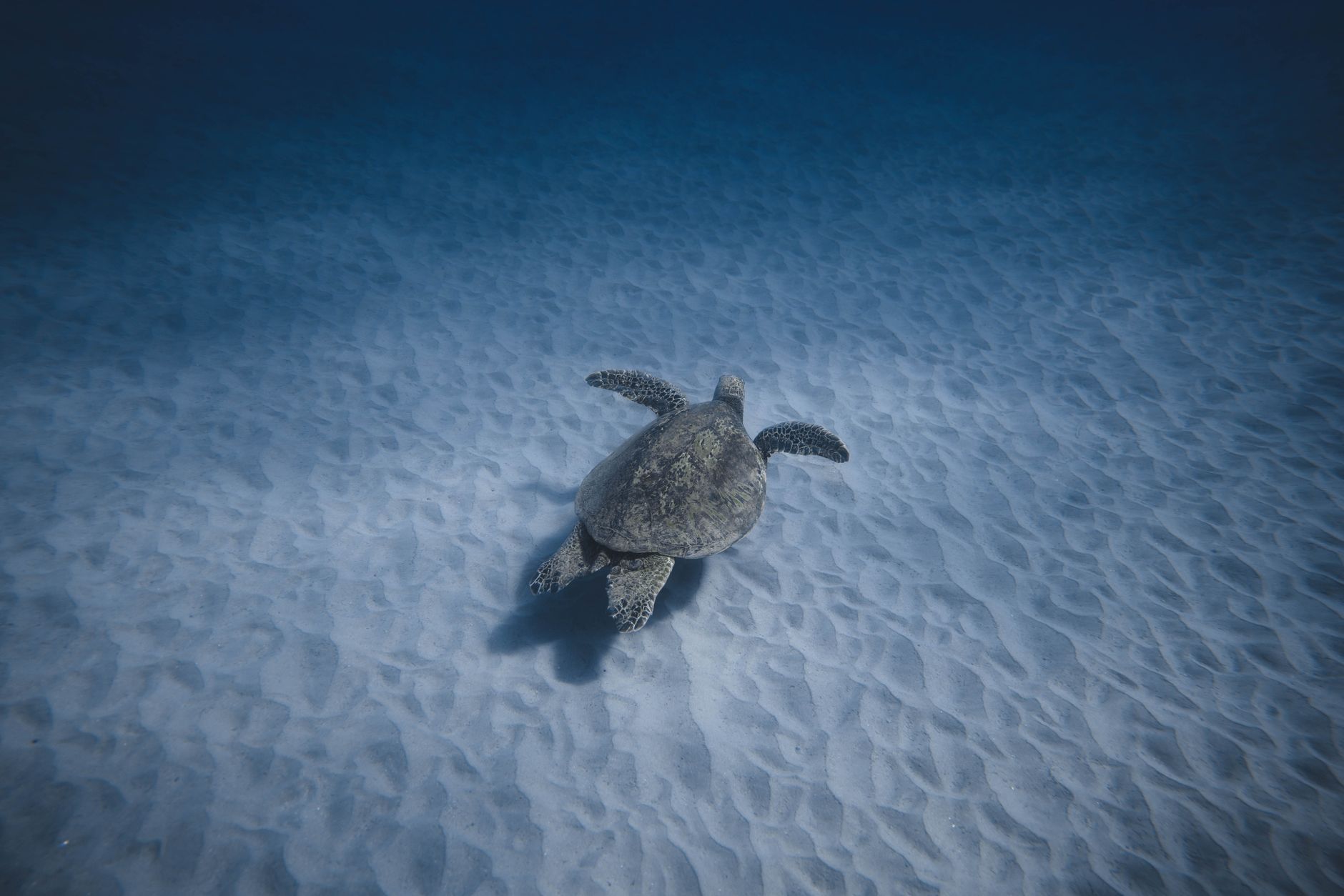
Florida plays host to three primary sea turtle species during nesting season:
- Loggerhead (Caretta caretta): The most common nester in Florida, characterized by its reddish-brown shell.
- Green Turtle (Chelonia mydas): Nesting numbers are increasing, recognizable by its olive-brown carapace.
- Leatherback (Dermochelys coriacea): The largest sea turtle, known for its leathery shell and deep nesting habits.
While less frequent, Kemp’s ridley and Hawksbill sea turtles have also been documented nesting in Florida on rare occasions.
The Nesting Process: A Natural Wonder
The nesting process is a remarkable display of instinct and endurance. It unfolds in several stages:
- Emergence: Female sea turtles, guided by an innate homing ability, return to the beaches where they were born. They typically emerge from the ocean at night.
- Nest Site Selection: The turtle crawls above the high tide line, searching for a suitable spot.
- Excavation: Using her flippers, the turtle digs a body pit and then a flask-shaped nest cavity.
- Egg Laying: She deposits her clutch of eggs into the nest cavity. A typical clutch can contain over 100 eggs, depending on the species.
- Covering and Camouflage: The turtle meticulously covers the eggs with sand and camouflages the nest site to protect it from predators.
- Return to the Sea: Exhausted but driven by instinct, she returns to the ocean.
Threats to Sea Turtle Nesting
Despite their resilience, sea turtles face numerous threats during nesting season. These include:
- Habitat Loss and Degradation: Coastal development, beach erosion, and artificial lighting disrupt nesting habitats.
- Predation: Raccoons, foxes, feral hogs, and birds prey on sea turtle eggs and hatchlings.
- Human Disturbance: Beachgoers, lights, and noise can disorient nesting females and hatchlings.
- Entanglement: Sea turtles can become entangled in fishing gear and marine debris.
- Climate Change: Rising sea levels, increased storm frequency, and temperature changes affect nesting habitats and incubation temperatures, potentially skewing sex ratios.
Conservation Efforts in Florida: Protecting the Future
Florida has implemented a variety of conservation efforts to protect sea turtles and their nesting habitats. These include:
- Beach Lighting Regulations: Laws require beachfront properties to use turtle-friendly lighting to minimize disorientation of hatchlings.
- Nest Monitoring and Protection: Trained volunteers and researchers monitor nesting beaches, mark nests, and relocate them to safer locations if necessary.
- Predator Control: Efforts are made to control populations of predators that threaten sea turtle nests.
- Public Education: Outreach programs educate the public about sea turtle conservation and promote responsible beach behavior.
- Sea Turtle Stranding Network: A network of volunteers and professionals respond to injured or stranded sea turtles, providing care and rehabilitation.
- Habitat Restoration: Projects aim to restore degraded nesting habitats by planting native vegetation and stabilizing dunes.
Monitoring Nesting Success: A Key Indicator
Monitoring the number of nests laid each year provides valuable data on the health and status of sea turtle populations. Long-term monitoring programs track trends in nesting numbers, identify potential threats, and evaluate the effectiveness of conservation efforts. This data helps scientists and managers make informed decisions about sea turtle management.
| Species | Average Clutch Size | Incubation Period | Nesting Frequency |
|---|---|---|---|
| Loggerhead | 110-120 | 50-60 days | Every 2-3 years |
| Green Turtle | 110-130 | 45-75 days | Every 2-4 years |
| Leatherback | 70-90 | 55-75 days | Every 1-3 years |
The Impact of Red Tide on Sea Turtle Nesting
Harmful algal blooms, such as red tide, can significantly impact sea turtles. Red tide toxins can accumulate in their food sources, leading to illness and mortality. It can also affect nesting females, potentially reducing their reproductive success. Addressing water quality issues and mitigating the impacts of red tide are crucial for protecting sea turtle populations. The fact that are sea turtles laying eggs in Florida? is also influenced by such events.
The Role of Volunteers: Citizen Scientists in Action
Volunteers play a vital role in sea turtle conservation in Florida. They participate in beach cleanups, nest monitoring, stranding response, and public education programs. Their dedication and commitment are essential for protecting these endangered species.
Frequently Asked Questions
What time of year do sea turtles lay eggs in Florida?
The sea turtle nesting season in Florida typically runs from May through October, although some species may start nesting earlier or later. Loggerhead turtles generally begin nesting in May, followed by green turtles and leatherbacks. This timing is crucial for conservation efforts to be most effective.
How many eggs does a sea turtle lay in a nest?
The number of eggs a sea turtle lays varies depending on the species. Loggerheads lay an average of 110-120 eggs per nest, green turtles lay approximately 110-130, and leatherbacks lay around 70-90. The number can also fluctuate slightly depending on the individual turtle.
What should I do if I see a sea turtle nesting on the beach?
If you see a sea turtle nesting on the beach, it’s important to keep your distance and observe quietly. Avoid using flash photography or shining lights on the turtle, as this can disorient her. Contact your local wildlife agency or sea turtle stranding network to report the sighting.
Why is it important to keep beaches dark during nesting season?
Artificial lights can disorient nesting female sea turtles and hatchlings, causing them to crawl away from the ocean and towards the light source. This can lead to dehydration, exhaustion, and death. Turtle-friendly lighting, which emits a long-wavelength amber or red light, helps to minimize this disorientation.
What are the main predators of sea turtle eggs and hatchlings in Florida?
Common predators of sea turtle eggs and hatchlings in Florida include raccoons, foxes, feral hogs, birds, and crabs. Controlling predator populations is an important aspect of sea turtle conservation efforts.
How can I help protect sea turtles during nesting season?
You can help protect sea turtles by keeping beaches clean, avoiding the use of artificial lights near nesting beaches, respecting marked nesting areas, and reporting any sightings of nesting turtles or injured animals to the appropriate authorities. Also, educate others about sea turtle conservation.
Are all species of sea turtles endangered?
While not all species are classified as endangered at a global level, most sea turtle populations are considered threatened or endangered due to various factors such as habitat loss, entanglement in fishing gear, and climate change.
What happens to the hatchlings after they emerge from the nest?
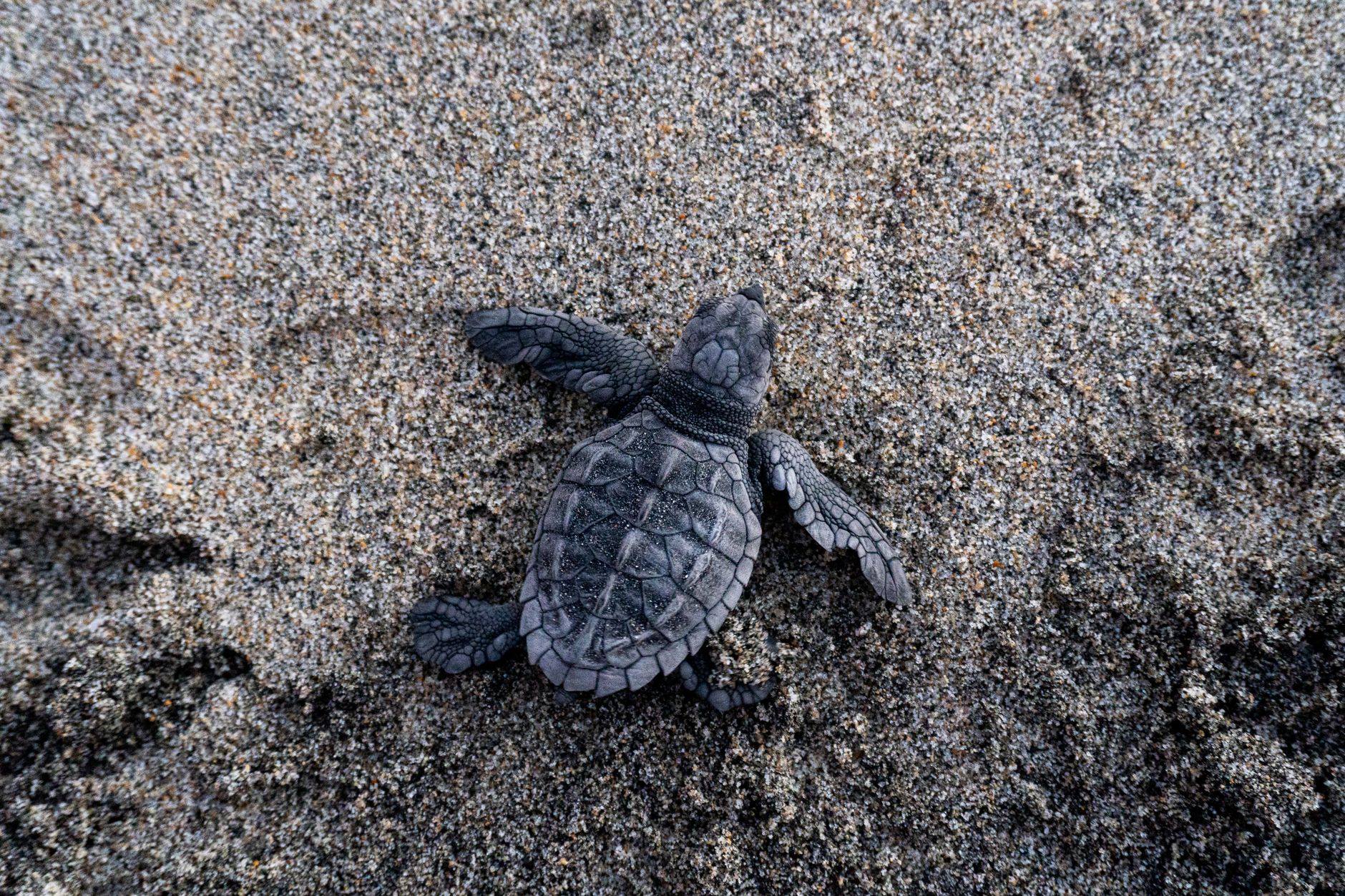
Hatchlings emerge from their nests at night and instinctively crawl towards the brightest horizon, which should be the ocean. They then embark on a perilous journey to the sea, where they face numerous predators. This journey is often referred to as the “hatchling frenzy” during which they use all available energy to reach the ocean and swim offshore.
How long does it take for sea turtle eggs to hatch?
The incubation period for sea turtle eggs varies depending on the species and the temperature of the nest. Loggerhead eggs typically take 50-60 days to hatch, green turtle eggs take 45-75 days, and leatherback eggs take 55-75 days. Warmer temperatures generally lead to faster incubation.
What is the Sea Turtle Stranding and Salvage Network (STSSN)?
The STSSN is a network of trained volunteers and professionals who respond to reports of sick, injured, or dead sea turtles. They provide care, rehabilitation, and data collection to help understand and address threats to sea turtle populations.
What is the impact of plastic pollution on sea turtles?
Plastic pollution poses a significant threat to sea turtles. They can ingest plastic debris, mistaking it for food, which can lead to blockages in their digestive systems and malnutrition. They can also become entangled in plastic, leading to injury or death. Reducing plastic consumption and properly disposing of waste are crucial for protecting sea turtles.
Does the sex of a sea turtle depend on the temperature of the nest?
Yes, the sex of a sea turtle is determined by the temperature of the nest during incubation. Warmer temperatures tend to produce more females, while cooler temperatures tend to produce more males. This phenomenon is known as temperature-dependent sex determination. Climate change, leading to increased temperatures, can potentially skew the sex ratio of sea turtle populations.