
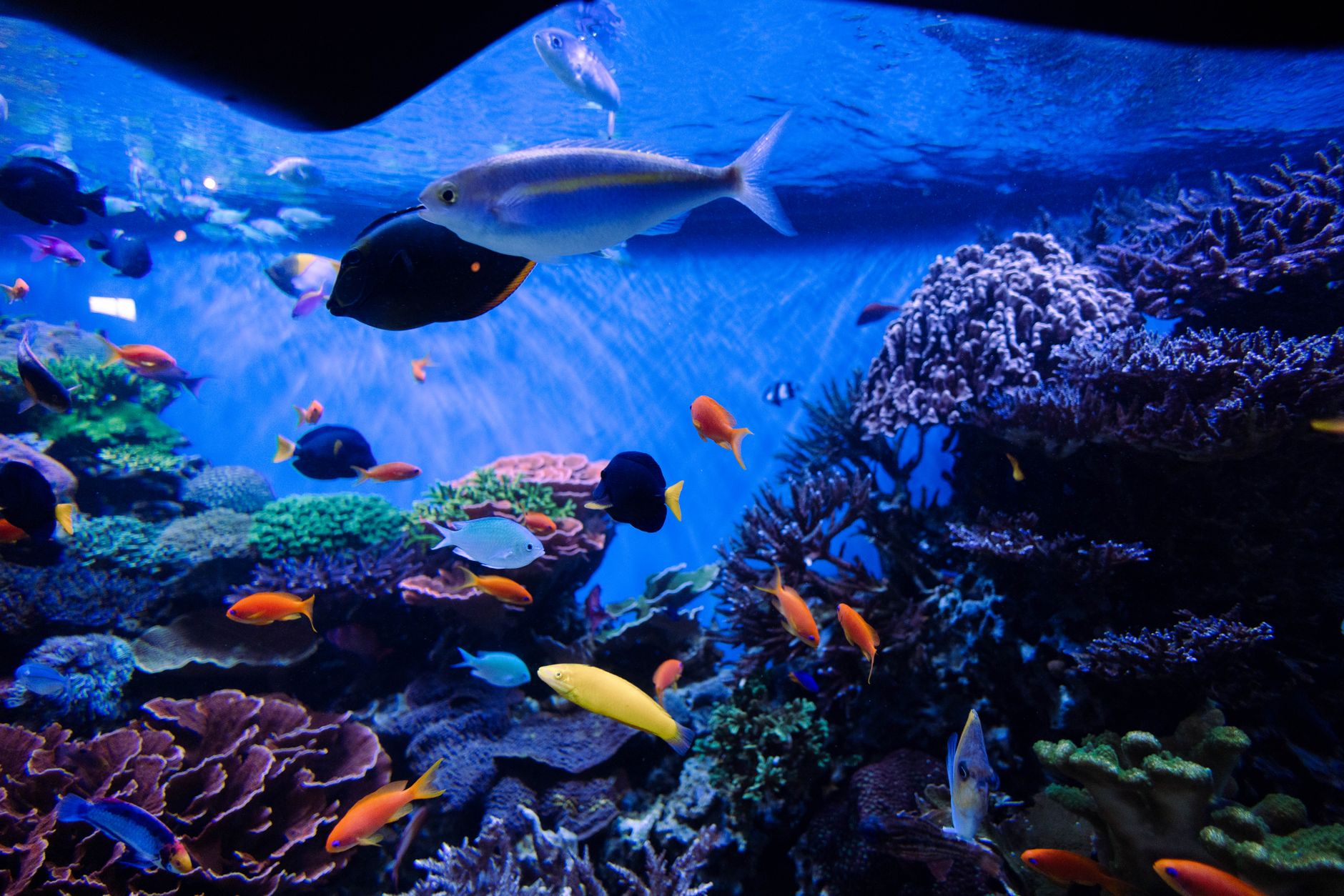
Is 75 Degrees Good for a Fish Tank? Understanding Optimal Aquarium Temperatures
Is 75 degrees good for a fish tank? Yes, in most cases, 75 degrees Fahrenheit is a generally good and safe temperature for many common tropical fish species, promoting their health and well-being.
Introduction to Aquarium Temperature and Its Importance
Maintaining the correct water temperature is crucial for the health and survival of your fish. Temperature directly affects their metabolism, immune system, digestion, and overall activity levels. Too high or too low of a temperature can cause significant stress, increase susceptibility to disease, and even lead to death. Is 75 degrees good for a fish tank is a common question among beginner aquarists, and understanding temperature requirements is a foundational step in responsible fishkeeping.

Can I put pink Himalayan salt in a fish tank?
What fish is Flo?
How intelligent are fish?
Are fish heads good for the garden?
Temperature Considerations for Different Fish Species

Not all fish thrive at the same temperature. Different species originate from various environments, each with its own temperature range. Before setting up your tank, research the specific temperature needs of the fish you plan to keep.
- Tropical Fish: These fish generally prefer temperatures between 72°F and 82°F (22°C to 28°C). Many popular tropical species, like tetras, guppies, and angelfish, are comfortable at 75°F.
- Coldwater Fish: Fish like goldfish and white cloud mountain minnows prefer cooler temperatures, typically between 60°F and 70°F (15°C to 21°C).
- Brackish Water Fish: These fish, which live in slightly salty water, often have temperature ranges similar to tropical fish, but their specific requirements should be researched individually.
Here’s a table with a few examples of commonly kept fish and their ideal temperature ranges:
| Fish Species | Ideal Temperature Range (°F) |
|---|---|
| Neon Tetra | 70-81 |
| Guppy | 72-82 |
| Betta (Siamese Fighting Fish) | 76-82 |
| Angelfish | 78-84 |
| Goldfish | 68-74 |
Setting Up Your Aquarium for Optimal Temperature
Once you know the ideal temperature range for your fish, you need to ensure your aquarium maintains it consistently. This involves selecting the right equipment and understanding environmental factors.
- Aquarium Heater: This is essential for most tropical fish tanks. Choose a heater that is appropriately sized for your tank volume. A general rule is 3-5 watts per gallon of water.
- Thermometer: A reliable thermometer is crucial to monitor the water temperature. Digital thermometers are generally more accurate than stick-on thermometers.
- Location: Place your aquarium in a location away from direct sunlight, drafts, and temperature fluctuations. Sunlight can cause rapid temperature increases, and drafts can lead to heat loss.
Common Mistakes to Avoid
Even with the right equipment, mistakes can happen. Be aware of these common pitfalls to prevent temperature-related problems in your aquarium.
- Overheating: Ensure your heater is not set too high and monitor the temperature regularly. Overheating can stress fish and reduce oxygen levels in the water.
- Sudden Temperature Changes: Avoid drastic temperature changes during water changes. Match the temperature of the new water to the existing water in the tank as closely as possible.
- Using Inaccurate Thermometers: Test your thermometer against a known accurate source to ensure it is providing correct readings.
- Ignoring Room Temperature: If you live in an area with significant temperature fluctuations, you may need to adjust your heater settings accordingly.
Adjusting Tank Temperature
Depending on the environmental variables, it may become necessary to adjust your tank temperature. Here are some methods.
- Lowering the temperature:
- Turn the heater down slowly, a degree or two at a time.
- If that’s not enough, you can float a bag of ice cubes in the tank, monitoring carefully.
- Pointing a fan at the surface of the water can also help with cooling.
- Raising the temperature:
- Turning up the heater setting, incrementally.
- If the heater is insufficient, you may need to purchase a more powerful one.
Frequently Asked Questions About Aquarium Temperature
Is 75 degrees good for a fish tank if I have goldfish?
No, 75 degrees Fahrenheit is generally too warm for goldfish. Goldfish prefer cooler temperatures, typically between 68°F and 74°F (20°C to 23°C). Keeping them at higher temperatures can stress them and make them more susceptible to disease.
Can the temperature fluctuate in my aquarium?
Yes, slight temperature fluctuations are normal and generally not harmful. However, avoid drastic temperature changes of more than a few degrees within a short period, as this can stress your fish.
How do I know if my fish are stressed due to temperature?
Signs of temperature stress in fish include lethargy, loss of appetite, erratic swimming, clamped fins, and rapid breathing. If you notice any of these signs, check the water temperature immediately and adjust it accordingly.
What is the ideal temperature for a betta fish (Siamese fighting fish)?
Betta fish prefer warmer temperatures, typically between 76°F and 82°F (24°C to 28°C). Therefore, is 75 degrees good for a fish tank if it houses bettas? It’s acceptable, but keeping them closer to the upper end of their range is preferable.
Can I use tap water for water changes?
Yes, you can use tap water for water changes, but it is essential to dechlorinate it first to remove harmful chemicals like chlorine and chloramine. Also, ensure the tap water is close to the same temperature as the aquarium water.
How often should I check the temperature of my aquarium?
You should check the temperature of your aquarium daily to ensure it is within the appropriate range for your fish. Early detection of temperature problems can prevent serious health issues.
What happens if the power goes out and my heater stops working?
If the power goes out, the water temperature will gradually decrease. Insulate the tank with blankets or towels to help retain heat. Consider investing in a battery-powered air pump to maintain oxygen levels if the power outage lasts a long time.
Is it better to have a slightly warmer or slightly cooler temperature?
It is generally better to err on the side of slightly warmer, within the acceptable range for your fish, rather than slightly cooler. Warmer temperatures boost their immune system, but warmer water holds less oxygen.
Can I use a fan to cool down my aquarium?
Yes, a fan blowing across the surface of the water can help lower the temperature through evaporation. This is a simple and effective way to cool down your tank during warmer months.
What size heater do I need for my aquarium?
A general rule of thumb is to use 3-5 watts of heater power per gallon of water. For example, a 20-gallon tank would require a 60-100 watt heater. Consider the ambient room temperature when choosing a heater.
Are there fish that can tolerate a wider range of temperatures?
Some fish, like white cloud mountain minnows, are more tolerant of a wider range of temperatures than others. However, it is always best to provide them with their ideal temperature range for optimal health.
If multiple types of fish in the same tank have different temperature preferences, what temperature should I choose?
When keeping multiple species of fish in the same tank, research their individual temperature requirements and choose a temperature that is acceptable for all species. Prioritize the needs of the most sensitive species and avoid extremes. If the species temperature ranges are too different, consider a new aquarium.