
Can I Put Pink Himalayan Salt in a Fish Tank? Unveiling the Salty Truth
The short answer is generally no. While some salts are used in aquariums, pink Himalayan salt is not a suitable alternative to aquarium salt and can actually be harmful to your fish.
Introduction: Salt in Aquariums – A Complex Relationship
The addition of salt to aquariums is a practice with a long history, often used to treat certain fish diseases or improve overall water quality in specific circumstances. However, not all salts are created equal. Understanding the different types of salt, their composition, and their impact on aquatic life is crucial before considering adding any salt to your fish tank. Can I put pink Himalayan salt in a fish tank? The question itself underscores the need for clarity on this topic. While some salts, like aquarium salt, are specifically formulated for this purpose, others, like table salt or pink Himalayan salt, can have detrimental effects.

Why is my white fish pink?
What fish do not need a filtered tank?
What fish is Flo?
How intelligent are fish?
Pink Himalayan Salt: Composition and Properties

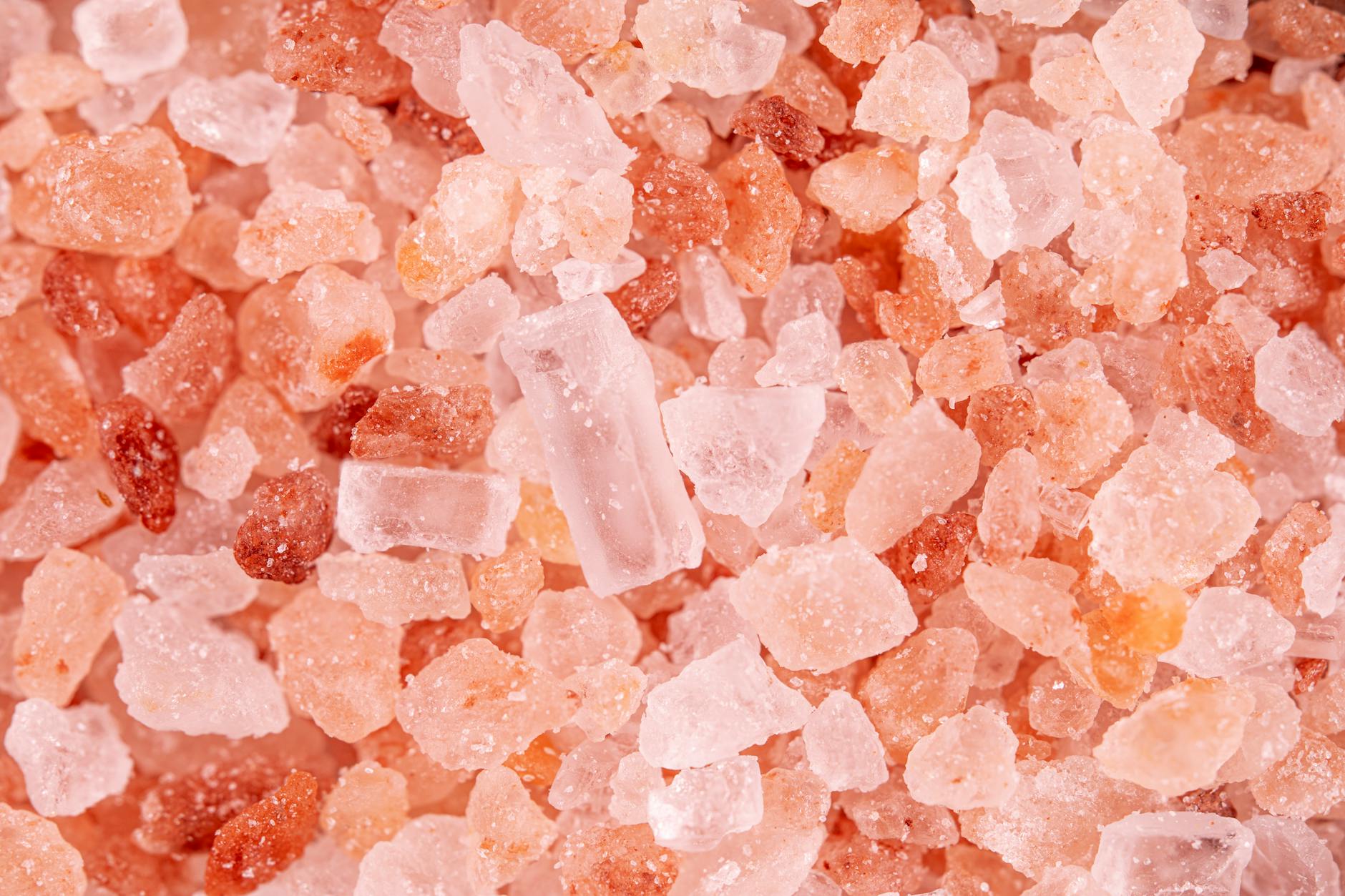
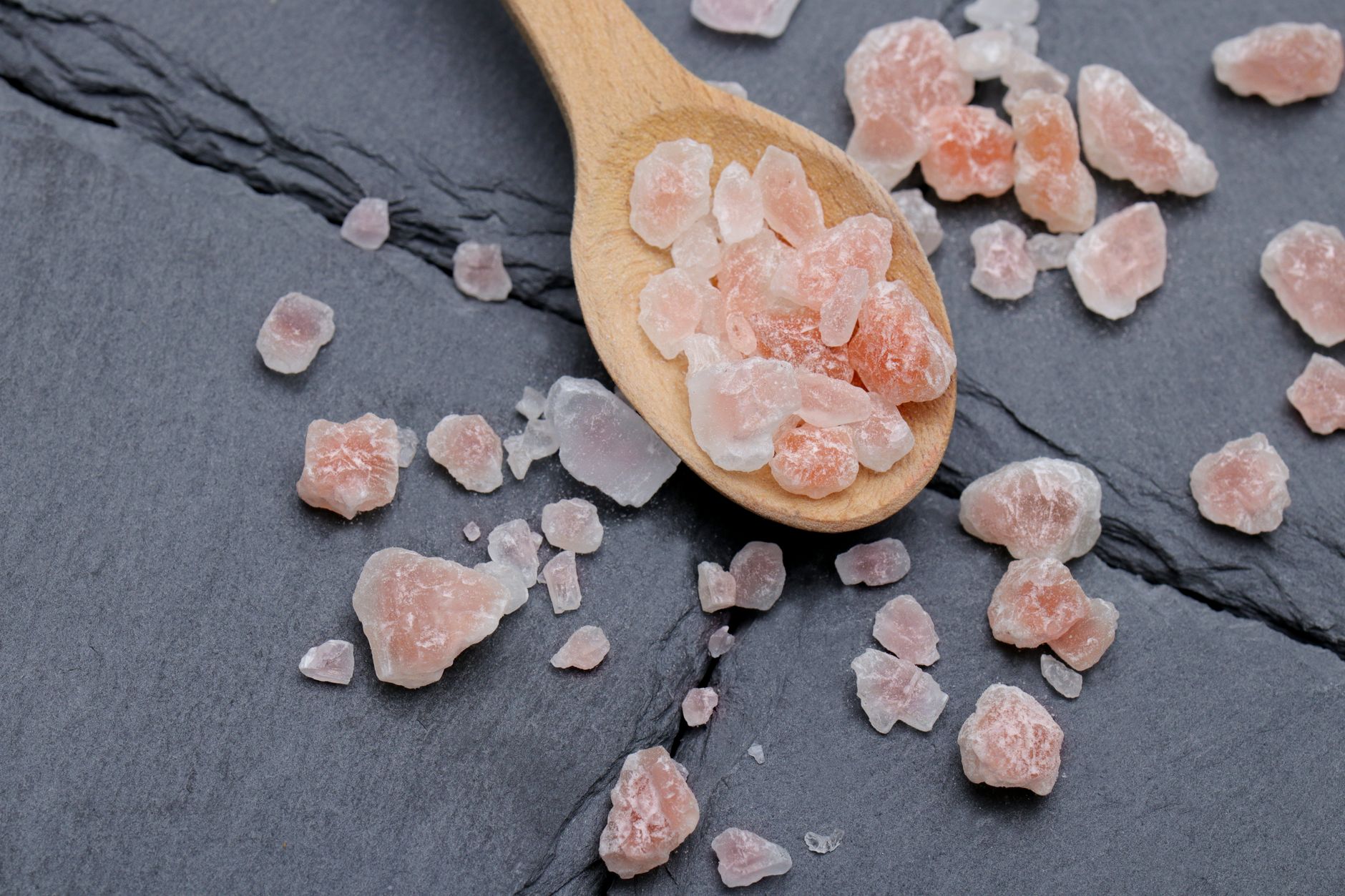
Pink Himalayan salt is mined from the Khewra Salt Mine in Pakistan. Its characteristic pink hue comes from trace minerals such as iron, potassium, and magnesium. While these minerals are essential for human health, their presence and concentration in pink Himalayan salt can create problems in a fish tank environment.
Here’s a breakdown of its typical composition:
| Component | Approximate Percentage |
|---|---|
| Sodium Chloride (NaCl) | 98% |
| Trace Minerals (Iron, Potassium, Magnesium, Calcium, etc.) | 2% |
While 98% sodium chloride might seem similar to aquarium salt, the critical difference lies in the 2% of trace minerals.
Why Pink Himalayan Salt is Not Recommended for Fish Tanks
The trace minerals in pink Himalayan salt can disrupt the delicate balance of a fish tank ecosystem. Here’s why:
- Unpredictable Mineral Levels: The exact concentration of each mineral in pink Himalayan salt varies, making it difficult to control the water chemistry. These minerals can alter the pH, hardness, and overall stability of the tank.
- Toxicity Concerns: Some of the minerals present, even in small amounts, can be toxic to certain fish species or aquatic plants. Copper, for instance, is highly toxic to invertebrates like snails and shrimp.
- Lack of Standardization: Unlike aquarium salt, pink Himalayan salt is not manufactured under controlled conditions for aquarium use. This lack of standardization means there’s no guarantee of purity or consistent mineral composition.
- Limited Benefits: The purported health benefits of pink Himalayan salt for humans (electrolyte balance, detoxification, etc.) do not directly translate to benefits for fish in a closed aquarium environment.
Essentially, the variability and unknown effects of the added minerals make it a risky addition to any aquarium.
Safe Alternatives: Aquarium Salt and Marine Salt Mix
When adding salt to a fish tank is necessary (for treating diseases or specific species needs), the following are the safest and most appropriate options:
- Aquarium Salt: This is pure sodium chloride (NaCl) designed specifically for freshwater aquariums. It’s free of additives and is used to treat certain fish diseases, such as ich (white spot disease), and can help reduce stress in fish during transport or water changes. Always follow the manufacturer’s instructions for dosage.
- Marine Salt Mix: This is a complex blend of salts and trace elements designed to replicate the composition of natural seawater. It’s used exclusively for saltwater aquariums and should never be used in freshwater tanks.
When is Salt Used in Fish Tanks?
Salt is not a universal requirement for all fish tanks. It is primarily used in these situations:
- Disease Treatment: Salt can be an effective treatment for certain parasitic infections like ich and fungus.
- Stress Reduction: Adding a small amount of aquarium salt can help reduce stress in fish during transport, acclimation to a new tank, or after water changes.
- Osmotic Balance: In some freshwater fish species, salt can help maintain osmotic balance, particularly in fish that have been injured or are suffering from disease.
- Specific Species Needs: Certain fish species, such as brackish water fish like mollies or guppies, thrive in slightly salty water.
Common Mistakes to Avoid When Using Salt in Fish Tanks
- Using the wrong type of salt: As mentioned above, table salt, pink Himalayan salt, and other non-aquarium-specific salts should be avoided.
- Overdosing: Adding too much salt can be harmful to fish and plants. Always follow the manufacturer’s instructions carefully.
- Adding salt to tanks with sensitive fish: Some fish, such as catfish and tetras, are highly sensitive to salt and may not tolerate even small amounts.
- Forgetting to remove salt during water changes: Salt does not evaporate, so it accumulates in the tank over time. Regular water changes are necessary to prevent the salt concentration from becoming too high.
Frequently Asked Questions (FAQs)
Is there any situation where I could use pink Himalayan salt in an aquarium?
No, there is no recommended situation where using pink Himalayan salt in an aquarium is advisable. The unpredictable mineral content poses more risks than potential benefits.
What are the symptoms of salt poisoning in fish?
Symptoms of salt poisoning include erratic swimming, lethargy, loss of appetite, increased mucus production, and difficulty breathing. In severe cases, it can lead to organ failure and death.
How do I safely add aquarium salt to my fish tank?
Dissolve the aquarium salt in a separate container of dechlorinated water before adding it to the tank. Add the solution slowly and monitor your fish for any signs of stress.
How often should I add salt to my fish tank?
Salt should only be added as needed for treatment or specific species requirements. Routine use is not recommended.
How much salt should I add to my fish tank?
The dosage of aquarium salt varies depending on the reason for its use. Always follow the manufacturer’s instructions and monitor your fish closely. A common starting point is 1 tablespoon per 5 gallons of water, but this can vary.
Can I use sea salt instead of aquarium salt?
No. Sea salt intended for cooking is not the same as marine salt mix or aquarium salt. It can contain additives and impurities that are harmful to fish.
Will adding salt to my fish tank harm my plants?
Some aquatic plants are sensitive to salt. It’s important to research the salt tolerance of your plants before adding any salt to your tank.
How do I remove salt from my fish tank?
The only way to remove salt from your fish tank is through water changes.
What should I do if I accidentally added pink Himalayan salt to my fish tank?
Perform a large water change (50-75%) immediately to dilute the salt concentration. Monitor your fish closely for any signs of stress or illness. Consider using a water testing kit to assess the water parameters.
Can I use Epsom salt instead of aquarium salt?
Epsom salt (magnesium sulfate) is different from aquarium salt (sodium chloride). Epsom salt has different uses and is primarily used to treat specific conditions like dropsy or constipation.
Does salt affect the nitrogen cycle in a fish tank?
High concentrations of salt can disrupt the nitrogen cycle, inhibiting the growth of beneficial bacteria. This is another reason to avoid overdosing on salt.
Where can I find reliable information about using salt in aquariums?
Reputable sources include aquarium-specific websites, books on fishkeeping, and advice from experienced aquarists or veterinarians specializing in aquatic animals.