

Can Owls Really See in the Dark? Unveiling the Secrets of Night Vision
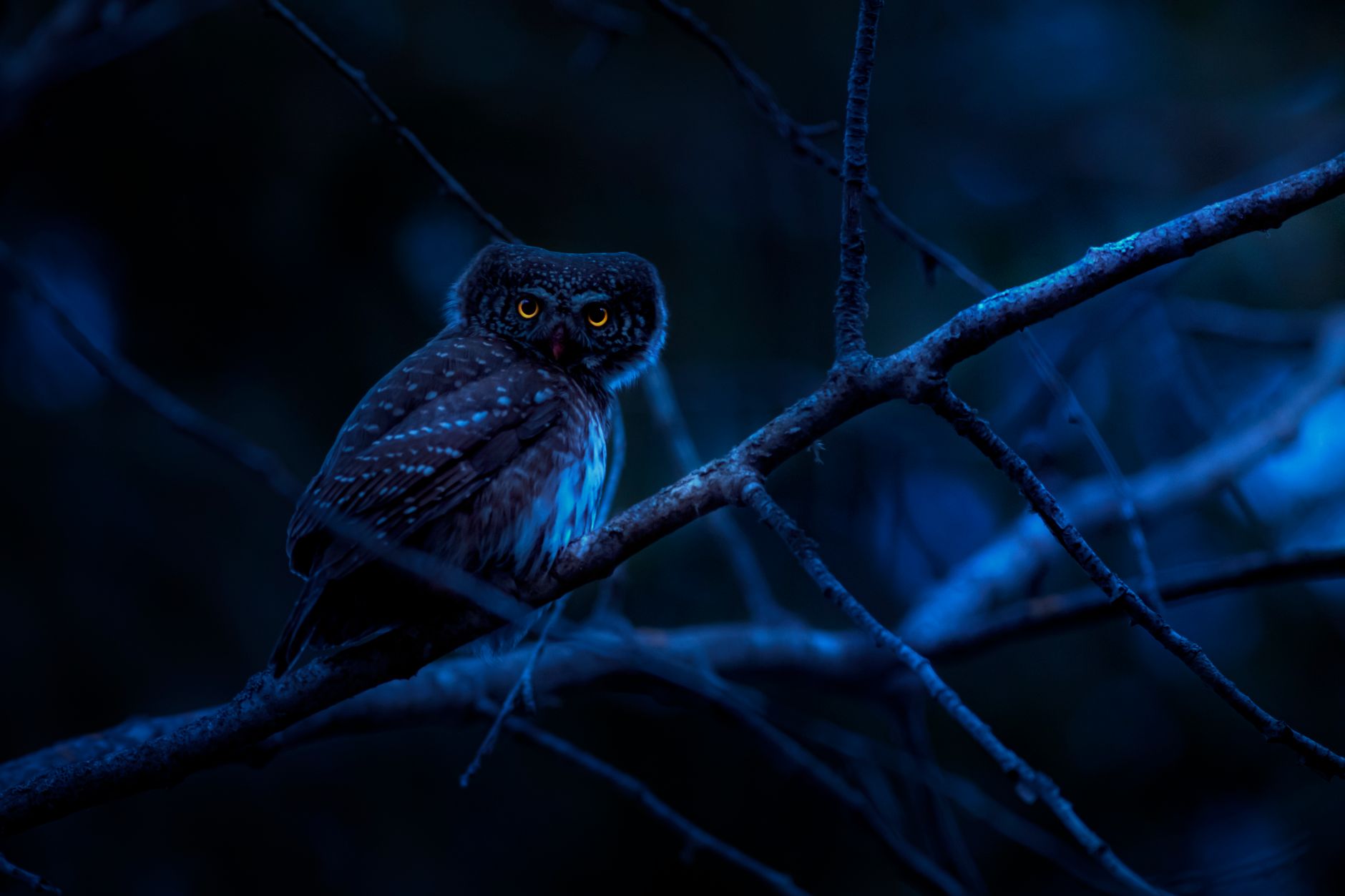
Can owls see in the dark? The answer is a resounding yes, but with a crucial caveat: Owls possess exceptional night vision thanks to specialized adaptations, but they cannot see in complete darkness; they require at least some ambient light.

A Deep Dive into Owl Night Vision
Owls are renowned for their ability to hunt in low-light conditions, a skill honed over millennia. Understanding how they achieve this remarkable feat requires examining several key anatomical and physiological adaptations. These adaptations, working synergistically, allow owls to exploit nocturnal niches unavailable to many other predators.
What colours are fish most attracted to?
Can you put your finger in a trout's mouth?
Is methylene blue anti bacterial?
Does aquarium salt raise pH in aquarium?
Anatomical Adaptations for Superior Night Vision
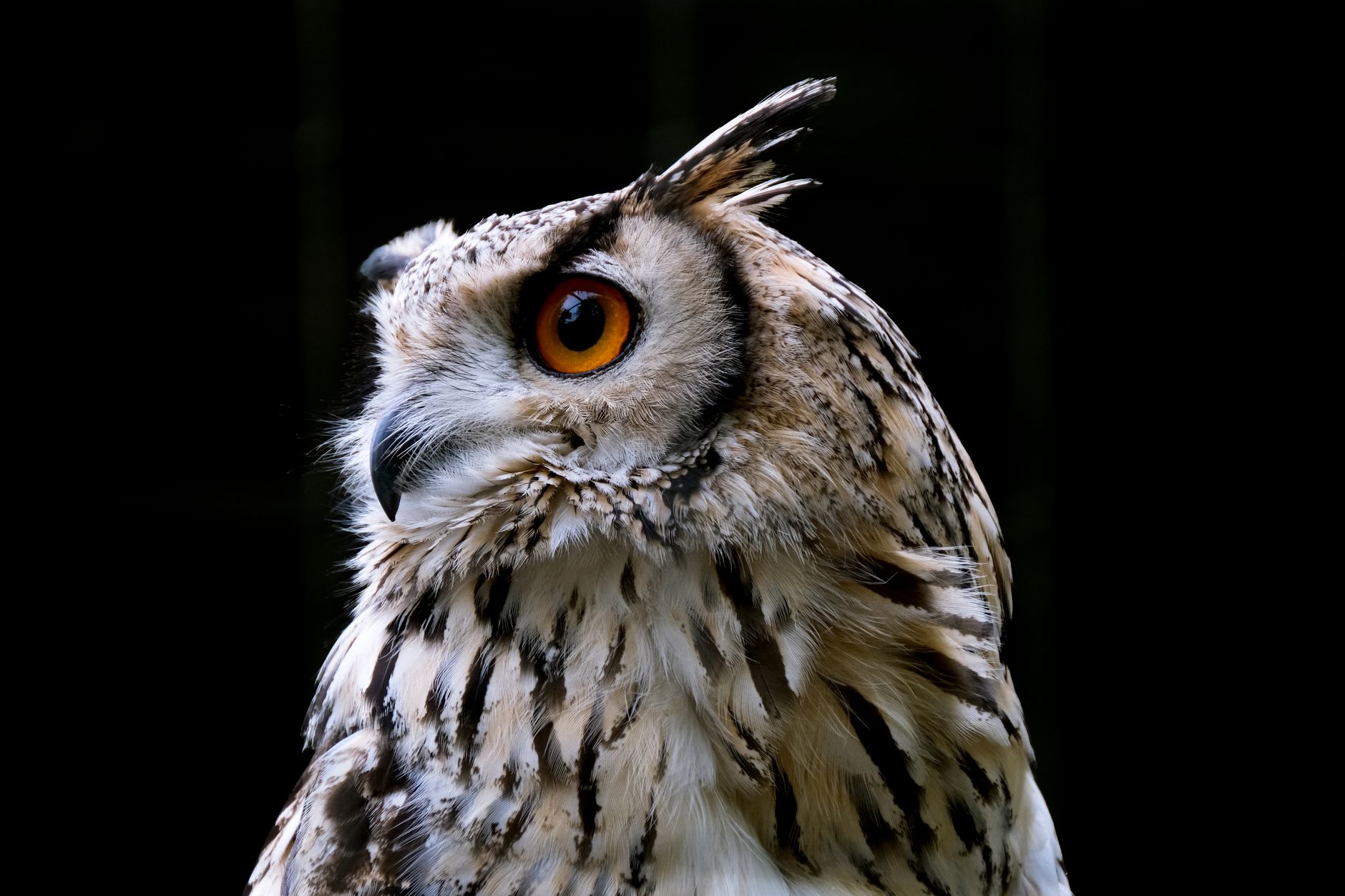
The unique physical attributes of an owl’s eye are the foundation of its exceptional night vision. Their eyes aren’t just larger than those of most birds, they are also specifically designed to gather and process even the faintest glimmers of light.
- Large Eye Size: Owl eyes are disproportionately large relative to their body size. This larger size allows for a greater light-gathering capacity. Think of it like a larger bucket catching more raindrops.
- Tubular Eye Shape: Unlike the spherical eyes of humans, owl eyes are tubular. This elongated shape maximizes the focal length, effectively creating a telephoto lens that magnifies the image and enhances light sensitivity. This tubular shape also restricts eye movement within the socket, which is why owls compensate with their extraordinary neck flexibility.
- Numerous Rod Cells: The retina, the light-sensitive tissue at the back of the eye, contains two types of photoreceptor cells: rods and cones. Rods are responsible for vision in low light, while cones are responsible for color vision and daytime acuity. Owls possess an incredibly high concentration of rod cells, far exceeding that of humans or other diurnal birds. This abundance of rods allows them to detect even the faintest photons of light.
- Tapetum Lucidum: A tapetum lucidum is a reflective layer located behind the retina. This layer acts like a mirror, reflecting light back through the retina, giving the photoreceptor cells a second chance to detect the light. This significantly enhances light sensitivity, particularly in extremely low-light conditions. Many nocturnal animals, including cats, possess a tapetum lucidum, which is responsible for the “eye shine” observed in these animals at night.
Physiological Processes Enhancing Low-Light Vision
Beyond the anatomical structures, physiological processes within the owl’s eye further contribute to their extraordinary night vision.
- Pupil Dilation: Owls can dilate their pupils to a much greater extent than humans. This wider aperture allows more light to enter the eye, further enhancing light-gathering capacity.
- Neural Processing: The owl’s brain is also specialized for processing visual information gathered in low-light conditions. Neural pathways are optimized to amplify weak signals from the retina, enhancing the perception of faint images.
Limitations of Owl Night Vision
While owls possess exceptional night vision, it’s important to understand its limitations.
- Not True Darkness: Owls cannot see in complete darkness. They require at least some ambient light, such as starlight or moonlight, to function.
- Daytime Acuity: While their night vision is superb, their daytime vision is relatively less sharp due to the high concentration of rod cells, which are not ideal for bright light and color perception.
- Depth Perception: Although owls possess binocular vision, which aids in depth perception, their reliance on low-light conditions can affect their ability to judge distances accurately in certain situations.
Comparative Analysis of Night Vision: Owl vs. Human
| Feature | Owl | Human |
|---|---|---|
| Eye Size | Large, relative to body size | Smaller, relative to body size |
| Eye Shape | Tubular | Spherical |
| Rod Cell Density | Very High | Lower |
| Tapetum Lucidum | Present | Absent |
| Pupil Dilation | Greater | Less |
| Daytime Acuity | Lower | Higher |
| Low-Light Vision | Exceptional | Limited |
The Evolutionary Advantage of Owl Night Vision
The remarkable night vision of owls provides them with a significant evolutionary advantage. It allows them to:
- Exploit Nocturnal Niches: Access prey unavailable to diurnal predators.
- Reduce Competition: Avoid direct competition with other predators active during the day.
- Increase Hunting Success: Improve their ability to locate and capture prey in low-light conditions.
- Enhance Survival: Increase their overall chances of survival and reproduction.
Frequently Asked Questions About Owl Vision
Can owls see in color?
While owls primarily rely on rod cells for low-light vision, they do possess some cone cells, which enable them to perceive color. However, their color vision is likely less vibrant and detailed than that of humans or other diurnal birds. The importance of color vision for owls is secondary to their exceptional night vision capabilities.
How far can owls see?
The exact distance an owl can see depends on several factors, including the species of owl, the ambient light levels, and the size and contrast of the target. However, given their exceptional visual acuity in low light, owls can detect prey from considerable distances, often far exceeding what humans can see in similar conditions. Their ability to resolve detail at a distance is also remarkable.
Why do owls have such large eyes?
The large size of an owl’s eyes is directly related to their need for superior night vision. Larger eyes allow for a greater light-gathering capacity, enabling them to detect even the faintest photons of light in low-light conditions. This is a critical adaptation for nocturnal hunters.
Do all owls have the same level of night vision?
No, the level of night vision varies among different species of owls. Owls that inhabit darker environments or rely more heavily on nocturnal hunting tend to have more highly developed adaptations for low-light vision than those that hunt in more open or brighter conditions. Habitat plays a key role.
How do owls compensate for their limited eye movement?
Because their tubular eyes restrict eye movement within the sockets, owls have evolved an extraordinary ability to rotate their heads. They can rotate their heads up to 270 degrees, allowing them to scan their surroundings and track prey without moving their bodies. This incredible neck flexibility is crucial for their hunting success.
What is the tapetum lucidum, and how does it help owls see in the dark?
The tapetum lucidum is a reflective layer located behind the retina in the eyes of many nocturnal animals, including owls. This layer reflects light back through the retina, giving the photoreceptor cells a second chance to detect the light. This significantly enhances light sensitivity, particularly in extremely low-light conditions. It’s like having a built-in light amplifier.
Are owls completely blind during the day?
No, owls are not completely blind during the day, but their daytime vision is generally less sharp than their night vision. The high concentration of rod cells in their retinas, which are ideal for low-light conditions, can actually be overwhelming in bright light.
How do owls find prey in total silence?
While vision is crucial, some owl species also possess exceptional hearing, which they use to locate prey. They can pinpoint the location of a mouse rustling under the snow by relying on subtle auditory cues. The combination of excellent vision and hearing makes them incredibly effective hunters.
What is binocular vision, and how does it help owls?
Binocular vision refers to the ability to see with both eyes simultaneously, allowing for depth perception. Owls possess binocular vision, which helps them judge distances accurately and improve their ability to capture prey. However, the extent of their binocular field of view varies depending on the species.
Do baby owls have good night vision right away?
No, baby owls’ night vision develops over time. Like many other senses, it takes time for the visual system to fully mature and reach its peak performance. Young owls rely on their parents for food and protection until their night vision is sufficiently developed for independent hunting.
Can owls see infrared or ultraviolet light?
There is no conclusive evidence to suggest that owls can see infrared or ultraviolet light. Their visual system is primarily adapted for detecting visible light within the range of wavelengths that humans can see, albeit with much greater sensitivity in low-light conditions.
How does pollution affect owl vision and hunting abilities?
Light pollution can significantly impact owl vision and hunting abilities. Artificial light at night can disrupt their natural hunting patterns, reduce their ability to detect prey, and even affect their mating behaviors. Conservation efforts should aim to minimize light pollution in owl habitats to protect their visual capabilities.