

Are Fish Heads Good for the Garden? Unveiling a Fisherman’s Secret
Yes, fish heads are incredibly beneficial for the garden. They are a rich source of nutrients, including nitrogen, phosphorus, and potassium, which act as a slow-release fertilizer and improve soil health, making fish heads a surprisingly potent addition to your gardening arsenal.

The Surprising History and Logic Behind Fish Head Gardening
The practice of using fish byproducts, including heads, as fertilizer is ancient, spanning across cultures and continents. Indigenous communities have long understood the value of fish as a soil amendment, recognizing its potent contribution to plant growth. This wisdom, once passed down through generations, is now supported by modern scientific understanding of soil science and decomposition. Today, gardeners are rediscovering the benefits of this sustainable and resourceful approach.

Can fish hear water?
What is cotton rot in fish?
What colours are fish most attracted to?
Is 75 degrees good for a fish tank?
Why Fish Heads Excel as a Natural Fertilizer
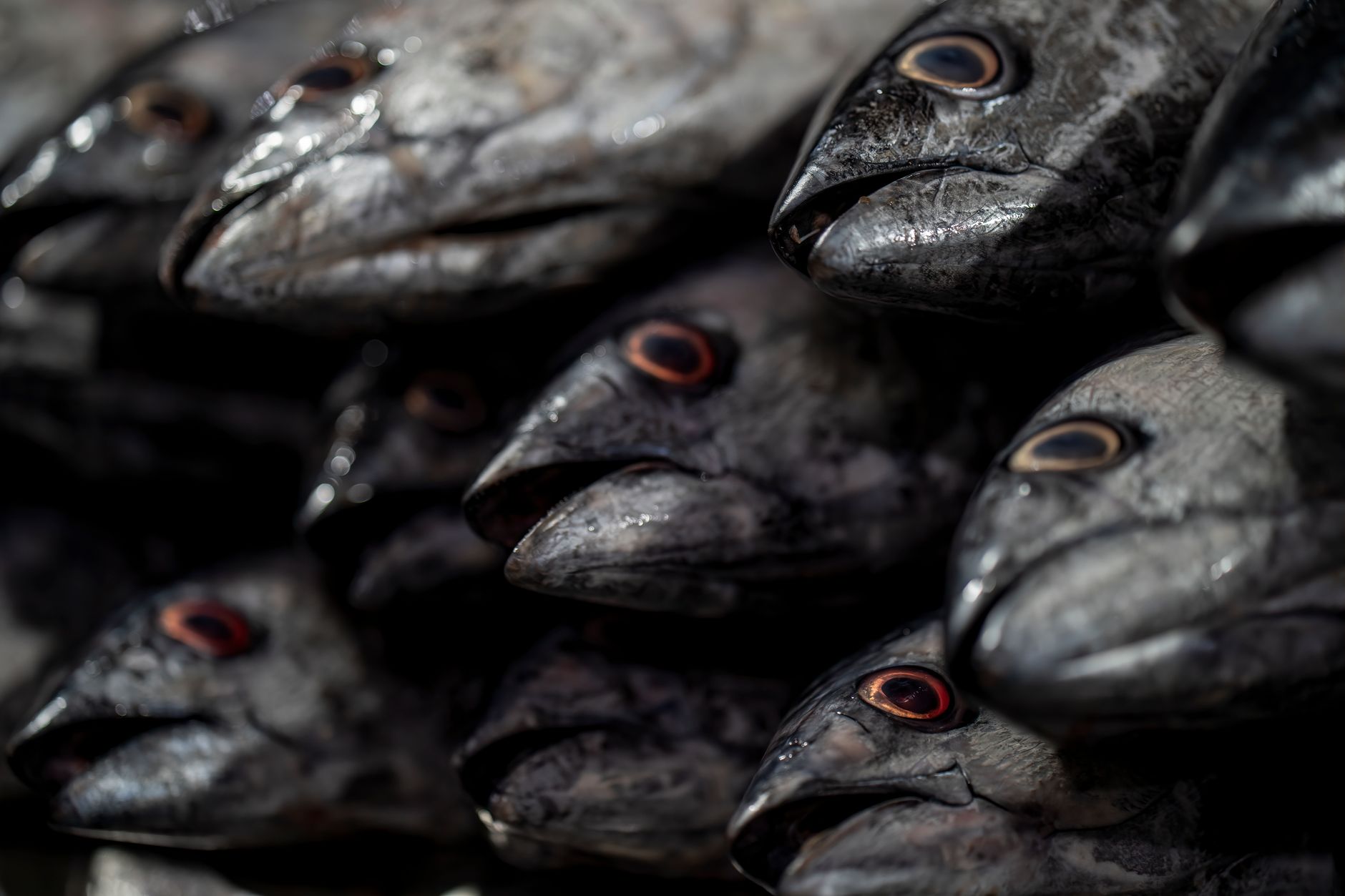
Are fish heads good for the garden? The answer lies in their unique nutrient composition. Unlike synthetic fertilizers that provide a rapid burst of nutrients, fish heads offer a slow-release option, feeding plants gradually over time as they decompose. Here’s a breakdown of their key benefits:
- Nitrogen: Essential for leafy green growth and overall plant vigor.
- Phosphorus: Promotes strong root development and flowering.
- Potassium: Contributes to disease resistance and fruit production.
- Calcium: Improves cell wall strength and nutrient uptake.
- Trace Minerals: Supplies a variety of micronutrients vital for plant health.
This natural nutrient profile makes fish heads an ideal, organic fertilizer for a variety of plants. They contribute to healthier soil, stronger plants, and ultimately, more bountiful harvests.
How to Bury Fish Heads for Optimal Garden Results
Properly burying fish heads is crucial to reap their benefits while avoiding unwanted odors or attracting pests. Here’s a step-by-step guide:
- Choose your location: Select areas where you plan to plant or are currently growing plants. Ideal locations include vegetable gardens, flower beds, and even around fruit trees.
- Dig a deep hole: Aim for a depth of at least 12 inches (30 cm). This depth minimizes odors and prevents animals from digging them up.
- Place the fish head(s): Deposit the fish head(s) into the bottom of the hole. Larger heads can be placed individually, while smaller heads can be grouped together.
- Cover with soil: Completely cover the fish head(s) with soil, ensuring there are no exposed parts. Compact the soil slightly.
- Plant or amend: You can plant directly above the buried fish head(s) or wait a few weeks for decomposition to begin. Amending the soil with compost further enhances nutrient availability.
It’s generally recommended to bury one fish head per plant (for mature plants) or a smaller portion for seedlings. Keep a distance of 6-12 inches between the head and the plant’s root system.
Addressing Common Concerns: Odor and Pests
A primary concern many gardeners have about using fish heads as fertilizer is the potential for unpleasant odors and attracting pests. Fortunately, these issues can be effectively mitigated with proper burial and proactive measures. The key is ensuring the fish heads are buried deep enough – at least 12 inches – to prevent animals from digging them up and to minimize odor release.
- Deep Burial: As mentioned, depth is critical.
- Composting: Pre-composting the fish heads can reduce odors before burial.
- Wire Mesh: Placing wire mesh over the burial site can deter digging animals.
- Companion Planting: Planting aromatic herbs like mint or rosemary around the area can help mask any residual odor.
Fish Heads: The Organic Gardener’s Secret Weapon
Are fish heads good for the garden? Absolutely! They are a powerful, natural, and sustainable fertilizer that can significantly improve soil health and plant growth. By following proper burial techniques, you can harness the potent benefits of fish heads while minimizing any potential drawbacks. This ancient practice is experiencing a resurgence, and for good reason – it works! Embrace this eco-friendly approach and watch your garden flourish.
Comparison Table: Fish Heads vs. Synthetic Fertilizers
| Feature | Fish Heads (Organic) | Synthetic Fertilizers |
|---|---|---|
| Nutrient Release | Slow-release, gradual feeding | Rapid-release, immediate boost |
| Environmental Impact | Sustainable, reduces waste, enriches soil microbiome | Can contribute to water pollution, depletes soil life |
| Cost | Free (if you already have them), or inexpensive | Can be expensive, recurring cost |
| Nutrients | Complete nutrient profile, including trace minerals | Often lacks trace minerals, focused on NPK |
| Soil Health | Improves soil structure and water retention | Can damage soil structure with overuse |
Understanding Decomposition and Nutrient Cycling
The magic of fish heads in the garden lies in the decomposition process. Microorganisms in the soil break down the organic matter in the fish heads, releasing nutrients in a form that plants can readily absorb. This process also contributes to improved soil structure, water retention, and the overall health of the soil ecosystem. The rate of decomposition depends on factors such as soil temperature, moisture levels, and the presence of microorganisms. Warmer, moister soil generally leads to faster decomposition.
Common Mistakes to Avoid When Using Fish Heads
While using fish heads as fertilizer is relatively straightforward, there are a few common mistakes to avoid:
- Shallow burial: Burying the fish heads too close to the surface can attract pests and cause unpleasant odors.
- Overuse: Applying too many fish heads in one area can lead to nutrient imbalances.
- Direct contact with roots: Placing the fish heads directly against plant roots can cause burning.
- Ignoring soil conditions: Amend the soil with compost to improve decomposition and nutrient availability.
- Using diseased fish: Only use fish heads from healthy fish to avoid introducing pathogens to the garden.
Beyond Fish Heads: Utilizing Other Fish Byproducts
While fish heads are an excellent resource, other fish byproducts, such as bones, scales, and guts, can also be used as fertilizer. These materials can be composted or buried in a similar manner to fish heads. Fish emulsion, a liquid fertilizer made from fish scraps, is another popular option.
Frequently Asked Questions (FAQs)
Can I use fish heads in potted plants?
Yes, fish heads can be used in potted plants, but it’s important to scale down the amount. Use smaller pieces of fish head and ensure good drainage in the pot to prevent waterlogging. A general rule of thumb is to use about 1/4 of a fish head for a medium-sized pot (12-14 inches in diameter).
What types of plants benefit most from fish head fertilizer?
Plants that benefit most are heavy feeders like tomatoes, peppers, squash, and leafy greens. Fruit trees also respond well to fish head fertilizer, as phosphorus promotes flowering and fruit production.
How long does it take for the fish head to decompose and release nutrients?
The decomposition time varies depending on soil conditions, but generally, it takes several weeks to a few months for the fish head to fully decompose and release its nutrients. Warmer temperatures and moist soil speed up the process.
Can I use frozen fish heads directly from the freezer?
Yes, frozen fish heads can be used directly. They will thaw in the soil and decompose naturally. There is no need to thaw them beforehand.
Will fish heads attract rodents or other unwanted animals?
If buried properly (at least 12 inches deep), the risk of attracting rodents is minimal. Using wire mesh or companion planting can further deter animals.
What should I do if I notice a strong odor after burying the fish heads?
If a strong odor persists, ensure the fish heads are buried deeper. Adding a layer of compost or activated charcoal to the soil surface can also help absorb odors.
Is it safe to use fish heads from saltwater fish in the garden?
Yes, fish heads from both saltwater and freshwater fish can be used. However, it’s best to avoid using fish heads from fish that may contain high levels of mercury or other contaminants.
Can I compost fish heads instead of burying them directly?
Yes, composting fish heads is an excellent option. It helps break them down faster and reduces odors. Ensure your compost pile is well-balanced with carbon-rich materials like leaves and straw.
How often should I apply fish head fertilizer to my garden?
A single application per growing season is generally sufficient. However, for heavy feeders, you can supplement with other organic fertilizers as needed.
Can I use fish heads on all types of soil?
Fish heads are beneficial for most soil types. However, amend heavy clay soils with compost to improve drainage and aeration before burying the fish heads.
Are there any plants that should not be fertilized with fish heads?
Generally, fish heads are safe for most plants. However, avoid using them on acid-loving plants like blueberries or azaleas, as they can raise the soil pH.
What is the best time of year to bury fish heads in the garden?
The best time to bury fish heads is in the fall or early spring before planting. This allows ample time for decomposition to occur before plants need the nutrients.