

What Do Hatched Baby Brine Shrimp Look Like? An Expert Guide
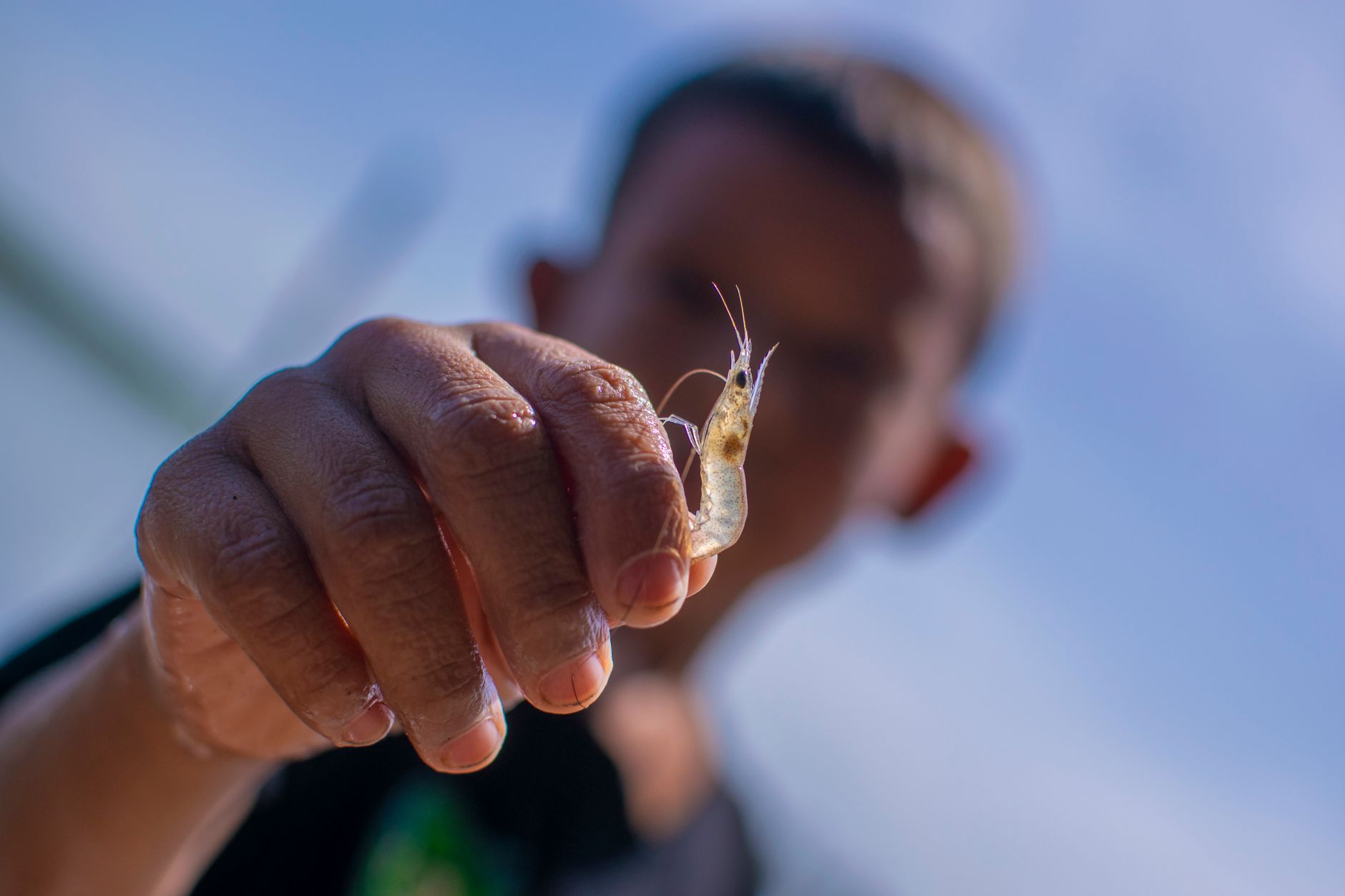
Hatched baby brine shrimp, also known as Artemia nauplii, appear as tiny, vibrant orange specks moving rapidly in the water column; they are elongated and simple in form, perfectly adapted for their brief, but critical, nutritional role.

Introduction to Artemia Nauplii
Brine shrimp, Artemia salina, are small crustaceans that thrive in highly saline environments. Their eggs, known as cysts, can remain dormant for years and hatch rapidly when placed in saltwater. The newly hatched larvae, called nauplii, are a vital food source for countless aquatic animals, especially in aquaculture and the aquarium hobby. Understanding what do hatched baby brine shrimp look like? is essential for anyone involved in raising fish, invertebrates, or amphibians. These tiny organisms are not only nutritious but also easily cultured, making them a readily available and cost-effective live food option.
The Early Stages of Life: From Cyst to Nauplius
The hatching process is triggered by specific environmental conditions, primarily salinity, temperature, and light. Once hatched, the nauplius undergoes several molts, gradually growing and developing into an adult brine shrimp. However, it’s the freshly hatched stage that’s most valuable as a food source due to its high nutritional content and ease of digestion.
Here’s a simplified overview of the hatching process:
- Cysts: The dormant eggs are dehydrated and encased in a protective shell.
- Hydration: When exposed to saltwater, the cysts absorb water and begin the metabolic processes required for hatching.
- Breaking Free: The nauplius breaks free from the cyst.
- Swimming Free: The nauplius swims actively using its antennae for locomotion.
What do hatched baby brine shrimp look like? In Detail
Freshly hatched baby brine shrimp, or nauplii, have a distinctive appearance. They are typically orange to reddish-orange in color, thanks to the presence of hemoglobin that helps them efficiently absorb oxygen. They are extremely small, usually measuring between 400 and 500 micrometers (0.4-0.5 mm) in length. Under magnification, you can see their simple body structure:
- Elongated body: A cylindrical shape, tapering slightly at the posterior end.
- Antennae: Three pairs of antennae used for swimming and sensory perception.
- Eye spot: A single, centrally located eye spot that detects light.
- Yolk sac: A prominent yolk sac provides nourishment for the first few hours of their life.
Nutritional Benefits of Artemia Nauplii
Baby brine shrimp are prized for their high nutritional value. They are rich in protein, essential fatty acids, and carotenoids, all crucial for the growth and development of young fish and invertebrates. The yolk sac, in particular, is packed with nutrients.
| Nutrient | Benefit |
|---|---|
| :————- | :————————————————————- |
| Protein | Essential for tissue growth and repair. |
| Fatty Acids | Crucial for brain development and overall health. |
| Carotenoids | Enhance coloration and boost the immune system. |
Hatching Baby Brine Shrimp: A Step-by-Step Guide
Hatching baby brine shrimp is a straightforward process, but attention to detail is key to maximizing hatch rates.

- Prepare the Hatching Container: Use a conical-bottom container or a bottle with an air stone.
- Add Saltwater: Use marine salt mix to create a solution with a specific gravity of 1.018 to 1.020.
- Add Brine Shrimp Cysts: Sprinkle the cysts evenly over the surface of the water.
- Provide Aeration: Use an air pump and air stone to keep the water oxygenated and the cysts in suspension.
- Maintain Temperature: Keep the water temperature between 80-82°F (26-28°C).
- Provide Light: Expose the hatching container to light (artificial or natural) to stimulate hatching.
- Harvest the Nauplii: After 18-24 hours, the nauplii should be hatched. Turn off the aeration and allow the empty shells to settle. Siphon the nauplii from the bottom of the container using a brine shrimp net.
Common Mistakes When Hatching Brine Shrimp
While hatching brine shrimp is relatively simple, there are some common pitfalls to avoid:
- Using old or low-quality cysts: Cysts lose viability over time.
- Incorrect salinity: Too much or too little salt can inhibit hatching.
- Insufficient aeration: Lack of oxygen can suffocate the developing nauplii.
- Improper temperature: Temperatures outside the optimal range can slow down or prevent hatching.
- Poor water quality: Dirty or contaminated water can harm the nauplii.
Post-Hatch Considerations: Enrichment and Feeding
Once hatched, the nauplii can be fed directly to your fish or invertebrates. However, for optimal nutrition, consider enriching them with commercially available enrichment products like Selcon or algae concentrates. This will boost their nutritional value and make them even more beneficial for your aquatic pets. Remember to use the nauplii soon after hatching, as they will deplete their yolk sac reserves after 12-24 hours.
Frequently Asked Questions (FAQs)
What is the ideal salinity for hatching brine shrimp?
The ideal salinity for hatching brine shrimp is typically between 1.018 and 1.020 specific gravity, which corresponds to approximately 30-35 parts per thousand (ppt) salinity. This mimics the natural environment where brine shrimp thrive. Too much or too little salt can negatively impact hatch rates.
How long does it take for brine shrimp eggs to hatch?
Hatching time is primarily dependent on temperature. At the optimal temperature of 80-82°F (26-28°C), brine shrimp eggs will usually hatch within 18-24 hours. Lower temperatures will significantly prolong the hatching time.
Can I use tap water to hatch brine shrimp?
It’s generally not recommended to use tap water directly for hatching brine shrimp. Tap water often contains chlorine or chloramine, which can be harmful to the developing nauplii. It’s best to use dechlorinated water or a marine salt mix dissolved in purified water.
What is the best temperature for hatching brine shrimp?
The optimal temperature for hatching brine shrimp is between 80-82°F (26-28°C). Maintaining this temperature range will ensure the fastest and highest hatch rates.
How can I tell if my brine shrimp eggs are viable?
A simple test is to place a small sample of the eggs in a saltwater solution under optimal conditions. If a large percentage of the eggs hatch within 24 hours, the batch is likely viable. Poor hatch rates suggest the eggs are old or of low quality.
Why are my brine shrimp not hatching?
There are several reasons why brine shrimp may not hatch. Common causes include old or low-quality cysts, incorrect salinity, insufficient aeration, improper temperature, or poor water quality. Troubleshooting each of these factors can help identify the issue.
How long can I keep hatched baby brine shrimp alive?
Hatched baby brine shrimp will only survive for a relatively short time without feeding. They deplete their yolk sac reserves within 12-24 hours. If you need to keep them alive longer, you can feed them microalgae or commercially available Artemia feeds.
Are baby brine shrimp attracted to light?
Yes, baby brine shrimp are positively phototactic, meaning they are attracted to light. This can be used to your advantage when harvesting them. Shine a light on one side of the hatching container, and the nauplii will congregate towards the light source.
How do I separate baby brine shrimp from the eggshells?
One of the most effective methods is to use a light source to attract the nauplii. Turn off the aeration and shine a light on one side of the container. The hatched brine shrimp will swim towards the light, allowing you to siphon them off while leaving the empty shells behind.
Can I freeze baby brine shrimp?
Yes, baby brine shrimp can be frozen for later use. However, freezing can reduce their nutritional value to some extent. It’s best to freeze them in small portions and thaw only what you need.
How often should I feed baby brine shrimp to my fish fry?
The frequency of feeding depends on the species and size of the fry. Generally, newly hatched fry should be fed small amounts of baby brine shrimp multiple times a day. Observe the fry’s behavior and adjust the feeding schedule accordingly.
What is the difference between decapsulated brine shrimp eggs and hatching brine shrimp?
Decapsulated brine shrimp eggs are cysts that have had their outer shell removed. This makes them easier for fish to digest and eliminates the risk of the fish ingesting the hard eggshells. However, decapsulation does not hatch the Artemia. Hatching brine shrimp, on the other hand, refers to the process of incubating the cysts in saltwater until they hatch into live nauplii. Both options offer different benefits depending on your specific needs.