
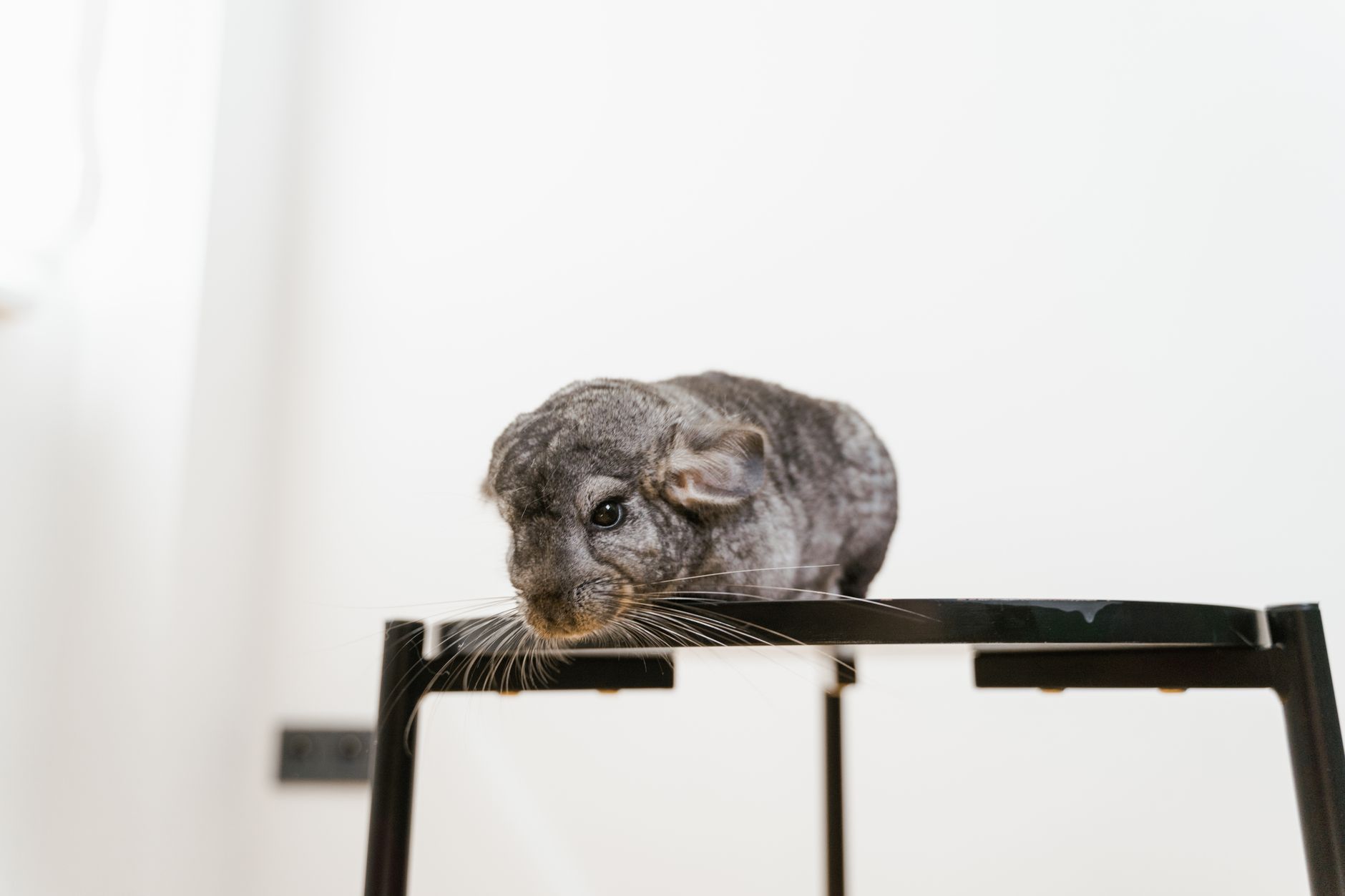
Why Does My Chinchilla Keep Peeing? Understanding Frequent Urination in Chinchillas
Excessive urination in chinchillas can indicate several health issues, including urinary tract infections (UTIs), diabetes, or kidney problems; understanding the possible causes is crucial for timely intervention and ensuring your chinchilla’s well-being. So Why does my chinchilla keep peeing? Often there’s a medical reason.
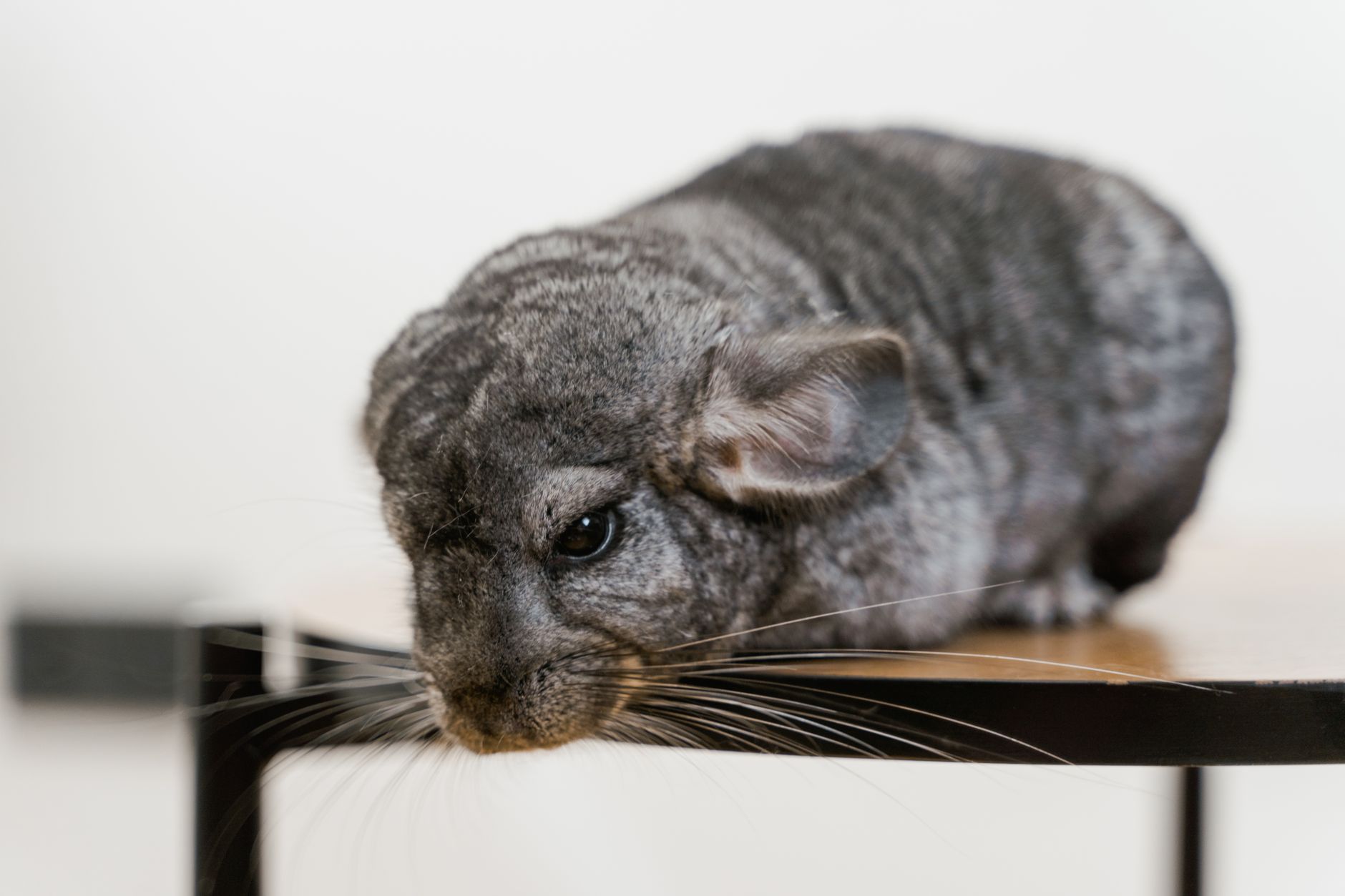
Chinchillas, with their plush fur and captivating personalities, make wonderful pets. However, as responsible owners, we must be vigilant about their health, and changes in their habits, especially regarding urination, should not be ignored. Increased urination frequency, or polyuria, in chinchillas is a sign that something is amiss, and it’s important to identify the underlying cause promptly. This article will explore the various reasons behind frequent urination in chinchillas, offering insights into diagnosis, treatment, and preventative measures.
Understanding Normal Chinchilla Urination
Before delving into the reasons behind frequent urination, it’s vital to understand what constitutes normal urination for a chinchilla. A healthy adult chinchilla typically urinates a few times a day, producing small, odorless urine spots. These spots should be relatively clear and not overly concentrated. The frequency can vary slightly depending on the chinchilla’s diet, hydration level, and overall activity.

What colours are fish most attracted to?
Can you put your finger in a trout's mouth?
Is methylene blue anti bacterial?
Does aquarium salt raise pH in aquarium?
Potential Medical Causes of Frequent Urination

The most common reason behind Why does my chinchilla keep peeing? lies in potential medical conditions. These include:
- Urinary Tract Infections (UTIs): UTIs are bacterial infections that affect the urinary tract, causing inflammation and irritation. This leads to increased urination frequency, painful urination (though difficult to observe in chinchillas), and potentially blood in the urine (hematuria).
- Diabetes Mellitus: Though relatively rare in chinchillas, diabetes mellitus can lead to increased thirst (polydipsia), resulting in increased urination.
- Kidney Disease: As with other animals, kidney disease can impair the kidneys’ ability to concentrate urine. This leads to increased urine production and subsequent urination frequency.
- Bladder Stones/Sludge: The presence of bladder stones or sludge can irritate the bladder lining, leading to frequent attempts to urinate, even if only small amounts are produced.
- Uterine Infections (Pyometra – in females): While less directly related to urine production, pyometra (infection of the uterus) can cause discomfort and systemic illness, indirectly affecting urination habits.
- Underlying health issues impacting Kidney Function: Other illnesses or health problems could lead to kidney failure.
Diagnosing the Cause
If you notice a significant increase in your chinchilla’s urination frequency, the first step is to consult with a veterinarian experienced in treating exotic animals. The veterinarian will conduct a thorough examination, which may include:
- Physical Examination: A general assessment of your chinchilla’s overall health.
- Urinalysis: A urine sample is analyzed to check for bacteria, blood, glucose, and other abnormalities.
- Blood Tests: Blood tests can help assess kidney function, blood glucose levels, and overall health.
- Radiographs (X-rays) or Ultrasound: These imaging techniques can help visualize the urinary tract and identify bladder stones or other structural abnormalities.
Treatment Options
Treatment will depend on the underlying cause of the increased urination. Here are some possibilities:
- UTIs: Antibiotics are prescribed to eliminate the bacterial infection.
- Diabetes Mellitus: Dietary modifications and, in some cases, medication to manage blood sugar levels.
- Kidney Disease: Supportive care, including fluid therapy and dietary management to help manage kidney function.
- Bladder Stones/Sludge: Surgery to remove the stones or dietary modifications to prevent further formation of stones or sludge.
- Uterine Infections (Pyometra): Surgical removal of the uterus (ovariohysterectomy) is typically recommended.
Environmental and Dietary Factors
While medical conditions are the primary concern when addressing increased urination in chinchillas, environmental and dietary factors can also play a role.
- Water Intake: Access to fresh, clean water is crucial. Monitor your chinchilla’s water consumption. If they are drinking excessively, it could be a sign of an underlying issue.
- Diet: A high-quality, balanced diet is essential for overall health. Avoid excessive sugary treats, as these can contribute to diabetes.
- Stress: Stressful environments can sometimes affect a chinchilla’s urination habits. Provide a calm and comfortable environment.
Preventative Measures
Preventing frequent urination starts with proactive care:
- Regular Veterinary Checkups: Annual veterinary checkups are crucial for early detection of any health problems.
- Proper Diet and Hydration: Feed a high-quality chinchilla diet and ensure access to fresh water.
- Clean Cage Environment: Maintain a clean and sanitary cage environment to minimize the risk of UTIs.
- Stress Reduction: Minimize stress by providing a calm and enriching environment.
Monitoring Your Chinchilla
- Regularly observe your chinchilla’s urination habits. Note any changes in frequency, volume, color, or odor.
- Monitor your chinchilla’s water intake and food consumption.
- Be aware of other signs of illness, such as lethargy, loss of appetite, or changes in stool consistency.
Frequently Asked Questions (FAQs)
What are the early signs of a UTI in a chinchilla?
Early signs of a UTI in a chinchilla can be subtle, but they might include increased urination frequency, straining to urinate, or slight redness or swelling around the genital area. Because the symptoms aren’t always easy to see, a vet visit is crucial.
Can stress cause a chinchilla to pee more?
Yes, stress can sometimes lead to increased urination in chinchillas. However, it’s essential to rule out any underlying medical conditions first. Make sure your chinchilla’s environment is calm and quiet.
How can I collect a urine sample from my chinchilla?
Collecting a urine sample from a chinchilla can be tricky. Your veterinarian can provide instructions and specialized collection devices. Sometimes placing a clean, non-absorbent surface in the cage can help you gather a sample.
Is blood in my chinchilla’s urine always a sign of a UTI?
While blood in the urine (hematuria) can be a sign of a UTI, it can also indicate other problems, such as bladder stones, kidney disease, or trauma. A veterinary examination is essential to determine the cause.
What kind of diet is best for preventing urinary problems in chinchillas?
A diet high in fiber and low in calcium and oxalates is generally recommended to help prevent urinary problems. High-quality chinchilla pellets, hay, and limited amounts of safe vegetables are ideal.
How often should I clean my chinchilla’s cage to prevent UTIs?
Regular cleaning is essential to prevent UTIs. Ideally, the cage should be spot-cleaned daily and thoroughly cleaned at least once a week. Use a pet-safe disinfectant when cleaning.
Can chinchillas get diabetes?
Yes, chinchillas can develop diabetes, although it is relatively uncommon. A diet high in sugar or carbohydrates can increase the risk. This is Why does my chinchilla keep peeing? The diabetes may be causing the increase!
How do I know if my chinchilla is drinking too much water?
It can be challenging to precisely measure water intake. However, if you notice your chinchilla’s water bottle emptying much faster than usual, or if their bedding is consistently very wet, it could indicate increased water consumption and should be investigated.
Are some chinchillas more prone to UTIs than others?
While any chinchilla can develop a UTI, females may be slightly more prone due to their anatomy. Chinchillas with underlying health conditions may also be at higher risk.
What are the treatment options for bladder stones in chinchillas?
The primary treatment for bladder stones in chinchillas is surgical removal. In some cases, dietary modifications can help prevent the formation of new stones, but existing stones usually require surgical intervention.
How can I tell if my chinchilla is in pain when urinating?
It can be difficult to determine if a chinchilla is in pain when urinating. Signs of pain might include hunched posture, reluctance to move, vocalization (although chinchillas are usually quiet), or decreased appetite. If you suspect your chinchilla is in pain, seek veterinary care immediately.
Is it possible for my chinchilla to have incontinence instead of increased urination?
While less common, incontinence (loss of bladder control) is possible in chinchillas, particularly in older animals or those with neurological problems. A veterinary examination is needed to differentiate between incontinence and increased urination.
By understanding the possible causes of frequent urination in chinchillas and seeking prompt veterinary care when needed, you can help ensure your beloved pet enjoys a long and healthy life. Regular observation and preventative measures are key to maintaining your chinchilla’s well-being.