
How Long Can a Betta Fish Live For? A Comprehensive Guide
The lifespan of a Betta fish, also known as a Siamese Fighting Fish, varies depending on several factors. In general, with proper care, a Betta fish can live for 3-5 years, though some can live even longer with exceptional care.

The Betta Fish: A Brief Introduction
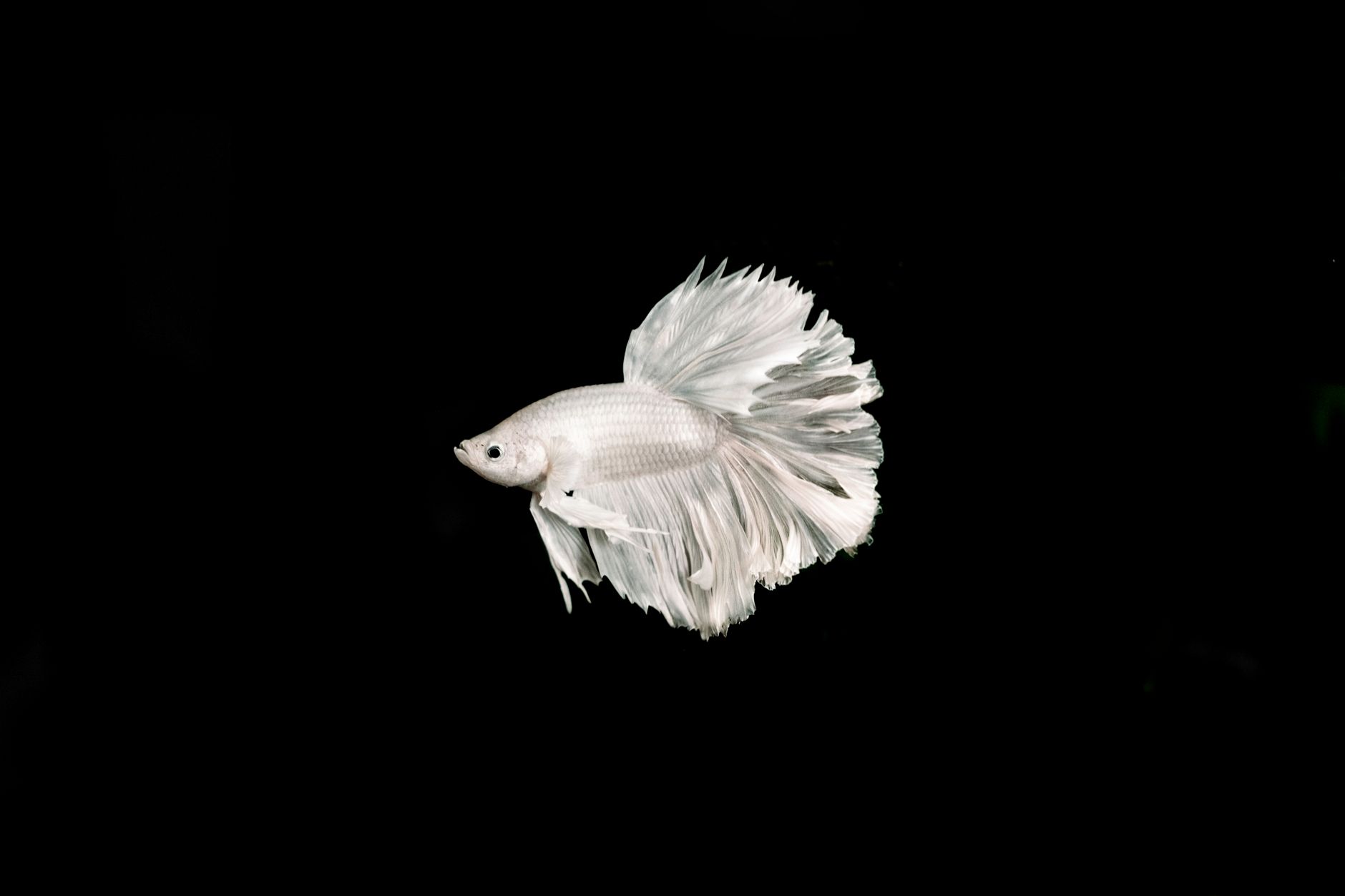
The Betta splendens, or Betta fish, is a captivating freshwater fish native to Southeast Asia. Renowned for their vibrant colors and flowing fins, male Bettas are particularly striking. While their beauty is undeniable, understanding their needs is crucial for ensuring a long and healthy life. Many factors contribute to a Betta’s lifespan, including genetics, environment, diet, and overall care. Buying from reputable breeders can significantly impact the likelihood of your Betta having a longer, healthier life.

What fish is Flo?
How intelligent are fish?
Are fish heads good for the garden?
Can fish hear water?
Factors Influencing Betta Lifespan
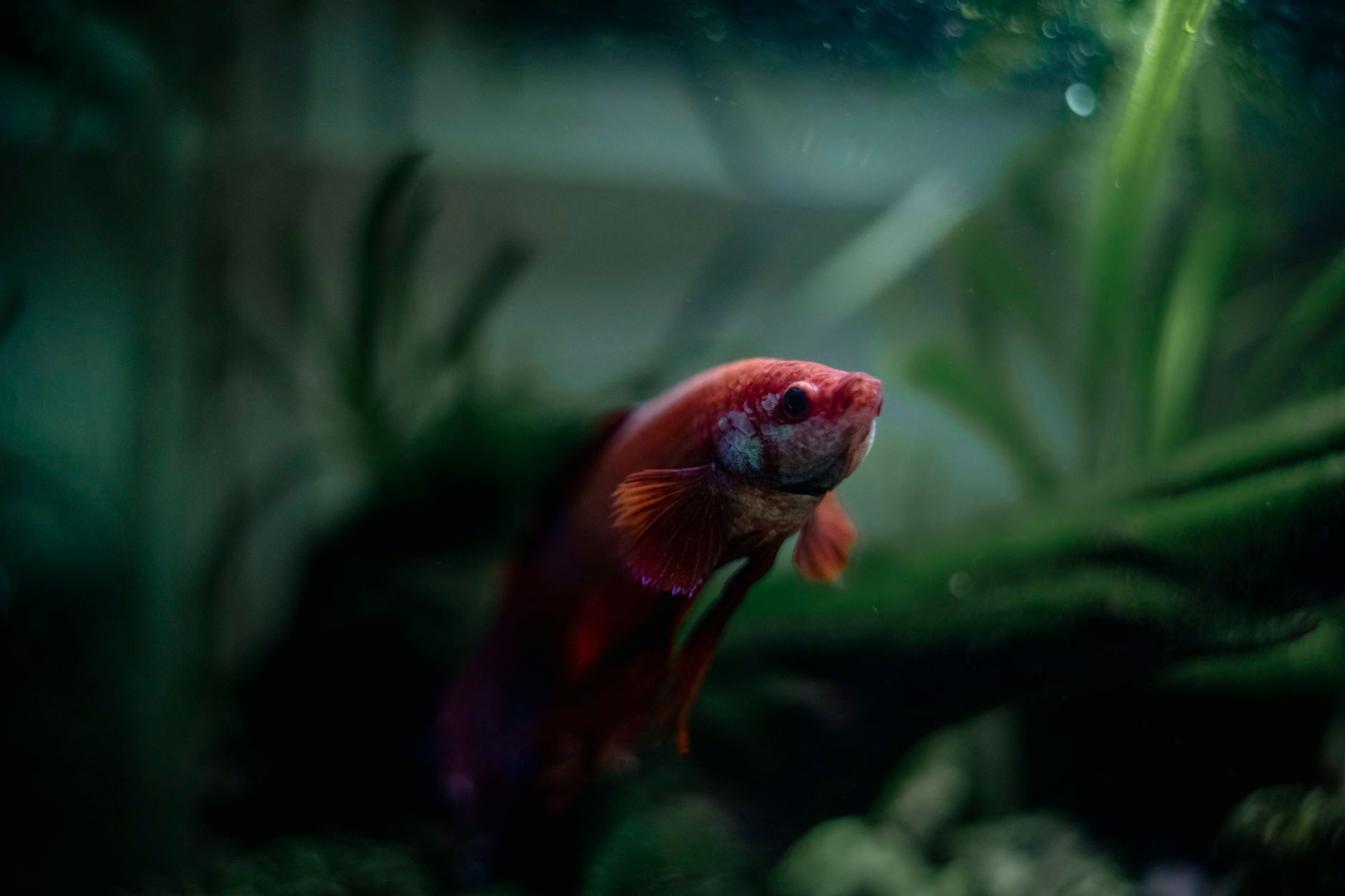
Several factors can positively or negatively influence how long can a Betta fish live for. Understanding these factors is essential for providing optimal care and maximizing your Betta’s lifespan.
-
Genetics: Just like humans, genetics play a role in a Betta’s overall health and lifespan. A fish from a reputable breeder with strong genetics is more likely to live longer.
-
Water Quality: Bettas need clean, warm water. Ammonia and nitrite levels should be zero, and nitrate levels should be kept as low as possible through regular water changes.
-
Tank Size: A minimum of a 5-gallon tank is recommended for a single Betta. Larger tanks provide more stable water parameters and allow for enrichment.
-
Temperature: Bettas are tropical fish and thrive in water temperatures between 78-82°F (25-28°C). Using a reliable heater is crucial.
-
Diet: A high-quality diet is essential for a Betta’s health. Feed them a varied diet of Betta pellets, frozen or live foods like brine shrimp and bloodworms, in moderation.
-
Enrichment: Bettas are intelligent and curious fish. Provide them with decorations, plants (real or silk), and hiding places to keep them mentally stimulated.
Common Mistakes That Shorten Betta Lifespans
Sadly, many Bettas die prematurely due to preventable mistakes. Avoiding these common errors is vital for ensuring your Betta lives a full and happy life.
-
Small Tanks: Keeping Bettas in bowls or tiny tanks is detrimental to their health. These small spaces are difficult to keep clean and don’t provide enough room for the fish to swim and explore.
-
Poor Water Quality: Failing to perform regular water changes and neglecting water parameters leads to ammonia and nitrite buildup, which is toxic to Bettas.
-
Overfeeding: Overfeeding is a common mistake that can lead to obesity, swim bladder issues, and other health problems.
-
Incompatible Tank Mates: Male Bettas are notoriously territorial and should never be kept with other male Bettas. Even with other fish species, careful consideration is needed to ensure they are compatible.
-
Sudden Temperature Fluctuations: Bettas are sensitive to temperature changes. Avoid placing their tank near windows or in drafty areas.
Creating an Ideal Betta Habitat
To maximize how long can a Betta fish live for, focusing on creating an ideal habitat is paramount. Here are the key elements to consider:
- Tank Size: A minimum of 5 gallons is highly recommended. 10 gallons or larger is even better.
- Filtration: A gentle filter is essential to maintain water quality. Sponge filters are a good option for Bettas as they provide filtration without creating strong currents.
- Heating: A reliable heater is necessary to keep the water temperature within the ideal range (78-82°F or 25-28°C).
- Substrate: Gravel or sand can be used as a substrate. Regular gravel vacuuming is important to remove debris.
- Decorations: Provide caves, plants (silk or live), and other decorations for your Betta to explore and hide in.
Feeding Your Betta for Longevity
Proper nutrition is a cornerstone of a long and healthy life for your Betta.
- High-Quality Pellets: Choose Betta pellets that are specifically formulated for their nutritional needs. Look for pellets with a high protein content.
- Variety: Supplement their diet with frozen or live foods like brine shrimp, bloodworms, and daphnia.
- Moderation: Feed your Betta small amounts, only what they can consume in 2-3 minutes, once or twice a day. Avoid overfeeding!
- Fasting: Consider fasting your Betta one day a week to allow their digestive system to rest.
Monitoring Betta Health and Behavior
Observing your Betta’s behavior and appearance is key to detecting potential health problems early on.
- Active and Alert: A healthy Betta is typically active and alert, exploring its surroundings and responding to stimuli.
- Bright Colors: Healthy Bettas have vibrant colors. Dull or faded colors can indicate stress or illness.
- Intact Fins: Check for any signs of fin rot, tearing, or clamped fins.
- Normal Appetite: A sudden loss of appetite can be a sign of illness.
- Regular Water Changes: Perform regular water changes (25-50% weekly) to maintain water quality.
Frequently Asked Questions (FAQs)
How Long Can A Betta Fish Live For In A Bowl?
A Betta fish kept in a bowl will likely have a significantly shorter lifespan compared to one kept in a properly sized and maintained tank. While some Betta fish may survive for a year or two in a bowl, their overall health and well-being will be compromised due to poor water quality, lack of space, and temperature fluctuations.
What Are The Signs Of Old Age In Betta Fish?
As Bettas age, they may exhibit several signs of declining health. These signs can include decreased activity levels, faded colors, a loss of appetite, a weakened immune system leading to increased susceptibility to illness, and a general slowing down. They might also develop cataracts or spinal deformities.
Can Female Betta Fish Live Longer Than Males?
In general, there’s no conclusive evidence suggesting that female Betta fish inherently live longer than males. Both sexes have the potential to live for several years with proper care, and lifespan differences are more likely attributed to genetics, environment, and care practices rather than gender.
What Is The Best Water Temperature For A Betta Fish To Maximize Their Lifespan?
The ideal water temperature for a Betta fish is between 78-82°F (25-28°C). Maintaining this temperature range is crucial for their metabolism, immune system, and overall health, contributing to a longer lifespan.
How Often Should I Perform Water Changes In My Betta Tank?
Regular water changes are essential for maintaining good water quality and promoting a healthy environment for your Betta. A general guideline is to perform a 25-50% water change weekly, but the frequency may vary depending on the tank size, filtration system, and bioload.
What Are The Best Foods To Feed My Betta For A Long Life?
A varied and high-quality diet is crucial for your Betta’s health and longevity. The best foods to feed your Betta include high-quality Betta pellets as a staple, supplemented with frozen or live foods like brine shrimp, bloodworms, and daphnia.
Can I Keep A Betta Fish With Other Fish?
While Bettas are often kept alone due to their territorial nature, they can sometimes be housed with other peaceful fish species in a large enough tank with plenty of hiding places. However, careful research and observation are crucial to ensure that tank mates are compatible and do not stress the Betta. Avoid fish that are known fin-nippers or are overly active.
What Size Tank Do I Need For A Single Betta Fish To Live A Long And Happy Life?
A minimum of a 5-gallon tank is recommended for a single Betta fish. However, a 10-gallon tank or larger is even better, as it provides more stable water parameters and allows for more enrichment.
How Can I Tell If My Betta Fish Is Sick?
Signs of illness in a Betta fish can include: Loss of appetite, lethargy, clamped fins, pale or faded colors, swelling, sores, fin rot, and abnormal swimming behavior. Early detection and treatment are crucial for successful recovery.
What Are Some Common Diseases That Can Shorten A Betta Fish’s Lifespan?
Several diseases can affect Betta fish and potentially shorten their lifespan. Common diseases include fin rot, ich (white spot disease), velvet, fungal infections, and swim bladder disorders. Maintaining good water quality and providing a stress-free environment are key to preventing these diseases.
What Role Does Enrichment Play In How Long Can A Betta Fish Live For?
Enrichment is extremely important. Bettas are intelligent creatures. Providing them with decorations, plants (real or silk), and hiding places gives them mental stimulation and reduces stress, which has a positive impact on their overall health and lifespan.
How Do I Choose A Healthy Betta Fish When Purchasing One?
When purchasing a Betta fish, look for one that is active, alert, and has bright, vibrant colors. The fish should also have intact fins, a healthy appetite, and no visible signs of illness. Buying from a reputable breeder or pet store that properly cares for their fish can also increase your chances of getting a healthy Betta.