

How to Eliminate Dermestid Beetles: A Comprehensive Guide
How do you get rid of dermestid beetles? The answer involves a multi-pronged approach, focusing on thorough cleaning, proper storage of vulnerable items, and, if necessary, targeted insecticide application. This guide provides a complete strategy for eliminating these destructive pests and preventing their return.

Understanding Dermestid Beetles and the Damage They Cause
Dermestid beetles, often called carpet beetles, hide beetles, or larder beetles, are small, oval-shaped insects that can cause significant damage to a variety of household items. Understanding their life cycle and habits is crucial for effective eradication.

Is distilled water good for goldfish?
What colours are fish most attracted to?
Can you put your finger in a trout's mouth?
Is methylene blue anti bacterial?
The Life Cycle and Habits of Dermestid Beetles
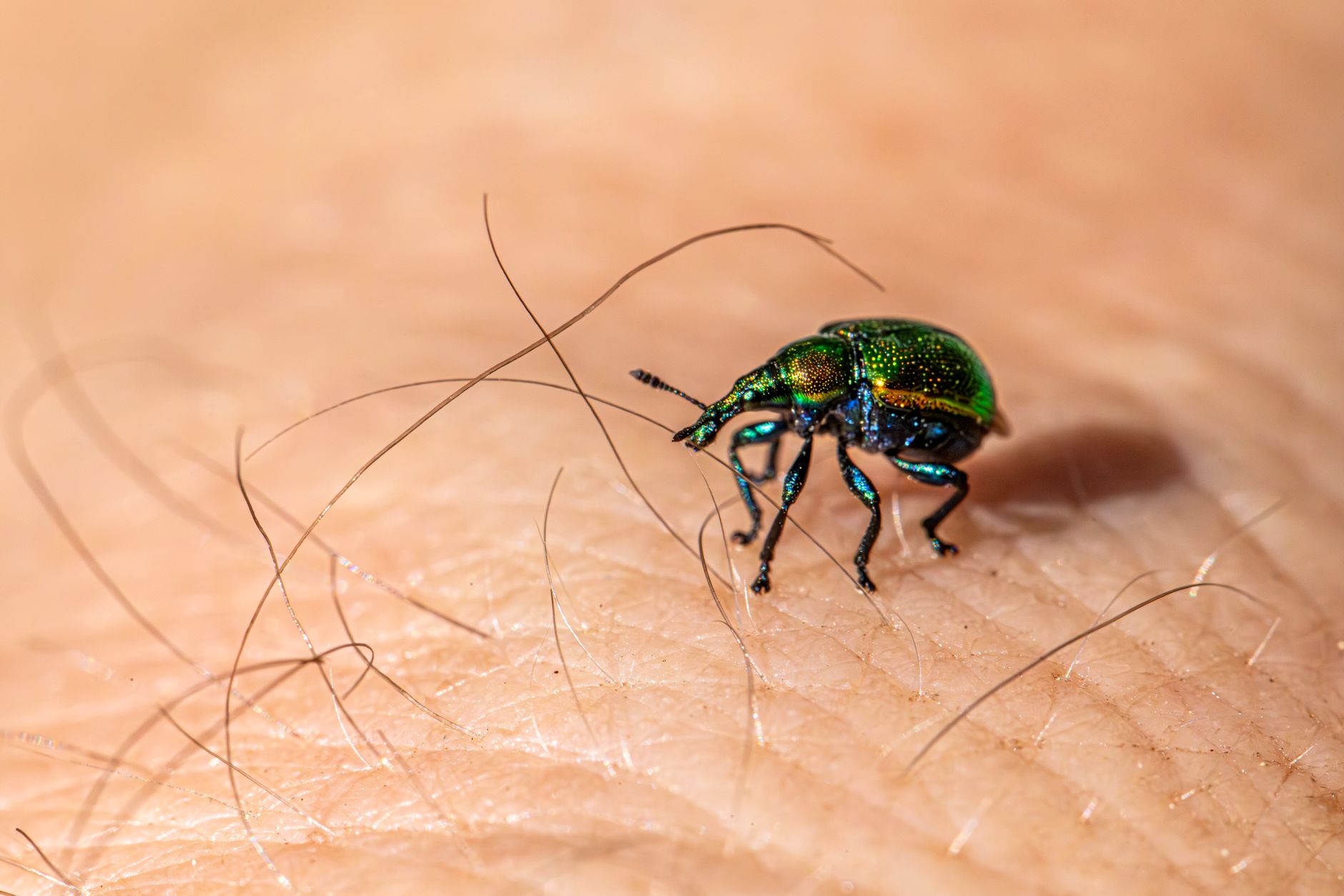
Dermestid beetles undergo a complete metamorphosis, with four distinct life stages: egg, larva, pupa, and adult. The larval stage is the most destructive, as the larvae feed on keratin, a protein found in natural fibers.
- Eggs: Small, white, and laid in concealed locations near food sources.
- Larvae: Brown and hairy, with segmented bodies and distinctive bristles. They can survive for months, even years, depending on food availability and environmental conditions.
- Pupae: The larvae transform into pupae within their last larval skin.
- Adults: Oval-shaped beetles, typically dark brown or black, sometimes with patterns. While adults also feed, their primary role is reproduction.
Identifying Infestations: Signs You Have Dermestid Beetles
Detecting an infestation early is crucial to minimizing damage. Look for these signs:
- Live beetles: Adult beetles are often found near windows or light sources.
- Larvae: Look for larvae in dark, undisturbed areas, such as closets, attics, and under furniture.
- Shed skins: Larvae shed their skins as they grow. These skins are often found near food sources.
- Damage to fabrics: Irregular holes in clothing, carpets, upholstery, and other textiles made of natural fibers.
- Frass (fecal pellets): Small, dark pellets resembling coarse dust.
Key Steps: How Do You Get Rid of Dermestid Beetles?
Eliminating dermestid beetles requires a comprehensive strategy that addresses all stages of their life cycle. Here’s a step-by-step approach:
- Thorough Inspection: Identify the source of the infestation. Carefully inspect areas where you suspect beetles are present, including carpets, rugs, upholstery, clothing, stored textiles, and animal products (e.g., taxidermy, fur).
- Vacuuming: Thorough vacuuming is essential. Pay close attention to cracks, crevices, baseboards, and other areas where larvae and eggs might be hiding. Empty the vacuum bag immediately after use.
- Cleaning: Wash or dry-clean infested items. Heat and agitation can kill larvae and eggs. For items that cannot be washed, consider freezing them for at least 72 hours.
- Storage: Store susceptible items in airtight containers or garment bags. This prevents beetles from accessing the items and laying eggs.
- Insecticide Application (If Necessary): If the infestation persists after cleaning and storage measures, consider using an insecticide specifically labeled for dermestid beetles. Follow the manufacturer’s instructions carefully.
- Apply insecticides to cracks, crevices, and other areas where beetles are likely to hide.
- Consider using insect growth regulators (IGRs), which disrupt the insect’s life cycle.
- Preventive Measures:
- Regularly vacuum and clean your home, especially in areas where dermestid beetles are likely to thrive.
- Store food properly to prevent attracting beetles.
- Seal cracks and crevices to prevent beetles from entering your home.
Choosing the Right Insecticide
When using insecticides, select products specifically labeled for dermestid beetles. Common active ingredients include:
- Pyrethrins: Natural insecticides derived from chrysanthemum flowers.
- Pyrethroids: Synthetic versions of pyrethrins, such as permethrin and cyfluthrin.
- IGR (Insect Growth Regulator): Slows or prevents insect development and reproduction
Always read and follow the manufacturer’s instructions carefully, and take precautions to protect yourself, your family, and your pets.
Natural Alternatives and DIY Solutions
While insecticides can be effective, some homeowners prefer natural alternatives. Here are a few options:
- Diatomaceous Earth (DE): A natural powder made from fossilized algae. It’s safe for humans and pets but deadly to insects. Sprinkle DE in areas where beetles are present.
- Essential Oils: Some essential oils, such as cedarwood, lavender, and peppermint, have insect-repelling properties.
- Vinegar: Vinegar can be used to clean surfaces and kill beetles.
Common Mistakes to Avoid
- Neglecting Thorough Cleaning: Cleaning is the most important step in controlling dermestid beetles.
- Using Insecticides Improperly: Always follow the manufacturer’s instructions carefully.
- Ignoring Preventive Measures: Preventing beetles from returning is just as important as eliminating them.
Table: Comparing Control Methods
| Method | Description | Pros | Cons |
|---|---|---|---|
| Thorough Cleaning | Vacuuming, washing, and dry-cleaning infested items. | Effective, safe, and environmentally friendly. | Time-consuming and may not eliminate severe infestations. |
| Proper Storage | Storing susceptible items in airtight containers. | Prevents re-infestation, protects valuable items. | Requires storage space. |
| Insecticides | Applying insecticides specifically labeled for dermestid beetles. | Highly effective in severe infestations. | Can be harmful to humans and pets if not used properly. Environmental concerns. |
| Diatomaceous Earth | A natural powder that kills insects by dehydrating them. | Safe for humans and pets, environmentally friendly. | Can be messy and may not be as effective as insecticides. |
| Essential Oils | Using essential oils with insect-repelling properties. | Natural and fragrant. | May not be as effective as other methods, requires frequent application. |
Frequently Asked Questions (FAQs)
What attracts dermestid beetles to my home?
Dermestid beetles are attracted to sources of keratin, such as wool, silk, leather, fur, feathers, and dead insects. They may also be attracted to food spills and pet food.
How do I tell the difference between dermestid beetles and bed bugs?
Dermestid beetles are generally oval-shaped, while bed bugs are flatter and more elongated. Also, dermestid beetle larvae are hairy, while bed bugs are not. Bed bugs also feed on blood, resulting in bites, which dermestid beetles do not.
Can dermestid beetles bite humans?
Dermestid beetles do not bite humans. However, the hairs of dermestid beetle larvae can cause skin irritation in some people, leading to a condition known as carpet beetle dermatitis.
Are dermestid beetles harmful to my pets?
Dermestid beetles are not directly harmful to pets. However, they can infest pet bedding and pet food, potentially causing allergic reactions or other health problems.
How can I prevent dermestid beetles from entering my home?
Seal cracks and crevices in your home’s foundation and around windows and doors. Regularly vacuum and clean your home, especially in areas where dermestid beetles are likely to thrive. Store food properly and promptly clean up spills.
What should I do if I find dermestid beetles in my closet?
Remove all items from the closet and thoroughly vacuum the shelves, floor, and walls. Wash or dry-clean any clothing or textiles that may be infested. Store susceptible items in airtight containers or garment bags.
Can dermestid beetles damage taxidermy?
Yes, dermestid beetles are a major threat to taxidermy, as they feed on the animal skin and hair. Regular inspection and preventative treatments are essential to protect taxidermy mounts.
Are dermestid beetles more active during certain times of the year?
Dermestid beetles are generally more active during the warmer months, as higher temperatures accelerate their life cycle. However, they can be active year-round in heated homes.
What is the best way to clean a rug infested with dermestid beetles?
Thoroughly vacuum the rug on both sides. If possible, steam clean the rug, as the heat will kill larvae and eggs. You can also consider having the rug professionally cleaned.
How long does it take to get rid of dermestid beetles?
The time it takes to get rid of dermestid beetles depends on the severity of the infestation and the effectiveness of the control measures. Mild infestations may be eliminated in a few weeks, while severe infestations may take several months to eradicate.
Can I use mothballs to repel dermestid beetles?
Mothballs contain chemicals that can repel dermestid beetles, but they are also toxic to humans and pets. Use mothballs cautiously and only in tightly sealed containers in well-ventilated areas. Consider safer alternatives, such as cedar chips or lavender sachets.
Is professional pest control necessary for dermestid beetle infestations?
Professional pest control may be necessary for severe infestations that are difficult to control with DIY methods. A professional exterminator can identify the source of the infestation and apply targeted treatments to eliminate the beetles effectively. If you have tried the above steps and are still struggling with How do you get rid of dermestid beetles? then it may be time to call in the professionals.