
Can You Get Hognose Snakes in Australia? A Comprehensive Guide
No, you absolutely cannot get hognose snakes in Australia. The importation and possession of hognose snakes are strictly prohibited due to Australia’s biosecurity laws protecting its unique ecosystem.

Australia’s stringent biosecurity regulations are in place for a critical reason: to safeguard the country’s unique and fragile ecosystems from the devastating impacts of introduced species. Understanding why certain animals, like the hognose snake, are prohibited requires a look at the potential threats they pose and the historical context of Australia’s biosecurity measures.
Understanding Australia’s Biosecurity
Australia’s geographic isolation has resulted in a distinctive flora and fauna found nowhere else on Earth. This biodiversity is exceptionally vulnerable to the introduction of foreign species, which can disrupt ecological balances, outcompete native animals, and introduce diseases.
- Prevention is Key: Australia prioritizes preventing the entry of potentially harmful species in the first place, rather than attempting eradication after they become established.
- Strict Regulations: The Biosecurity Act 2015 governs the importation of animals and plants, with severe penalties for violations.
- Risk Assessment: Before any new species is considered for import, a rigorous risk assessment is conducted to evaluate its potential impact on the Australian environment and economy.

How do they put trackers on sea turtles?
What is the GREY African clawed frog?
Is distilled water good for goldfish?
What colours are fish most attracted to?
Why Hognose Snakes are Prohibited
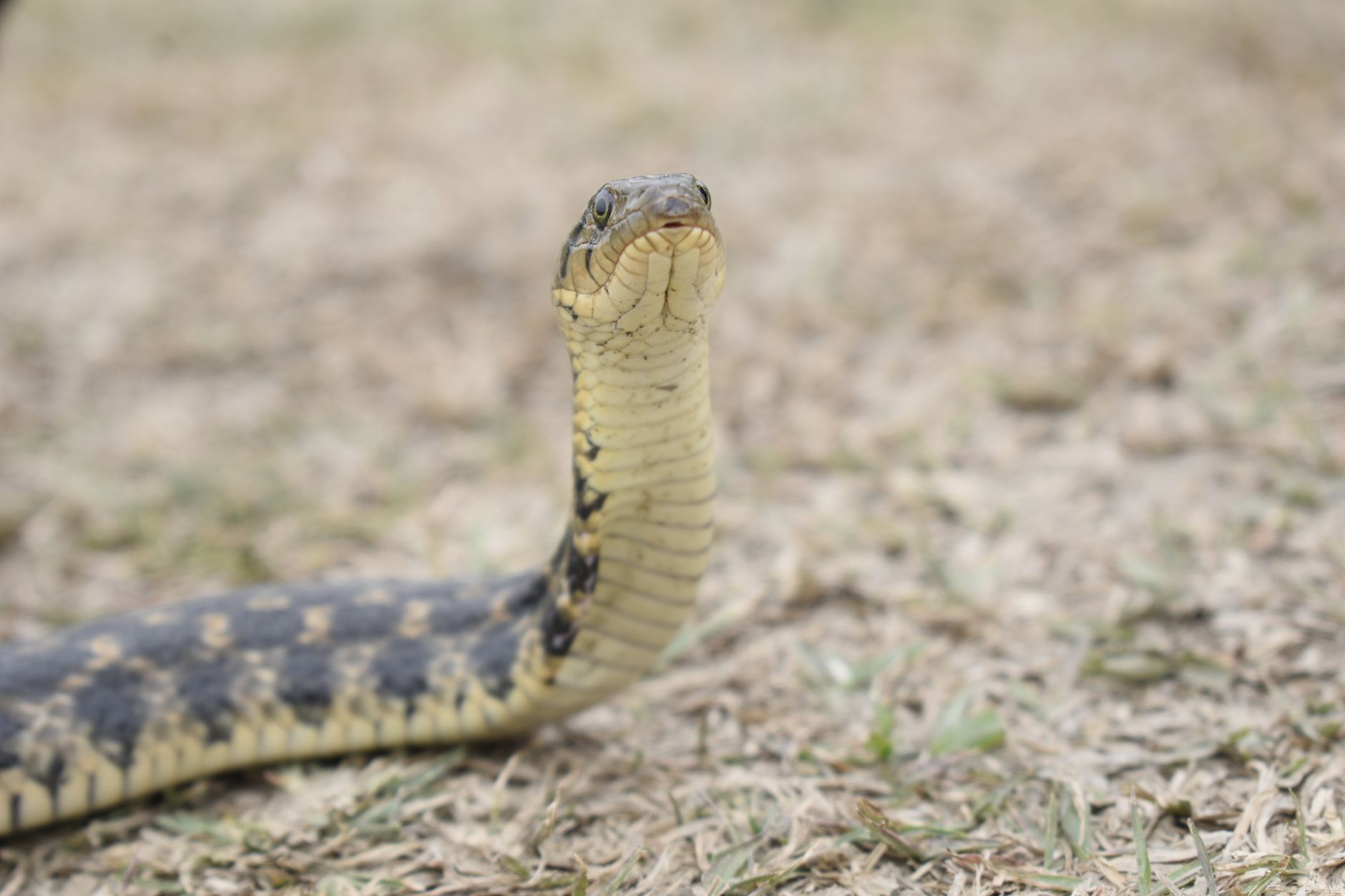
The prohibition of hognose snakes in Australia stems from concerns about their potential to become invasive, even though they are not inherently dangerous to humans. Several factors contribute to this assessment:
- Adaptability: Hognose snakes are relatively adaptable and can thrive in a variety of environments, increasing their likelihood of establishing a wild population if introduced.
- Diet: They primarily feed on amphibians, particularly toads. Australia already struggles with invasive cane toads. Introducing a predator that specializes in eating toads could exacerbate the problem, potentially harming native frog populations that are less toxic to hognose snakes.
- Potential for Hybridization: While less of a direct threat, the possibility of hybridization with native snake species (however remote) is always a concern.
- Disease Introduction: Imported animals can carry diseases that could devastate native populations, which have not evolved immunity.
The Consequences of Illegal Importation
Attempting to illegally import hognose snakes into Australia carries significant penalties:
- Heavy Fines: Individuals can face substantial fines for violating biosecurity laws.
- Imprisonment: In severe cases, imprisonment is a possibility.
- Confiscation: The illegally imported animals will be confiscated and likely euthanized to prevent any risk of escape or release.
- Damage to the Environment: The potential consequences of an invasive species establishing itself are far-reaching and can have devastating and irreversible impacts on Australia’s unique biodiversity.
Legitimate Alternatives for Reptile Enthusiasts in Australia
While you can’t get hognose snakes in Australia, there are many native reptile species that are legal to keep as pets, with the appropriate permits and licenses.
- Blue-tongue lizards: These are popular and relatively easy to care for.
- Bearded dragons: Another common and well-loved reptile pet.
- Various species of pythons: Many species are available, depending on your state’s regulations.
Always research and comply with your state or territory’s regulations regarding reptile ownership. This is essential for responsible pet ownership and ensuring the welfare of the animals.
The Importance of Responsible Pet Ownership
Regardless of the species, responsible pet ownership is crucial:
- Research: Thoroughly research the needs of any potential pet before acquiring it.
- Commitment: Be prepared to provide proper care, housing, and veterinary attention for the animal’s entire lifespan.
- Containment: Ensure that your pet is securely housed to prevent escape and the risk of it becoming an invasive species.
- Ethical Sourcing: Only acquire pets from reputable breeders or rescues to avoid supporting illegal wildlife trade.
Frequently Asked Questions (FAQs)
Is it illegal to own a hognose snake in Australia?
Yes, it is absolutely illegal. The possession of hognose snakes is prohibited under Australian biosecurity laws. You cannot legally own one in any state or territory.
What happens if I’m caught with a hognose snake in Australia?
If caught with a hognose snake, you’ll face serious consequences, including hefty fines, potential imprisonment, and immediate confiscation of the snake. The animal will likely be euthanized.
Are there any exceptions to the hognose snake ban?
No, there are no exceptions for private individuals. The ban applies to everyone, regardless of their experience or perceived ability to contain the snake. The only exceptions might be for accredited research facilities with special permits.
Why are hognose snakes considered a threat to Australia?
Hognose snakes are considered a threat due to their adaptability, diet (potentially impacting native amphibian populations), and the risk of introducing diseases. Their introduction could disrupt the delicate balance of the Australian ecosystem.
Could a hognose snake survive in the Australian climate?
Yes, hognose snakes are relatively adaptable and could potentially survive and even thrive in certain regions of Australia, depending on the species of hognose snake in question. This adaptability is one of the main reasons for the import ban.
Are there any native snakes in Australia similar to hognose snakes?
While Australia has a diverse range of native snakes, none are directly equivalent to hognose snakes in terms of their specific morphology and ecological niche. Many native species fill similar roles, but with their own unique adaptations.
What should I do if I see a hognose snake in the wild in Australia?
If you believe you have seen a hognose snake in the wild in Australia, report it immediately to your state’s environment department or biosecurity agency. Do not attempt to capture or handle the snake yourself.
Can I import a hognose snake if I have a special permit?
It is highly unlikely that a private individual would be granted a permit to import a hognose snake. Permits are generally only issued for legitimate scientific research purposes.
What are some good reptile pets that are legal to own in Australia?
There are many fantastic legal reptile pets in Australia, including blue-tongue lizards, bearded dragons, and various python species. Always check your state’s regulations before acquiring any reptile.
Is it possible for the law regarding hognose snakes to change in the future?
While it’s impossible to predict the future, it’s highly unlikely that the ban on hognose snakes will be lifted, given the strong emphasis on biosecurity in Australia. The risks associated with their introduction outweigh any potential benefits.
Where can I learn more about Australia’s biosecurity laws?
You can find comprehensive information about Australia’s biosecurity laws on the website of the Department of Agriculture, Fisheries and Forestry. This is the best source for accurate and up-to-date information.
What is the difference between eastern and western hognose snakes?
Eastern hognose snakes (Heterodon platirhinos) and Western hognose snakes (Heterodon nasicus) are both species of hognose snakes found in North America, with slight variations in appearance and habitat but both prohibited in Australia. Regardless of the species, Can you get hognose snakes in Australia? The answer is always a firm NO.