

Why Are House Flies So Scary? Unpacking the Fear of Musca Domestica
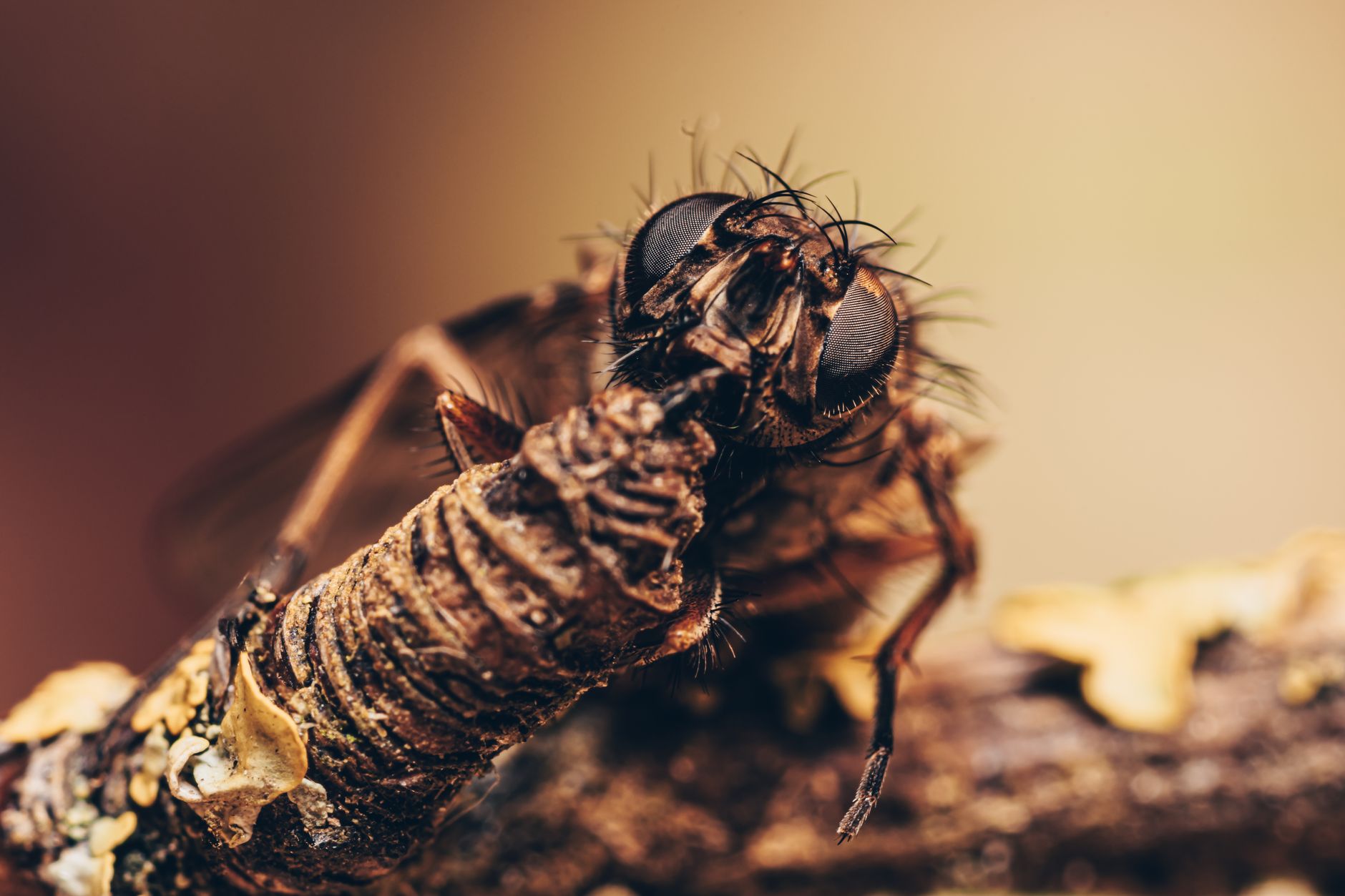
House flies often evoke a visceral feeling of disgust and fear, far beyond their tiny size might suggest. The perceived scariness of house flies stems from their association with filth and disease, their erratic flight patterns, and the persistent buzzing that invades our personal space, making them far more unsettling than many other insects.

The Root of the Fear: A Cultural and Evolutionary Perspective
Why are house flies so scary? To truly understand this aversion, we need to delve into the psychological and historical factors shaping our perception. House flies have coexisted with humans for millennia, frequently found buzzing around garbage, feces, and decaying matter. This close association with filth is arguably the primary driver of our negative feelings.
- Disease Vectors: Flies are notorious carriers of pathogens, transporting bacteria, viruses, and parasites from contaminated surfaces to our food and living spaces. This inherent connection to disease breeds fear.
- Ancient Instincts: Our ancestors likely developed an instinctive aversion to flies, recognizing them as a sign of unsanitary conditions and potential illness. This survival mechanism may be deeply ingrained in our subconscious.
- Cultural Conditioning: Societal norms and educational campaigns have reinforced the idea that flies are unhygienic and should be avoided. Media depictions often portray flies as harbingers of decay and death.
What colours are fish most attracted to?
Can you put your finger in a trout's mouth?
Is methylene blue anti bacterial?
Does aquarium salt raise pH in aquarium?
The Physical Manifestations of Discomfort
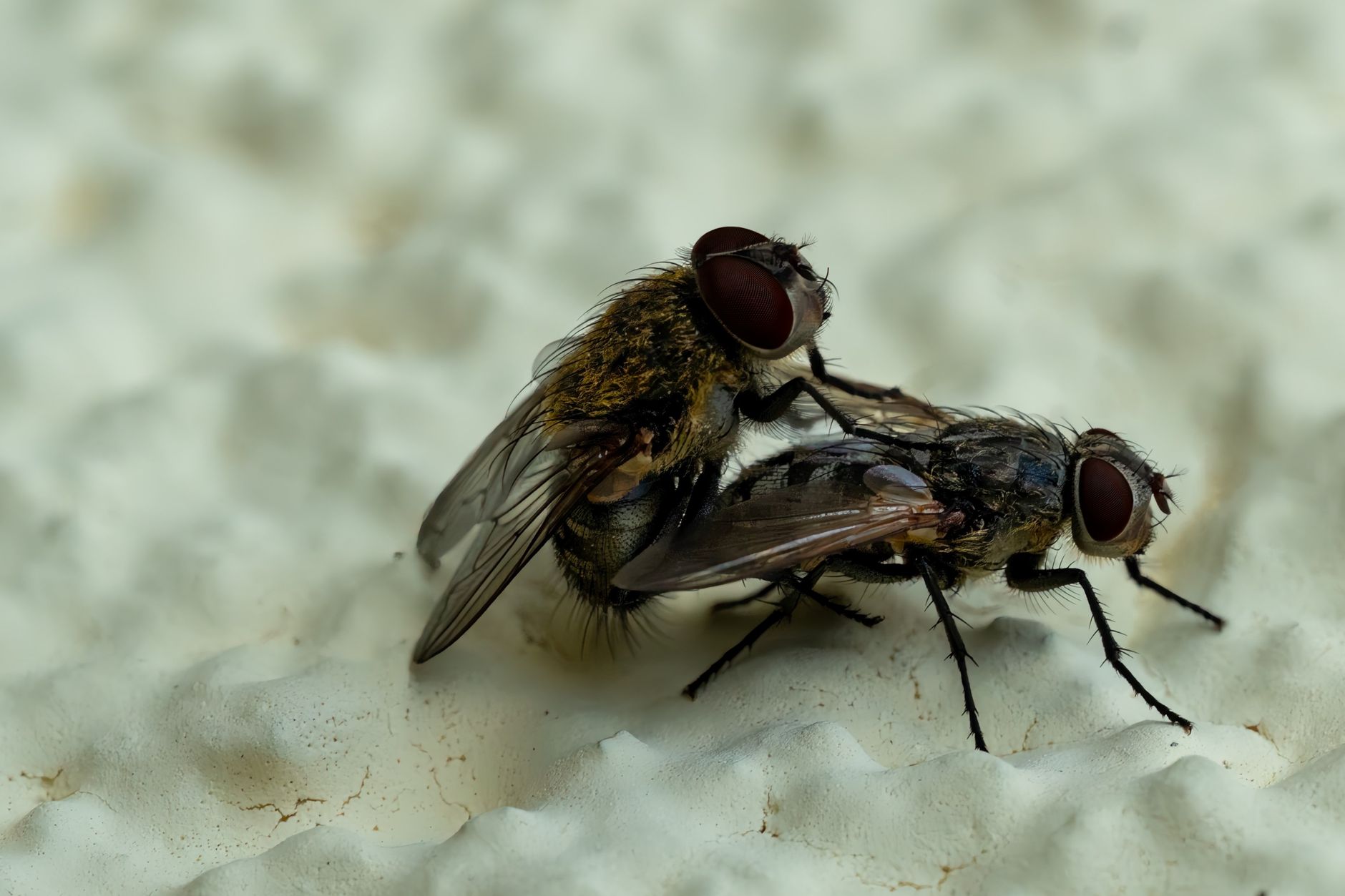
Beyond the historical and cultural associations, the fly’s physical characteristics and behavior contribute significantly to our discomfort.
- Erratic Flight: Their unpredictable flight path makes them difficult to swat and adds to a sense of unease. We are never quite sure where they will land next.
- Buzzing Sound: The high-pitched buzzing of a fly is incredibly irritating and can disrupt concentration. The sound itself serves as a constant reminder of their presence.
- Landing Behavior: The way flies land on surfaces, including our food and skin, is unsettling. We instinctively recoil at the thought of their hairy legs and mouthparts contacting us.
The Public Health Concerns
The health risks associated with house flies are undeniable and contribute to our fear. While not all flies carry disease, their potential to transmit pathogens is a valid concern.
- Transmission of Diseases: Flies can transmit diseases such as E. coli, Salmonella, typhoid fever, cholera, and dysentery.
- Contamination: They can contaminate food and surfaces with bacteria and parasites, leading to illness.
- Vulnerability of Certain Populations: Infants, the elderly, and individuals with weakened immune systems are particularly vulnerable to fly-borne illnesses.
Here is a table summarizing the potential diseases transmitted by house flies:
| Disease | Causative Agent | Symptoms |
|---|---|---|
| Typhoid Fever | Salmonella typhi | High fever, abdominal pain, weakness |
| Cholera | Vibrio cholerae | Severe diarrhea, vomiting, dehydration |
| Dysentery | Shigella spp. | Diarrhea, abdominal cramps, fever |
| E. coli Infection | Escherichia coli | Diarrhea, abdominal cramps, vomiting |
| Salmonella Infection | Salmonella spp. | Diarrhea, fever, abdominal cramps |
Mitigation Strategies: Reducing Fly Populations and Fear
Controlling fly populations around our homes and communities is crucial for reducing both the actual health risks and the associated fear.
- Proper Waste Management: Securely cover garbage cans and dispose of waste properly.
- Sanitation: Keep surfaces clean and free of food debris.
- Fly Control Measures: Use fly traps, screens, and insecticides to control fly populations.
- Educate Yourself: Understanding the fly’s behavior and the actual risks can help alleviate some of the fear.
Frequently Asked Questions (FAQs)
How many diseases can house flies transmit?
House flies are known to transmit over 65 different diseases, including bacteria, viruses, and parasites. Their role as vectors of pathogens makes sanitation and fly control incredibly important for public health.
Are all flies carrying diseases?
While not every fly is carrying disease-causing organisms, the potential for transmission is always present, especially in unsanitary environments. This is why preventative measures are so crucial.
Why are house flies attracted to my home?
House flies are attracted to homes by the presence of food, water, and breeding sites. Decomposing organic matter, such as garbage and pet waste, is a major attractant.
What is the lifespan of a house fly?
The lifespan of a house fly is relatively short, typically ranging from 15 to 30 days. However, they can reproduce quickly, leading to rapid population increases.
How can I prevent house flies from entering my home?
The best way to prevent house flies from entering your home is to seal cracks and openings, install screens on windows and doors, and keep your home clean.
Are fly swatters an effective way to control house flies?
Fly swatters can be effective for killing individual flies, but they are not a long-term solution for controlling fly populations. They are best used in conjunction with other fly control measures.
What are some natural ways to repel house flies?
Several natural remedies can help repel house flies, including:
- Essential oils: Peppermint, lavender, and eucalyptus oils can deter flies.
- Herbs: Basil, mint, and rosemary plants can repel flies.
- Vinegar: A bowl of apple cider vinegar can trap and kill flies.
Is there a difference between house flies and other types of flies?
Yes, there are many different types of flies, each with unique characteristics and behaviors. House flies are the most common type found in homes, but other types, such as fruit flies and drain flies, may also be present. Identifying the type of fly can help determine the best control methods.
Why are house flies so annoying?
The annoying nature of house flies is due to their constant buzzing, erratic flight patterns, and tendency to land on people and food. These behaviors trigger a natural aversion and feeling of unease.
How can I get rid of a house fly infestation?
Getting rid of a house fly infestation requires a multi-pronged approach, including:
- Eliminating breeding sites: Removing garbage, pet waste, and other sources of decaying organic matter.
- Using fly traps: Traps can capture and kill flies.
- Applying insecticides: Insecticides can be used to kill flies, but should be used cautiously and according to label instructions.
- Professional pest control: For severe infestations, professional pest control services may be necessary.
Are house flies beneficial in any way?
While often seen as pests, house flies do play a role in the ecosystem. They help decompose organic matter and serve as a food source for other animals. However, their negative impacts on human health outweigh their benefits.
Why are house flies so scary to me specifically?
Why are house flies so scary on a personal level often boils down to past experiences. Perhaps you had a negative encounter involving flies and food poisoning, or a childhood fear that has persisted. Identifying the root cause of your fear can help you develop coping mechanisms and reduce your anxiety around flies.