

Are Purple Sea Horses Real? The Truth About Colorful Seahorses
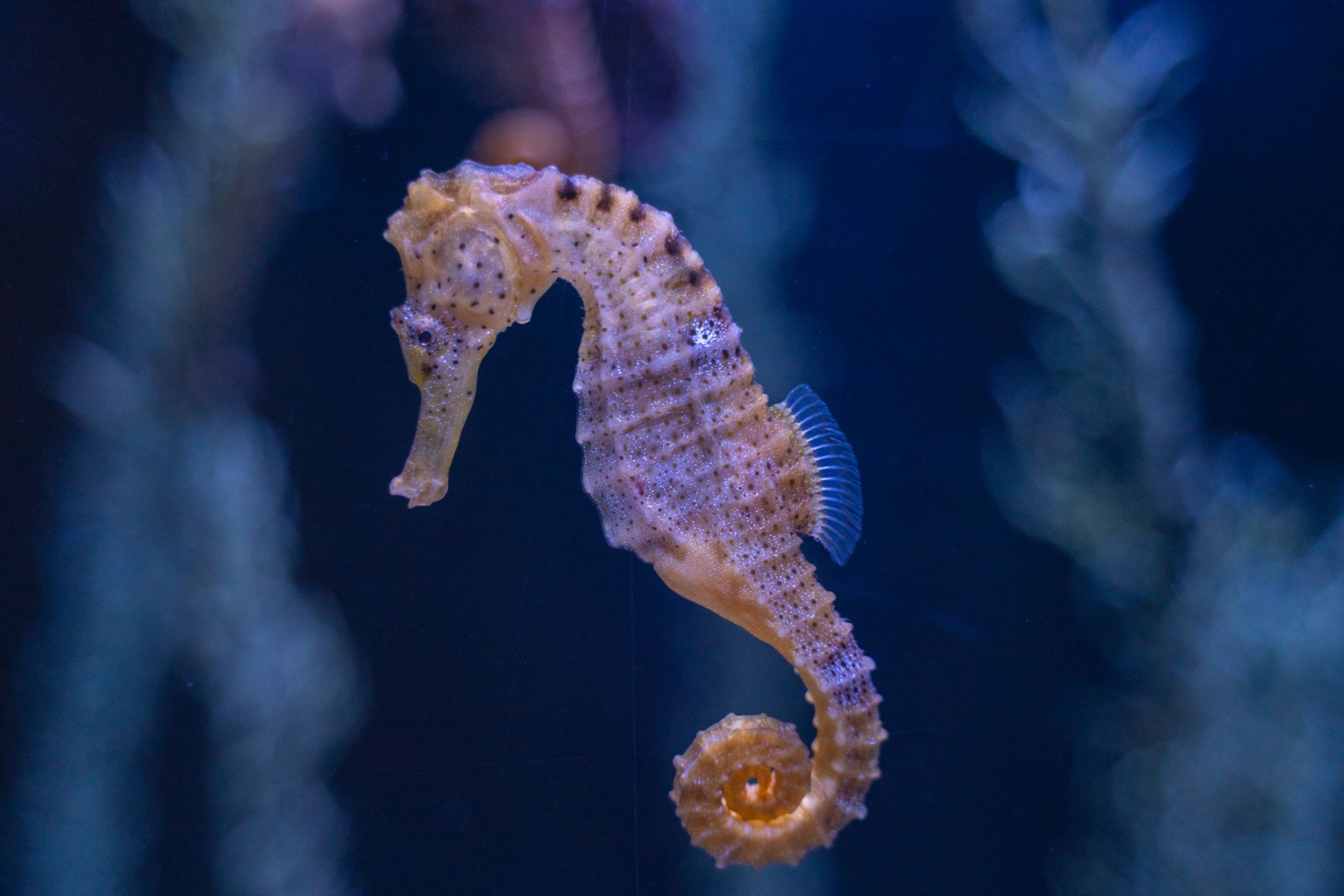
The short answer is: while vibrant, near-purple seahorses exist, truly purple sea horses as a standard coloration are not a common or widely recognized phenomenon in the wild. Many factors can influence seahorse coloration, so what appears purple may be something else entirely.
Seahorse Coloration: An Introduction
Seahorses, those enchanting and delicate fish, hold a unique place in the marine world. Their prehensile tails, horse-like heads, and slow, deliberate movements captivate divers and aquarists alike. One of the most fascinating aspects of seahorses is their ability to change color. But are purple sea horses real? To answer this, we must delve into the intricacies of seahorse coloration and its various contributing factors.

What colours are fish most attracted to?
Can you put your finger in a trout's mouth?
Is methylene blue anti bacterial?
Does aquarium salt raise pH in aquarium?
The Science Behind Seahorse Color Change

Seahorses are masters of camouflage. They achieve this through specialized pigment-containing cells called chromatophores. These cells reside in the seahorse’s skin and contain different pigments such as:
- Melanin: Produces black, brown, and dark red hues.
- Carotenoids: Generates yellow, orange, and red colors.
- Guanine: Creates iridescent, reflective, and white colors.
Seahorses manipulate these chromatophores to match their surroundings. Hormones and nervous system signals control the pigment distribution within these cells, resulting in rapid color changes. Factors influencing color change include:
- Environment: Matching the color of corals, algae, or seagrass.
- Mood: Displays related to mating rituals or territorial disputes.
- Health: Indicators of stress or illness.
- Diet: Ingested pigments influencing coloration.
The Potential for “Purple” Seahorses
While pure purple is rare, a seahorse might appear purple due to several reasons:
- Light conditions: Underwater light affects color perception. Red light is absorbed quickly, which can make blue and violet colors appear more dominant.
- Combination of pigments: A mix of blue and red pigments could create a purple-ish hue.
- Dietary influence: Certain foods might influence the production of specific pigments, potentially leading to a purplish appearance.
- Rare genetic mutations: Although unlikely, genetic mutations could possibly lead to an increase in blue/violet pigments.
It’s important to note that photographs can also be misleading. Underwater photography often requires color correction, which can sometimes distort the true colors of marine life.
Common Misconceptions About Seahorse Colors
One common misconception is that seahorses can instantly change to any color. While they are adept at camouflage, their color range is generally limited to shades within their genetic capability and environmental influences. Another misconception is that a stressed seahorse will turn pale white; while paleness can indicate stress, it can also be a natural camouflage response in certain environments.
Documented Instances of Purple-Hued Seahorses
While not strictly purple, some seahorse species exhibit color variations that can appear purplish under certain circumstances. For example, some Hippocampus barbouri individuals may display a deep reddish-brown that, when viewed in specific lighting conditions, can resemble a muted purple. It is important to correctly identify the species, assess lighting conditions, and consider diet before labeling a seahorse as definitively “purple.” Reputable scientific sources are also key. Personal anecdotes and unsourced images, while interesting, are insufficient to prove the regular existence of fully purple seahorses.
Why True Purple is Unlikely
Producing a vibrant, true purple color in animals often requires a complex combination of pigments and structural coloration. Structural coloration involves the microscopic arrangement of tissues that reflect certain wavelengths of light, creating iridescent or metallic effects. While seahorses utilize pigment-based coloration, they haven’t demonstrated a capacity for sophisticated structural coloration that would produce true purple hues.
Conservation Concerns for Seahorses
Regardless of their color, all seahorses face numerous threats, including:
- Habitat loss: Degradation of coral reefs, seagrass beds, and mangrove forests.
- Overfishing: Seahorses are often caught as bycatch or targeted for traditional medicine and the aquarium trade.
- Pollution: Plastic pollution and chemical runoff damage seahorse habitats and contaminate their food sources.
- Climate change: Rising sea temperatures and ocean acidification threaten coral reefs and other vital seahorse ecosystems.
Appreciating Seahorses of All Colors
Whether they are yellow, orange, red, brown, or appear to be a shade of purple, seahorses are fascinating creatures that deserve our respect and protection. Understanding the complexities of their coloration and the threats they face is crucial for ensuring their survival.
Frequently Asked Questions (FAQs)
Are purple sea horses real?
While true, consistently purple seahorses are not documented as a typical natural variation, some seahorses might appear purplish under certain lighting conditions or due to a combination of pigments, making the answer nuanced. Documented examples of Hippocampus barbouri can present as a deep reddish-brown which some might describe as a muted purple in the right conditions.
What factors affect seahorse color?
A seahorse’s coloration is affected by environment, mood, diet, health, and genetics. They use pigment-containing cells called chromatophores to change color and blend in with their surroundings.
Can seahorses change color to any color?
No, seahorses cannot change to any color. Their color change is limited to shades within their genetic range and influenced by environmental and physiological factors.
Are seahorses born with their colors?
Seahorses are born with a base coloration, but their color can change throughout their lives depending on the factors mentioned previously. Diet and surroundings play a very large role in the animal’s coloring.
What do seahorses eat?
Seahorses are predators that feed on small crustaceans, such as copepods and amphipods. They use their snout-like mouths to suck up their prey. A varied and nutritious diet is important for maintaining their health and coloration.
Are seahorses endangered?
Many seahorse species are threatened or endangered due to habitat loss, overfishing, and pollution. Their populations are declining in many parts of the world. Careful conservation efforts are needed to preserve these beautiful creatures.
How can I help protect seahorses?
You can help by supporting sustainable seafood choices, reducing plastic consumption, advocating for marine conservation policies, and educating others about the importance of seahorses and their habitats. Every little bit helps to protect this species.
Do seahorses have any predators?
Seahorses have several predators, including crabs, fish, seabirds, and turtles. Their camouflage helps them avoid detection, but they are still vulnerable to predation. Their small size and slow movements make them especially vulnerable.
Are seahorses related to horses?
Despite their horse-like head, seahorses are not closely related to horses. They are a type of fish belonging to the Syngnathidae family, which also includes pipefish and seadragons.
What is unique about seahorse reproduction?
Seahorses have a unique reproductive strategy where the male carries the eggs in a brood pouch until they hatch. The male essentially becomes pregnant.
How long do seahorses live?
Seahorses live anywhere from 1 to 4 years in the wild, depending on the species and environmental conditions. Captive seahorses may live longer with proper care.
Is it legal to keep seahorses as pets?
In many places, it is illegal or highly regulated to keep wild-caught seahorses as pets. Seahorses have specific care requirements, and wild populations are already threatened, so captive breeding programs are preferred if keeping seahorses. Always check local laws and regulations before acquiring a seahorse.