

Do You Feed Cichlids Everyday? Understanding Cichlid Feeding Schedules
Do you feed cichlids everyday? Generally, yes, most cichlids benefit from daily feedings, but the specific amount and frequency should be adjusted based on the cichlid species, age, and overall health to avoid overfeeding and maintain optimal water quality.
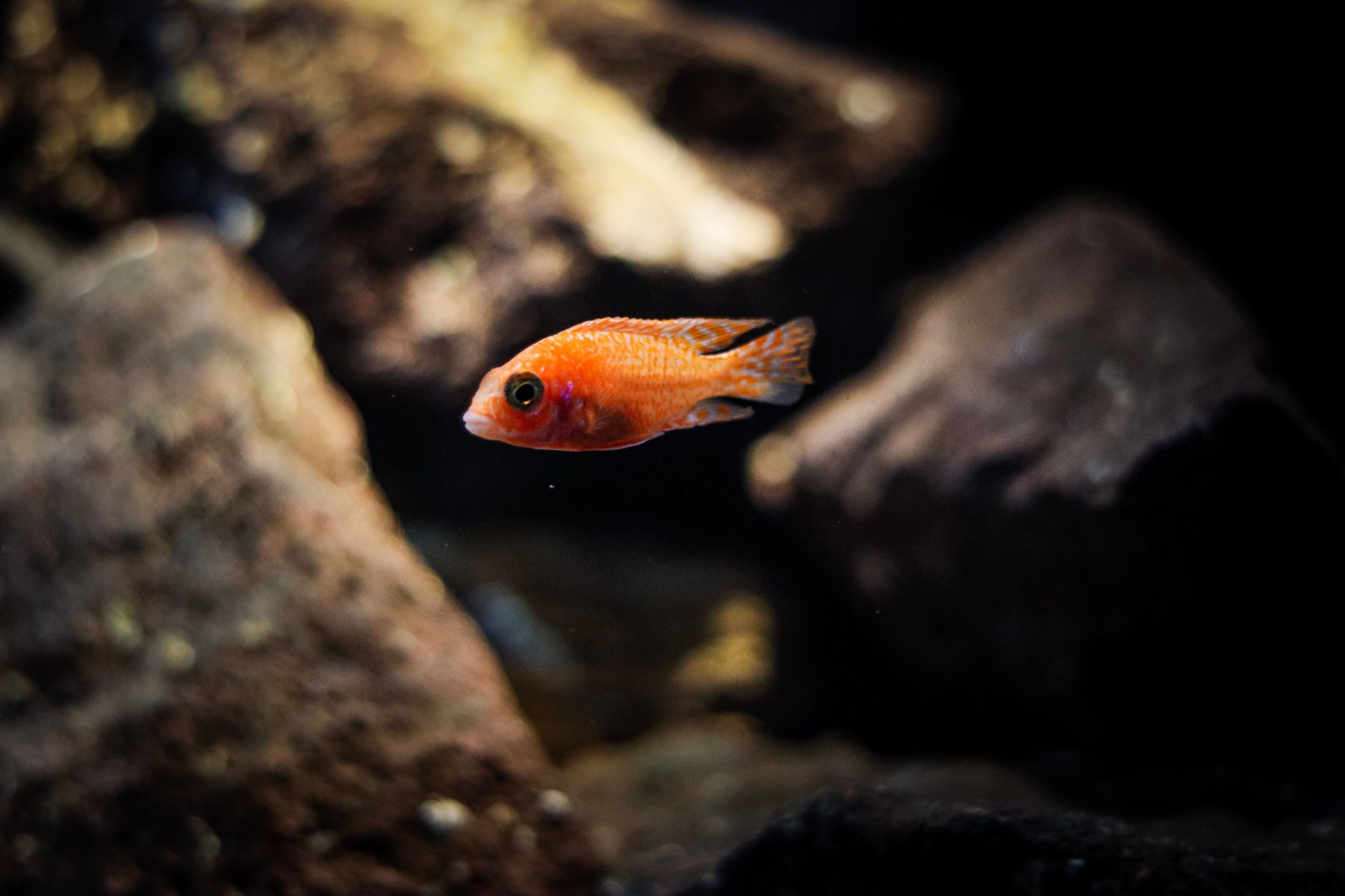
Introduction: The Importance of Proper Cichlid Feeding
Cichlids, renowned for their vibrant colors and diverse behaviors, are a popular choice for aquarium enthusiasts. However, their well-being is heavily reliant on proper nutrition, and a critical aspect of this is understanding how often to feed them. Overfeeding is a common mistake, leading to water quality issues and health problems for your fish. Underfeeding, on the other hand, can result in stunted growth and weakened immune systems. This article will delve into the nuances of cichlid feeding schedules, ensuring your fish thrive in their aquatic environment.

What colours are fish most attracted to?
Can you put your finger in a trout's mouth?
Is methylene blue anti bacterial?
Does aquarium salt raise pH in aquarium?
Factors Influencing Feeding Frequency

The optimal feeding frequency for cichlids isn’t a one-size-fits-all answer. Several factors play a crucial role in determining the best approach:
- Species: Different cichlid species have varying dietary needs. Herbivorous cichlids, for example, require more frequent, smaller meals of plant-based foods, while carnivorous species can tolerate less frequent, larger meals.
- Age: Young, growing cichlids require more frequent feedings to support their rapid development. Juvenile cichlids should typically be fed twice a day, while adults can often thrive on a single daily feeding.
- Size: Larger cichlids might need more food at each feeding but may not need to be fed as frequently as smaller cichlids.
- Activity Level: More active cichlids burn more energy and may require slightly more food than less active species.
- Water Temperature: Higher water temperatures increase metabolism, which can also increase appetite.
- Water Quality: Good water quality is essential for the health and well-being of your cichlids, and it also affects the speed at which they digest their food. Overfeeding can lead to poor water quality and an increased risk of disease.
Determining the Right Amount of Food
Beyond frequency, the amount of food is equally crucial. A general guideline is to provide an amount that your cichlids can consume within 2-3 minutes. Overfeeding is a common pitfall, leading to uneaten food accumulating at the bottom of the tank, which then decays and pollutes the water.
- Observe Your Fish: Pay close attention to your cichlids during feeding. Are they eagerly consuming the food? Are they leaving any behind? Adjust the amount accordingly.
- Monitor Water Parameters: Regularly test your water parameters (ammonia, nitrite, nitrate). Elevated levels can indicate overfeeding or inadequate filtration.
- Consider Different Food Types: Cichlids require a balanced diet. Offer a variety of foods, including:
- Flake Food: A convenient staple food, but choose high-quality cichlid-specific flakes.
- Pellets: Sinking or floating pellets are available in various sizes and formulations.
- Frozen Foods: Bloodworms, brine shrimp, and mysis shrimp provide essential nutrients and stimulate natural feeding behaviors.
- Live Foods: Offering live foods, such as blackworms or daphnia, can be a rewarding treat for your cichlids.
- Vegetable Matter: Spirulina flakes, blanched vegetables (zucchini, spinach), and algae wafers are essential for herbivorous cichlids.
Sample Feeding Schedule Table
This table provides a general guideline. Adjust based on individual species needs.
| Cichlid Type | Age | Feeding Frequency | Food Type |
|---|---|---|---|
| Small African Cichlids | Juvenile | 2 times daily | Small pellets, flake, baby brine shrimp |
| Small African Cichlids | Adult | 1 time daily | Medium pellets, flake, occasional frozen food |
| Large South American | Juvenile | 2 times daily | Larger pellets, chopped earthworms, frozen food |
| Large South American | Adult | 1 time daily | Large pellets, whole earthworms, frozen food |
Common Mistakes to Avoid
- Overfeeding: As mentioned, this is the most common mistake.
- Feeding Only One Type of Food: A varied diet is crucial for providing all the necessary nutrients.
- Ignoring Water Quality: Monitor water parameters regularly and perform water changes as needed.
- Ignoring Individual Needs: Pay attention to the specific requirements of your cichlid species.
- Not Removing Uneaten Food: After feeding, remove any uneaten food to prevent water pollution.
Special Considerations
- Breeding Cichlids: Breeding cichlids often require more frequent and higher-protein feedings.
- Sick Cichlids: Sick cichlids may have reduced appetites. Offer easily digestible foods and monitor their eating habits.
Frequently Asked Questions (FAQs)
How can I tell if I’m overfeeding my cichlids?
If you are overfeeding your cichlids, you’ll likely see several signs. Look for uneaten food accumulating on the bottom of the tank, cloudy water, and elevated levels of ammonia, nitrite, or nitrate in your water tests. Your cichlids might also appear bloated or sluggish.
Is it better to feed cichlids once a day or twice a day?
For adult cichlids, once-daily feeding is generally sufficient. However, juvenile cichlids benefit from twice-daily feedings to support their rapid growth and development. Consider the species and activity level when deciding.
What types of food are best for cichlids?
The best foods for cichlids are high-quality, species-appropriate pellets or flakes, supplemented with frozen or live foods. Offer a varied diet to ensure they receive all the necessary nutrients. Herbivorous cichlids need a diet rich in plant matter.
Can I feed my cichlids human food?
While some human foods may be safe in small quantities, it’s generally best to avoid feeding cichlids human food regularly. Many human foods are high in fat, salt, or preservatives, which can be harmful to your fish.
How often should I perform water changes if I feed my cichlids daily?
With daily feeding, regular water changes are crucial to maintain good water quality. Aim for a 25-50% water change weekly, or more frequently if needed based on your water test results.
What should I do if my cichlids stop eating?
If your cichlids suddenly stop eating, check your water parameters immediately. Poor water quality is a common cause of appetite loss. Other factors include illness, stress, and incompatible tank mates. If the problem persists, consult with a veterinarian.
Can I fast my cichlids occasionally?
Yes, occasional fasting can be beneficial for cichlids. It can help clear their digestive systems and prevent obesity. Fasting them for one day a week is a common practice.
How do I feed cichlid fry?
Cichlid fry require frequent feedings of small, easily digestible foods. Newly hatched brine shrimp, micro worms, and commercially available fry food are excellent options. Feed them several times a day in small amounts.
Do different cichlid species have different feeding requirements?
Absolutely! Herbivorous cichlids from Lake Malawi need a diet rich in spirulina and vegetable matter, while carnivorous cichlids from South America require more protein. Research your specific species.
What are the dangers of feeding my cichlids too much?
Overfeeding can lead to poor water quality, obesity, and increased susceptibility to disease. It can also contribute to algae blooms and other aquarium problems.
Is it okay to feed my cichlids at the same time every day?
Establishing a consistent feeding schedule is beneficial for cichlids. It helps them learn when to expect food and can reduce stress.
Should I soak pellets before feeding them to my cichlids?
Soaking pellets is highly recommended, especially for cichlids prone to bloating. Soaking allows the pellets to expand before being ingested, reducing the risk of digestive issues and promoting better overall health.