

Where to Put the Potty: Litter Box Placement in Small Apartments
Struggling to find the purr-fect spot? Finding the ideal placement is crucial for both your cat’s comfort and your apartment’s livability. The best answer to “Where should a litter box be placed in a small apartment?” considers your cat’s needs and your limited space: Prioritize a quiet, accessible, and well-ventilated area that minimizes odor and maximizes your cat’s sense of security.

Understanding the Litter Box Landscape in Small Spaces
Living in a small apartment with a feline friend presents unique challenges. A key issue is space optimization. Balancing your own living needs with your cat’s essential requirements, like a comfortable and appropriate litter box location, requires careful planning. A poorly placed litter box can lead to several problems:
- Odor issues: Confined spaces amplify unpleasant smells.
- Hygiene concerns: Improper placement can lead to scattered litter and tracking.
- Cat avoidance: Cats are fastidious creatures. If the location is undesirable, they may avoid using the litter box, leading to accidents elsewhere.
Ultimately, answering “Where should a litter box be placed in a small apartment?” involves compromise and a deep understanding of your cat’s personality and preferences.

What colours are fish most attracted to?
Can you put your finger in a trout's mouth?
Is methylene blue anti bacterial?
Does aquarium salt raise pH in aquarium?
Prioritizing Your Cat’s Needs
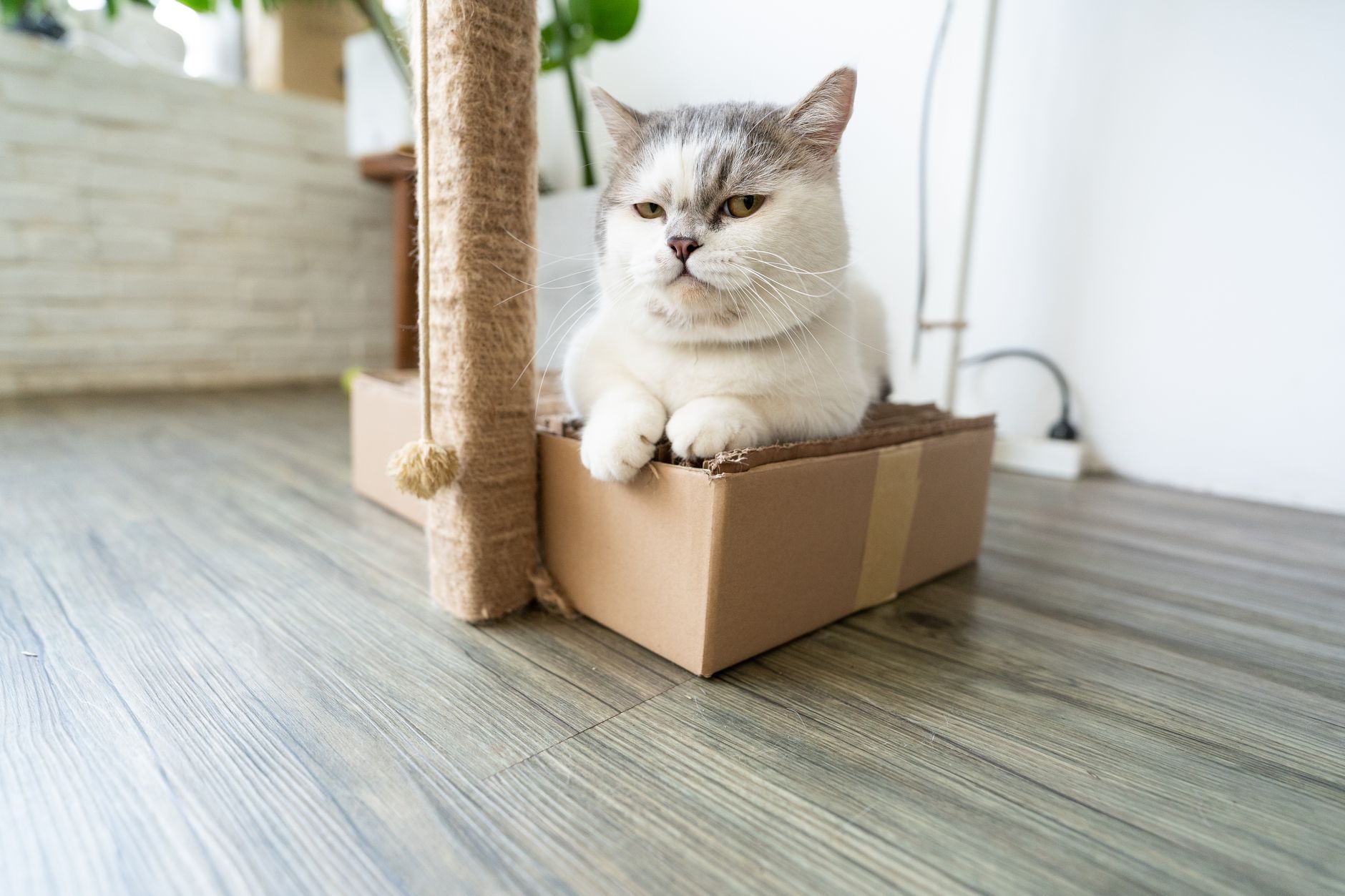
Cats have specific preferences when it comes to their bathroom habits. Understanding these needs is vital for successful litter box placement. Key factors to consider include:
- Privacy: Cats prefer to eliminate in secluded areas.
- Accessibility: The litter box should be easily accessible at all times.
- Safety: Cats need to feel safe and secure while using the litter box. Avoid high-traffic areas or locations with sudden loud noises.
- Cleanliness: Regular cleaning is essential to encourage use. An unclean litter box is a major deterrent for cats.
- Multiple Cats: If you have multiple cats, you should ideally have one litter box per cat, plus one extra. These should be placed in different locations to minimize competition.
Ideal Locations (and Where to Avoid)
Navigating limited space means thinking creatively about potential litter box locations. Here are some suggestions and places to avoid:
Good Options:
- Bathroom: Often a good choice due to ventilation and tile flooring for easy cleanup.
- Closet: A spare closet can be converted into a private bathroom area for your cat. Consider adding a cat door for accessibility.
- Underutilized Corner: A quiet corner in a living room or bedroom can work if it meets other criteria.
- Laundry Room: Similar to a bathroom, laundry rooms often have easy-to-clean floors.
Places to Avoid:
- Near Food and Water: Cats instinctively avoid eliminating near their food and water sources.
- High-Traffic Areas: Living rooms or hallways where people are constantly walking by.
- Loud Appliances: Near washing machines, dryers, or refrigerators that produce loud noises.
- Cold or Drafty Areas: Basements or areas near drafts.
Disguising the Litter Box: Creative Solutions
Many cat owners dislike the aesthetic of a visible litter box. Thankfully, several options exist for disguising it:
- Litter Box Furniture: Cabinets or benches designed to conceal a litter box. These often look like regular furniture and can blend seamlessly into your décor.
- DIY Options: You can repurpose existing furniture, like an old cabinet or side table, to create a hidden litter box.
- Decorative Screens: Use a decorative screen or room divider to create a visual barrier around the litter box.
The Importance of Ventilation and Odor Control
Odor control is critical in small apartments. Implementing the following strategies can help minimize unpleasant smells:
- Regular Cleaning: Scoop the litter box at least once a day.
- High-Quality Litter: Invest in a high-quality litter that effectively absorbs odors.
- Baking Soda: Sprinkle baking soda in the bottom of the litter box to absorb odors.
- Air Purifier: A small air purifier with a HEPA filter can help eliminate odors in the surrounding area.
- Ventilation: Ensure adequate ventilation by opening windows regularly or using a fan.
Choosing the Right Type of Litter Box
The type of litter box can also impact odor control and space efficiency:
- Covered Litter Boxes: Help contain odors and provide a sense of privacy. However, some cats dislike them.
- Self-Cleaning Litter Boxes: Automated litter boxes that scoop waste automatically. These can be expensive but convenient.
- Top-Entry Litter Boxes: Minimize litter tracking and can be a good option for cats who kick litter.
- Corner Litter Boxes: Designed to fit snugly into corners, saving space.
| Litter Box Type | Pros | Cons |
|---|---|---|
| Covered | Odor control, privacy | Some cats dislike them, may trap humidity |
| Self-Cleaning | Convenience, reduces odor | Expensive, can be noisy, potential for malfunction |
| Top-Entry | Reduces litter tracking, good for cats who kick litter | Some cats find them difficult to use, requires more cleaning of the box |
| Corner | Space-saving | May not be suitable for larger cats |
Making Adjustments Based on Cat Behavior
Ultimately, the best litter box location is the one your cat actually uses. Pay close attention to your cat’s behavior and make adjustments as needed. If your cat is avoiding the litter box, consider:
- Moving the litter box to a different location.
- Trying a different type of litter.
- Using a different type of litter box.
- Consulting with a veterinarian to rule out any underlying medical conditions.
Frequently Asked Questions (FAQs)
What if my cat refuses to use the litter box no matter where I put it?
If your cat consistently avoids the litter box, consult a veterinarian. Medical conditions like urinary tract infections can cause litter box aversion. Once medical causes are ruled out, consider behavioral issues and consult a veterinary behaviorist or certified cat behavior consultant for guidance.
How many litter boxes do I need for multiple cats in a small apartment?
The general rule of thumb is one litter box per cat, plus one extra. In a small apartment, this can be challenging, but it’s important to provide enough resources to minimize competition and territoriality. Consider placing the litter boxes in different locations to avoid conflicts.
Can I put the litter box in my bedroom?
While possible, placing the litter box in your bedroom is generally not recommended due to odor concerns. If you must place it there, prioritize excellent ventilation and regular cleaning. Consider a covered litter box with a carbon filter to minimize odors.
Is it okay to put the litter box in a high-traffic area if it’s the only space available?
High-traffic areas are not ideal, as they can make cats feel vulnerable. However, if it’s the only option, try to create a sense of enclosure around the litter box using screens or furniture to provide some privacy.
What type of litter is best for odor control in a small apartment?
Clumping clay litter, crystal litter, and pine litter are all effective at controlling odors. Experiment to see which type your cat prefers and which one works best for your needs. Regularly replace the litter completely, not just scooping it.
How often should I clean the litter box?
Scoop the litter box at least once a day to remove solid waste and clumps. Completely empty and clean the litter box with soap and water every 2-4 weeks, depending on how many cats you have and the type of litter you use.
Does the size of the litter box matter?
Yes, the size of the litter box matters. It should be large enough for your cat to comfortably turn around and eliminate. A good rule of thumb is to choose a litter box that is at least 1.5 times the length of your cat.
My cat kicks litter everywhere. What can I do?
Consider a litter box with high sides or a top-entry litter box to minimize litter tracking. You can also place a litter mat outside the box to catch any stray litter.
Can I train my cat to use the toilet instead of a litter box?
Toilet training cats is possible but not recommended by many veterinarians. It can be stressful for cats and may not be suitable for all cats, especially those with mobility issues.
What are some safe odor-absorbing options besides air fresheners?
Baking soda, activated charcoal, and enzymatic cleaners are all safe and effective odor-absorbing options. Avoid using scented air fresheners, as they can be irritating to cats.
How do I transition my cat to a new litter box location?
Gradually introduce the new location. Start by placing the new litter box near the old one. Once your cat starts using the new box, you can gradually move it to the desired location.
What if I have a kitten? Do the same rules apply?
While the general principles apply, consider the kitten’s smaller size and limited mobility. Ensure the litter box is easily accessible, with low sides that the kitten can easily climb into. Choose a litter that is safe for kittens, avoiding clumping litters which they might ingest.