
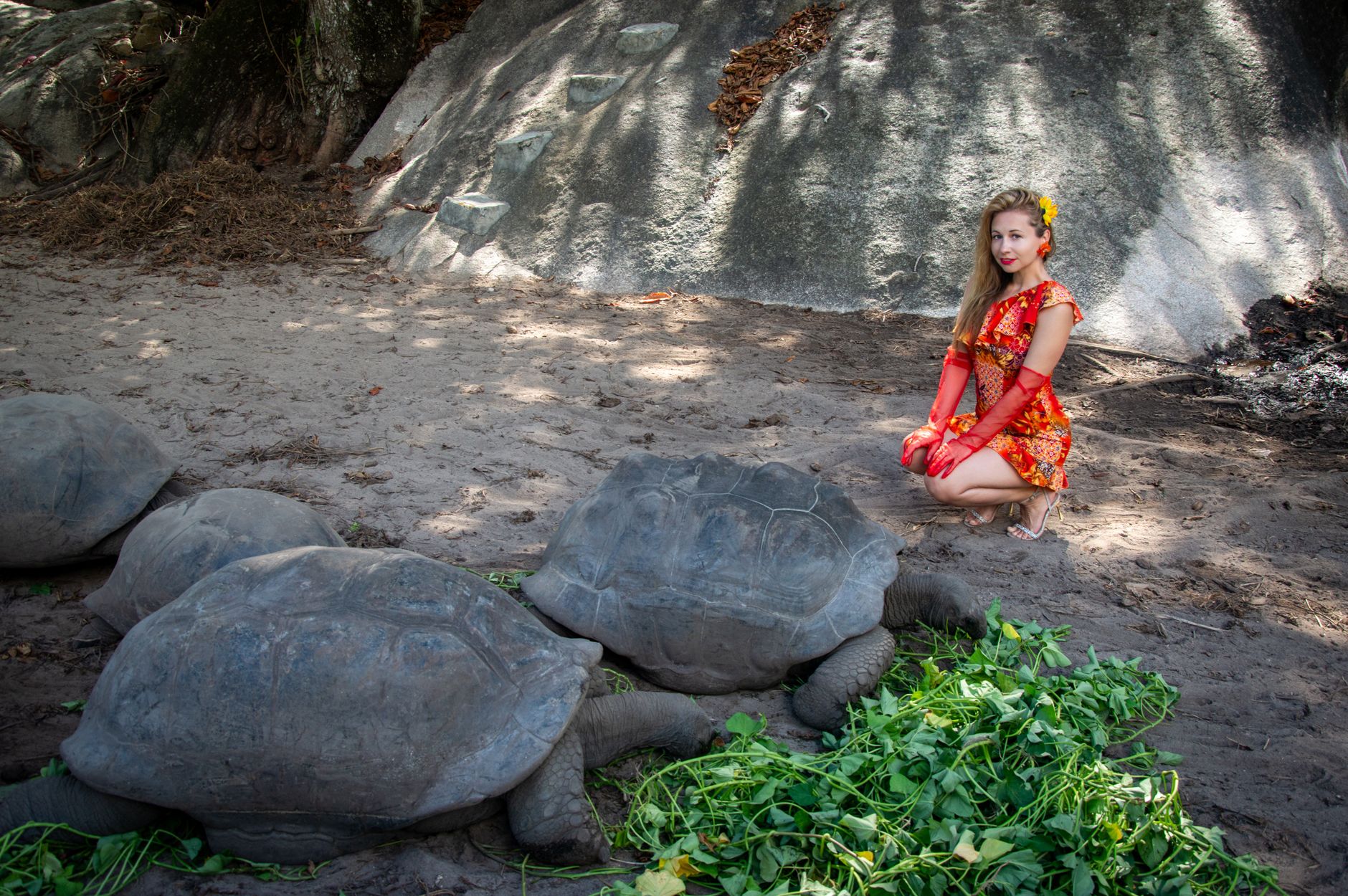
Giant Tortoise Ownership: Exploring the Possibilities
Can you have a pet giant tortoise? The answer is a complex yes, but owning these magnificent reptiles requires significant resources, permits, and dedication; realistically, it’s an option only for specialized institutions and very few private individuals with ample space and expertise.

Introduction: The Allure and Reality of Giant Tortoise Ownership
The prospect of keeping a giant tortoise as a pet captivates many. These gentle giants, symbols of longevity and stability, evoke images of a prehistoric past. However, the reality of caring for a creature that can live over a century, weigh hundreds of pounds, and require specialized care is far more demanding than most people realize. Before considering bringing a giant tortoise into your life, a thorough understanding of their needs and the legal implications is paramount.

Why do cuttlefish have W-shaped eyes?
Do all snakes have poison in them?
How do they put trackers on sea turtles?
What is the GREY African clawed frog?
Understanding Giant Tortoises: A Primer

Giant tortoises belong to several species within the genera Chelonoidis (Galapagos tortoises) and Aldabrachelys (Aldabra tortoises). They are herbivorous reptiles known for their immense size, slow metabolism, and remarkable lifespan. Distinguishing features include:
- Size: Adult giant tortoises can reach lengths of 4-5 feet and weigh over 500 pounds.
- Lifespan: They can live for over 100 years, often outliving their owners.
- Habitat: Native to specific island ecosystems (Galapagos and Aldabra), they are adapted to tropical and subtropical environments.
- Diet: Their diet consists primarily of grasses, leaves, fruits, and other vegetation.
- Conservation Status: Many species are endangered or threatened, making responsible ownership critical.
The Legal Landscape: Permits and Regulations
Can you have a pet giant tortoise? The answer heavily depends on your location. Due to their endangered status and the potential for irresponsible ownership, most countries and states have strict regulations regarding the possession of giant tortoises.
- Permits: Obtaining the necessary permits can be a lengthy and complex process, often involving extensive paperwork and inspections.
- Local Laws: Many jurisdictions prohibit private ownership altogether.
- CITES: International trade in endangered species is regulated by the Convention on International Trade in Endangered Species (CITES). Giant tortoises are typically listed under CITES Appendix I, which strictly controls their import and export.
- Ethical Considerations: Supporting responsible breeding programs and avoiding the illegal wildlife trade are crucial ethical considerations.
Meeting Their Enormous Needs: Housing, Diet, and Health
Providing adequate care for a giant tortoise requires significant resources and a deep understanding of their specific needs.
-
Housing: Giant tortoises require a vast outdoor enclosure with ample grazing space, shelter from the elements (extreme heat and cold), and secure fencing to prevent escapes. Indoor accommodations may also be necessary in colder climates.
- Minimum Enclosure Size: 500 sq ft for a single adult.
- Substrate: Natural grasses and soil.
- Shelter: Insulated, heated enclosure for cold weather.
-
Diet: A balanced and varied diet is crucial for their health.
- Grasses and Hay: The foundation of their diet.
- Leafy Greens: Romaine lettuce, kale, and other greens.
- Fruits and Vegetables: In moderation, as treats.
- Supplementation: Calcium and vitamin supplements are often necessary.
-
Health: Giant tortoises are susceptible to various health problems.
- Regular Veterinary Checkups: Essential for early detection and treatment of illnesses.
- Parasite Control: Regular fecal exams and deworming.
- Shell Health: Proper humidity and calcium intake are crucial for shell development.
-
Environmental Enrichment: Providing diverse stimuli is vital for their well-being.
- Soaking Pools: Allow them to hydrate and regulate body temperature.
- Rocks and Logs: Offer opportunities for climbing and exploration.
- Varied Terrain: Stimulates natural foraging behavior.
The Long-Term Commitment: Preparing for a Lifetime of Care
Owning a giant tortoise is a lifetime commitment, potentially spanning over a century. Are you prepared to dedicate the resources and energy required for such a long-term responsibility?
- Financial Burden: The cost of housing, feeding, and providing veterinary care for a giant tortoise can be substantial.
- Succession Planning: What will happen to your tortoise if you are unable to care for it? Having a plan in place is essential.
- Lifestyle Changes: Caring for a giant tortoise can significantly impact your lifestyle and require adjustments to your daily routine.
Common Misconceptions About Giant Tortoise Ownership
Many misconceptions surround giant tortoise ownership, leading to inadequate care and unnecessary suffering.
- Low Maintenance: Giant tortoises are far from low maintenance. They require constant attention to their environment, diet, and health.
- Suitable for All Climates: They are adapted to specific tropical and subtropical environments and require specialized care in other climates.
- Beginner Reptiles: Giant tortoises are not suitable for beginner reptile keepers. Their complex needs require significant experience and knowledge.
Ethical Considerations: Welfare and Conservation
Can you have a pet giant tortoise? Considering the ethics is paramount. The well-being of the tortoise should always be the top priority.
- Wild-Caught vs. Captive-Bred: Wild-caught tortoises should never be purchased. Supporting responsible breeding programs helps ensure the conservation of these species.
- Proper Husbandry: Providing adequate care is essential for their physical and psychological well-being.
- Conservation Efforts: Supporting organizations dedicated to the conservation of giant tortoises in their natural habitats is a responsible way to contribute to their long-term survival.
Conclusion: A Responsibility, Not a Hobby
Giant tortoise ownership is not a decision to be taken lightly. While the allure of owning one of these magnificent creatures is undeniable, the reality demands extensive resources, unwavering dedication, and a deep commitment to their welfare. If you’re wondering, can you have a pet giant tortoise?, realistically, only a small number of individuals or institutions possess the capability to provide the complex care they require, ensuring their long and healthy lives.
Frequently Asked Questions (FAQs)
Is it legal to own a giant tortoise in my state?
The legality of owning a giant tortoise varies significantly by state and even by locality. Always check with your local and state wildlife agencies before considering acquiring a giant tortoise. Many jurisdictions require specific permits, and some outright prohibit private ownership.
How much does it cost to care for a giant tortoise?
The initial setup costs for a giant tortoise enclosure can range from several thousand to tens of thousands of dollars, depending on the size and complexity of the setup. Ongoing expenses, including food, veterinary care, and electricity, can easily exceed several thousand dollars per year.
What do giant tortoises eat?
Giant tortoises are primarily herbivores, with a diet consisting of grasses, hay, leafy greens, fruits, and vegetables. A balanced diet is crucial for their health and should be supplemented with calcium and vitamins as needed.
How big of an enclosure does a giant tortoise need?
Giant tortoises require a very large outdoor enclosure with ample grazing space and shelter. A minimum of 500 square feet is recommended for a single adult, but larger enclosures are always preferable.
How long do giant tortoises live?
Giant tortoises are renowned for their long lifespans, often living for over 100 years. Some individuals have even been known to live for over 150 years.
What are some common health problems in giant tortoises?
Common health problems in giant tortoises include respiratory infections, shell rot, parasite infestations, and metabolic bone disease. Regular veterinary checkups are essential for early detection and treatment of these conditions.
Can giant tortoises be kept indoors?
While giant tortoises require outdoor access for grazing and sunlight, indoor accommodations may be necessary in colder climates. Indoor enclosures should be spacious, well-ventilated, and provide adequate heating and lighting.
Do giant tortoises get lonely?
Giant tortoises are generally solitary animals and do not require companionship. However, they may benefit from interaction with their keepers and environmental enrichment.
Are giant tortoises dangerous?
Giant tortoises are generally docile and harmless, but their size and strength can pose a risk. They can accidentally injure people by bumping into them or stepping on them.
How do I find a veterinarian experienced with giant tortoises?
Finding a veterinarian experienced with giant tortoises can be challenging. Contact your local reptile society or zoo for referrals. You can also search online directories of exotic animal veterinarians.
What is CITES and how does it affect giant tortoise ownership?
CITES, the Convention on International Trade in Endangered Species, regulates the international trade in endangered species. Giant tortoises are typically listed under CITES Appendix I, which strictly controls their import and export. This can make it difficult to legally acquire a giant tortoise.
What should I do if I can no longer care for my giant tortoise?
If you are no longer able to care for your giant tortoise, contact a local reptile rescue organization or zoo. They may be able to provide a suitable home for your tortoise. It is never ethical to release a captive giant tortoise into the wild.