
How Many Fish Can You Realistically Keep in a 10-Gallon Tank?
The answer to how many fish can you put in a 10-gallon tank isn’t a simple number; it depends heavily on the species, but generally, you’re looking at a very limited number, prioritizing small fish suited to confined spaces, usually around 3-5 small fish.

Understanding the 1-Inch Rule and Its Limitations
The often-cited “1-inch rule” (1 inch of fish per gallon of water) is a starting point, but it’s not foolproof. While it can be a helpful guide for beginners, it doesn’t account for several critical factors that significantly impact the health and well-being of your fish. This rule is a severely outdated and simplified metric. Modern fishkeeping practices emphasize understanding the specific needs of each species.
Is 75 degrees good for a fish tank?
What fish do not need a filtered tank?
What fish is Flo?
How intelligent are fish?
Factors Affecting Fish Stocking Levels
Several factors beyond just body length determine how many fish can you put in a 10 gallon tank:
- Fish Size and Growth Rate: A tiny fish now may grow much larger. Research adult sizes.
- Swimming Habits: Active fish need more space than sedentary ones. Fish that school/shoal require adequate numbers to prevent stress.
- Behavior and Aggression: Some fish are territorial and require more space to avoid conflict.
- Filtration Capacity: Overstocking leads to higher waste levels, stressing the filtration system.
- Water Quality Maintenance: Smaller tanks require more frequent water changes to maintain stable parameters.
- Aquascaping: Decorations and plants take up swimming space.
- Species Compatibility: Ensure fish are compatible and won’t prey on each other.
Suitable Fish for a 10-Gallon Tank: Safe Choices
With careful planning, it is still possible to keep fish in a 10-gallon aquarium. Some of the best options for a 10-gallon tank include the following:
- Betta Fish (Siamese Fighting Fish): One betta is ideal. They require their own space.
- Endler’s Livebearers: A small group (3-5) of these tiny, colorful fish can thrive.
- Dwarf Corydoras: Up to six of these small scavenger catfish are a good clean up crew and can do well in a 10 gallon, just make sure to provide them with soft substrate.
- Chili Rasbora: These tiny, vibrant fish do well in groups, though require very specific care. A group of 6 could be suitable.
Unsuitable Fish for a 10-Gallon Tank: Avoid These
Many common aquarium fish simply cannot be kept in a 10-gallon tank due to their adult size, activity level, or social needs. Here are a few to always avoid:
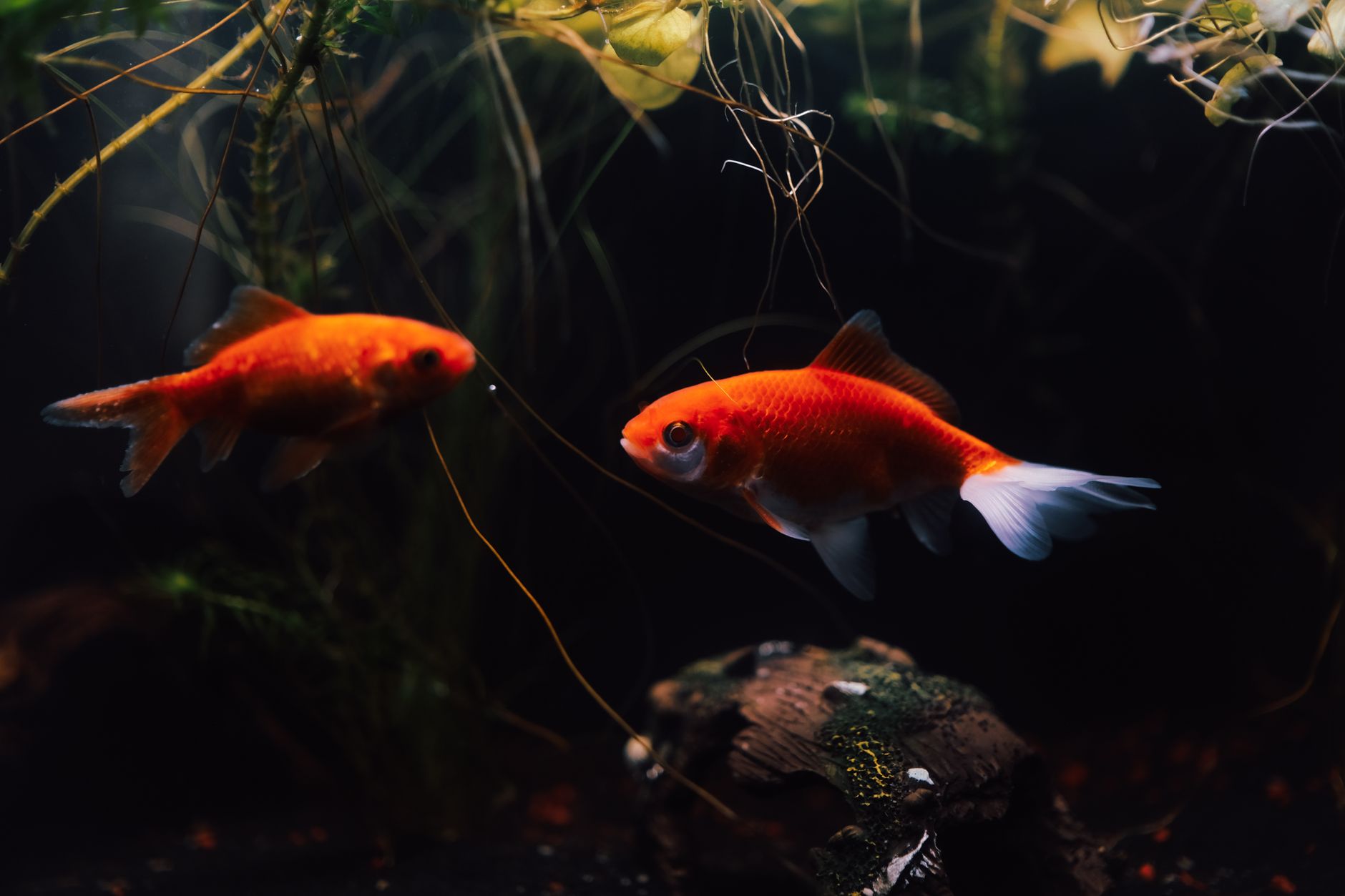
- Goldfish: These require much larger tanks, even the smallest varieties.
- Plecos: Most plecos grow very large.
- Angelfish: These are large and require tall tanks.
- Guppies: Though small, they breed rapidly, leading to overpopulation.
- Tetras (Most Species): Neons, cardinals, and other common tetras need larger schools and more swimming space.
Setting Up a 10-Gallon Aquarium for Success
Before adding any fish, you need to properly set up the aquarium.
- Choose a stable location: Away from direct sunlight and high-traffic areas.
- Set up the tank: Place the tank on a level surface.
- Add substrate: Aquarium gravel or sand suitable for your chosen fish.
- Install filtration and heating: Ensure proper filtration and a heater to maintain a stable temperature.
- Aquascape: Add decorations and plants to provide hiding places and visual interest.
- Cycle the tank: This is crucial! Allow the tank to cycle for several weeks before adding any fish to establish a healthy biological filter.
Common Mistakes to Avoid
- Overstocking: Adding too many fish is the most common mistake.
- Not Cycling the Tank: Adding fish before the nitrogen cycle is established is deadly.
- Incompatible Species: Choosing fish that fight or prey on each other.
- Neglecting Water Changes: Regular water changes are essential for maintaining water quality.
- Poor Filtration: Insufficient filtration leads to toxic buildup.
FAQs: Understanding 10-Gallon Tank Capacity
How does the shape of the tank affect stocking levels?
The shape matters; a longer tank provides more swimming space than a taller, narrower one of the same gallonage. Longer tanks are generally preferable for fish. However, always consider depth for bottom feeders, as well as appropriate temperature for fish that prefer warmer waters.
Is it better to understock or overstock a tank?
Understocking is always preferable. It’s far easier to manage a slightly understocked tank than one that’s overstocked, reducing stress on the fish and the risk of water quality problems.
What kind of filtration is best for a 10-gallon tank?
A hang-on-back (HOB) filter or a sponge filter are good choices for a 10-gallon tank. Ensure the filter is rated for a tank larger than 10 gallons for adequate filtration capacity. Sponge filters are great for shrimp and fry!
How often should I do water changes in a 10-gallon tank?
Regular water changes are critical. Aim for 25-50% water change weekly, or more frequently if the tank is heavily stocked. Always use a water conditioner to remove chlorine and chloramine.
Can I keep shrimp in a 10-gallon tank with fish?
Yes, certain types of shrimp, such as Cherry Shrimp or Ghost Shrimp, can be kept with small, peaceful fish. Provide plenty of hiding places for the shrimp. Be aware that some fish may prey on shrimp.
What about snails? Can I add them to clean the tank?
Snails can be helpful for algae control, but they also produce waste. Nerite snails are a good choice as they don’t reproduce in freshwater. Avoid pest snails like bladder snails, which can quickly overpopulate a tank.
How does temperature affect the number of fish I can keep?
Higher temperatures increase metabolism, meaning fish need more oxygen and produce more waste. This puts more strain on the filtration system. Choose fish with similar temperature requirements.
Can I add more fish later if my tank seems stable?
It’s best to add all fish at once after the tank has fully cycled. Adding fish later can disrupt the established biological filter and cause a mini-cycle. If you do add fish later, do so gradually and monitor water parameters closely.
What are the signs of overstocking?
Signs of overstocking include rapid algae growth, cloudy water, high ammonia or nitrite levels, fish gasping at the surface, and increased aggression among fish.
Are live plants beneficial in a 10-gallon tank?
Absolutely! Live plants help improve water quality by consuming nitrates and releasing oxygen. They also provide hiding places for fish and add to the aesthetic appeal of the tank.
How important is it to quarantine new fish before adding them to my tank?
Quarantining new fish is crucial to prevent the introduction of diseases or parasites into your established tank. Quarantine new fish in a separate tank for at least two weeks to observe them for any signs of illness.
What is the best way to determine the right number of fish for my 10-gallon tank?
The best approach is to thoroughly research the specific needs of each fish species you are considering. Consult reliable sources like books, websites, and experienced aquarists. Pay attention to their adult size, social behavior, and water parameter requirements before making any decisions. Remember, how many fish can you put in 10 gallon tank depends on you doing your research.
In conclusion, determining how many fish can you put in a 10 gallon tank is a process that demands careful consideration and prioritizes the health and well-being of the aquatic life you choose to keep. It’s far more than simply counting inches of fish. Prioritize responsible fishkeeping and enjoy your thriving aquarium!