
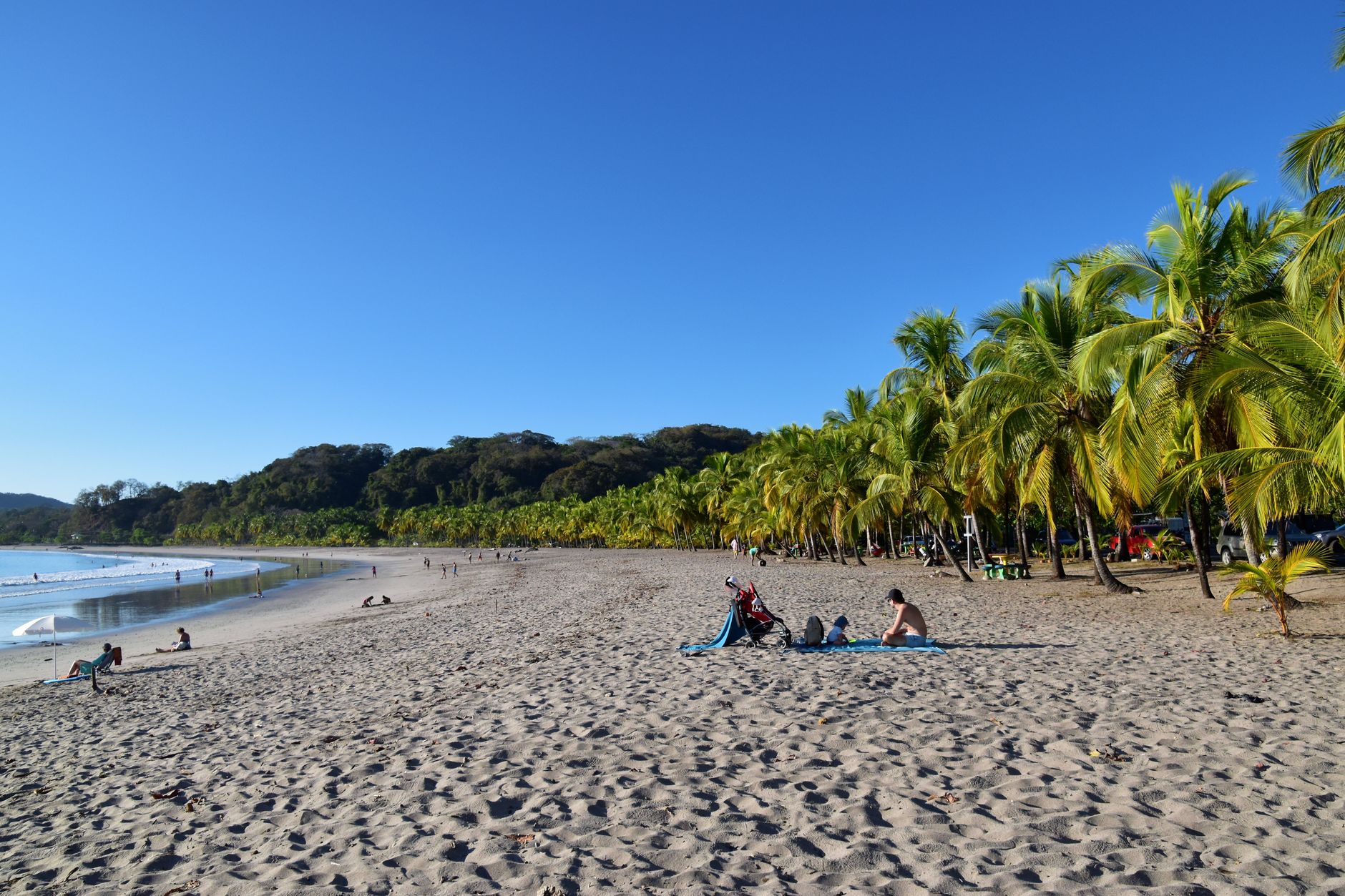
When Should I Go to Costa Rica for Wildlife?
The absolute best time to visit Costa Rica for wildlife viewing is during the dry season (December to April), but specific species are more active at certain times of the year. This ensures generally favorable weather conditions and increased animal activity, but shoulder seasons offer unique opportunities for specific encounters.
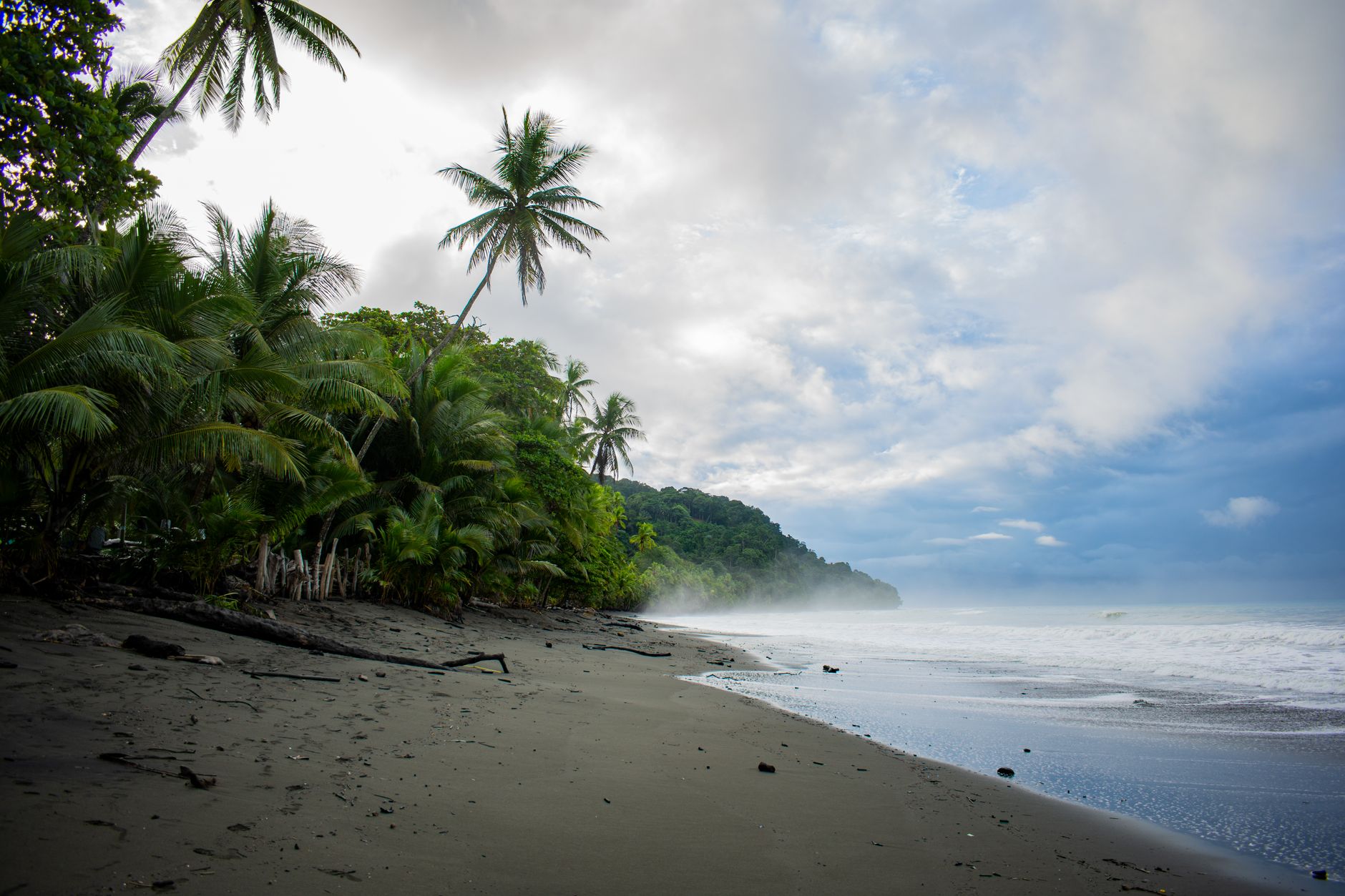
Costa Rica, a jewel of Central America, boasts incredible biodiversity concentrated within a relatively small area. Deciding when should I go to Costa Rica for wildlife? depends on various factors, including your target species, preferred weather, and tolerance for crowds. This guide will help you determine the optimal time for your wildlife adventure.
Understanding Costa Rica’s Seasons
Costa Rica has two primary seasons: the dry season (December to April) and the rainy season (May to November), also known as the green season. While the dry season offers more predictable sunshine, the rainy season brings lush landscapes and different wildlife experiences.
- Dry Season (December to April): Characterized by minimal rainfall and abundant sunshine. This is the peak tourist season.
- Rainy Season (May to November): Features daily rainfall, often in the afternoon. Landscapes are vibrant and green, and you’ll find fewer crowds. This season is further divided into early (May-August) and late (September-November) rainy seasons, with October typically being the wettest month.
- Microclimates: It’s crucial to remember that Costa Rica has various microclimates. The Caribbean coast experiences different weather patterns than the Pacific coast. The Central Valley, where San Jose is located, has a more temperate climate.

What colours are fish most attracted to?
Can you put your finger in a trout's mouth?
Is methylene blue anti bacterial?
Does aquarium salt raise pH in aquarium?
Wildlife Viewing Opportunities by Season

The availability of different animal species varies throughout the year. Knowing what you hope to see can significantly influence your travel dates.
- Sea Turtle Nesting:
- Green Sea Turtles: July to October on the Caribbean coast (Tortuguero National Park is a prime location).
- Leatherback Sea Turtles: March to July on both Pacific and Caribbean coasts.
- Olive Ridley Sea Turtles: September to November during arribadas (mass nesting events) on the Pacific coast (Ostional Wildlife Refuge).
- Birdwatching: While birds are present year-round, migration periods (March-May and September-November) bring an influx of migratory species.
- Whale Watching:
- Humpback Whales (Southern Hemisphere): August to November along the Pacific coast.
- Humpback Whales (Northern Hemisphere): December to April along the Pacific coast.
- Sloths and Monkeys: These can be seen year-round, but are often easier to spot in the dry season when vegetation is less dense.
Factors to Consider When Planning Your Trip
Beyond the seasons and wildlife, other factors influence when should I go to Costa Rica for wildlife?:
- Budget: The dry season is more expensive due to higher demand. Traveling during the rainy season can save you money on flights and accommodation.
- Crowds: The dry season attracts the largest crowds, especially during school holidays and around Christmas and Easter. If you prefer a quieter experience, consider traveling during the shoulder seasons (May, June, September, or October).
- Activities: Some activities, like whitewater rafting, are better suited for the rainy season when rivers are fuller. Hiking can be more challenging during the rainy season due to muddy trails.
A Month-by-Month Wildlife Calendar
To help you further pinpoint when should I go to Costa Rica for wildlife?, here’s a brief overview of what to expect month by month:
| Month | Wildlife Highlights | Weather Considerations |
|---|---|---|
| January | Humpback whale watching (North Pacific), abundant birdlife. | Dry season, sunny days, minimal rainfall. Peak tourist season. |
| February | Similar to January. Good for birding, sloth and monkey spotting. | Dry season continues. Ideal weather conditions. |
| March | Leatherback turtle nesting starts (Pacific coast), migrating birds. | Dry season. Can be hot and dry, especially in Guanacaste. |
| April | Leatherback turtle nesting continues, whale watching (North Pacific ending). | End of dry season. Some areas may experience increasing humidity. |
| May | Green season begins, wildlife active, nesting turtles. | Transition month. Rain becomes more frequent, landscapes lush. Fewer crowds. |
| June | Green sea turtle nesting (Caribbean), wildlife viewing opportunities. | Rainy season in full swing. Caribbean coast generally drier than Pacific. |
| July | Green sea turtle nesting peaks (Caribbean), wildlife flourishing. | Rainy season. Rivers are full, good for whitewater rafting. |
| August | Humpback whale watching (South Pacific begins), Green sea turtle nesting. | Rainy season. Good balance of rain and sunshine. |
| September | Olive Ridley arribadas (Pacific), migrating birds. | Typically wet. Excellent for seeing arribadas, but be prepared for rain. |
| October | Olive Ridley arribadas continue, peak of rainy season. | Wettest month in many areas. Some roads may be impassable. |
| November | End of rainy season, humpback whale watching (South Pacific), Olive Ridley arribadas. | Transition month. Landscapes are lush, and the rain starts to ease. |
| December | Start of dry season, humpback whale watching (North Pacific begins), birding. | Dry season begins. Sunny days, increasing tourist numbers. |
Essential Packing List for Wildlife Viewing
Regardless of when should I go to Costa Rica for wildlife?, packing appropriately enhances your experience.
- Binoculars: Essential for spotting wildlife in dense foliage.
- Insect repellent: Protection from mosquitoes and other biting insects.
- Lightweight rain gear: Important even during the dry season.
- Hiking boots: For exploring trails.
- Sunscreen and hat: Protection from the strong tropical sun.
- Camera with zoom lens: To capture stunning wildlife photos.
Common Mistakes to Avoid
Planning is key to a successful wildlife viewing trip.
- Underestimating the rain: Even in the dry season, rain is possible.
- Not booking accommodations in advance: This is especially important during peak season.
- Ignoring the importance of a guide: A knowledgeable guide can significantly enhance your wildlife viewing experience.
- Not bringing binoculars: Crucial for spotting animals in the canopy.
Ethical Considerations for Wildlife Viewing
It’s important to view wildlife responsibly.
- Maintain a safe distance: Avoid disturbing animals in their natural habitat.
- Do not feed the animals: This can disrupt their natural feeding patterns.
- Support sustainable tourism practices: Choose eco-friendly tour operators and lodges.
- Respect local regulations: Follow guidelines regarding wildlife viewing and photography.
Frequently Asked Questions (FAQs)
Is the dry season always the best time to visit for wildlife?
While the dry season (December-April) offers generally favorable weather and increased animal activity, it’s not always the absolute best. Certain wildlife events, like turtle nesting or arribadas, occur during the rainy season. Therefore, your priorities dictate the best time.
What is the best national park for wildlife viewing in Costa Rica?
That depends on what you want to see! Corcovado National Park is renowned for its biodiversity and remote location. Manuel Antonio National Park is more accessible and offers a mix of rainforest and beaches, but can be crowded. Tortuguero is the best place for sea turtles.
How much does a wildlife viewing trip to Costa Rica cost?
The cost varies greatly depending on the season, type of accommodation, activities, and whether you hire a guide. Budget travelers can expect to spend around $50-100 per day, while luxury travelers might spend $300+ per day.
Do I need vaccinations to travel to Costa Rica for wildlife viewing?
It’s always best to consult your doctor regarding recommended vaccinations. Generally, routine vaccinations are recommended, and you might consider hepatitis A and typhoid, depending on your travel style and destinations.
Is it safe to drink the tap water in Costa Rica?
In many areas, tap water is safe to drink, especially in cities and tourist areas. However, it’s generally recommended to drink bottled water or use a water filter, particularly in rural areas.
What are the best ways to get around Costa Rica for wildlife viewing?
Renting a 4×4 vehicle is recommended for accessing remote areas and national parks, especially during the rainy season. Public buses are a more affordable option but can be slow and crowded. Domestic flights can save time, especially when traveling between coasts.
Are there any dangerous animals in Costa Rica?
Yes, Costa Rica is home to animals such as snakes, spiders, and crocodiles. However, attacks are rare. Be aware of your surroundings, follow the advice of local guides, and avoid approaching or disturbing wildlife.
What should I wear for wildlife viewing in Costa Rica?
Wear lightweight, breathable clothing that dries quickly. Long sleeves and pants can protect against insects and the sun. Closed-toe shoes or hiking boots are essential for exploring trails.
How can I minimize my impact on the environment while wildlife viewing?
Choose eco-friendly tour operators, avoid single-use plastics, respect wildlife and their habitats, and support local communities.
Are there any organized wildlife tours I can join?
Yes, numerous tour operators offer organized wildlife tours in Costa Rica. These tours often include transportation, accommodation, meals, and the expertise of a knowledgeable guide.
Can I see sloths in Costa Rica all year round?
Yes, sloths can be seen year-round, but they can be challenging to spot. They are often easier to find in the dry season when vegetation is less dense and with the help of a skilled guide.
What is the best way to see the Olive Ridley Arribadas?
The best way to witness the Arribadas is to visit Ostional Wildlife Refuge during the peak nesting season (September-November). Local guides offer tours that provide a safe and informative experience.