

Should I Take My Dog to the Vet for Fleas? Understanding When Professional Help is Needed
Wondering if you need professional help for your dog’s flea infestation? The short answer is: Yes, if home treatments are ineffective, your dog has a severe infestation, exhibits allergic reactions, or has underlying health conditions, you should absolutely take your dog to the vet for fleas. Delaying professional treatment in these instances can lead to serious complications and prolonged discomfort for your beloved companion.
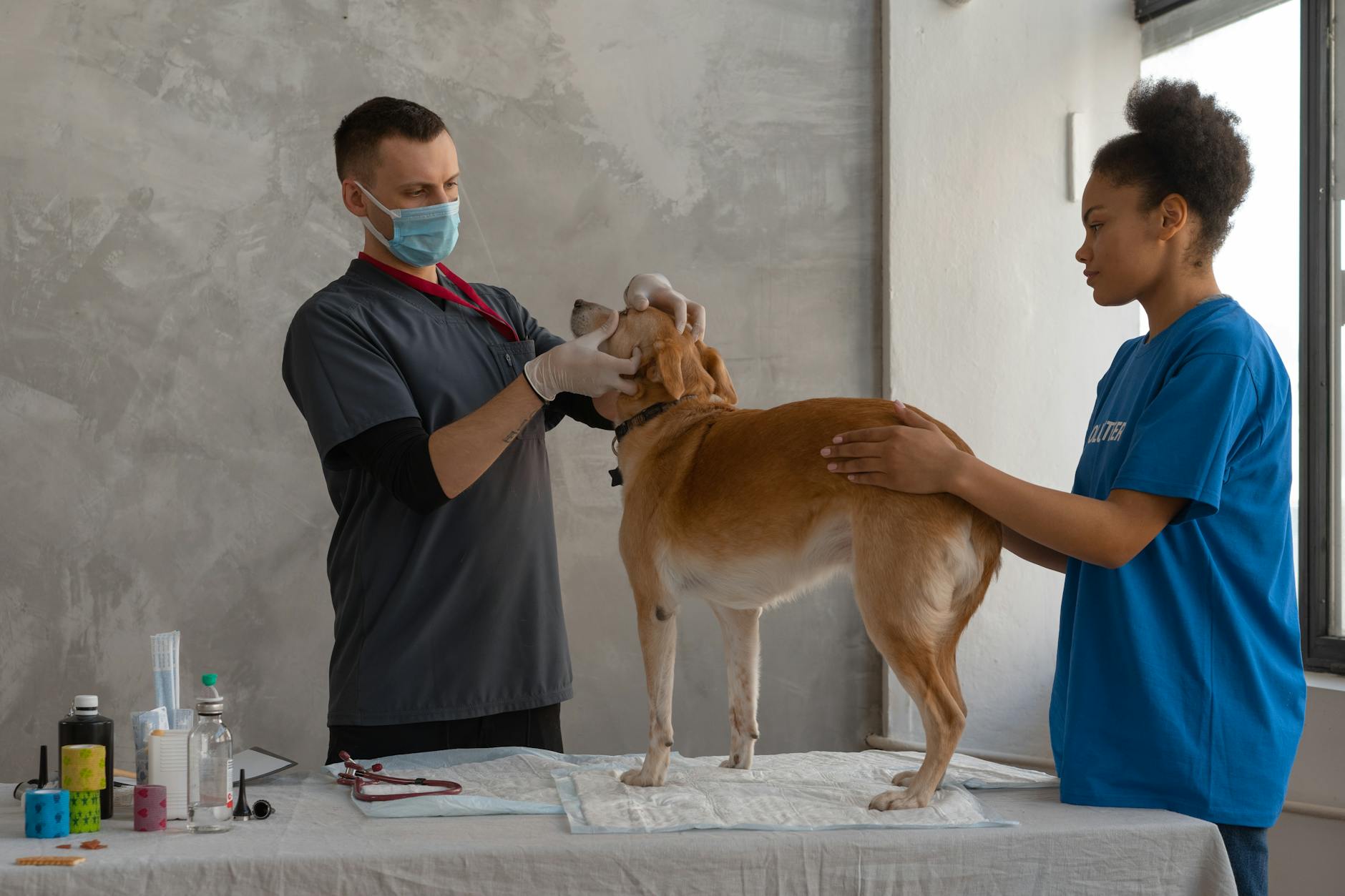
The Ubiquitous Flea: A Persistent Pest
Fleas are tiny, wingless insects that feed on the blood of warm-blooded animals, including our canine companions. These parasites are not just a nuisance; they can cause significant discomfort, allergic reactions, and even transmit diseases. Understanding the life cycle of fleas and the potential risks associated with infestations is crucial in determining whether a trip to the vet is necessary. Fleas thrive in warm, humid environments, making flea infestations a year-round concern in many regions.
When Home Remedies Aren’t Enough

Many over-the-counter flea treatments are available, including shampoos, sprays, topical medications, and oral medications. However, these treatments aren’t always effective, particularly in severe infestations or when dealing with resistant flea populations. Here are a few signs that your home remedies may be failing:
- Persistent scratching and biting: If your dog continues to scratch excessively despite treatment.
- Visible fleas: Continually finding live fleas on your dog or in your home.
- Flea dirt: Finding black specks (flea excrement) on your dog’s skin or bedding.
- No improvement after several treatments: If you haven’t seen a reduction in fleas after multiple applications of over-the-counter products according to instructions.
Recognizing Severe Infestations
A severe flea infestation can have serious consequences for your dog’s health. Symptoms of a severe infestation include:
- Anemia: Fleas feed on blood, and a heavy infestation can lead to anemia, especially in puppies. Signs include pale gums and lethargy.
- Significant hair loss: Excessive scratching and biting can lead to hair loss and skin damage.
- Skin infections: Broken skin is susceptible to bacterial infections.
- Tapeworms: Fleas can carry tapeworm larvae, which can be ingested by your dog.
Allergic Reactions: Flea Allergy Dermatitis (FAD)
Some dogs are highly allergic to flea saliva, a condition known as Flea Allergy Dermatitis (FAD). Even a single flea bite can trigger an intense allergic reaction. Symptoms of FAD include:
- Intense itching: Out of proportion to the number of fleas present.
- Red, inflamed skin: Particularly around the base of the tail, hindquarters, and inner thighs.
- Hot spots: Areas of raw, moist, and infected skin caused by excessive licking and scratching.
If your dog exhibits signs of FAD, immediate veterinary attention is crucial to manage the allergic reaction and prevent secondary infections.
Underlying Health Conditions
Dogs with certain underlying health conditions, such as a compromised immune system, are more susceptible to flea infestations and their complications. In these cases, a veterinarian can provide tailored treatment and monitor your dog’s health more closely. Puppies and senior dogs are also more vulnerable.
What to Expect at the Vet
When you take your dog to the vet for fleas, the veterinarian will likely:
- Perform a physical exam: To assess the severity of the infestation and look for signs of anemia, skin infections, or other complications.
- Conduct diagnostic tests: May include a skin scraping to rule out other skin conditions or a blood test to check for anemia.
- Recommend a treatment plan: This may include prescription-strength flea medications, antibiotics for skin infections, and medications to relieve itching and inflammation.
- Provide guidance on flea prevention: To prevent future infestations.
Flea Treatment Options at the Vet
Veterinarians have access to a wider range of flea treatment options than are available over the counter. These may include:
- Prescription-strength topical medications: Often more effective and longer-lasting than over-the-counter options.
- Oral medications: Some oral medications kill adult fleas quickly, while others prevent flea eggs from hatching.
- Injections: Longer-acting flea control options.
Preventing Future Flea Infestations
Preventing fleas is much easier (and cheaper) than treating an infestation. Here are some key prevention strategies:
- Year-round flea control: Use a veterinarian-recommended flea preventative year-round, even in the winter.
- Treat your home: Vacuum regularly, wash bedding frequently, and consider using a flea spray or fogger (follow product instructions carefully).
- Treat your yard: Mow your lawn regularly, remove debris, and consider using a flea control product specifically designed for outdoor use.
- Check your dog regularly: Look for fleas, flea dirt, and signs of scratching.
Choosing a Flea Preventative: A Comparison
| Feature | Topical Treatments | Oral Medications |
|---|---|---|
| Application | Applied to the skin | Given by mouth |
| Frequency | Typically monthly | Typically monthly |
| Effectiveness | Can be very effective, but some resistance is developing | Generally highly effective |
| Potential Side Effects | Skin irritation | Some medications can cause vomiting or diarrhea |
| Cost | Varies depending on brand and formulation | Varies depending on brand and formulation |
| Ease of Use | Easy to apply, but some dogs may dislike the application | Easy to administer |
| Water Resistance | Varies; some are waterproof, others are not | Not affected by bathing or swimming |

Frequently Asked Questions (FAQs)
Is it possible to misdiagnose fleas?
Yes, it is possible. Some skin conditions and allergies can mimic the symptoms of flea infestations. A veterinarian can perform diagnostic tests to confirm the presence of fleas and rule out other potential causes of your dog’s symptoms.
How long does it take for flea treatment from the vet to work?
The time it takes for flea treatment to work can vary depending on the type of medication used. Some oral medications can kill adult fleas within hours, while topical treatments may take 12-24 hours to start working. It’s crucial to follow your veterinarian’s instructions carefully and be patient.
Can fleas live on humans?
Fleas can bite humans, but they generally prefer to live on animals. Human flea bites can cause itchy red bumps, but fleas are unlikely to establish a long-term infestation on humans. If you suspect fleas are biting you, focus on treating your pets and your home.
What are the risks of not treating fleas?
Untreated flea infestations can lead to several health problems for your dog, including anemia, skin infections, tapeworms, and flea allergy dermatitis. In severe cases, anemia can be life-threatening, especially in puppies.
Are some dog breeds more prone to fleas?
While any dog can get fleas, long-haired breeds may be more prone to infestations because their fur provides a more hospitable environment for fleas to hide and breed. However, all breeds require preventative measures.
What should I do if my dog is still scratching after flea treatment?
If your dog continues to scratch after flea treatment, it’s essential to consult your veterinarian. The scratching may be due to residual irritation from flea bites, an allergic reaction, or a secondary skin infection. Your vet can recommend additional treatments to relieve the itching and address any underlying issues.
Can I use human flea treatment on my dog?
No, you should never use human flea treatment on your dog. Human flea treatments contain ingredients that can be toxic to dogs. Always use flea treatments specifically formulated for dogs and follow the product instructions carefully.
How often should I bathe my dog to prevent fleas?
Regular bathing can help remove fleas and flea dirt from your dog’s coat, but over-bathing can dry out their skin. Bathe your dog as needed, using a gentle shampoo formulated for dogs. Don’t forget to use a flea preventative.
Is diatomaceous earth safe for flea control?
Diatomaceous earth (DE) is a natural powder that can kill fleas, but it’s essential to use food-grade DE and apply it carefully. Avoid inhaling DE, as it can irritate the lungs. DE is generally considered a supplement, and will not kill fleas as well as other treatment options.
How do I know if my house is infested with fleas?
Signs of a flea infestation in your home include seeing fleas hopping on your carpets, furniture, or curtains, finding flea dirt (black specks) on your pet’s bedding, or experiencing flea bites yourself.
Are natural flea remedies effective?
Some natural flea remedies, such as essential oils and herbal sprays, may repel fleas to some extent, but their effectiveness is often limited. These remedies may not be sufficient to control a severe infestation and can even be harmful to your dog if used incorrectly. Always consult your veterinarian before using natural flea remedies.
What is the life cycle of a flea?
Fleas have four life stages: egg, larva, pupa, and adult. Adult fleas live on animals and lay eggs, which fall off into the environment. The larvae hatch from the eggs and feed on organic matter, including flea dirt. The larvae then pupate, and the adult fleas emerge from the pupae to find a host. Understanding the flea life cycle is crucial for effective flea control.