

What Creatures Share Traits with the Magnificent Tiger?
The animals most similar to tigers share key characteristics like predatory behavior, physical features such as stripes and sharp claws, and belonging to the Felidae family, primarily other large cats. Considering these factors, lions, leopards, jaguars, and snow leopards are the closest relatives and most analogous creatures to the tiger.

Introduction: Exploring the Tiger’s Closest Kin
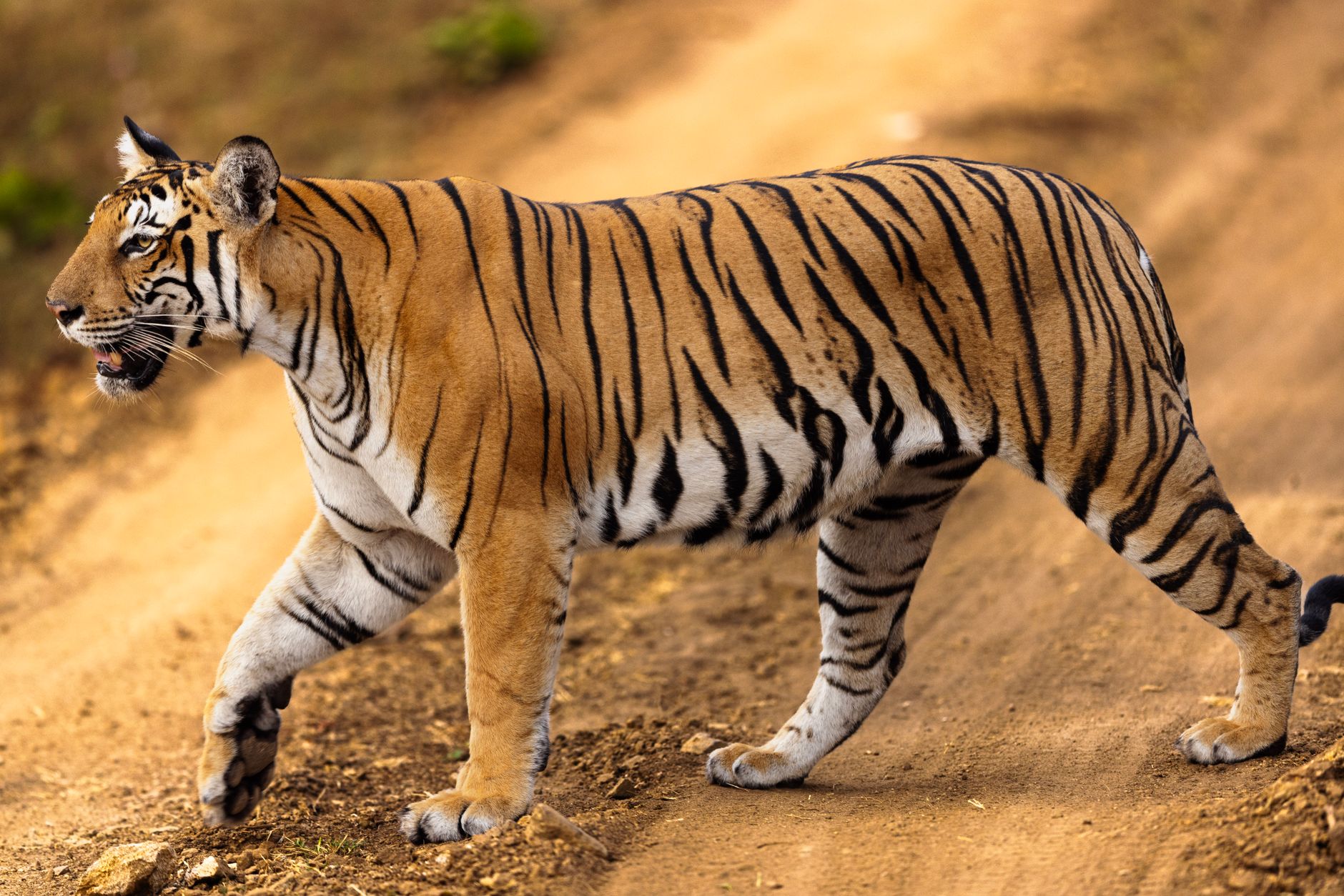
The tiger, Panthera tigris, stands as an apex predator and a symbol of power and grace. But what other creatures share its traits, adaptations, and evolutionary history? Exploring ” What is similar to tiger? ” involves delving into the world of big cats, examining shared characteristics, and understanding the nuances of feline evolution. This journey uncovers fascinating parallels and reveals the unique adaptations that define each species.
Is distilled water good for goldfish?
What colours are fish most attracted to?
Can you put your finger in a trout's mouth?
Is methylene blue anti bacterial?
The Panthera Genus: A Family Affair
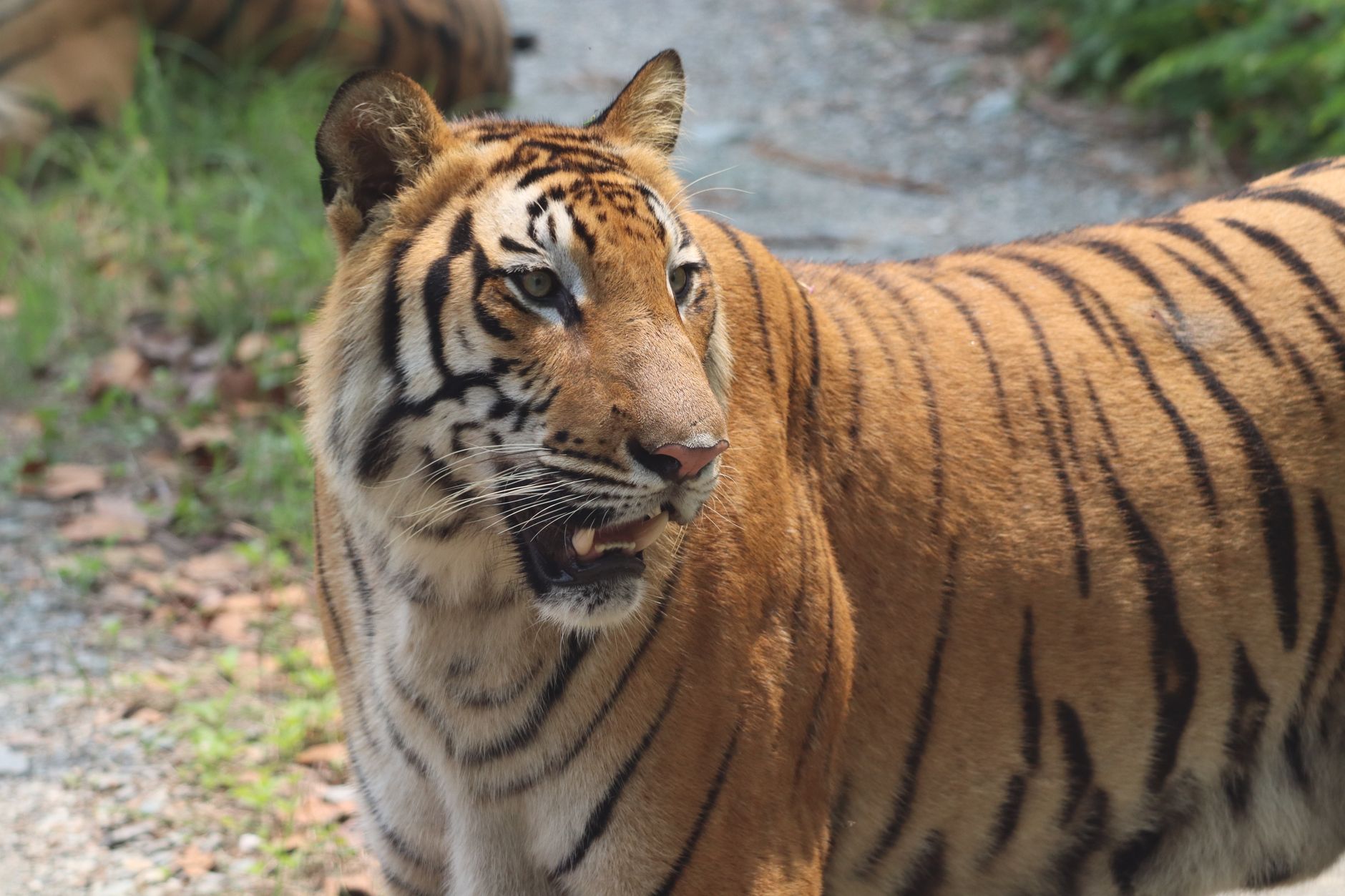
The closest relatives of the tiger belong to the same genus, Panthera. This includes the lion, leopard, jaguar, and snow leopard. Sharing a common ancestor, these animals exhibit many similar traits, making them prime examples when considering ” What is similar to tiger? “.
- Lions (Panthera leo): While primarily known for their social structure and lack of stripes (except in cubs), lions share a similar powerful build and predatory lifestyle with tigers.
- Leopards (Panthera pardus): With their spotted coat and solitary habits, leopards are smaller than tigers but possess comparable hunting skills and agility. Their camouflage also reflects a similar adaptation to stealth and ambush predation.
- Jaguars (Panthera onca): Native to the Americas, jaguars boast a powerful bite and a preference for dense habitats. Their robust build and opportunistic hunting style mirror those of the tiger.
- Snow Leopards (Panthera uncia): Adapted to high-altitude environments, snow leopards exhibit a thick coat and powerful build, similar to tigers. Their hunting techniques and elusive nature also echo those of their striped cousins.
Physical Similarities: Strength and Stealth
Beyond taxonomy, several physical characteristics link tigers to other large cats:
- Powerful Build: All Panthera species possess a muscular build designed for hunting and subduing prey.
- Sharp Claws and Teeth: Retractable claws and long canines are essential for gripping and killing prey.
- Agile Movement: The skeletal structure and musculature of large cats allow for incredible agility, speed, and leaping ability.
- Camouflage: While tigers possess stripes, other cats like leopards and jaguars sport spots, offering effective camouflage in their respective environments.
- Binocular vision: Crucial for effective hunting.
Behavioral Parallels: Predation and Solitude
Many behavioral traits further illustrate “What is similar to tiger?“:
- Apex Predators: Tigers and their relatives occupy the top of their food chains, regulating prey populations.
- Solitary Hunters: Except for lions, most Panthera species are solitary hunters, relying on stealth and ambush tactics.
- Territoriality: Large cats typically maintain territories, marking them with scent and vocalizations to exclude rivals.
- Nocturnal or Crepuscular Activity: Many large cats are most active during dawn and dusk, maximizing their hunting success.
Evolutionary Divergence: Adapting to Different Niches
Despite their similarities, Panthera species have evolved to occupy distinct ecological niches. Differences in coat patterns, social behavior, and hunting strategies reflect adaptations to specific environments and prey types. This divergence underscores the power of natural selection in shaping the diversity of the cat family.
Comparing Key Characteristics: A Table
| Feature | Tiger (Panthera tigris) | Lion (Panthera leo) | Leopard (Panthera pardus) | Jaguar (Panthera onca) | Snow Leopard (Panthera uncia) |
|---|---|---|---|---|---|
| Coat Pattern | Stripes | Tawny (no stripes) | Spots | Spots | Rosettes |
| Social Behavior | Solitary | Social (prides) | Solitary | Solitary | Solitary |
| Habitat | Forests, grasslands | Savannah, grasslands | Forests, grasslands, deserts | Rainforests, swamps | High-altitude mountains |
| Geographic Range | Asia | Africa, India | Africa, Asia | Americas | Central Asia |
| Size | Largest cat | Second largest cat | Smaller | Robust, stocky | Smaller, thick fur |
Conservation Status: Facing Similar Threats
Tragically, many Panthera species face similar threats, including habitat loss, poaching, and human-wildlife conflict. Conservation efforts are crucial to protecting these magnificent creatures and ensuring their survival for future generations.
Frequently Asked Questions (FAQs)
What is the closest living relative of the tiger?
The closest living relatives of the tiger are the other members of the Panthera genus: lions, leopards, jaguars, and snow leopards. These species share a common ancestor and exhibit similar physical and behavioral traits.
Do tigers and lions ever interbreed?
While rare, tigers and lions can interbreed in captivity, producing hybrids known as ligers (father is a lion) or tigons (father is a tiger). These hybrids are usually infertile and highlight the close genetic relationship between the two species.
Are domestic cats related to tigers?
Yes, domestic cats, Felis catus, are distantly related to tigers, sharing a common ancestor within the Felidae family. However, domestic cats belong to a different genus and have significantly diverged in size, behavior, and genetics.
What makes a tiger a “big cat”?
The term “big cat” typically refers to members of the Panthera genus, which includes tigers, lions, leopards, jaguars, and sometimes snow leopards. These cats are characterized by their large size, powerful build, and roaring ability (with the exception of snow leopards).
Why do tigers have stripes?
Tigers’ stripes provide excellent camouflage in dense vegetation, helping them to stalk prey undetected. Each tiger’s stripe pattern is unique, similar to human fingerprints.
What do tigers eat?
Tigers are carnivores and primarily prey on ungulates (hoofed mammals) such as deer, wild pigs, and gaur. They may also consume smaller animals, including birds, reptiles, and fish. Their diet varies depending on their habitat and available prey.
How do tigers hunt?
Tigers are ambush predators, relying on stealth and camouflage to approach their prey undetected. They typically stalk their prey before launching a surprise attack, using their powerful jaws and claws to subdue it.
How long do tigers live?
In the wild, tigers typically live for 8 to 10 years, while in captivity, they can live up to 20 years or more. Factors such as habitat quality, prey availability, and human interference influence their lifespan.
Are all tigers the same size?
No, there are different subspecies of tigers, each with varying sizes and characteristics. The Siberian tiger is the largest subspecies, while the Sumatran tiger is the smallest.
What are the main threats to tiger populations?
The main threats to tiger populations include habitat loss due to deforestation and human encroachment, poaching for their skin and bones, and conflict with humans over livestock and territory. These threats have led to a drastic decline in tiger numbers.
How many tigers are left in the wild?
It is estimated that there are approximately 3,900 tigers remaining in the wild. Conservation efforts are underway to increase tiger populations and protect their habitats.
What can I do to help protect tigers?
You can support tiger conservation by donating to reputable conservation organizations, raising awareness about the threats tigers face, and avoiding products made from tiger parts. Reducing your carbon footprint and supporting sustainable practices can also help protect tiger habitats.