

What’s the Healthiest Food for Cats?
The healthiest food for cats is a high-protein, moderate-fat, and low-carbohydrate diet that closely mimics their natural prey, primarily sourced from animal protein. Understanding your cat’s nutritional needs is crucial for ensuring their longevity and well-being.
The Carnivorous Nature of Cats
Cats are obligate carnivores, meaning their bodies are specifically designed to thrive on a diet primarily consisting of animal protein. Unlike omnivores, cats lack the necessary enzymes to efficiently digest and utilize plant-based proteins and carbohydrates. This fundamental biological fact dictates what constitutes the healthiest food for cats. They require certain nutrients, such as taurine and arachidonic acid, that are found exclusively in animal tissues. A diet lacking in these essential nutrients can lead to serious health problems, including blindness and heart disease.

What colours are fish most attracted to?
Can you put your finger in a trout's mouth?
Is methylene blue anti bacterial?
Does aquarium salt raise pH in aquarium?
Key Components of a Healthy Feline Diet

Knowing that cats are carnivores is the first step. Next, consider the crucial components of a healthy cat diet:
- High-Quality Animal Protein: This is the cornerstone of a cat’s diet. Look for named meat sources like chicken, turkey, fish, or lamb listed as the first ingredient on the food label. Avoid foods that list corn, wheat, or soy as the primary ingredients.
- Moderate Fat: Fat provides essential fatty acids, supports healthy skin and coat, and is a concentrated source of energy. Healthy fats include Omega-3 and Omega-6 fatty acids, often sourced from fish oil.
- Low Carbohydrates: Cats don’t require carbohydrates in their diet, and excessive amounts can contribute to weight gain and diabetes. Grain-free doesn’t always mean low-carb, so pay close attention to the overall carbohydrate content.
- Essential Vitamins and Minerals: A balanced diet should include essential vitamins and minerals to support overall health. These are often added to commercial cat foods to ensure nutritional completeness.
- Taurine: As mentioned previously, taurine is an essential amino acid for cats that they cannot produce themselves. It’s vital for heart health, vision, and reproductive function. Ensure your cat food includes an adequate amount.
- Water: Adequate hydration is crucial. Cats often don’t drink enough water on their own, so consider incorporating wet food into their diet.
Wet Food vs. Dry Food: Which is Better?
The debate between wet and dry food is ongoing, but both have their advantages and disadvantages. The healthiest food for cats often involves a combination of both.
- Wet Food: High moisture content promotes hydration, beneficial for kidney health. Generally lower in carbohydrates than dry food. Can be more palatable for picky eaters. Can be more expensive.
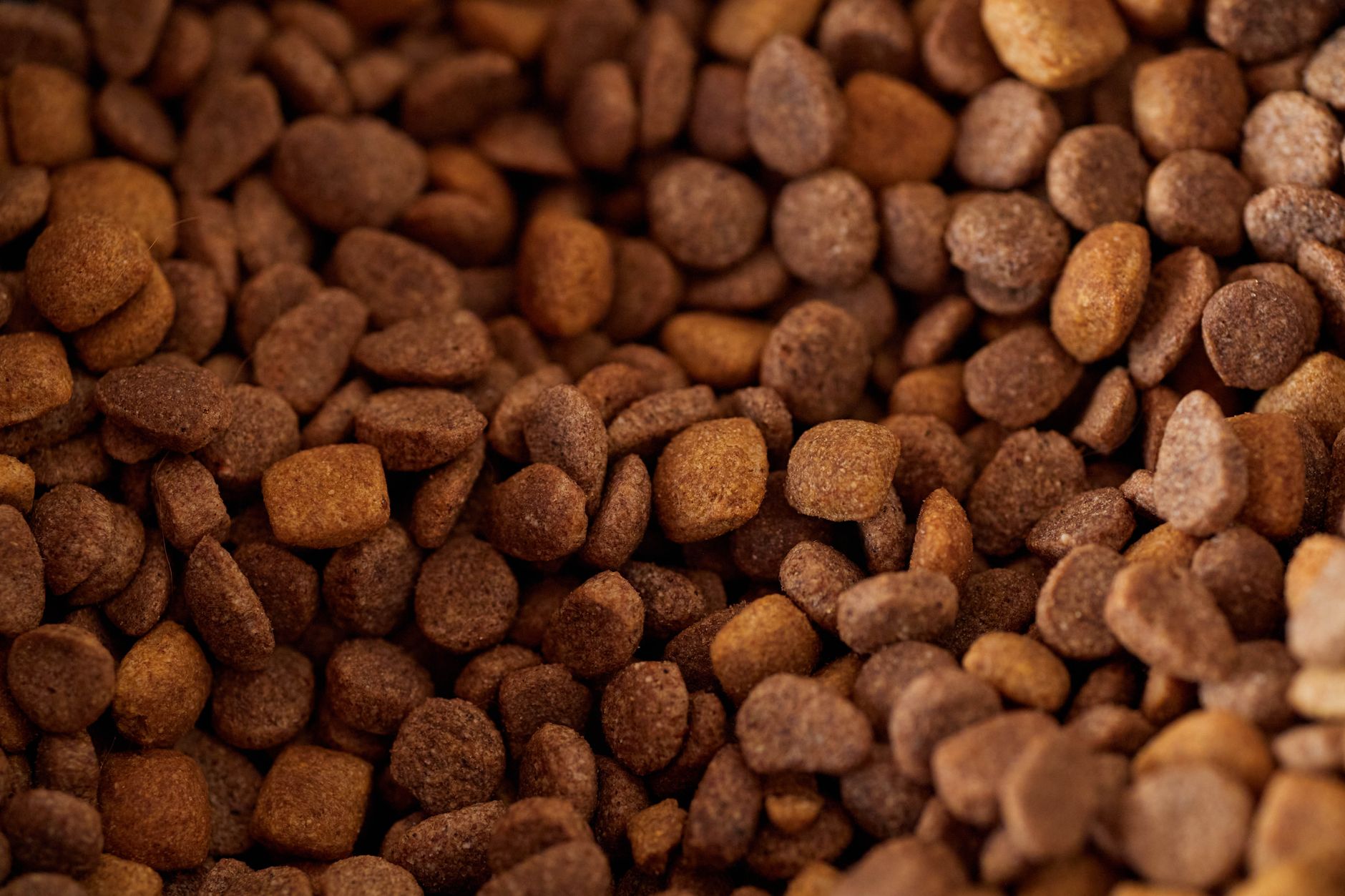
- Dry Food: Convenient and cost-effective. Can help maintain dental health due to its abrasive texture. Can be higher in carbohydrates and lower in protein than wet food. Requires careful monitoring of water intake.
A balanced approach, incorporating both wet and dry food, can provide the benefits of each while mitigating their drawbacks.
Raw Food Diets: A Closer Look
Raw food diets, also known as BARF (Biologically Appropriate Raw Food) diets, aim to mimic the natural diet of wild cats. These diets typically consist of raw meat, bones, and organs. While proponents argue that raw food diets offer superior nutrition, they also pose potential risks:
- Benefits: High in protein and moisture. Can improve digestion and energy levels in some cats.
- Risks: Potential for bacterial contamination (Salmonella, E. coli). Risk of nutritional imbalances if not properly formulated. Bone fragments can pose a choking hazard or cause internal injuries. Requires careful handling and preparation to minimize risks.
Consult with a veterinary nutritionist before switching to a raw food diet to ensure it’s properly balanced and safe for your cat.
Common Mistakes in Feeding Cats
Many cat owners inadvertently make mistakes that can negatively impact their cat’s health. Here are some common pitfalls to avoid:
- Overfeeding: Leading to obesity, which can cause a range of health problems, including diabetes, arthritis, and heart disease. Use a measuring cup to portion food and monitor your cat’s weight regularly.
- Free-Feeding: Leaving food out all day can encourage overeating. Offer measured meals at set times.
- Feeding Dog Food: Dog food lacks the specific nutrients that cats require, such as taurine. Never feed your cat dog food.
- Offering Too Many Treats: Treats should only make up a small portion of your cat’s daily calorie intake. Choose healthy treats that are low in calories and high in protein.
- Ignoring Dietary Needs Based on Life Stage: Kittens, adult cats, and senior cats have different nutritional needs. Choose a food that is specifically formulated for your cat’s life stage.
How to Transition Your Cat to a New Food
Switching your cat’s food abruptly can cause digestive upset. A gradual transition is crucial:
- Start by mixing a small amount of the new food with the old food.
- Gradually increase the proportion of the new food over 7-10 days.
- Monitor your cat’s stool for any signs of diarrhea or vomiting.
- If your cat experiences digestive upset, slow down the transition process.
Ingredients to Avoid
Certain ingredients in cat food can be harmful or provide little nutritional value. Avoid foods containing:
- Artificial Colors and Flavors: These offer no nutritional value and can cause allergic reactions in some cats.
- Fillers (Corn, Wheat, Soy): These are often used as inexpensive fillers and provide little nutritional value.
- Meat By-Products (Unspecified): “By-products” are often the leftover parts of animals that are not suitable for human consumption. Look for named meat sources instead.
- Excessive Carbohydrates: Can contribute to weight gain and diabetes.
Reading Cat Food Labels
Understanding how to read a cat food label is essential for making informed decisions about what to feed your cat. Pay attention to:
- Ingredient List: Ingredients are listed in descending order by weight. Look for named meat sources listed as the first ingredient.
- Guaranteed Analysis: This provides information about the protein, fat, fiber, and moisture content of the food.
- AAFCO Statement: This statement indicates whether the food is complete and balanced for your cat’s life stage.
Specialized Diets for Cats with Health Conditions
Some cats have specific health conditions that require specialized diets. Consult with your veterinarian to determine the best dietary approach for your cat’s individual needs. Examples include:
- Kidney Disease: Low-phosphorus and moderate-protein diets are often recommended.
- Diabetes: High-protein, low-carbohydrate diets can help regulate blood sugar levels.
- Food Allergies: Novel protein or hydrolyzed protein diets can help identify and manage food allergies.
- Inflammatory Bowel Disease (IBD): Easily digestible and hypoallergenic diets may be beneficial.
Making Homemade Cat Food: A Word of Caution
While making homemade cat food can seem appealing, it’s crucial to do so under the guidance of a veterinary nutritionist. It’s very easy to create nutritional imbalances that can harm your cat. Improperly balanced homemade diets can lead to serious health problems.
Frequently Asked Questions (FAQs)
What are the signs of a food allergy in cats?
Food allergies in cats can manifest in various ways, including skin problems such as itching, hair loss, and skin lesions. Digestive issues like vomiting and diarrhea can also be indicative of a food allergy. If you suspect your cat has a food allergy, consult with your veterinarian to determine the best course of action.
Is grain-free cat food always better?
Not necessarily. While grain-free cat food can be beneficial for cats with grain sensitivities or allergies, it’s important to remember that grain-free doesn’t automatically equate to healthy. Some grain-free foods may simply replace grains with other carbohydrates that are equally inappropriate for cats.
How often should I feed my cat?
Adult cats typically benefit from two meals per day. Kittens and senior cats may require more frequent feedings. Consult with your veterinarian to determine the best feeding schedule for your cat based on their age, health, and activity level.
Can I feed my cat human food?
Some human foods are safe for cats in small quantities, while others are toxic. Avoid feeding your cat foods such as chocolate, onions, garlic, grapes, and raisins. Consult with your veterinarian before offering your cat any human food.
How can I tell if my cat is overweight?
You should be able to easily feel your cat’s ribs without pressing too hard. If you can’t feel their ribs, or if they have a noticeable belly bulge, they are likely overweight. Your veterinarian can help you determine your cat’s ideal weight and recommend a weight management plan.
What is the role of fiber in cat food?
Fiber can help regulate digestion and prevent constipation in cats. However, cats don’t require large amounts of fiber in their diet. Look for foods with moderate fiber content.
Is it okay to give my cat milk?
Many adult cats are lactose intolerant and cannot properly digest milk. Feeding your cat milk can lead to digestive upset, such as diarrhea.
How important is water for cats?
Water is essential for all cats. It helps maintain hydration, supports kidney function, and aids in digestion. Ensure your cat always has access to fresh, clean water. Consider using a water fountain to encourage your cat to drink more.
What are the best treats for cats?
The best treats for cats are those that are low in calories and high in protein. Look for treats made from animal protein sources, such as freeze-dried meat or fish.
How do I know if my cat food is “high-quality?”
High-quality cat food typically contains named meat sources as the primary ingredients, is free of artificial colors and flavors, and has a balanced nutrient profile. Look for the AAFCO statement on the label to ensure the food is complete and balanced.
What should I do if my cat is a picky eater?
If your cat is a picky eater, try offering a variety of different foods to see what they prefer. Warming the food slightly can also enhance its aroma and make it more appealing. Consult with your veterinarian if your cat refuses to eat for more than 24 hours.
How does life stage affect a cat’s dietary needs?
Kittens require a high-calorie, high-protein diet to support their growth and development. Adult cats need a balanced diet to maintain their health. Senior cats may benefit from a diet that is lower in calories and higher in certain nutrients to support their aging bodies.