

Why Do Horses Hang Their Lips? Unraveling the Mystery
Why do horses hang their lips? The behavior, often referred to as “lip drooping” or “relaxed lip,” is typically a sign of comfort and relaxation, indicating the horse is in a state of low stress and contentment, though other factors can also contribute.

Introduction: More Than Just a Droopy Lip
Horses, magnificent and complex creatures, communicate through a variety of subtle signals. While neighing and stomping might be readily understood, the seemingly simple act of hanging their lips often goes unnoticed or misinterpreted. Why do horses hang their lips? Understanding this behavior provides valuable insights into a horse’s emotional state and overall well-being. This article delves into the various reasons behind this phenomenon, exploring the nuances of horse behavior and the importance of observant horsemanship.

What colours are fish most attracted to?
Can you put your finger in a trout's mouth?
Is methylene blue anti bacterial?
Does aquarium salt raise pH in aquarium?
Decoding the Droop: Relaxation and Rest
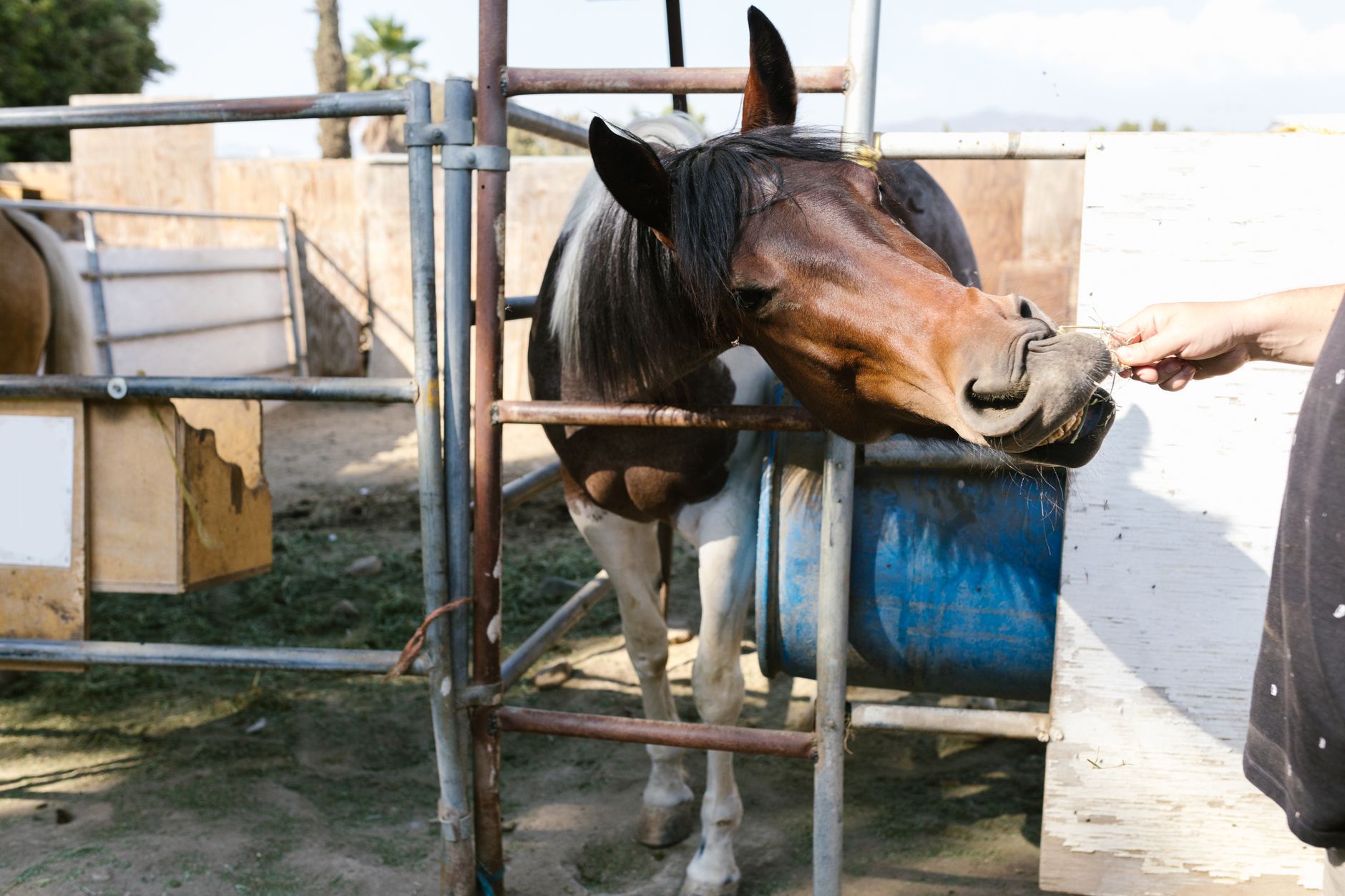
The most common and desirable reason why horses hang their lips is relaxation. When a horse is comfortable, secure, and feeling no pressure, its facial muscles loosen. This relaxation extends to the lips, causing them to droop. This is often observed when horses are:
- Grooming
- Resting in a familiar environment
- Enjoying the company of trusted companions
- Engaged in light, stress-free work
In these scenarios, the drooping lip is a positive indicator of the horse’s mental and emotional state.
The Role of the Parasympathetic Nervous System
The parasympathetic nervous system, often referred to as the “rest and digest” system, is responsible for calming the body and conserving energy. When this system is activated in horses, it results in:
- Reduced heart rate
- Slower breathing
- Relaxation of muscles, including facial muscles
- Increased salivation
The drooping lip is a visible manifestation of this parasympathetic activation, further confirming its association with relaxation and contentment.
Potential Medical Considerations
While often benign, there are instances where a drooping lip might indicate an underlying medical issue. Conditions that can cause facial nerve damage or paralysis can result in a similar appearance. These conditions may include:
- Trauma to the head or face
- Infections, such as equine herpesvirus (EHV-1)
- Tumors affecting the facial nerve
If the drooping lip is accompanied by other symptoms like difficulty eating, drinking, or swallowing, or if it appears suddenly and is asymmetrical (affecting only one side of the face), a veterinary examination is crucial to rule out any medical problems.
Differentiating Relaxation from Fatigue
It’s important to distinguish between a relaxed, drooping lip and a lip droop caused by exhaustion or fatigue. While both might look similar at first glance, the context is key. A horse that is genuinely relaxed will usually display other signs of contentment, such as:
- Soft eyes
- Lowered head
- A relaxed posture
A fatigued horse, on the other hand, might exhibit:
- Heavy breathing
- Sweating
- Reluctance to move
Observing the entire horse and considering the circumstances will help differentiate between a sign of relaxation and a sign of tiredness.
Training and the Drooping Lip
During training, a horse exhibiting a drooping lip can be a positive sign of learning and understanding. When a horse is able to execute a task with ease and confidence, it’s likely to relax its facial muscles. This indicates that the horse is comfortable with the exercise and is not experiencing undue stress. This can also be a sign that the horse has accepted the pressure you are applying to its mouth or other body parts while riding or training.
Environmental Influences
The environment plays a significant role in a horse’s emotional state, and subsequently, the likelihood of observing a drooping lip. Horses in stable, safe, and comfortable environments are more prone to displaying relaxed behaviors. Factors contributing to this include:
- Adequate turnout time
- Social interaction with other horses
- Access to food and water
- Protection from extreme weather conditions
Frequently Asked Questions (FAQs)
Is it always a good sign when my horse hangs its lip?
While a drooping lip is usually a sign of relaxation, it’s crucial to consider the context. As mentioned earlier, it could also indicate fatigue or, in rare cases, a medical problem. Always observe the horse’s overall demeanor and consult a veterinarian if you have any concerns.
Can a horse fake being relaxed?
While horses are intelligent animals, they don’t typically “fake” relaxation. However, they might mask stress in certain situations. This is why a holistic assessment of their behavior and environment is essential. Look for subtle signs of tension, such as muscle tremors or a fixed gaze.
My horse only hangs its lip when I’m grooming it. Is this normal?
Yes, this is perfectly normal! Grooming is often a relaxing experience for horses, and the drooping lip indicates that your horse is enjoying the attention and finding the process soothing.
Does the breed of horse affect how often they hang their lips?
There is no definitive evidence to suggest that breed plays a significant role in the frequency of lip drooping. However, individual personality and temperament are more likely to influence the behavior.
What should I do if my horse suddenly starts hanging its lip more often than usual?
If you notice a sudden or significant change in your horse’s behavior, including increased lip drooping, it’s best to consult with a veterinarian to rule out any underlying medical issues.
Is lip drooping a sign of boredom in horses?
While boredom can sometimes manifest as repetitive behaviors, lip drooping is less commonly associated with boredom and more often linked to relaxation or, in some cases, fatigue.
Can dental problems cause a horse to hang its lip?
Dental problems can potentially contribute to changes in facial expressions and behavior, but a direct link to lip drooping is less common than other signs like quidding (dropping food) or difficulty chewing.
How can I encourage my horse to relax and hang its lip more often?
Creating a calm and comfortable environment, providing regular turnout, engaging in stress-free activities, and establishing a trusting relationship with your horse are all ways to encourage relaxation and potentially observe the desired lip drooping.
My horse hangs its lip when I give it a treat. Why?
The drooping lip in this scenario is likely a combination of relaxation and anticipation. The horse is relaxed because it knows it’s about to receive something enjoyable, and the anticipation further contributes to the release of tension.
Is there a connection between lip drooping and yawning in horses?
Yes, there can be a connection. Yawning is also a sign of relaxation and stress release in horses. You might observe lip drooping before, during, or after a yawn.
What are the other common signs of relaxation in horses?
Besides lip drooping, other common signs of relaxation in horses include:
- Soft eyes
- Lowered head
- A relaxed stance
- Audible sighs
- Slow, deep breaths
Why do horses hang their lips?
In summary, why do horses hang their lips? While primarily a sign of relaxation and contentment, understanding the context and observing other behaviors is key to accurately interpreting this subtle but important communication signal. By paying attention to these nuances, we can gain a deeper understanding of our equine companions and provide them with the care and support they need to thrive.