

What Purpose Do Sunfish Serve?
The giant ocean sunfish, or Mola mola, plays a critical role in oceanic ecosystems as a predator of gelatinous organisms and a potential link in the food web, influencing populations of both its prey and predators. Its presence helps maintain the balance in the marine environment. What purpose do sunfish serve?

Introduction: The Enigmatic Sunfish
The ocean sunfish, Mola mola, is an extraordinary creature. With its unusual flattened body and massive size, it often appears more like a swimming head than a typical fish. These behemoths are found in tropical and temperate waters worldwide, captivating researchers and casual observers alike. But beyond their bizarre appearance, the question remains: What purpose do sunfish serve? Understanding their role in the ocean ecosystem is vital for appreciating the intricate web of life beneath the waves.

What colours are fish most attracted to?
Can you put your finger in a trout's mouth?
Is methylene blue anti bacterial?
Does aquarium salt raise pH in aquarium?
The Sunfish’s Diet: A Gelatinous Feast
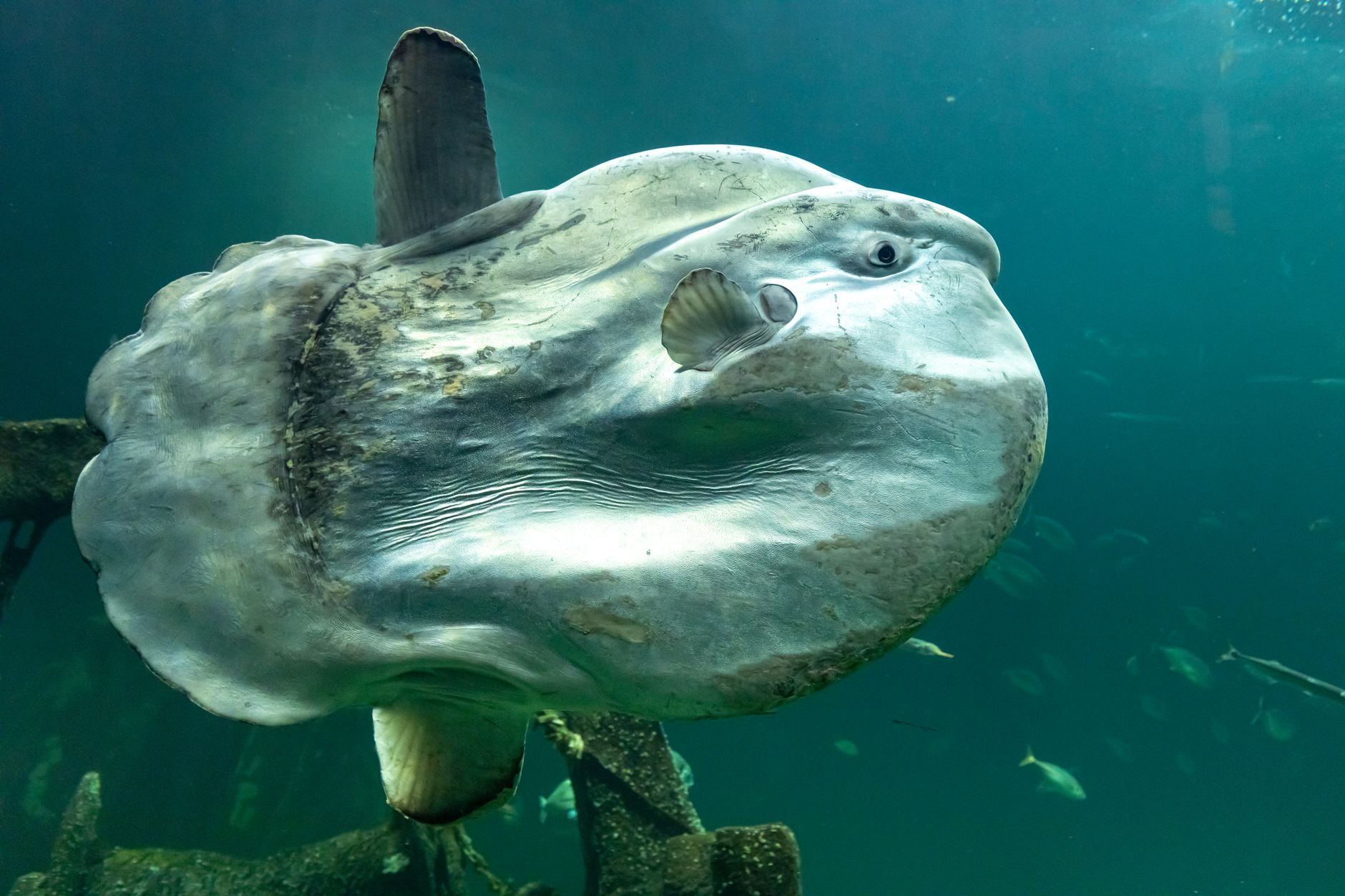
Sunfish primarily consume gelatinous zooplankton, including jellyfish, siphonophores, and salps. This diet is relatively low in energy, which explains why sunfish spend so much time basking at the surface, seemingly “sunning” themselves to conserve energy. While they are considered predators of these gelatinous creatures, the sunfish’s impact on these populations is still being studied.
- Jellyfish
- Siphonophores
- Salps
- Comb Jellies
- Small Crustaceans
Sunfish as Prey: A Target for Larger Predators
Despite their large size, sunfish are not apex predators. They are preyed upon by a variety of larger marine animals, including:
- Sharks (particularly tiger sharks and great white sharks)
- Killer whales (orcas)
- Sea lions
This predation pressure is crucial for maintaining a healthy ecosystem. By serving as a food source for these predators, sunfish contribute to the energy flow through the marine food web.
The Role in Nutrient Cycling
While direct evidence is still emerging, scientists believe that sunfish contribute to nutrient cycling in the ocean. When they are consumed by predators, the nutrients stored in their bodies become available to the larger ecosystem. Additionally, the decomposition of sunfish carcasses on the ocean floor provides a valuable source of nutrients for deep-sea organisms.
Population Dynamics and Distribution
The population size of sunfish is difficult to estimate due to their vast oceanic distribution and the challenges of tracking them. However, scientists are using tagging and genetic studies to learn more about their movements, breeding habits, and population structure. Understanding their population dynamics is crucial for assessing their role in the ecosystem and identifying any potential conservation threats. What purpose do sunfish serve? in maintaining these population balances.
Conservation Concerns
Sunfish face several threats, including:
- Bycatch in Fisheries: They are often accidentally caught in fishing nets, which can lead to injury or death.
- Plastic Pollution: They may ingest plastic debris, mistaking it for food, which can cause digestive problems and starvation.
- Climate Change: Changes in ocean temperature and currents may affect their distribution and prey availability.
Table comparing different aspects of Sunfish’s Role:
| Aspect | Details | Impact on Ecosystem |
|---|---|---|
| Diet | Primarily gelatinous zooplankton (jellyfish, salps) | Controls populations of gelatinous organisms; impacts the balance of plankton communities. |
| Predators | Sharks, killer whales, sea lions | Provides a food source for larger predators; contributes to energy flow through the food web. |
| Nutrient Cycling | Nutrients released upon death or predation | Contributes to nutrient availability in the ocean; supports deep-sea ecosystems. |
| Conservation Status | Listed as Vulnerable by the IUCN | By understanding what purpose do sunfish serve, we ensure their survival for future generations, with proper conservation efforts. |
Frequently Asked Questions (FAQs)
Are sunfish poisonous to eat?
No, sunfish are not poisonous to humans. In some parts of the world, particularly Asia, they are even considered a delicacy. However, consumption is not widespread, and proper preparation is essential to avoid any potential health risks.
How long do sunfish live?
The lifespan of sunfish is still being studied, but it is estimated that they can live for up to 100 years in the wild. This long lifespan suggests that they play a significant role in the marine ecosystem over extended periods.
How big do sunfish get?
Sunfish are the largest bony fish in the world. They can reach up to 10 feet in length and weigh over 2,200 pounds. Their immense size makes them a significant presence in the ocean environment.
What is the purpose of sunfish basking at the surface?
Sunfish bask at the surface for several reasons, including thermoregulation, parasite removal (birds and other fish may pick off parasites), and energy conservation. This behavior is a common sight and gives them their name.
Do sunfish migrate?
Yes, sunfish are known to migrate long distances, likely following their prey. Tagging studies have revealed that they can travel thousands of miles across the ocean basins.
What do sunfish eat besides jellyfish?
While jellyfish are their primary food source, sunfish also consume other gelatinous organisms, such as salps, siphonophores, and comb jellies. They may also eat small crustaceans and algae on occasion.
How do sunfish reproduce?
Sunfish have a unique reproductive strategy. Females can lay up to 300 million eggs at a time, which is more than any other known vertebrate. However, the survival rate of these eggs is extremely low.
Are sunfish dangerous to humans?
No, sunfish are not dangerous to humans. They are generally docile and pose no threat to swimmers or divers. However, their large size can be intimidating.
What is the conservation status of sunfish?
The IUCN (International Union for Conservation of Nature) lists sunfish as Vulnerable. This means that they face a high risk of extinction in the wild if conservation efforts are not increased.
How can I help protect sunfish?
You can help protect sunfish by supporting sustainable seafood choices, reducing your plastic consumption, and advocating for stronger marine conservation policies. Every action, no matter how small, can make a difference.
Where are sunfish most commonly found?
Sunfish are found in tropical and temperate waters around the world. They are most commonly sighted in areas with abundant jellyfish populations.
How do sunfish help other marine species?
Sunfish contribute to the health of the marine ecosystem in several ways. For instance, their diet choices might impact the populations of smaller organisms, affecting other marine life. Also, it’s argued that their presence creates opportunities for smaller fish to feed on parasites that might attach to their skin. This helps maintain balance within the broader ecosystem.