

What Do Deer Antlers Look Like In May? An Up-Close Look
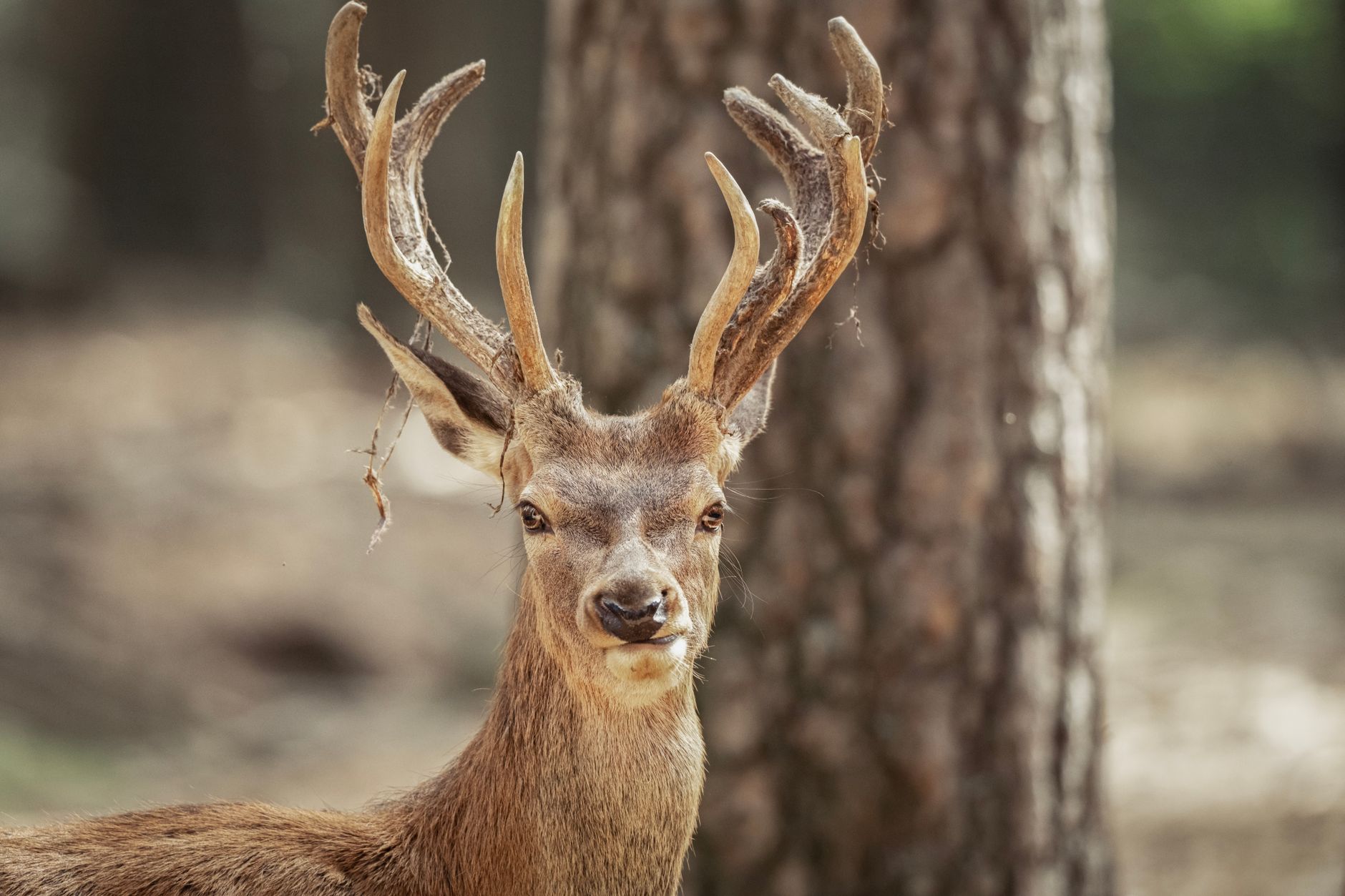
In May, deer antlers are typically in their velvet stage – appearing soft, bulbous, and covered in a fine, fuzzy layer of blood vessels and skin. They are actively growing and developing, making what deer antlers look like in May a unique and fascinating sight.

Understanding Antler Development: A Biological Marvel
Deer antlers are remarkable structures, unlike horns found in other animals. They are bony outgrowths that are shed and regrown annually, making the antler cycle a compelling biological phenomenon. Understanding this cycle is crucial to appreciating what deer antlers look like in May.
- The Antler Cycle: Antler growth is regulated by hormones, primarily testosterone. As testosterone levels rise in the spring, bucks begin to grow new antlers. This process continues until late summer or early fall, when testosterone levels peak.
- Velvet Stage: The growing antler is covered in a soft, vascularized tissue called velvet. This velvet provides nutrients and oxygen necessary for rapid bone growth.
- Hardening: As testosterone levels rise in the fall, the velvet dies and dries, and the antler hardens into solid bone. The buck then rubs the velvet off against trees and shrubs.
- Shedding: After the breeding season, testosterone levels decline, causing the connection between the antler and the skull to weaken. The antlers eventually shed, and the cycle begins again.
What colours are fish most attracted to?
Can you put your finger in a trout's mouth?
Is methylene blue anti bacterial?
Does aquarium salt raise pH in aquarium?
What Do Deer Antlers Look Like in May?: A Detailed Description

In May, deer antlers are far from the hardened, polished racks we associate with mature bucks in the fall. Instead, they resemble soft, bulbous protrusions covered in a velvety layer. What do deer antlers look like in May? Think of them as a sculptor’s work in progress – raw, unfinished, and still taking shape.
- Appearance: Antlers are covered in velvet, which gives them a soft, fuzzy appearance. They are typically pinkish or light brown in color due to the underlying blood vessels.
- Texture: The velvet feels soft and warm to the touch, but it is also sensitive. Bucks are careful not to damage their growing antlers.
- Shape: The antler shape is still developing in May. The main beams and tines are visible, but they are rounded and less defined than they will be later in the year.
- Size: The size of the antlers depends on the age, genetics, and nutrition of the deer. Younger deer typically have smaller antlers, while older, well-fed deer can have impressive racks.
Factors Influencing Antler Growth
Several factors can influence antler growth. Understanding these helps understand variations of what deer antlers look like in May.
- Age: As deer mature, their antlers generally become larger and more complex. The peak antler size is usually reached around 5 to 7 years of age.
- Genetics: Genetics play a significant role in antler size and shape. Deer inherit their antler characteristics from their parents.
- Nutrition: A deer’s diet significantly affects antler growth. Deer need a diet rich in protein, minerals, and vitamins to produce large, healthy antlers. Calcium and phosphorus are especially important.
- Health: Overall health impacts antler growth. Sick or injured deer may have stunted or deformed antlers.
Common Misconceptions about Deer Antlers
- Antler Size Equals Age: While antler size generally increases with age, it is not a reliable indicator of a deer’s age. Nutrition and genetics also play a significant role.
- Damaged Antlers Don’t Regrow: Deer can regrow damaged antlers, although they may be deformed or smaller than usual.
- Shed Antlers are Worth a Fortune: While shed antlers can be sold, their value depends on their size, condition, and rarity.
Recognizing Healthy Antler Development
Healthy antler development is a sign of a healthy deer population. Knowing what deer antlers look like in May when they are healthy is vital to recognizing a problem.
- Symmetrical Growth: Antlers should grow symmetrically, with similar size and shape on both sides.
- Smooth Velvet: The velvet should be smooth and free of lumps or bumps.
- Rapid Growth: Antlers should grow rapidly during the spring and summer months.
- Good Body Condition: Deer with healthy antlers are typically in good overall body condition.
Frequently Asked Questions (FAQs)
What causes deer to shed their antlers?
The shedding of antlers is triggered by a decrease in testosterone levels following the breeding season. This hormonal shift weakens the connection between the antler and the skull, causing the antler to detach and fall off.
How long does it take for deer antlers to fully regrow?
The regrowth of deer antlers typically takes 3 to 5 months. The exact timeframe depends on the deer’s age, genetics, nutrition, and overall health.
Do female deer ever grow antlers?
While rare, female deer can sometimes grow antlers. This is usually due to hormonal abnormalities or genetic factors. These antlers are typically smaller and less developed than those of male deer.
Can you tell a deer’s age by looking at its antlers?
While antler size generally increases with age, it is not a definitive indicator of a deer’s age. Nutrition, genetics, and overall health also play a significant role. Examining tooth wear is a more reliable method for determining a deer’s age.
What happens if a deer injures its antlers while they are growing?
An injury to a growing antler can result in deformities or stunted growth. The damage may affect the antler’s shape, size, or symmetry.
What is the purpose of deer velvet?
Deer velvet is a highly vascularized tissue that supplies blood and nutrients to the growing antler. It is essential for rapid bone growth and development.
Is it safe to touch a deer’s antlers when they are in velvet?
It is generally not recommended to touch a deer’s antlers when they are in velvet. The velvet is sensitive, and touching it can cause discomfort or injury to the deer.
What are some signs of poor antler development?
Signs of poor antler development include asymmetrical growth, lumps or bumps on the velvet, slow growth rate, and poor overall body condition. These issues can indicate underlying health problems or nutritional deficiencies.
Do deer eat their shed antlers?
Yes, deer often eat their shed antlers. This is a way for them to reclaim the calcium and phosphorus that were used to grow the antlers.
What role does habitat play in antler development?
A healthy habitat provides deer with the nutrients and resources they need to grow large, healthy antlers. Areas with abundant food sources and good cover are ideal for antler development.
What is the best time of year to find shed antlers?
The best time to find shed antlers is typically in late winter or early spring, after the breeding season has ended and testosterone levels have declined.
How can I help deer grow bigger antlers?
You can help deer grow bigger antlers by providing them with a healthy habitat that includes abundant food sources and essential minerals. Implementing responsible hunting practices can also help maintain a healthy deer population with good genetics.