

What Repels Rats and Squirrels?
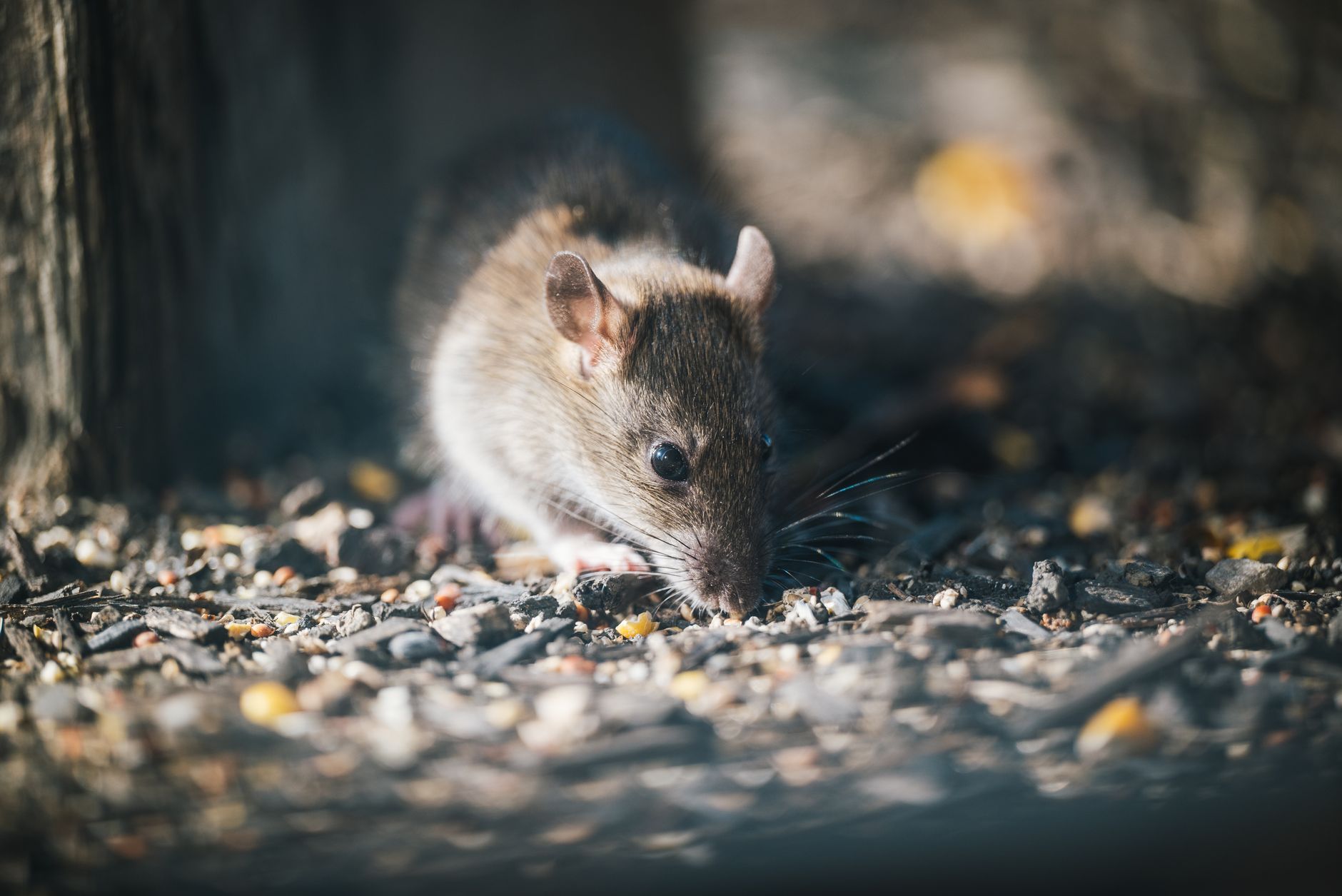
Understanding how to deter these common pests is crucial for protecting your property and well-being. Several natural and manufactured solutions can effectively repel rats and squirrels, preventing them from becoming unwelcome guests in your home and garden.

Introduction: Understanding the Threat and Finding Solutions
Rats and squirrels, while seemingly harmless, can cause significant damage to property, contaminate food sources, and even spread diseases. Therefore, understanding what repels rats and squirrels is essential for homeowners, gardeners, and anyone seeking to maintain a pest-free environment. This article delves into the various effective methods for deterring these persistent rodents, offering practical solutions and expert advice.
What colours are fish most attracted to?
Can you put your finger in a trout's mouth?
Is methylene blue anti bacterial?
Does aquarium salt raise pH in aquarium?
Natural Repellents: Harnessing the Power of Nature
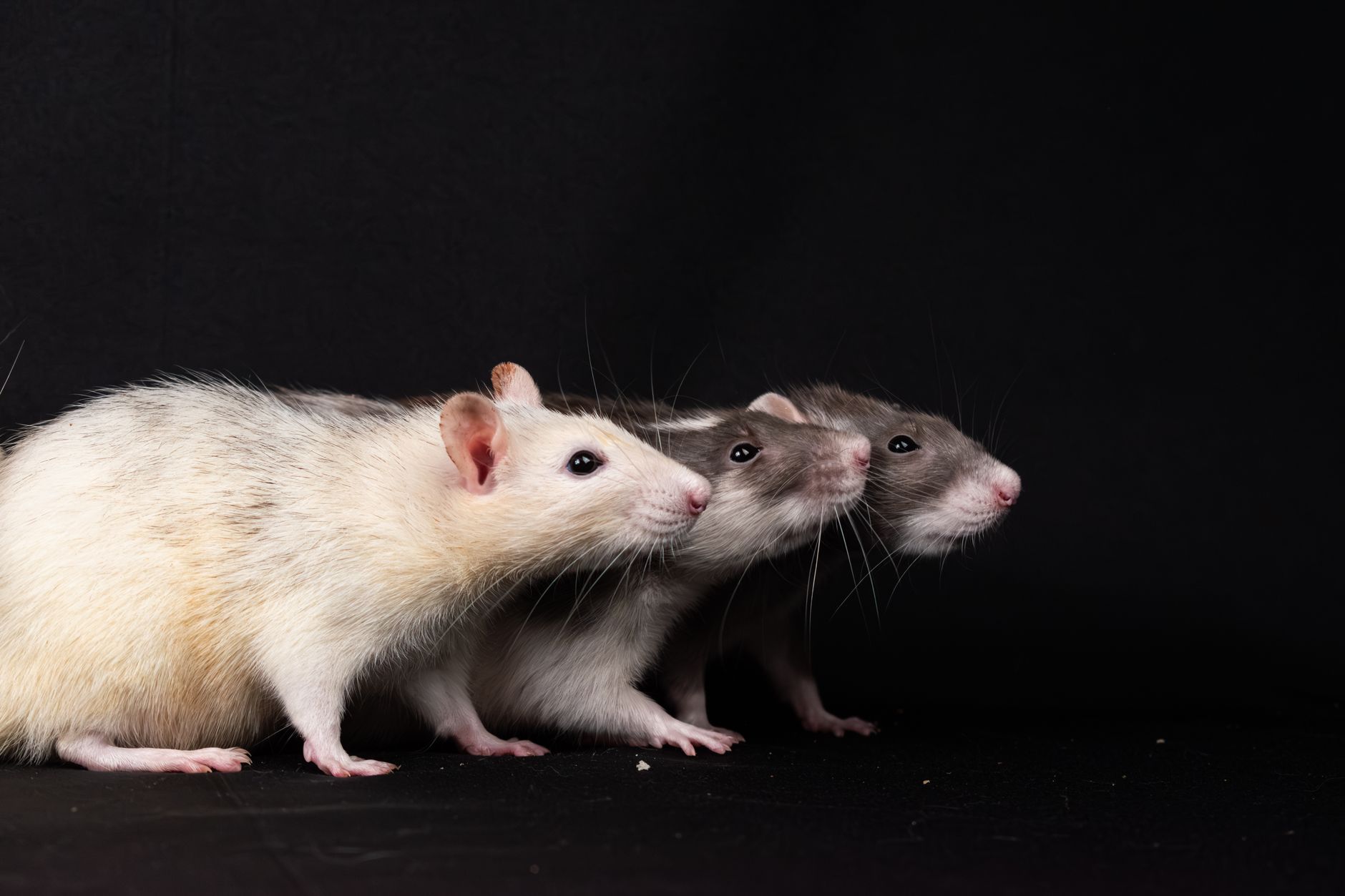
Nature provides a wealth of substances that rats and squirrels instinctively avoid. Utilizing these natural repellents is a safe and eco-friendly approach to pest control.
- Peppermint Oil: The strong scent of peppermint oil is highly offensive to rodents. Saturate cotton balls with peppermint oil and place them in areas where rats and squirrels are likely to congregate, such as attics, basements, and entry points.
- Cayenne Pepper: Sprinkle cayenne pepper around gardens and areas where you’ve seen squirrels or rats. Be cautious when using this method, especially if you have pets or children, as it can be irritating.
- Garlic: Garlic’s pungent odor is another effective natural repellent. Place crushed garlic cloves or garlic powder in areas prone to rodent activity.
- Predator Urine: The scent of predator urine, such as fox or coyote urine, signals danger to rats and squirrels. You can purchase predator urine granules or sprays at garden centers and apply them around your property.
Manufactured Repellents: A Science-Based Approach
While natural repellents can be effective, manufactured repellents offer a more concentrated and often longer-lasting solution.
- Electronic Repellents: These devices emit high-frequency sounds that are unpleasant to rodents, effectively driving them away. The effectiveness can vary depending on the specific device and the environment.
- Chemical Repellents: These repellents typically contain ingredients like methyl nonyl ketone or capsaicin, which irritate rodents and deter them from entering treated areas. Always follow the manufacturer’s instructions carefully when using chemical repellents.
- Spray Repellents: These repellents are designed to be sprayed directly onto surfaces where rats and squirrels are causing problems. Look for repellents specifically formulated for rodents and that are safe for use around plants and pets.
Exclusion Techniques: Preventing Entry
Perhaps the most effective long-term solution is to physically prevent rats and squirrels from entering your property in the first place.
- Seal Entry Points: Inspect your home for any cracks, holes, or gaps that rodents could use to gain access. Seal these openings with caulk, steel wool, or metal sheeting.
- Install Hardware Cloth: Hardware cloth, a type of wire mesh, can be used to cover vents, chimneys, and other openings. Ensure the mesh is securely fastened to prevent rodents from chewing through it.
- Trim Overhanging Branches: Squirrels often use tree branches to access roofs and attics. Trim any branches that are close to your house.
- Secure Garbage Cans: Rats and squirrels are attracted to food waste. Use garbage cans with tight-fitting lids to prevent them from accessing your trash.
Habitat Modification: Making Your Property Unattractive
By modifying your property to make it less appealing to rodents, you can significantly reduce their presence.
- Remove Food Sources: Eliminate any sources of food, such as bird feeders, pet food left outdoors, and fallen fruit from trees.
- Eliminate Water Sources: Fix any leaky pipes or faucets to eliminate sources of water that rodents can use.
- Maintain Your Yard: Keep your lawn mowed, and remove any piles of wood or debris that could provide shelter for rats and squirrels.
- Elevate Woodpiles: If you have a woodpile, elevate it off the ground to prevent rodents from nesting underneath.
Comparing Repellent Methods
| Method | Effectiveness | Safety | Cost | Longevity |
|---|---|---|---|---|
| Peppermint Oil | Moderate | Safe | Low | Short |
| Cayenne Pepper | Moderate | Low (Irritant) | Low | Short |
| Electronic Devices | Variable | Safe | Moderate | Moderate |
| Chemical Repellents | High | Low (Caution) | Moderate | Moderate |
| Exclusion | High | Safe | Moderate | Long |
| Habitat Modification | High | Safe | Low | Long |
FAQ: What Repels Rats and Squirrels?
What are the first signs of a rat or squirrel infestation?
The telltale signs of a rodent infestation often include droppings, gnaw marks, scratching noises, and the presence of nests or burrows. You might also notice damaged food packaging or unusual odors.
How effective are ultrasonic pest repellents for rats and squirrels?
The effectiveness of ultrasonic pest repellents is debated. Some studies suggest they can deter rodents initially, but they may become accustomed to the sound over time. Their performance is variable and not guaranteed.
Can mothballs repel rats and squirrels?
While mothballs contain naphthalene, which has a strong odor, their effectiveness as a rodent repellent is limited, and their use is generally discouraged due to their toxicity. They pose a health risk to humans and pets.
What plants do rats and squirrels avoid?
Certain plants, such as mint, daffodils, and marigolds, are known to deter rodents due to their strong scents or toxic properties. Planting these around your property can help repel rats and squirrels.
Is it safe to use poison to control rat and squirrel populations?
While poison can be effective, it poses significant risks to non-target animals, including pets and wildlife. It should only be used as a last resort and with extreme caution, following all safety guidelines. Many municipalities have restrictions on using poisons.
How often should I reapply natural repellents like peppermint oil or cayenne pepper?
Natural repellents typically need to be reapplied regularly, especially after rain or periods of high humidity. Check the effectiveness of the repellent and reapply every few days or weeks, depending on the product.
What is the best way to seal entry points to prevent rodents from entering my home?
Use caulk, steel wool, or metal sheeting to seal any cracks, holes, or gaps in your foundation, walls, and roof. Ensure the materials are durable and can withstand chewing. Also, inspect areas where pipes or wires enter the house.
How can I prevent squirrels from nesting in my attic?
Trim overhanging branches, seal any entry points, and consider installing a chimney cap. Regularly inspect your attic for signs of nesting and remove any nests promptly.
What is the role of sanitation in rodent control?
Good sanitation is crucial for preventing rodent infestations. Keep your property clean and free of food waste, garbage, and debris. Store food in airtight containers and clean up spills immediately.
Are there any professional pest control services that specialize in rodent control?
Yes, many pest control companies specialize in rodent control. They can provide comprehensive solutions, including inspection, trapping, exclusion, and repellent application.
What are the ethical considerations when dealing with rats and squirrels?
Consider humane methods of control, such as trapping and relocation, before resorting to lethal measures. Avoid causing unnecessary suffering to the animals and follow all applicable laws and regulations.
Besides repellents, what are some other methods of controlling rat and squirrel populations?
Trapping is a common method of controlling rodent populations. Live traps allow you to capture and relocate the animals, while snap traps kill them instantly. Ensure you are aware of and comply with local regulations regarding trapping and relocation. In addition to trapping, another thing that helps is to understand the environment. By knowing what repels rats and squirrels, you can remove incentives for them to be in your home.
By implementing these strategies, you can effectively deter rats and squirrels, protecting your property and creating a healthier living environment. Remember that a combination of methods is often the most effective approach.