
Decoding the Raccoon Life Span: What to Expect
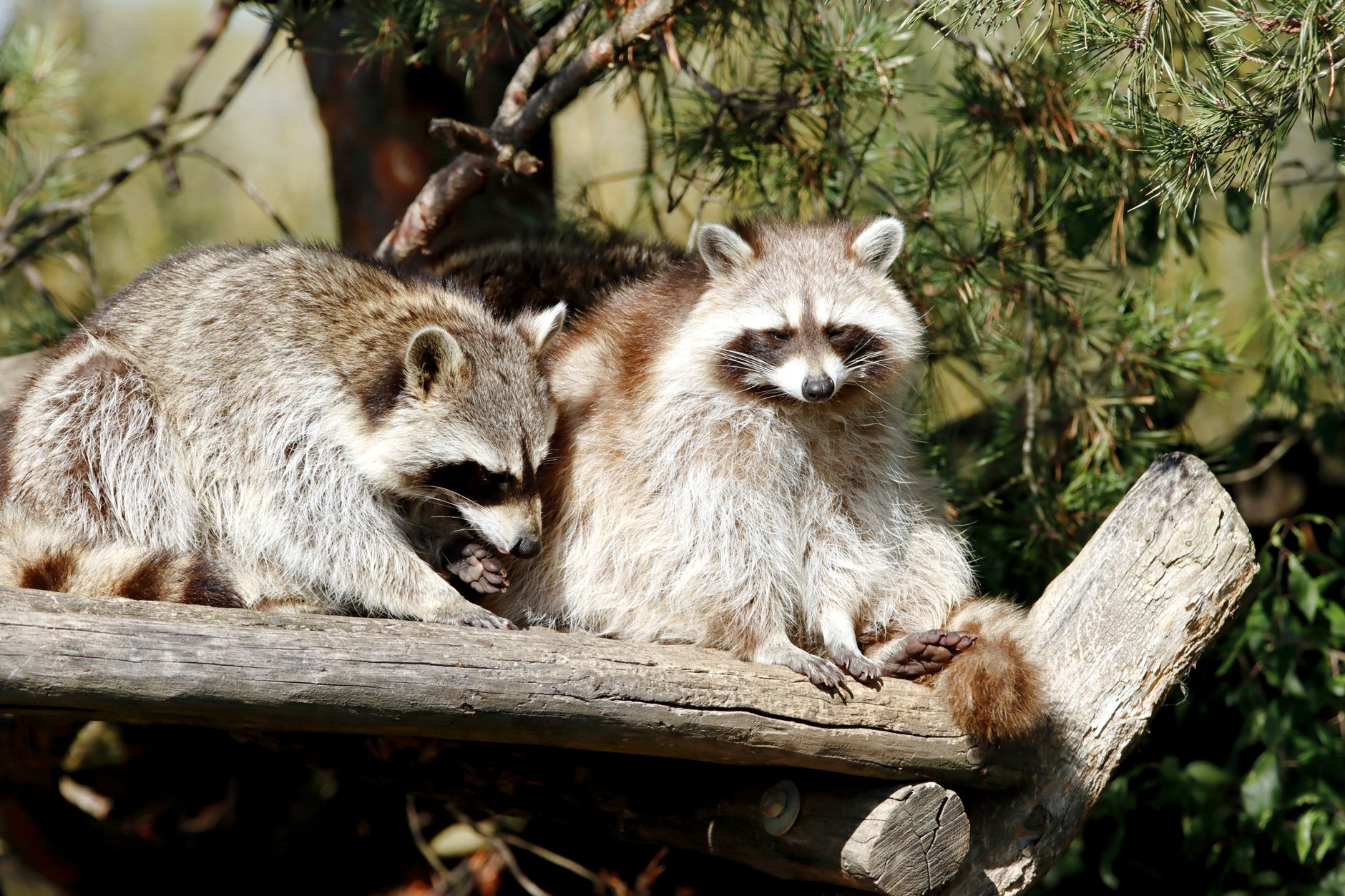
The typical life expectancy of a raccoon in the wild is shockingly short, often ranging from 1 to 3 years, whereas a fortunate raccoon in captivity can live significantly longer, potentially reaching 10 to 15 years.
Understanding Raccoon Life Expectancy
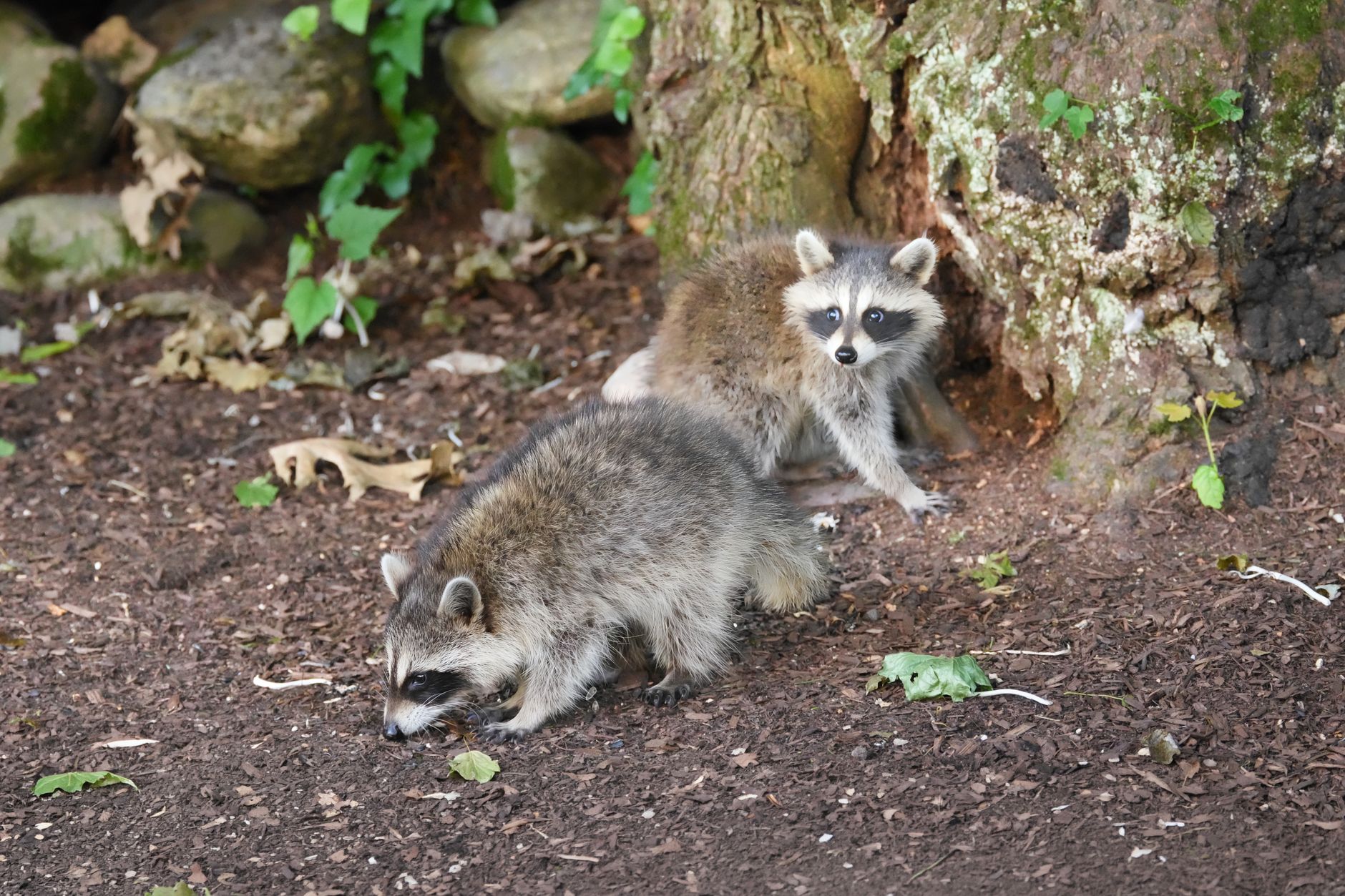
Understanding what is the life expectancy of a raccoon? involves considering factors that dramatically differ between wild and captive environments. In the wild, survival hinges on navigating numerous threats, including predators, habitat loss, food scarcity, disease, and human interactions. Captive raccoons, on the other hand, benefit from a controlled environment, regular feeding, veterinary care, and protection from predators. This drastic contrast explains the significant gap in their life spans.

What colours are fish most attracted to?
Can you put your finger in a trout's mouth?
Is methylene blue anti bacterial?
Does aquarium salt raise pH in aquarium?
The Harsh Realities of Wild Raccoon Life
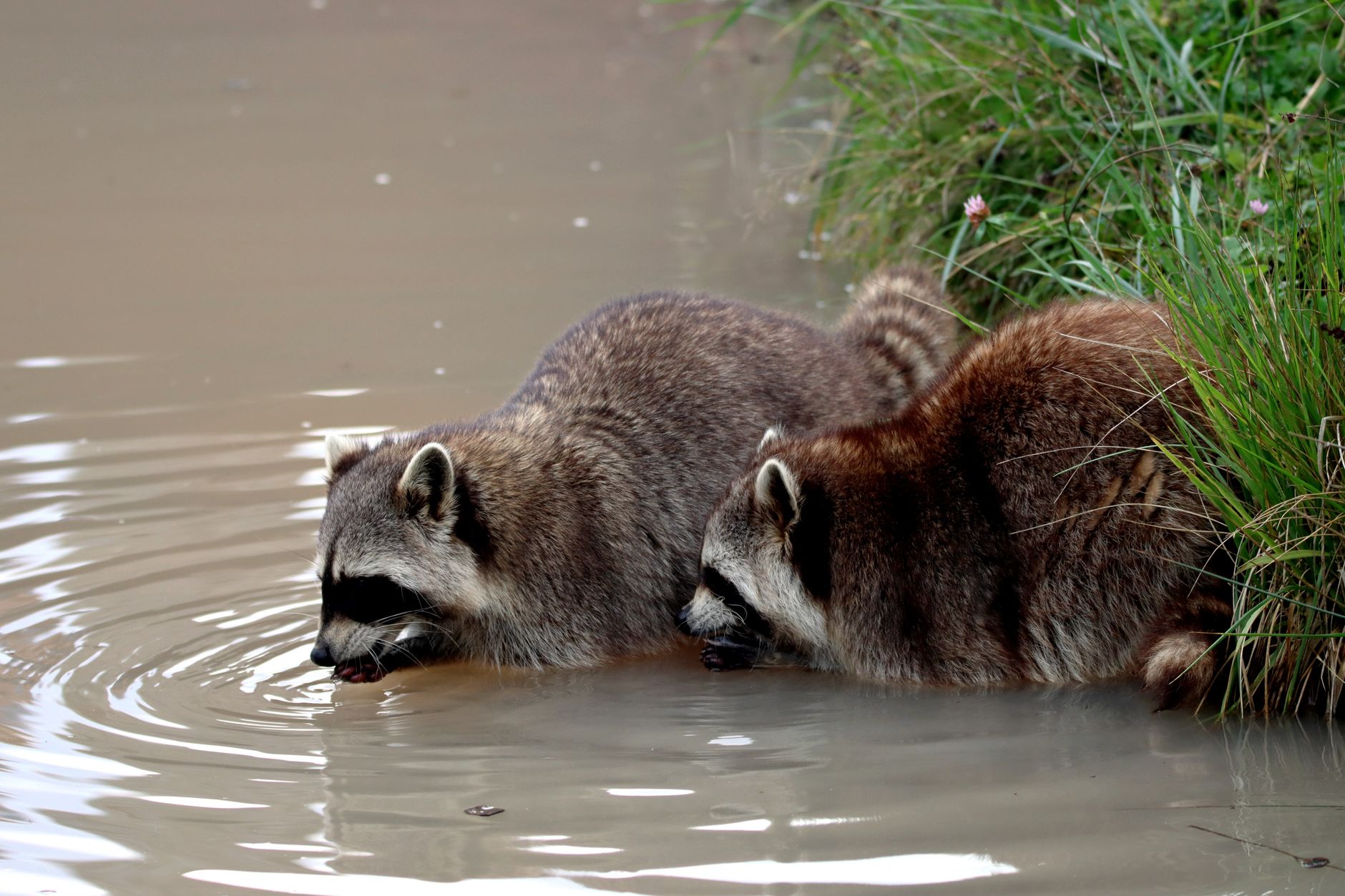
The wild is a constant struggle for survival for raccoons. From the moment they leave their mothers’ care, young raccoons face relentless challenges:
- Predation: Raccoons are preyed upon by larger animals, including coyotes, foxes, owls, bobcats, and even dogs.
- Habitat Loss: Urbanization and deforestation reduce available habitat, forcing raccoons into closer proximity with humans and other dangers.
- Food Scarcity: Seasonal changes and competition for resources can make finding enough food a constant battle.
- Disease: Raccoons are susceptible to various diseases, including rabies, distemper, and parasites, which can be fatal.
- Human Interaction: Cars, traps, poisons, and intentional harm by humans pose significant threats.
The Comfort and Longevity of Captive Raccoons
In stark contrast to their wild counterparts, captive raccoons enjoy a life of relative luxury. Sheltered from the dangers of the wild, they benefit from:
- Consistent Food Supply: Regular feeding eliminates the need to constantly search for food.
- Veterinary Care: Access to medical treatment allows for prompt diagnosis and treatment of illnesses and injuries.
- Protection from Predators: A safe and secure environment eliminates the risk of predation.
- Controlled Environment: Protection from harsh weather conditions improves overall health and well-being.
- Reduced Competition: Lack of competition for resources allows for healthier growth and development.
Factors Influencing Raccoon Life Expectancy
Beyond the captive vs. wild distinction, several factors influence what is the life expectancy of a raccoon?:
- Genetics: Just like any animal, genetics play a role in predisposition to certain diseases and overall health.
- Diet: A nutritious diet is crucial for growth, development, and maintaining a healthy immune system.
- Environment: The availability of suitable habitat, food sources, and shelter significantly impacts survival.
- Human Impact: Human activities, such as habitat destruction, hunting, and the use of pesticides, can negatively affect raccoon populations.
Comparing Raccoon Life Expectancy to Other Animals
| Animal | Average Life Expectancy (Wild) | Average Life Expectancy (Captivity) |
|---|---|---|
| Raccoon | 1-3 years | 10-15 years |
| Squirrel | 2-5 years | 10-20 years |
| Opossum | 1-2 years | 4-6 years |
| Red Fox | 2-5 years | 10-14 years |
FAQs About Raccoon Life Expectancy
What is the average lifespan of a raccoon in the wild?
The average lifespan of a raccoon in the wild is surprisingly short, usually ranging from 1 to 3 years. The high mortality rate is due to predators, disease, accidents, and limited access to food and shelter.
How long do raccoons live in captivity?
Captive raccoons, protected from the dangers of the wild, can live significantly longer, often reaching 10 to 15 years. Consistent food, shelter, and veterinary care contribute to their increased longevity.
What is the oldest recorded age for a raccoon?
While difficult to track precisely in the wild, the oldest recorded raccoon in captivity lived to be over 20 years old. This exceptional case highlights the potential longevity of raccoons in controlled environments.
What are the main causes of death for raccoons in the wild?
The main causes of death for raccoons in the wild include predation, disease (like rabies and distemper), car accidents, starvation (especially during harsh winters), and human-related threats such as trapping and poisoning.
Does location affect raccoon lifespan?
Yes, location can affect what is the life expectancy of a raccoon?. Raccoons in urban environments may face different challenges compared to those in rural areas, such as increased exposure to cars and less access to natural food sources. Climate also plays a role; harsh winters can significantly reduce lifespan due to food scarcity and exposure.
How does diet affect a raccoon’s life expectancy?
A nutritious and balanced diet is essential for a raccoon’s health and survival. Malnutrition weakens the immune system, making them more susceptible to disease and less able to withstand harsh environmental conditions, thereby reducing their life expectancy.
Are there any differences in lifespan between male and female raccoons?
There is no strong evidence to suggest a significant difference in lifespan between male and female raccoons. Both sexes face similar threats and challenges in the wild, and their survival rates are generally comparable.
How does rabies affect raccoon life expectancy?
Rabies is a deadly viral disease that can significantly impact raccoon populations. Infected raccoons typically die within days or weeks of developing symptoms, dramatically shortening their life expectancy.
Can raccoons be kept as pets and does that extend their lifespan?
While it is illegal to keep raccoons as pets in many jurisdictions, those that are kept in captivity generally live longer. This is due to consistent food supply, veterinary care, and protection from predators. However, it’s crucial to remember that raccoons are wild animals and can be unpredictable and destructive, making them unsuitable pets for most people.
What role do humans play in affecting raccoon lifespan?
Humans have a significant impact on raccoon lifespan through habitat destruction, hunting, trapping, and the use of pesticides and poisons. Road mortality is also a major threat to raccoon populations in many areas.
What are the best ways to help wild raccoons live longer?
Protecting and restoring raccoon habitat, reducing road hazards, and educating people about responsible wildlife interactions can all contribute to improving what is the life expectancy of a raccoon in the wild. Avoiding feeding raccoons directly can also prevent them from becoming dependent on humans and vulnerable to other dangers.
Is there any research being done to improve raccoon life expectancy?
While there is limited specific research focused solely on improving raccoon life expectancy, ongoing research on raccoon diseases, habitat conservation efforts, and wildlife management practices indirectly contribute to their well-being and survival. More research is needed to understand the specific factors that limit raccoon lifespan in different environments and to develop effective strategies for mitigating those threats.