
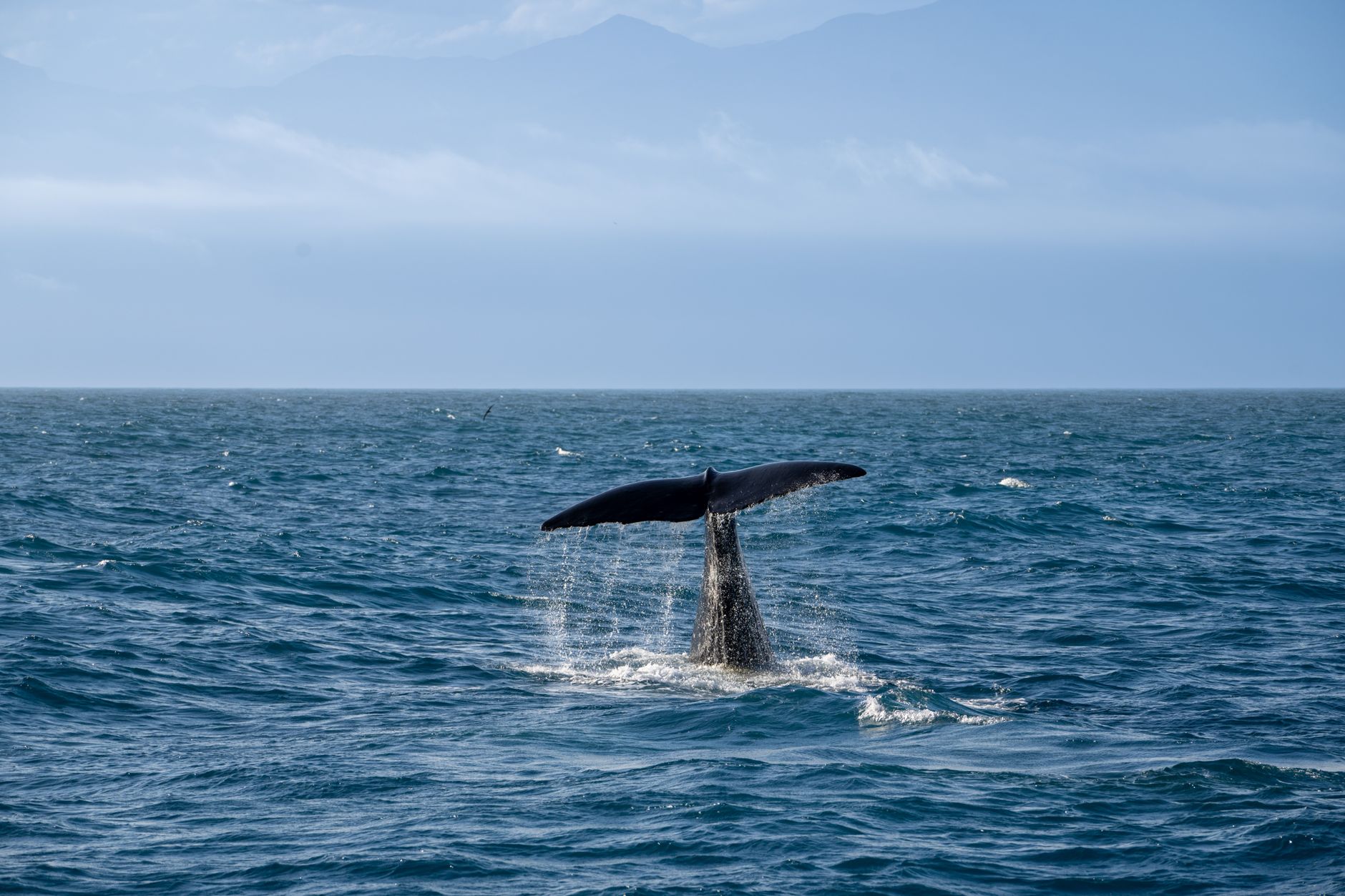
What Do Japanese Do With Whales?
The Japanese utilize whales for a variety of purposes, primarily for food and, to a lesser extent, for research, tradition, and cultural preservation; the consumption of whale meat remains a controversial practice due to international opposition.

Introduction: A Deep Dive into Japanese Whaling Practices
The question, “What do Japanese do with whales?” is a complex one, steeped in history, cultural significance, and ongoing international debate. While commercial whaling is largely prohibited globally, Japan has, for decades, engaged in whaling activities that it has variously characterized as scientific research and traditional practice. This has drawn sharp criticism from conservation groups and other nations, leading to diplomatic tensions and legal challenges. To understand the current state of affairs, it’s crucial to examine the historical, economic, and cultural factors that shape Japan’s relationship with whales. This article will explore the diverse aspects of this practice, from the specific uses of whale products to the legal and ethical considerations that surround them.
What colours are fish most attracted to?
Can you put your finger in a trout's mouth?
Is methylene blue anti bacterial?
Does aquarium salt raise pH in aquarium?
Historical Context: From Sustenance to Controversy
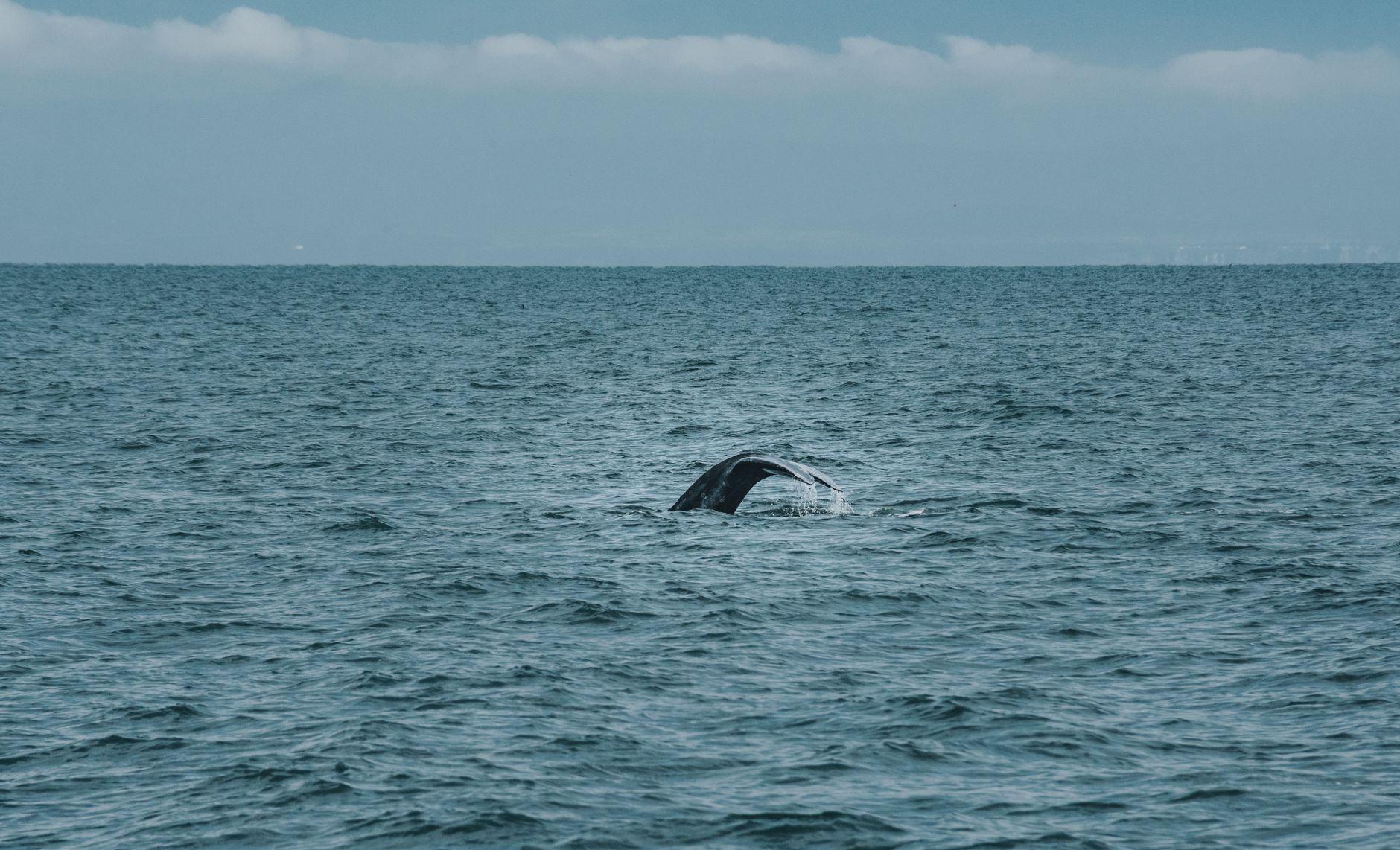
Japan’s engagement with whales dates back centuries. Historically, whaling was a vital source of food and materials for coastal communities.
- Early Whaling: Traditional whaling techniques were developed, using harpoons and small boats. Whale meat and blubber provided essential sustenance.
- Modernization: In the late 19th and early 20th centuries, Japan adopted modern whaling methods, including factory ships and explosive harpoons, significantly increasing the scale of the industry.
- Post-WWII: Whale meat became an important source of protein in post-war Japan, helping to alleviate food shortages.
- International Regulations: The International Whaling Commission (IWC) was established in 1946 to regulate whaling. In 1986, the IWC imposed a moratorium on commercial whaling.
“Scientific Whaling” and its Discontents
Following the IWC moratorium, Japan continued whaling under Article VIII of the International Convention for the Regulation of Whaling (ICRW), which allows for scientific research. This program was highly criticized, with many arguing that the research was a pretext for commercial whaling.
- JARPA I and II: Japan conducted two major research whaling programs in the Antarctic (JARPA I and II) and the North Pacific.
- ICJ Ruling: In 2014, the International Court of Justice (ICJ) ruled that JARPA II was not scientific research and ordered Japan to cease whaling in the Antarctic.
- New Scientific Program (NEWREP-A): Japan subsequently introduced a new scientific whaling program in the Antarctic, claiming to address the ICJ’s concerns.
- Withdrawal from the IWC: In 2019, Japan withdrew from the IWC and resumed commercial whaling within its own Exclusive Economic Zone (EEZ).
What Do Japanese Do With Whales?: The Products
The answer to “What do Japanese do with whales?” largely revolves around the utilization of whale products, especially for consumption.
- Meat: Whale meat is consumed in various forms, including:
- Sashimi (raw slices)
- Steak
- Bacon
- Canned whale meat
- Whale jerky
- Blubber: Whale blubber is used in traditional dishes and as a source of oil.
- Baleen: Baleen plates, used by some whales to filter feed, have been used for various purposes, although their use is now limited.
- Bones: Whale bones are used in handicrafts and souvenirs.
- Other Byproducts: Other parts of the whale are used for various industrial purposes.
The Cultural Significance of Whaling
Whaling holds cultural significance for some communities in Japan, particularly those with long histories of whaling traditions.
- Coastal Communities: In certain coastal regions, whaling is seen as a part of local heritage and identity.
- Religious and Spiritual Significance: Some communities have religious and spiritual connections to whales, with rituals and festivals associated with whaling.
- Culinary Tradition: Some traditional dishes feature whale meat as a key ingredient, reflecting the historical importance of whaling as a food source.
Ethical and Environmental Concerns
Whaling is a deeply contentious issue, sparking ethical debates over the rights of whales and the sustainability of whaling practices.
- Animal Welfare: Animal rights advocates argue that whaling is cruel and inhumane.
- Conservation: Conservation groups express concern about the impact of whaling on whale populations, particularly endangered species.
- Sustainability: Critics argue that whaling is not sustainable, as it can deplete whale populations and disrupt marine ecosystems.
- IWC Regulations: There is ongoing debate about the effectiveness of IWC regulations and the enforcement of whaling bans.
Economic Factors: Market Demand and Industry Size
The demand for whale meat in Japan has declined in recent decades.
- Decreasing Consumption: Whale meat consumption has decreased significantly since its peak in the post-war era.
- Aging Population: An aging population may contribute to lower demand.
- Import Competition: Cheaper alternatives and growing concerns about eating marine mammals are also factors.
- Small Scale Industry: Commercial whaling is now a relatively small industry in Japan, employing a limited number of people.
Future of Whaling in Japan
The future of whaling in Japan remains uncertain, influenced by various factors:
- Domestic Demand: Changes in domestic demand for whale meat will play a crucial role.
- International Pressure: Ongoing international pressure from conservation groups and other nations will continue to influence Japanese policy.
- IWC Membership: Japan’s decision to withdraw from the IWC has changed its international obligations, although it still has to comply with CITES.
- Conservation Efforts: Future whaling policies will depend in part on the perceived impact on whale populations and marine ecosystems.
Frequently Asked Questions (FAQs)
What types of whales are hunted by Japanese whalers?
Japanese whalers primarily hunt minke whales, but they have also hunted other species, including sei whales, Bryde’s whales, and occasionally fin whales. The species targeted have varied depending on the specific whaling program or activity.
Is it legal for Japan to hunt whales?
Yes and no. It is legal within Japan’s EEZ. In 2019 Japan withdrew from the IWC and resumed commercial whaling within its own EEZ, so it is not prohibited by the IWC moratorium there. Prior to that, Japan claimed to be hunting whales for “scientific research” under an IWC exception, but this was internationally disputed.
Where can I buy whale meat in Japan?
Whale meat can be found in some supermarkets, specialty shops, and restaurants in Japan, particularly in coastal regions with whaling traditions. However, it’s not as widely available as other meats.
Is whale meat expensive in Japan?
The price of whale meat can vary depending on the cut, species, and availability. Generally, it is considered a specialty meat and can be more expensive than common meats like beef or pork.
What does whale meat taste like?
The taste of whale meat can vary depending on the species and preparation method. Some describe it as having a gamey or slightly metallic taste, while others compare it to beef or venison.
Is whale meat safe to eat?
There have been concerns raised about the safety of eating whale meat due to the potential for accumulation of contaminants such as mercury and PCBs. It is advised to consume it in moderation.
What is the role of the Japanese government in whaling?
The Japanese government supports whaling through subsidies and other forms of assistance, arguing that it is a traditional industry and a part of Japanese culture.
What is the IWC and what is its role in regulating whaling?
The International Whaling Commission (IWC) is an intergovernmental organization responsible for the conservation of whales and the management of whaling. It sets quotas for whaling, but these quotas are only binding for members.
How do conservation groups view Japanese whaling practices?
Conservation groups strongly oppose Japanese whaling practices, arguing that they are cruel, unsustainable, and undermine international conservation efforts.
What is the economic impact of whaling in Japan?
The economic impact of whaling in Japan is relatively small. It accounts for a tiny fraction of the country’s economy, with consumption of whale meat declining over the years.
Are there alternatives to whaling for coastal communities in Japan?
Yes, there are alternatives such as ecotourism, sustainable fishing practices, and aquaculture. Many communities have moved away from whaling and adopted other forms of income generation.
What is the current status of whale populations worldwide?
The status of whale populations varies. Some populations are recovering, while others remain endangered or threatened. Continued monitoring and conservation efforts are crucial to ensuring the long-term survival of these magnificent creatures. Knowing what do Japanese do with whales and how these actions effect whale populations is therefore vital.