
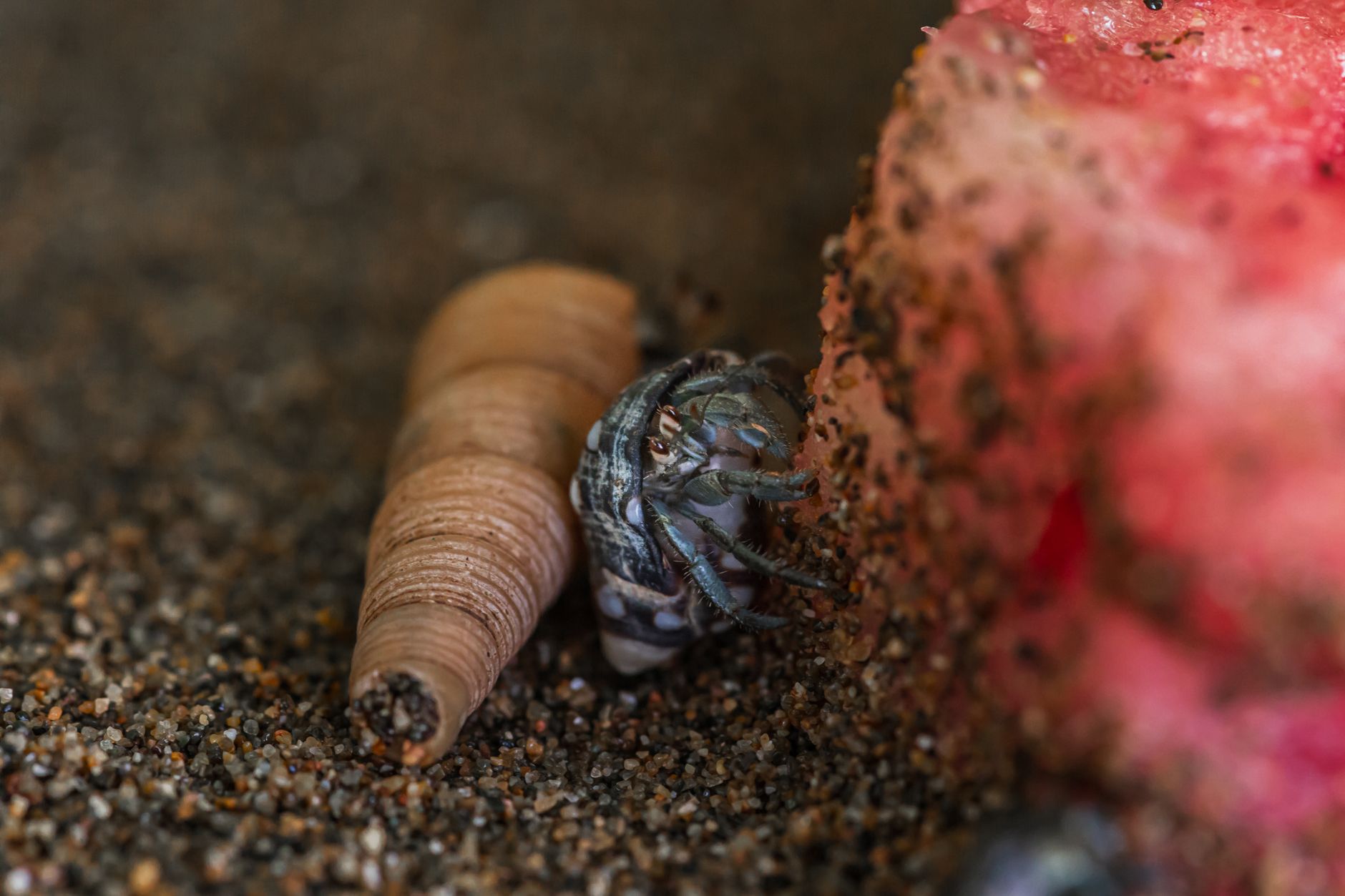
Should Hermit Crab Sand Be Damp? Unveiling the Secrets to a Thriving Habitat
Hermit crabs require a very specific environment to thrive, and sand moisture plays a crucial role. Yes, hermit crab sand should be damp – not soaking wet, but consistently humid to allow for successful molting and burrowing.

Understanding the Importance of Damp Substrate
Creating the right environment for your hermit crabs is paramount to their health and well-being. One of the most vital aspects is the substrate, the material that lines the bottom of their tank. This isn’t just decoration; it’s essential for digging, molting, and maintaining proper humidity. The right dampness is critical, and this section delves into why.

What colours are fish most attracted to?
Can you put your finger in a trout's mouth?
Is methylene blue anti bacterial?
Does aquarium salt raise pH in aquarium?
The Molting Process and Substrate Moisture

Hermit crabs undergo a vulnerable process called molting, where they shed their exoskeleton to grow. During this time, they burrow underground for protection, and the dampness of the sand is crucial for a successful molt.
- Damp sand allows the crabs to easily dig and create stable burrows that won’t collapse.
- Proper humidity maintained by the damp sand prevents dehydration, which is fatal during molting.
- The sand’s moisture content helps regulate the microclimate within the burrow, protecting the crab.
Benefits of Maintaining the Correct Sand Dampness
Beyond molting, a properly dampened substrate provides numerous benefits for your hermit crabs:
- Healthy Gills: Hermit crabs breathe through modified gills that require moisture to function correctly.
- Easy Burrowing: Consistent dampness makes it easier for crabs to dig and create comfortable living spaces.
- Skeletal Strength: Proper humidity contributes to the maintenance of their exoskeleton’s integrity.
- Reduced Stress: A comfortable and natural environment minimizes stress, leading to happier and healthier crabs.
Achieving the Ideal Sand Dampness: A Step-by-Step Guide
Getting the right dampness for your hermit crab sand may seem tricky, but here’s a straightforward method:
- Use the Right Substrate: The recommended substrate is a mixture of play sand and coconut fiber (Eco Earth).
- Start with Dry Mix: Thoroughly mix the dry sand and coconut fiber in a ratio of roughly 5:1 (sand:fiber).
- Add Water Gradually: Slowly add dechlorinated water to the mixture, stirring constantly.
- Test the Sand: Squeeze a handful of the mixture. It should clump together and hold its shape, but no water should drip out. This is often described as “sandcastle consistency.”
- Maintain Humidity: Use a hygrometer to monitor the humidity in your tank. Aim for 70-80%.
- Regularly Mist the Tank: Lightly mist the substrate regularly to maintain humidity levels.
- Avoid Overwatering: If the sand becomes too wet, allow it to dry out slightly before adding more water. Mix the wet and dry portions together.
Common Mistakes to Avoid When Dampening Substrate
Avoid these common mistakes to ensure the best environment for your hermit crabs:
- Using Tap Water: Always use dechlorinated water, as chlorine is harmful to hermit crabs.
- Soaking the Substrate: Overly wet sand can lead to bacterial growth and drown your crabs.
- Using Only Sand: Play sand alone can compact and become difficult to burrow in; coconut fiber helps maintain its structure and moisture.
- Ignoring Humidity Levels: Failing to monitor humidity can lead to dehydration or respiratory issues.
- Neglecting Spot Cleaning: Regularly clean the tank of food scraps and waste to prevent mold and bacteria growth.
Frequently Asked Questions (FAQs)
What type of water should I use to dampen hermit crab sand?
Always use dechlorinated water for your hermit crab habitat. Chlorine and chloramine, found in tap water, are toxic to hermit crabs. You can dechlorinate water by using a dechlorinating solution readily available at pet stores, or by letting the water sit out for 24-48 hours.
How often should I dampen the sand?
The frequency of dampening depends on your tank’s environment. Check the humidity levels daily using a hygrometer. If the humidity drops below 70%, lightly mist the substrate with dechlorinated water. Avoid soaking the sand; misting is usually sufficient.
Can I use just play sand for my hermit crab substrate?
While play sand is a common component, it’s best to mix it with coconut fiber (Eco Earth). Play sand alone can compact too much, making it difficult for crabs to burrow. Coconut fiber helps retain moisture and create a more natural digging environment.
Is it okay if my hermit crab tank smells musty?
A musty smell indicates excessive moisture and potential bacterial or fungal growth. Reduce the amount of water you’re adding and ensure proper ventilation. Regularly clean the tank to remove any decaying food or waste. If the smell persists, consider replacing the substrate.
How deep should the sand substrate be in my hermit crab tank?
The substrate should be deep enough for your largest crab to completely bury itself for molting, typically at least 6 inches deep or three times the height of your largest crab. Providing sufficient depth is crucial for successful molting.
What happens if the sand is too dry?
If the sand is too dry, your hermit crabs will struggle to dig and burrow properly. They may also become dehydrated and stressed. Dehydration can be fatal, especially during molting.
Can I use salt water to dampen the sand?
No, do not use saltwater to dampen the entire substrate. While hermit crabs need access to both fresh and saltwater dishes for drinking and bathing, the primary substrate should be dampened with dechlorinated freshwater. Saltwater substrate can cause irritation and other issues.
How can I tell if my hermit crab is about to molt?
Signs that a hermit crab is preparing to molt include lethargy, decreased appetite, hiding more often, and a dull appearance to their exoskeleton. They may also bury themselves in the substrate for extended periods. Avoid disturbing them during this time.
What do I do if the sand gets moldy?
If you notice mold growth in your hermit crab sand, immediately remove the affected area and any surrounding substrate. Improve ventilation and reduce the amount of moisture you’re adding. If the mold is extensive, consider replacing the entire substrate.
Can I use aquarium gravel instead of sand?
Gravel is not recommended as a substrate for hermit crabs. It doesn’t hold moisture well, and crabs cannot easily burrow in it. Sand and coconut fiber are the best options.
How do I spot clean the hermit crab substrate?
Spot cleaning involves removing any visible waste, uneaten food, and discarded exoskeletons from the substrate. Use a small scoop or shovel to carefully remove these items without disturbing the crabs. Spot clean regularly, at least every other day.
What is the ideal temperature for a hermit crab tank in relation to sand dampness?
The ideal temperature range for a hermit crab tank is 72-85°F (22-29°C). Maintaining this temperature, along with the proper sand dampness, helps ensure the humidity stays within the recommended range of 70-80%. Using a heat mat or overhead lamp (avoid direct contact with the substrate) can help regulate temperature.