
What is the Heaviest Freshwater Fish in the World?
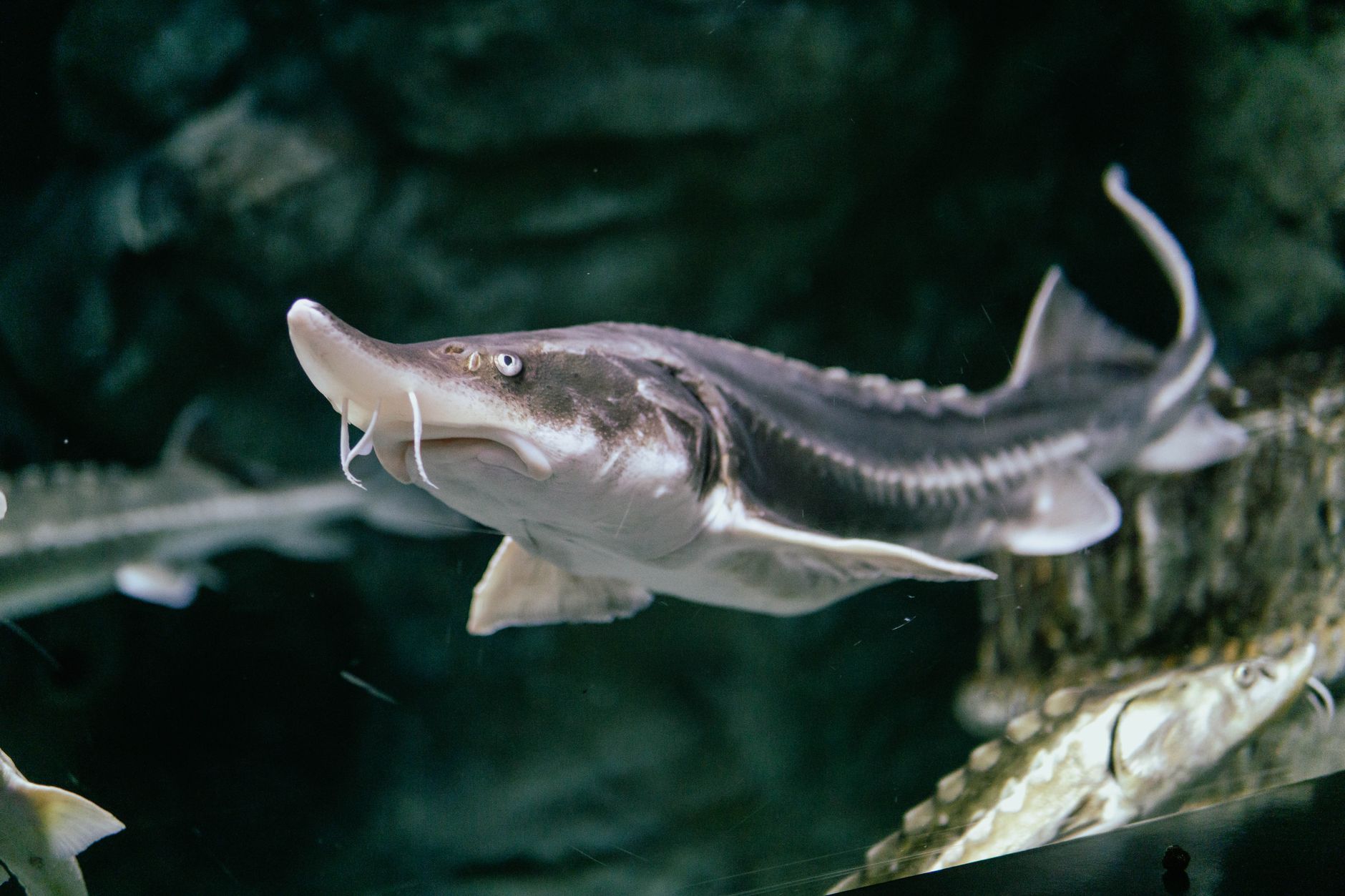
The absolute heaviest freshwater fish in the world is the Beluga Sturgeon (Huso huso). This magnificent creature, a living fossil, can exceed lengths of 20 feet and weigh well over 3,000 pounds.

A Deep Dive into Giant Freshwater Fish
The quest to identify the heaviest freshwater fish in the world takes us to remote rivers and lakes, challenging our understanding of aquatic life. It also highlights the critical need for conservation efforts to protect these vulnerable giants. This article explores the Beluga Sturgeon, its biology, habitat, and the threats it faces.

Are fish heads good for the garden?
Can fish hear water?
What is cotton rot in fish?
What colours are fish most attracted to?
The Reigning Champion: The Beluga Sturgeon

The Beluga Sturgeon is undoubtedly the heavyweight champion. Its immense size sets it apart from all other freshwater fish. Found primarily in the Caspian and Black Sea basins, the Beluga Sturgeon is an anadromous species, meaning it migrates from saltwater to freshwater to spawn.
- Scientific Name: Huso huso
- Common Names: Beluga, Great Sturgeon, European Sturgeon
- Habitat: Caspian Sea, Black Sea, Azov Sea, and their associated rivers.
- Diet: Primarily carnivorous, feeding on fish, crustaceans, and other aquatic animals.
- Lifespan: Can live over 100 years.
Characteristics of a Giant
What allows the Beluga Sturgeon to reach such monumental sizes? Several factors contribute, including its longevity, diet, and unique physiological adaptations.
- Slow Growth: Beluga Sturgeon are slow-growing, taking many years to reach maturity. This extended lifespan allows them to accumulate size and weight over time.
- Voracious Appetite: As opportunistic predators, Beluga Sturgeon consume a wide variety of prey. This ensures a consistent and abundant food supply, fueling their growth.
- Cartilaginous Skeleton: Unlike most bony fish, sturgeon possess a cartilaginous skeleton, which is lighter and more flexible. This may contribute to their ability to achieve immense sizes.
Conservation Concerns
Sadly, the Beluga Sturgeon faces numerous threats, pushing it to the brink of extinction. Overfishing for its prized roe (caviar) is the primary culprit. Habitat degradation, pollution, and dam construction further exacerbate the problem.
- Overfishing: The high demand for Beluga caviar drives illegal fishing and unsustainable harvesting practices.
- Habitat Loss: Dam construction blocks migration routes to spawning grounds, preventing successful reproduction.
- Pollution: Industrial and agricultural runoff contaminates water sources, harming sturgeon health and survival.
Alternative Contenders: Other Large Freshwater Fish
While the Beluga Sturgeon holds the title definitively, several other freshwater fish species can attain impressive sizes. These contenders deserve recognition for their own remarkable attributes.
| Fish Species | Max. Weight (lbs) | Max. Length (ft) | Habitat |
|---|---|---|---|
| Mekong Giant Catfish | 650 | 10 | Mekong River Basin |
| Arapaima | 440 | 10 | Amazon River Basin |
| Alligator Gar | 300 | 8.5 | Southeastern United States |
| Giant Freshwater Stingray | 1,100 (est.) | 16 (est.) | Southeast Asia and Northern Australia |
The Giant Freshwater Stingray is a notable mention because while the heaviest confirmed weight is around 1,100 lbs, unconfirmed reports and estimates suggest they might be significantly larger, possibly rivaling or even exceeding the Beluga Sturgeon. However, verifiable data is still lacking.
The Future of Giant Freshwater Fish
The fate of the Beluga Sturgeon, and other giant freshwater fish, hinges on concerted conservation efforts. International cooperation, stricter regulations, and habitat restoration are crucial steps towards ensuring their survival. Consumer awareness of sustainable caviar alternatives can also play a significant role. The future depends on our ability to protect these incredible creatures.
Frequently Asked Questions About the Heaviest Freshwater Fish
What is the scientific classification of the Beluga Sturgeon?
The Beluga Sturgeon’s scientific classification is as follows: Kingdom Animalia, Phylum Chordata, Class Actinopterygii, Order Acipenseriformes, Family Acipenseridae, Genus Huso, and Species Huso huso. Understanding its taxonomy helps us understand its evolutionary relationships and place within the animal kingdom.
Where exactly do Beluga Sturgeon live?
Beluga Sturgeon are native to the Caspian, Black, and Azov Sea basins. They are anadromous, migrating up rivers that flow into these seas to spawn. Historically, they were found in rivers like the Danube, Volga, and Ural, but their range has significantly diminished due to habitat loss and overfishing.
What do Beluga Sturgeon eat?
The diet of the Beluga Sturgeon is primarily carnivorous. They feed on a variety of fish, crustaceans, and mollusks. As opportunistic predators, they will consume whatever prey is available in their habitat.
How long can a Beluga Sturgeon live?
Beluga Sturgeon are renowned for their long lifespans. They can live for over 100 years, allowing them to reach impressive sizes. This longevity also makes them particularly vulnerable to overfishing, as it takes many years for them to reach reproductive maturity.
Why is Beluga caviar so expensive?
Beluga caviar is highly prized and expensive due to several factors, including the rarity of the Beluga Sturgeon, the long time it takes for females to mature and produce eggs, and the labor-intensive harvesting process. The dwindling populations of Beluga Sturgeon further contribute to its high cost.
What are the main threats to Beluga Sturgeon populations?
The primary threats to Beluga Sturgeon populations are overfishing for caviar, habitat loss due to dam construction, and pollution from industrial and agricultural runoff. These factors have led to a drastic decline in their numbers, making them critically endangered.
What is being done to conserve Beluga Sturgeon?
Conservation efforts include international regulations on caviar trade, such as CITES (Convention on International Trade in Endangered Species), as well as habitat restoration projects and captive breeding programs. However, enforcement of regulations and funding for conservation remain challenges.
Can you legally purchase Beluga caviar?
The legality of purchasing Beluga caviar depends on the source and country. Many countries have strict regulations or outright bans on the import and sale of Beluga caviar due to conservation concerns. Consumers should ensure that caviar is legally and sustainably sourced.
What makes a fish “freshwater?”
A fish is considered “freshwater” if it spends its entire life, or the majority of its life, in freshwater environments with a salinity level of less than 0.05%. These fish have physiological adaptations to regulate water balance in low-salinity conditions.
Besides weight, what other criteria are used to measure the “biggest” fish?
While weight is a key factor, the “biggest” fish can also be measured by length, girth, and overall volume. For example, a fish might not be the heaviest, but it could be the longest. Different criteria can lead to different species being considered the “biggest” depending on the metric used.
What is the role of the Beluga Sturgeon in its ecosystem?
Beluga Sturgeon play an important role as apex predators in their ecosystem. They help regulate populations of other fish and invertebrates, maintaining the balance of the food web. Their decline can have cascading effects on the entire ecosystem.
What does What is the heaviest freshwater fish in the world? mean for conservation efforts generally?
Knowing the answer to What is the heaviest freshwater fish in the world? highlights the importance of protecting large, slow-growing species that are particularly vulnerable to human activities. The plight of the Beluga Sturgeon serves as a powerful reminder of the need for sustainable fishing practices, habitat conservation, and international cooperation to safeguard biodiversity.