

What Foods Help Dogs with Dry Skin?
This article explores what foods help dogs with dry skin?, offering specific dietary recommendations and actionable advice to alleviate discomfort and promote a healthy, hydrated coat. A balanced diet rich in omega-3 fatty acids, vitamins, and quality protein is key to combating canine dry skin issues.

Understanding Canine Dry Skin
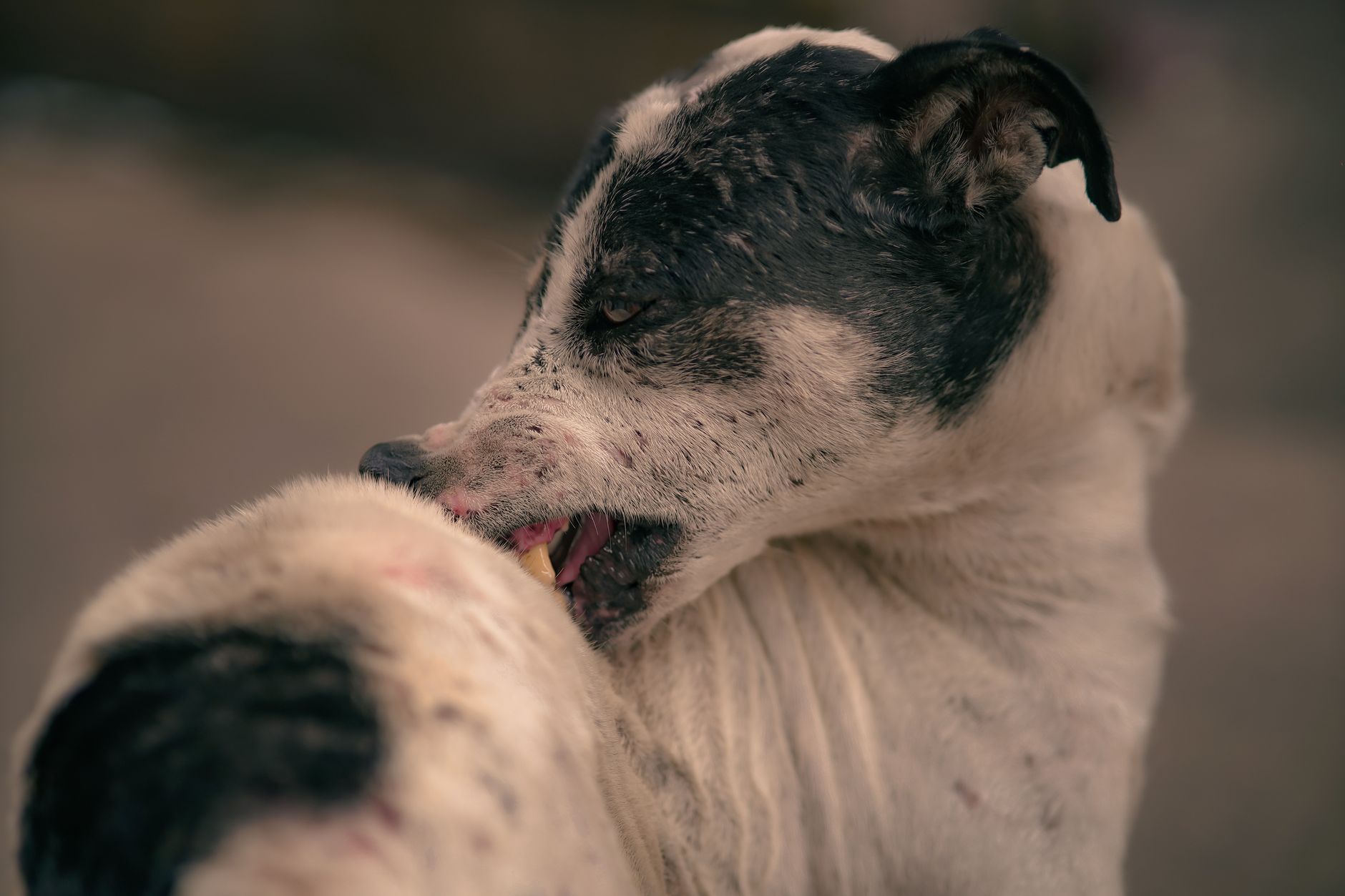
Dry skin in dogs is a common issue with various underlying causes. It can manifest as flakiness, itching, redness, and even hair loss. While environmental factors like dry air and allergies play a role, diet significantly impacts skin health. Properly nourishing your dog from the inside out can make a remarkable difference in their comfort and appearance.
What colours are fish most attracted to?
Can you put your finger in a trout's mouth?
Is methylene blue anti bacterial?
Does aquarium salt raise pH in aquarium?
The Crucial Role of Diet
- Hydration: Ensuring your dog drinks plenty of fresh water is fundamental. Dehydration exacerbates dry skin.
- Essential Fatty Acids: These are vital for skin health. Omega-3 and omega-6 fatty acids help maintain the skin’s barrier function, preventing moisture loss.
- Vitamins and Minerals: Vitamins A and E, along with zinc, are crucial for skin cell regeneration and overall skin integrity.
- Protein Quality: High-quality protein supports skin and coat growth and repair.
Top Food Choices for Dogs with Dry Skin
Several food options can specifically address dry skin in dogs. Choosing the right ingredients is essential.
- Fish-based Diets: Salmon, tuna, and whitefish are excellent sources of omega-3 fatty acids. Look for dog foods where fish is the primary protein source.
- Foods Rich in Omega-3 Fatty Acids: These include:
- Flaxseed oil
- Chia seeds
- Fish oil supplements (added to their regular food)
- Coconut Oil: Can be added to food or applied topically (in moderation) to moisturize the skin.
- Foods with added Vitamins: Look for foods fortified with Vitamin A, Vitamin E, and zinc.
- Limited-Ingredient Diets: These can help identify and eliminate potential food allergens that contribute to skin issues. Common allergens include beef, chicken, and wheat.
Supplementing for Success
While a balanced diet should be the foundation, supplements can provide an extra boost.
- Fish Oil Supplements: A concentrated source of omega-3 fatty acids. Be sure to choose a reputable brand.
- Vitamin E Supplements: An antioxidant that supports skin health. Consult with your veterinarian before starting any new supplements.
- Probiotic Supplements: A healthy gut microbiome can improve nutrient absorption and overall health, indirectly benefiting the skin.
Creating a Home-Cooked Diet (with Veterinary Guidance)
If you’re considering a home-cooked diet, work closely with a veterinary nutritionist to ensure it’s balanced and complete. This is especially important when addressing specific health concerns like dry skin.
A sample home-cooked recipe might include:
| Ingredient | Purpose |
|---|---|
| Salmon | Omega-3 Fatty Acids |
| Sweet Potato | Vitamin A, Fiber |
| Brown Rice | Carbohydrates, Fiber |
| Flaxseed Oil | Additional Omega-3 Fatty Acids |
| Vitamin E Supplement | Antioxidant Support |
Common Mistakes to Avoid
- Overfeeding: Obesity can exacerbate skin problems.
- Feeding Low-Quality Food: Cheap fillers and artificial ingredients can worsen skin issues.
- Ignoring Allergies: Not identifying and eliminating food allergens.
- Over-Bathing: Frequent bathing can strip the skin of its natural oils.
- Using Harsh Shampoos: Opt for hypoallergenic shampoos formulated for sensitive skin.
Monitoring and Adjusting the Diet
Pay close attention to your dog’s skin and coat after making dietary changes. It may take several weeks or even months to see noticeable improvements. Keep a log of their food intake, supplements, and any changes in their skin condition. Regular veterinary check-ups are essential to monitor their overall health and adjust the diet as needed. Knowing what foods help dogs with dry skin? is important, but monitoring the results is paramount.
Frequently Asked Questions (FAQs)
What causes dry skin in dogs?
Dry skin in dogs can result from several factors, including low humidity, allergies (food or environmental), parasites (like mites), hormonal imbalances (such as hypothyroidism), and nutritional deficiencies. Identifying the root cause is crucial for effective treatment.
Can my dog be allergic to their food and have dry skin as a symptom?
Yes, food allergies are a common cause of dry, itchy skin in dogs. Common allergens include beef, chicken, dairy, and wheat. An elimination diet, under veterinary supervision, is often recommended to identify the offending ingredient.
Are grain-free diets better for dogs with dry skin?
While some dogs with dry skin may benefit from grain-free diets (particularly if they have a grain allergy), grain-free doesn’t automatically equate to better skin health. Focus on high-quality ingredients, essential fatty acids, and addressing any underlying allergies. A dog may be sensitive to other ingredients in the food, not just the grain.
How long does it take to see improvements in my dog’s skin after changing their diet?
It typically takes several weeks to a few months to see noticeable improvements in your dog’s skin and coat after making dietary changes. Be patient and consistent with the new diet, and continue to monitor their progress.
Can I just give my dog fish oil and expect their dry skin to disappear?
While fish oil supplements are beneficial for dry skin, they are not a guaranteed cure-all. A holistic approach, including a balanced diet, adequate hydration, and addressing any underlying medical conditions, is usually necessary for optimal results.
What are some signs that my dog’s dry skin might be more than just a dietary issue?
Signs that suggest a more serious problem include severe itching, hair loss, open sores, a foul odor, or other systemic symptoms like lethargy or vomiting. In these cases, immediate veterinary attention is crucial.
How do I know if a dog food is “high-quality”?
High-quality dog foods typically feature real meat as the primary ingredient, avoid artificial colors, flavors, and preservatives, and contain a balanced blend of essential nutrients. Look for brands with a proven track record and positive reviews.
Can I use human lotion on my dog’s dry skin?
Avoid using human lotions on dogs unless specifically recommended by your veterinarian. Human lotions often contain ingredients that are harmful to dogs. Use dog-specific moisturizers if needed.
Is coconut oil safe for dogs with dry skin?
Yes, coconut oil can be a safe and effective topical moisturizer for dogs with dry skin. You can also add a small amount to their food. However, introduce it gradually and monitor for any digestive upset.
My dog’s breath smells fishy after I started giving them fish oil. Is that normal?
A fishy breath odor is a common side effect of fish oil supplementation. Consider using enteric-coated fish oil capsules, which may help reduce this odor.
How much fish oil should I give my dog?
The appropriate dosage of fish oil depends on your dog’s size and weight. Consult with your veterinarian to determine the correct dosage for your dog.
Besides food, what else can I do to help my dog’s dry skin?
Besides diet, other helpful measures include:
- Regular grooming
- Using a humidifier in the home
- Bathing your dog less frequently
- Using a hypoallergenic shampoo
- Controlling parasites.
By understanding what foods help dogs with dry skin? and implementing these strategies, you can significantly improve your dog’s comfort and well-being.