
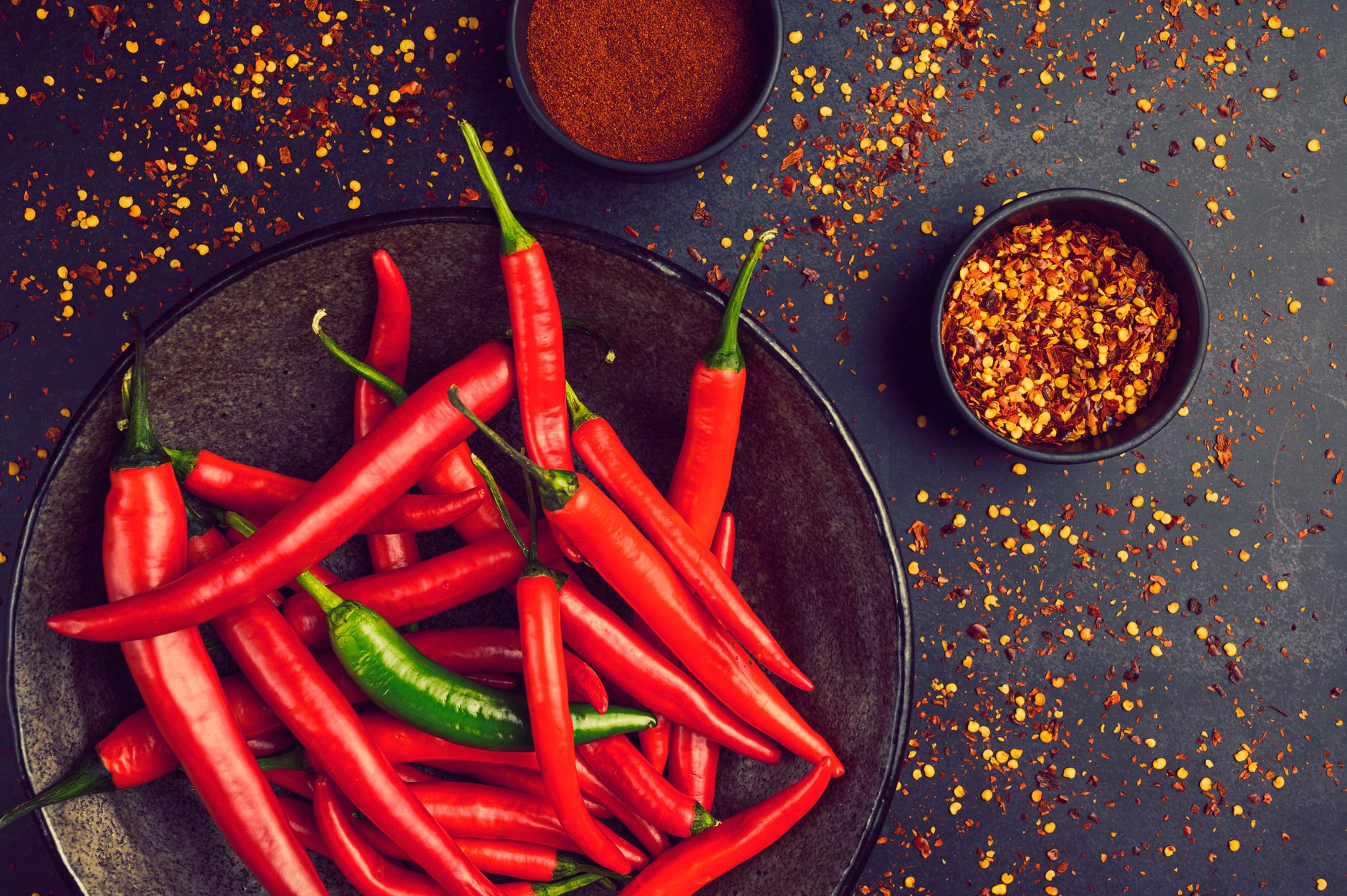
How Much Cayenne Pepper to Mix with Birdseed: A Definitive Guide
The ideal amount of cayenne pepper to add to birdseed is a light dusting, approximately one tablespoon per ten pounds of seed. This deters squirrels and other mammals, but birds are generally unaffected by capsaicin, the active ingredient in cayenne.
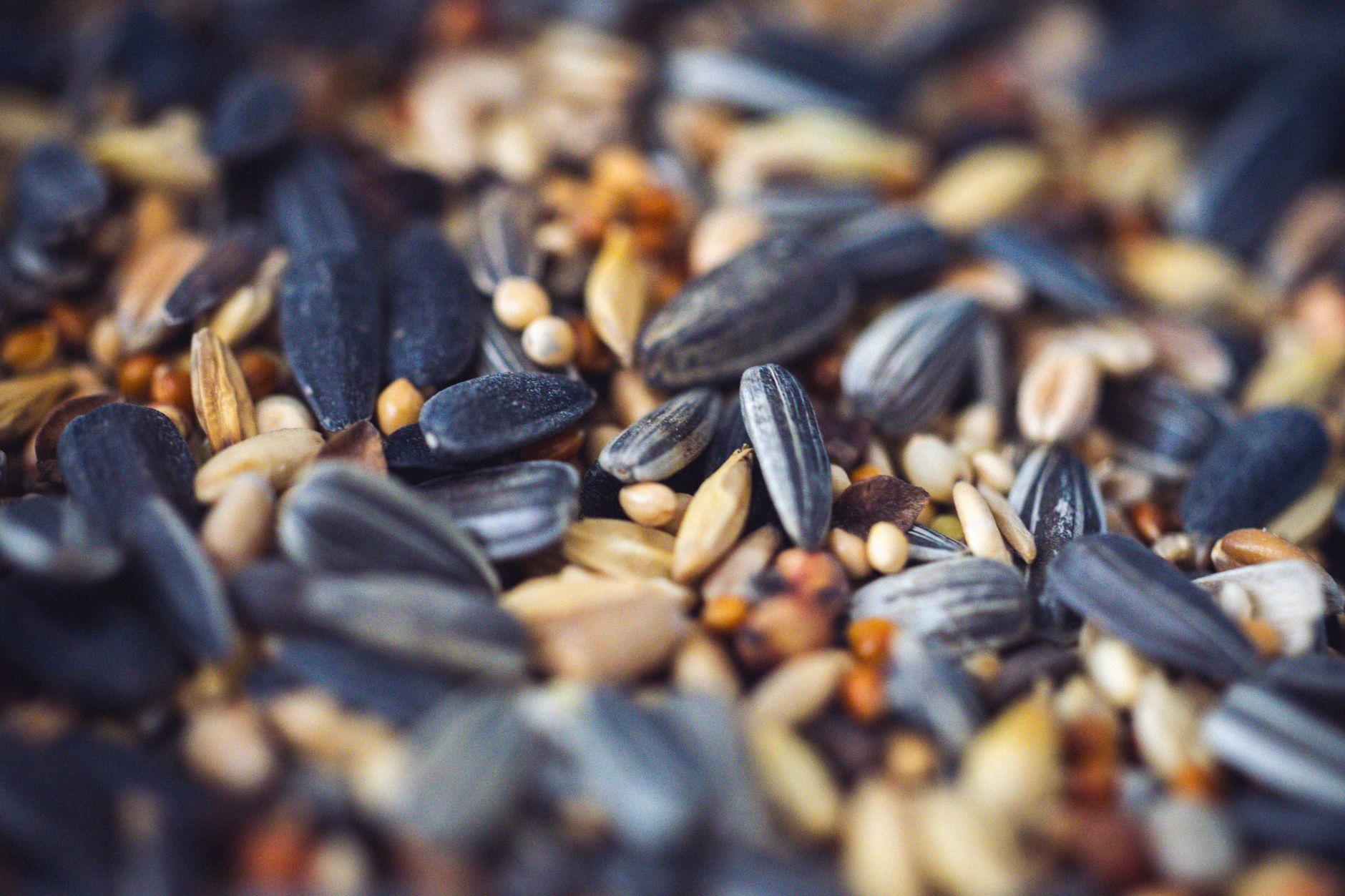
The Rationale Behind Cayenne Pepper in Birdseed
Why would anyone consider adding hot pepper to something intended for birds? The answer lies in a common backyard dilemma: squirrels. While many enjoy attracting a variety of birds, squirrels can quickly dominate feeders, consuming large quantities of seed and discouraging birds. Cayenne pepper offers a natural, effective, and relatively harmless solution. Birds lack the receptors that mammals possess, which respond to capsaicin, the compound that gives chili peppers their heat. Therefore, while squirrels find the taste unpleasant, birds happily munch away, unbothered by the spicy addition.

What colours are fish most attracted to?
Can you put your finger in a trout's mouth?
Is methylene blue anti bacterial?
Does aquarium salt raise pH in aquarium?
Benefits of Using Cayenne Pepper in Birdseed

The advantages of incorporating cayenne pepper into your birdseed mix extend beyond simply keeping squirrels at bay. Here’s a breakdown:
-
Effective Squirrel Deterrent: The primary benefit is undoubtedly its ability to deter squirrels without harming birds. They quickly learn to avoid feeders treated with cayenne.
-
Cost-Effective: Compared to specialized squirrel-proof feeders or other deterrent methods, cayenne pepper is a remarkably inexpensive solution.
-
Natural Solution: Cayenne pepper is a natural ingredient, making it a more environmentally friendly option than chemical-based deterrents.
-
Easy to Implement: The process of mixing cayenne pepper into birdseed is simple and requires minimal effort.
-
Potential Pest Control: There is anecdotal evidence suggesting that cayenne pepper might also help deter other unwanted pests around bird feeders, such as mice and certain insects.
The Correct Process: Mixing and Application
Getting the right concentration is key. Too much cayenne pepper and the birds might eventually avoid the feeder (although this is rare). Too little, and the squirrels will continue their feast. Here’s how much cayenne pepper to mix with birdseed?:
-
Choose your cayenne pepper: Use a pure cayenne pepper powder. Avoid blends that contain salt or other additives.
-
Determine your birdseed quantity: How many pounds of birdseed are you working with?
-
Calculate the cayenne pepper amount: A general guideline is one tablespoon of cayenne pepper per ten pounds of birdseed. Adjust slightly based on your specific squirrel problem – a little more if squirrels are particularly persistent, a little less if they are easily deterred.
-
Mixing: Place the birdseed in a large container or bucket. Sprinkle the cayenne pepper evenly over the birdseed. Thoroughly mix the seed and pepper, ensuring an even distribution. You can use a large spoon, shovel, or your hands (wearing gloves is recommended).
-
Filling Feeders: Fill your bird feeders with the treated birdseed.
-
Observation: Observe the behavior of both the birds and squirrels. You may need to adjust the amount of cayenne pepper slightly depending on the results.
Potential Pitfalls and Precautions
While cayenne pepper is generally safe for birds, there are a few potential pitfalls to avoid:
-
Overdoing it: Using excessive amounts of cayenne pepper can potentially irritate birds. Stick to the recommended dosage.
-
Contamination: Avoid getting cayenne pepper in your eyes or mouth. Wash your hands thoroughly after handling it.
-
Dusty Environment: Mix the cayenne pepper and birdseed in a well-ventilated area to minimize inhalation of the pepper dust.
-
Storage: Store treated birdseed in a sealed container to prevent the pepper from losing its potency.
Understanding Bird Preferences
Different bird species have different food preferences. While most birds are not affected by the capsaicin in cayenne pepper, providing a variety of food options can attract a wider range of species.
Here is a table to illustrate the preferred feed for common bird species.
| Bird Species | Preferred Food |
|---|---|
| Cardinals | Black oil sunflower seeds, safflower seeds |
| Chickadees | Black oil sunflower seeds, peanuts |
| Finches | Thistle seeds (nyjer), sunflower seeds |
| Doves | Millet, cracked corn |
| Blue Jays | Acorns, peanuts, sunflower seeds |
| Nuthatches | Black oil sunflower seeds, peanuts |
Frequently Asked Questions (FAQs)
What type of cayenne pepper is best for birdseed?
The best type of cayenne pepper is pure cayenne pepper powder. Avoid blends or products that contain salt, garlic powder, or other additives, as these could potentially harm the birds. Look for a high-quality, food-grade cayenne pepper.
Will cayenne pepper harm the birds?
No, cayenne pepper will not harm the birds. Birds lack the same receptors that mammals have for capsaicin, the active ingredient in chili peppers. They are therefore unable to taste the heat.
Can I use other types of chili peppers instead of cayenne?
While other types of chili peppers may work, cayenne pepper is generally recommended due to its consistent heat level and availability. Be extremely cautious when using hotter peppers, as they could potentially irritate birds if used in excess.
How often should I reapply the cayenne pepper to the birdseed?
Reapply cayenne pepper every few weeks, especially after heavy rain or if you notice squirrels returning to the feeder. The capsaicin can wash away over time, reducing its effectiveness.
What if the squirrels still eat the birdseed despite the cayenne pepper?
If squirrels are still persistent, try increasing the amount of cayenne pepper slightly, but be careful not to overdo it. You can also try squirrel-resistant feeders in addition to using cayenne pepper.
Is it safe to handle birdseed treated with cayenne pepper?
Yes, it is generally safe to handle birdseed treated with cayenne pepper, but it’s recommended to wear gloves and avoid touching your eyes or mouth. Wash your hands thoroughly with soap and water after handling the seed.
Will the cayenne pepper affect the taste of the birdseed for me if I accidentally ingest it?
Yes, cayenne pepper will definitely affect the taste if you accidentally ingest birdseed treated with it. It will be very spicy.
Can I use cayenne pepper in suet cakes?
Yes, you can use cayenne pepper in suet cakes to deter squirrels. Add the same proportion of cayenne pepper that you would add to seed (approximately one tablespoon per ten pounds of suet mixture).
How long does the effect of cayenne pepper last on the birdseed?
The effect of cayenne pepper on birdseed typically lasts for several weeks, depending on weather conditions. Rain and humidity can diminish its potency, so regular reapplication is necessary.
Is it possible for birds to develop a tolerance to cayenne pepper?
While unlikely, it is theoretically possible for birds to develop a slight tolerance to capsaicin over time. However, this is not a common issue, and the low concentrations used in birdseed are unlikely to cause significant adaptation.
Where can I buy cayenne pepper for birdseed?
You can buy cayenne pepper at most grocery stores, spice shops, and online retailers. Look for pure cayenne pepper powder without any added ingredients.
Are there any birds that actually like cayenne pepper?
While birds don’t have the same sensation of “liking” spicy food as mammals, there’s no evidence that they avoid birdseed treated with appropriate amount of cayenne pepper. The lack of aversion is what makes it effective as a deterrent for squirrels. How much cayenne pepper to mix with birdseed? remains the key question to ensure it stays safe and effective.