

What is the Best Charity for Otters?
While pinpointing a single best charity is subjective, the best charity for otters is often considered to be one that comprehensively addresses threats to their habitats, provides direct rescue and rehabilitation, and actively promotes conservation through research and education.

Introduction: Otters in Peril
Otters, those charismatic and playful members of the weasel family, are facing increasing challenges across the globe. From habitat loss and pollution to poaching and climate change, their survival is threatened in many regions. While some otter species are thriving, others are critically endangered, highlighting the urgent need for conservation efforts. Selecting a reputable and effective charity is crucial to making a tangible difference in protecting these vulnerable creatures. Understanding the threats they face, the types of organizations working to help them, and how to evaluate a charity’s effectiveness are all key to making an informed decision. What is the best charity for otters? often depends on your personal priorities and areas of concern.

What colours are fish most attracted to?
Can you put your finger in a trout's mouth?
Is methylene blue anti bacterial?
Does aquarium salt raise pH in aquarium?
Threats Facing Otters
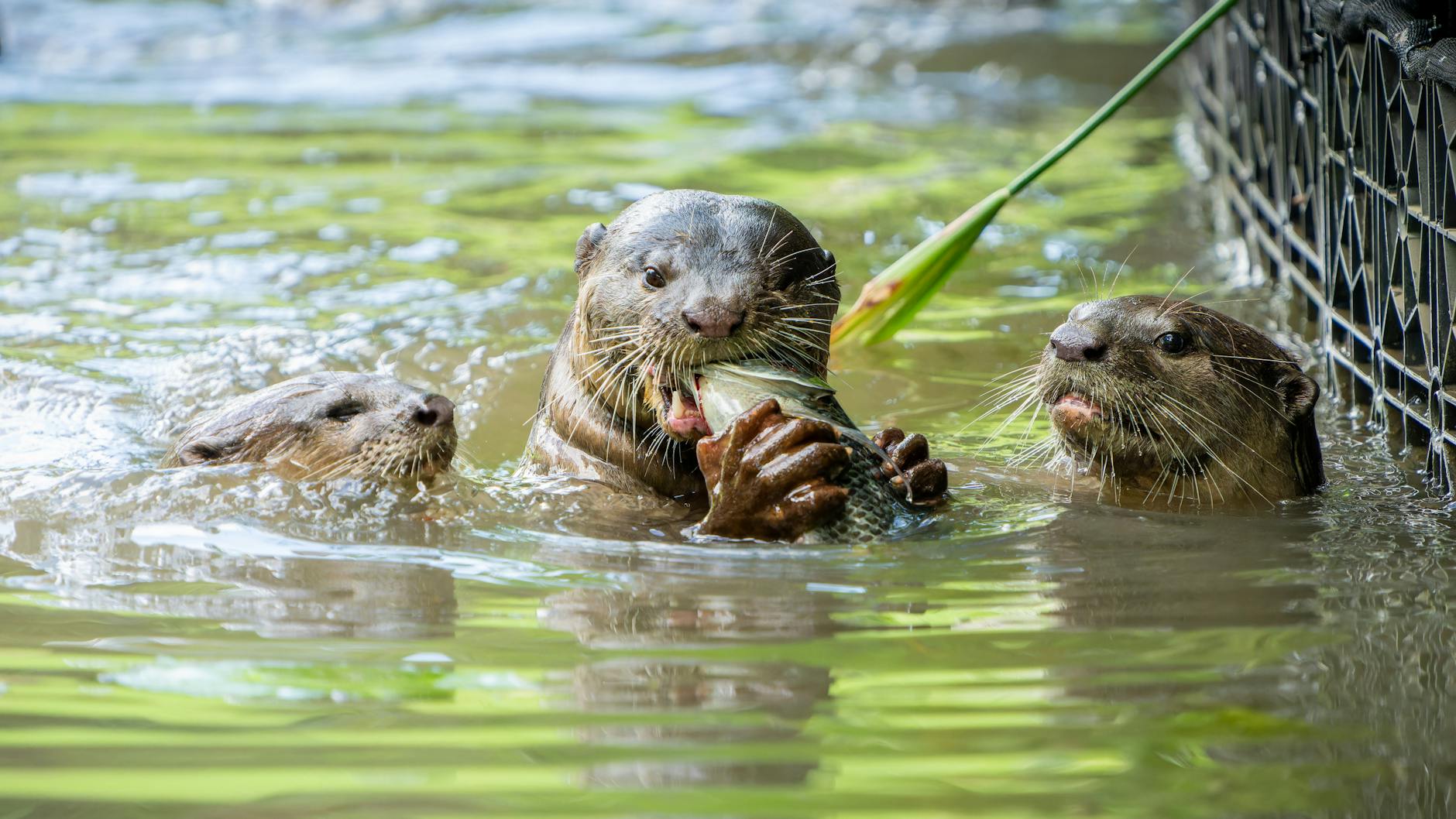
Several factors contribute to the declining populations of otters worldwide. Understanding these threats is essential to appreciating the work of otter conservation charities.
- Habitat Loss and Degradation: Deforestation, urbanization, and agricultural expansion destroy and fragment otter habitats, reducing their access to food and shelter. Pollution from agricultural runoff and industrial waste further degrades the water quality crucial for their survival.
- Pollution: Chemical pollutants, including pesticides, heavy metals, and plastics, contaminate waterways and accumulate in otters’ tissues, leading to reproductive problems, immune system suppression, and even death.
- Poaching and Illegal Trade: In some regions, otters are hunted for their fur or body parts, used in traditional medicine. The illegal trade of live otters as pets further threatens wild populations.
- Climate Change: Altered weather patterns, sea-level rise, and increased frequency of extreme weather events disrupt otter habitats and food sources, impacting their survival and reproduction.
- Human-Otter Conflict: Otters sometimes come into conflict with humans, especially in areas where they prey on fish stocks or damage aquaculture facilities. This conflict can lead to persecution and retaliatory killings.
Key Areas of Otter Conservation
Effective otter conservation requires a multi-faceted approach, encompassing various strategies and initiatives. Charities typically focus on one or more of these areas:
- Habitat Protection and Restoration: This involves purchasing or leasing critical otter habitats, restoring degraded wetlands and riparian areas, and promoting sustainable land-use practices.
- Rescue and Rehabilitation: Many charities operate rescue centers that provide care for injured, orphaned, or displaced otters, with the goal of releasing them back into the wild.
- Research and Monitoring: Scientific research is essential to understanding otter ecology, population dynamics, and the impacts of various threats. Monitoring programs track otter populations and assess the effectiveness of conservation efforts.
- Education and Awareness: Raising public awareness about the importance of otters and the threats they face is crucial for garnering support for conservation initiatives. Education programs target local communities, schools, and the general public.
- Advocacy and Policy: Charities advocate for stronger environmental regulations, policies to protect otter habitats, and measures to combat poaching and illegal trade.
Evaluating Otter Charities: Key Considerations
When deciding which charity to support, consider the following factors to ensure your donation is making a meaningful impact:
- Mission and Programs: Does the charity’s mission align with your priorities regarding otter conservation? Review their programs and initiatives to ensure they are effective and address the threats facing otters.
- Financial Transparency and Accountability: Check the charity’s financial statements to see how they allocate their funds and ensure they are operating efficiently. Look for a high percentage of donations going directly to programs. Organizations like Charity Navigator and GuideStar can provide independent ratings and reviews.
- Impact and Results: Does the charity demonstrate measurable results? Look for evidence of successful habitat restoration, otter rescues and releases, and positive impacts on otter populations.
- Geographic Focus: Consider the geographic region where the charity operates. Some charities focus on specific otter species or regions, while others have a broader global reach.
- Community Engagement: Does the charity involve local communities in its conservation efforts? Engaging local communities is crucial for long-term success and ensuring that conservation efforts are sustainable.
Examples of Otter Charities
Several organizations are dedicated to otter conservation around the world. Researching these and similar groups is essential to discovering what is the best charity for otters? for your values. While a comprehensive list is impossible here, some notable examples include:
- International Otter Survival Fund (IOSF): A UK-based organization working globally to protect otters through research, conservation, and education.
- River Otter Ecology Project: Focuses on the conservation of river otters in North America through research, education, and community engagement.
- Wildlife Conservation Society: Though not solely focused on otters, WCS has broader conservation programs that benefit otters in specific regions.
- Local Wildlife Rescue Organizations: Many local or regional wildlife rehabilitation centers care for injured or orphaned otters. Research centers in your area.
Remember to research each organization thoroughly before donating to ensure it aligns with your values and conservation goals.
How You Can Help Otters
Supporting otter charities is just one way to contribute to their conservation. Other actions you can take include:
- Reduce Your Environmental Impact: Practice sustainable living by reducing your consumption of resources, minimizing waste, and supporting eco-friendly products.
- Protect Water Quality: Avoid using pesticides and fertilizers that can pollute waterways. Properly dispose of hazardous waste to prevent it from entering the environment.
- Educate Others: Share information about otters and the threats they face with your friends, family, and community.
- Support Responsible Tourism: Choose ecotourism operators that prioritize conservation and minimize their impact on otter habitats.
- Advocate for Conservation Policies: Contact your elected officials to express your support for policies that protect otters and their habitats.
Conclusion
The plight of otters underscores the importance of conservation efforts. By supporting reputable charities and adopting sustainable practices, we can help ensure the survival of these fascinating creatures for generations to come. The question, What is the best charity for otters?, ultimately depends on your personal priorities, but by following these guidelines, you can make an informed decision and contribute to a worthy cause.
Frequently Asked Questions (FAQs)
What are the different species of otters?
There are 13 species of otters found around the world. They range from the smallest, the African clawless otter, to the largest, the giant otter of South America. Each species has its own unique adaptations and faces different conservation challenges. Understanding the specific threats to each species is crucial for targeted conservation efforts.
What is the biggest threat to otter populations?
Habitat loss and degradation are generally considered the biggest threats to otter populations worldwide. Deforestation, urbanization, and agricultural expansion destroy their natural habitats, while pollution contaminates their food and water sources. Protecting and restoring otter habitats is crucial for their long-term survival.
How can I tell if an otter charity is legitimate?
Look for transparency in their financial reporting, a clear mission statement, and evidence of successful conservation programs. Check their ratings on sites like Charity Navigator and GuideStar. A legitimate charity will be open about its finances and activities.
Are otters endangered?
Some otter species are endangered, while others are not. The IUCN Red List assesses the conservation status of each species. The giant otter and the sea otter are among the most threatened otter species.
What is the role of rescue and rehabilitation in otter conservation?
Rescue and rehabilitation centers provide care for injured, orphaned, or displaced otters, with the goal of releasing them back into the wild. This is particularly important for species with small or declining populations. Rehabilitation can significantly boost local otter populations.
How do otter charities protect otter habitats?
Charities may purchase or lease critical otter habitats, restore degraded wetlands and riparian areas, and promote sustainable land-use practices. They may also work with local communities to protect otter habitats on private lands. Habitat protection is a cornerstone of otter conservation.
What can I do to help otters in my own community?
Reduce your environmental impact, protect water quality, and educate others about otters. You can also volunteer at a local wildlife rescue center or participate in citizen science projects to monitor otter populations. Every effort, no matter how small, can make a difference.
How do climate change affect otters?
Altered weather patterns, sea-level rise, and increased frequency of extreme weather events disrupt otter habitats and food sources. Climate change can also exacerbate other threats, such as pollution and habitat loss. Addressing climate change is essential for the long-term survival of otters.
What is the International Otter Survival Fund (IOSF)?
The International Otter Survival Fund (IOSF) is a UK-based charity working globally to protect otters through research, conservation, and education. They provide funding for conservation projects, conduct research on otter ecology, and raise awareness about the threats facing otters. IOSF is a leading voice in otter conservation worldwide.
How can I report suspected otter poaching or illegal trade?
Contact your local wildlife authorities or law enforcement agency immediately. Provide as much information as possible, including the location of the incident, the number of otters involved, and any identifying details about the perpetrators. Reporting illegal activities is crucial for protecting otters from harm.
Do otters play a vital role in their ecosystems?
Yes, otters are considered keystone species in many ecosystems. As apex predators, they help regulate prey populations and maintain the balance of the food web. Their presence is often an indicator of a healthy ecosystem.
How does pollution affect otters?
Pollution, including chemical pollutants, heavy metals, and plastics, contaminates waterways and accumulates in otters’ tissues, leading to reproductive problems, immune system suppression, and even death. This bioaccumulation of toxins is especially harmful to top predators like otters. Reducing pollution is essential for protecting otters from its harmful effects.