

What Animal Class is a Shark?
Sharks are fascinating creatures, but their true classification can be surprising. The animal class a shark belongs to is Chondrichthyes, characterized by their cartilaginous skeletons instead of bones.

Introduction: Unveiling the Shark’s Classification
The ocean teems with diverse life, from microscopic plankton to colossal whales. Understanding the relationships between these organisms requires a system of classification. What animal class is a shark? To answer this, we need to delve into the principles of taxonomy and explore the unique features that define these apex predators. While they swim like fish and possess many fish-like characteristics, sharks are distinct from the bony fish we commonly encounter.

What colours are fish most attracted to?
Can you put your finger in a trout's mouth?
Is methylene blue anti bacterial?
Does aquarium salt raise pH in aquarium?
The Class Chondrichthyes: Cartilaginous Fish
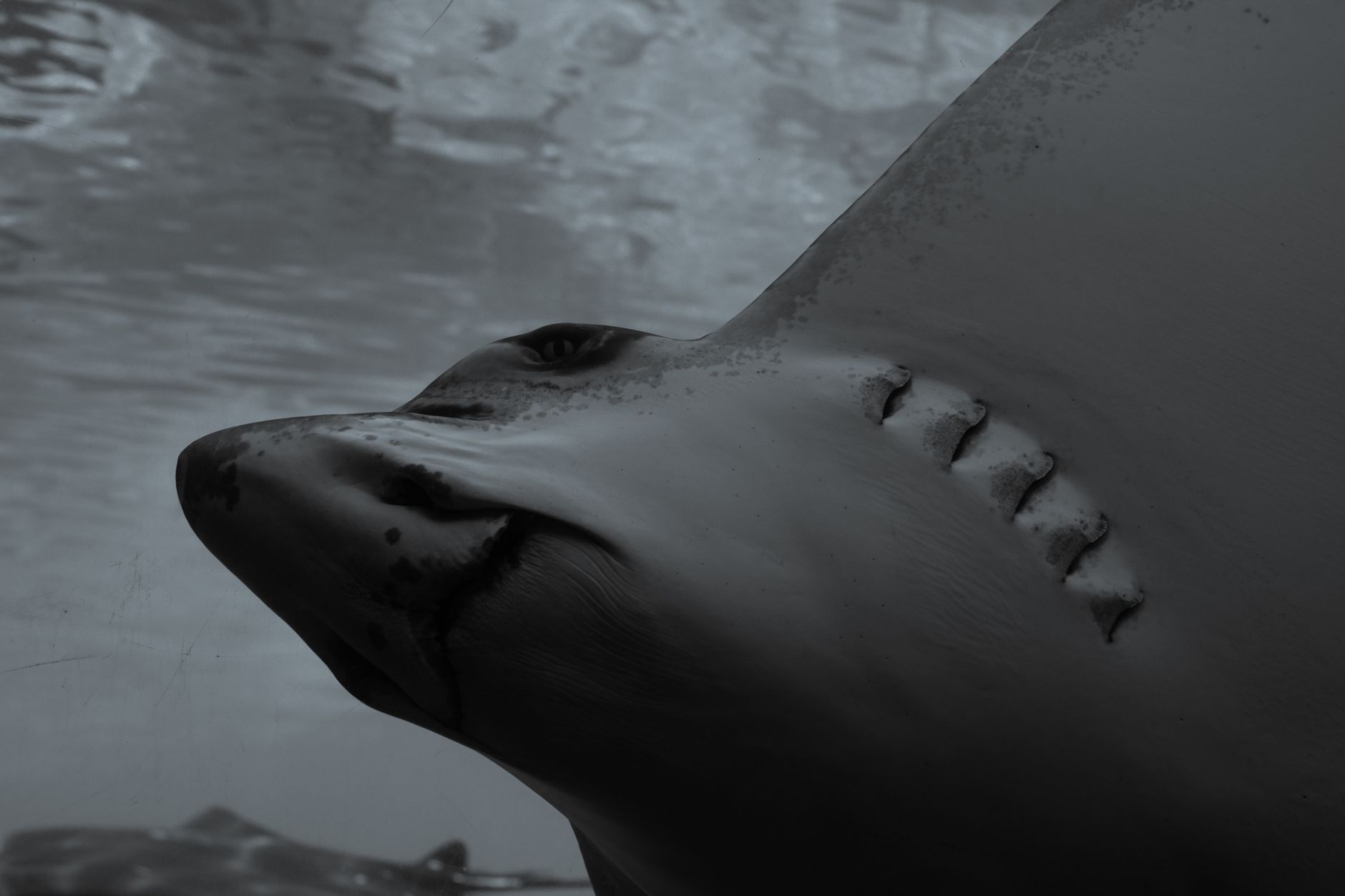
Sharks belong to the class Chondrichthyes, a group of fish distinguished by their skeletons made of cartilage rather than bone. This fundamental difference separates them from the vast majority of fish species, which belong to the class Osteichthyes (bony fish). The term Chondrichthyes originates from the Greek words “chondros” (cartilage) and “ichthys” (fish).
Key Characteristics of Sharks
Sharks possess several unique features that contribute to their success as predators and further solidify their classification:
- Cartilaginous Skeleton: This is the defining characteristic, providing flexibility and buoyancy.
- Placoid Scales: These tooth-like scales are embedded in the skin, reducing drag and providing protection.
- Gill Slits: Unlike bony fish, sharks have exposed gill slits (typically 5-7) instead of an operculum (gill cover).
- Spiral Valve Intestine: This specialized intestine increases surface area for nutrient absorption.
- Lack of Swim Bladder: Sharks rely on their cartilaginous skeleton and oily liver for buoyancy.
- Electroreception: Many sharks possess ampullae of Lorenzini, sensory organs that detect electrical fields produced by other animals.
Evolutionary History
The Chondrichthyes are an ancient group, with fossils dating back over 400 million years. They predate bony fish and have evolved into a diverse array of forms, from the massive whale shark to the agile great white shark. Studying their evolutionary history provides insights into the development of vertebrate life in the oceans. Understanding the evolution of Chondrichthyes helps to understand what animal class is a shark.
Diversity within Chondrichthyes
The class Chondrichthyes is further divided into two subclasses:
- Elasmobranchii: This subclass includes sharks, rays, and skates. They are characterized by having 5-7 pairs of gill openings located on the sides of their heads.
- Holocephali: This subclass includes chimaeras, also known as ghost sharks or ratfish. They are characterized by having a single gill opening covered by a flap of skin.
| Feature | Elasmobranchii (Sharks, Rays, Skates) | Holocephali (Chimaeras) |
|---|---|---|
| Gill Openings | 5-7 pairs | Single, covered |
| Anal Fin | Present | Absent |
| Upper Jaw | Not fused to skull | Fused to skull |
| Habitat | Primarily marine | Primarily deep sea |
Misconceptions About Sharks
One common misconception is that sharks are primitive or “less evolved” than bony fish. This is incorrect. While Chondrichthyes are an older lineage, they have evolved sophisticated adaptations that allow them to thrive in diverse marine environments. It is important to recognize that evolution is not a linear progression but rather a branching process.
Conservation Concerns
Many shark species face significant threats due to overfishing, habitat destruction, and bycatch in fisheries. Understanding their biology and classification is crucial for developing effective conservation strategies. Protecting these apex predators is essential for maintaining the health and balance of marine ecosystems. The animal class, Chondrichthyes or cartilaginous fish, requires a collective conservation approach to prevent further decline.
Frequently Asked Questions (FAQs)
What is the difference between a shark and a ray?
Sharks and rays both belong to the subclass Elasmobranchii within the class Chondrichthyes. The main difference lies in their body shape. Sharks typically have a streamlined, torpedo-shaped body, while rays have flattened bodies with enlarged pectoral fins that resemble wings. Rays also typically have their gill slits located on the underside of their bodies, while sharks have them on the sides.
Do all sharks have teeth?
Yes, all sharks have teeth. However, the shape and size of their teeth vary depending on their diet. Some sharks have serrated teeth for tearing flesh, while others have flattened teeth for crushing shellfish. Shark teeth are constantly replaced throughout their lives, ensuring a continuous supply of sharp cutting edges.
Are sharks mammals?
No, sharks are not mammals. Mammals are warm-blooded animals with fur or hair, and they give birth to live young and nurse their offspring with milk. Sharks, on the other hand, are cold-blooded fish with scales, and they reproduce either by laying eggs (oviparous), giving birth to live young (viviparous), or by hatching eggs internally and then giving birth to live young (ovoviviparous). Knowing what animal class is a shark clarifies this distinction.
What is cartilage, and why is it important for sharks?
Cartilage is a flexible connective tissue that is less dense than bone. In sharks, it provides support and structure to their bodies while also reducing weight, which is important for buoyancy. Cartilage also allows for greater flexibility and maneuverability in the water.
Do sharks have bones?
No, sharks do not have bones. Their skeletons are entirely made of cartilage. This is the defining characteristic of the class Chondrichthyes, to which they belong.
How do sharks breathe?
Sharks breathe by extracting oxygen from the water through their gills. Water flows over the gill filaments, where oxygen is absorbed into the bloodstream and carbon dioxide is released. Some sharks actively pump water over their gills by opening and closing their mouths (buccal pumping), while others must swim continuously to force water over their gills (ram ventilation).
What do sharks eat?
Sharks are carnivores and their diet varies depending on the species. Some sharks eat small fish and invertebrates, while others prey on larger marine animals, such as seals, sea lions, and even other sharks. Whale sharks, the largest fish in the world, filter feed on plankton and small crustaceans.
How long do sharks live?
The lifespan of sharks varies considerably depending on the species. Some small sharks live for only a few years, while larger sharks, such as the Greenland shark, can live for several centuries.
Are sharks dangerous to humans?
While some shark species are potentially dangerous to humans, shark attacks are relatively rare. Most sharks are not interested in humans as prey. Shark attacks typically occur when sharks mistake humans for their natural prey or when they feel threatened.
How many shark species are there?
There are currently over 500 known species of sharks, ranging in size from the dwarf lanternshark, which is only a few inches long, to the whale shark, which can grow up to 40 feet in length. The biodiversity within the Chondrichthyes animal class is remarkable.
What is the role of sharks in the marine ecosystem?
Sharks are apex predators that play a vital role in maintaining the health and balance of marine ecosystems. By preying on weaker or sick animals, they help to regulate populations and prevent overgrazing. Sharks also help to keep coastal waters clean by scavenging on dead animals.
Why is it important to protect sharks?
Protecting sharks is essential for maintaining the health and balance of marine ecosystems. Overfishing, habitat destruction, and bycatch pose significant threats to many shark species. Conservation efforts are needed to ensure that these important predators continue to thrive in our oceans. This includes raising awareness of what animal class is a shark and understanding their unique biological needs.