

How Do We Know We Are Apes?
We know we are apes because phylogenetic analysis of our DNA, coupled with a wealth of anatomical and behavioral evidence, places humans firmly within the ape clade, a group of primates that includes gorillas, chimpanzees, bonobos, and orangutans.
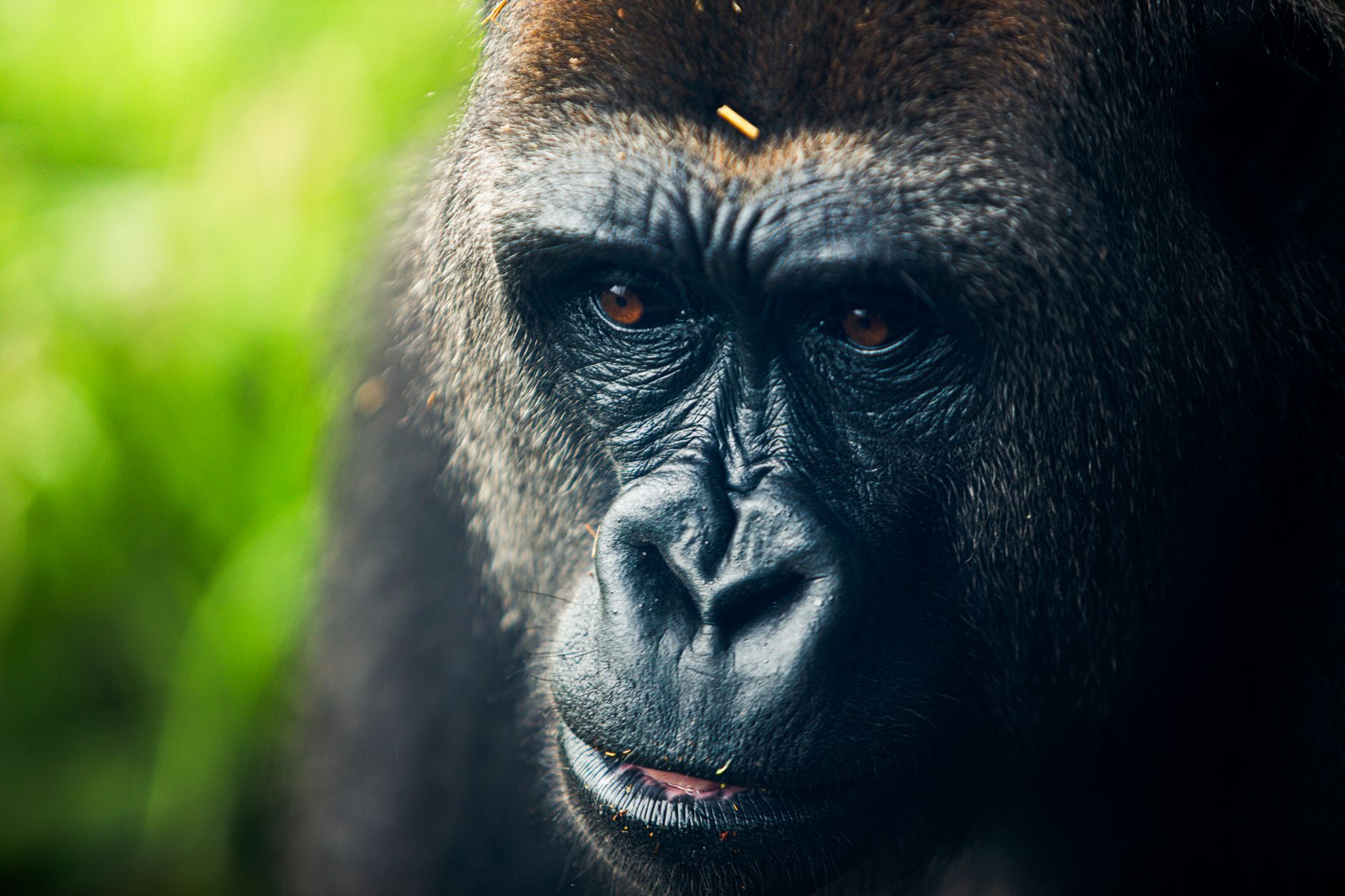
Humans often perceive themselves as distinct from the animal kingdom, but scientific evidence overwhelmingly demonstrates our close relationship to other apes. This connection isn’t merely superficial; it’s rooted in our shared ancestry and manifested in our genetics, anatomy, behavior, and evolutionary history. Understanding how we know we are apes requires exploring various lines of evidence, each reinforcing the same undeniable conclusion.
The Genetic Evidence: Our Family Tree
Modern genetics provides the most compelling evidence of our ape ancestry. By comparing the DNA sequences of humans with those of other primates, scientists can reconstruct the evolutionary relationships among them. The remarkable similarity between human and ape genomes reveals our shared lineage.
- High Sequence Similarity: Human DNA is remarkably similar to that of chimpanzees and bonobos (around 98%), indicating a relatively recent common ancestor.
- Shared Genetic Markers: Specific genetic markers, such as retroviral insertions and pseudogenes, are found in both human and ape genomes, further supporting our shared ancestry. These markers are highly unlikely to have arisen independently in different lineages.
- Phylogenetic Trees: The relationships between primates are constructed using sophisticated computational methods based on shared genetic variations. These phylogenetic trees consistently group humans within the ape clade.

What colours are fish most attracted to?
Can you put your finger in a trout's mouth?
Is methylene blue anti bacterial?
Does aquarium salt raise pH in aquarium?
Anatomical Evidence: The Skeletal Story

Our skeletal structure offers further evidence of our ape ancestry. While humans have evolved unique adaptations for bipedalism and tool use, our underlying anatomy retains many ape-like characteristics.
- Cranium: The structure of the cranium, including the size and shape of the braincase and the presence of a supraorbital ridge (brow ridge), shares similarities with other apes, especially our extinct hominin ancestors.
- Limb Proportions: While humans have relatively longer legs than arms compared to other apes (an adaptation for bipedalism), the underlying bone structure of our limbs still reflects our arboreal past.
- Dentition: Our dental formula (the number and arrangement of teeth) is the same as that of other apes. The shape and size of our teeth, particularly our molars, also resemble those of apes.
Behavioral Evidence: Actions Speak Louder
Our behavior, though shaped by culture and complex cognition, also reflects our ape ancestry. Many behaviors once considered uniquely human are now observed in other ape species, blurring the lines between us.
- Tool Use: Chimpanzees and orangutans are known for their sophisticated tool use, including using sticks to extract insects, rocks to crack nuts, and leaves as sponges.
- Social Complexity: Apes exhibit complex social structures, including hierarchies, alliances, and cooperative behaviors. They communicate using a variety of vocalizations, gestures, and facial expressions.
- Cognitive Abilities: Apes possess remarkable cognitive abilities, including problem-solving, learning, and self-recognition. Some apes have even been taught to use sign language.
Evolutionary History: Fossil Record and Hominin Lineage
The fossil record provides direct evidence of the evolution of humans from ape-like ancestors. The hominin lineage, which includes humans and our extinct relatives, reveals a gradual transition from ape-like forms to modern humans.
- Transitional Fossils: Fossils like Australopithecus afarensis (“Lucy”) exhibit a mosaic of ape-like and human-like traits, demonstrating the evolutionary transition from quadrupedalism to bipedalism.
- Gradual Changes: The fossil record shows a gradual increase in brain size, reduction in canine size, and changes in limb proportions over millions of years, reflecting the adaptation to a terrestrial lifestyle.
- Phylogenetic Analysis: By analyzing the morphology of fossils, scientists can reconstruct the evolutionary relationships among hominins and other apes, placing humans firmly within the ape family.
Common Misconceptions: Addressing the Confusion
A common misconception is that humans descended from modern apes. This is inaccurate. Humans and modern apes share a common ancestor that lived millions of years ago. This ancestor was neither a human nor a modern ape but a primate that possessed characteristics that would eventually give rise to both lineages.
It’s also important to understand that evolution is not a linear progression. The hominin lineage is a branching bush, with many extinct species that represent different evolutionary pathways. Modern humans are just one twig on this bush.
| Misconception | Reality |
|---|---|
| Humans descended from apes | Humans and modern apes share a common ancestor. Evolution is not linear. |
| Apes are inferior to humans | Evolution is not about progress or improvement. Each species is adapted to its specific environment. Human and ape traits are suited for the respective niches. |
| Evolution has a goal | Evolution is a process driven by natural selection, acting on random mutations. It does not have a predetermined goal or direction. |
Frequently Asked Questions (FAQs)
Why is it important to understand that humans are apes?
Understanding our place in the natural world is fundamental to scientific literacy and a realistic view of our species. Accepting our ape ancestry fosters a more humble and respectful attitude towards other animals and the environment. It also informs medical research and conservation efforts, acknowledging our shared vulnerabilities and responsibilities.
What specifically defines an ape?
Apes, belonging to the Hominoidae superfamily, are characterized by features like the absence of a tail, flexible wrists and ankles, semi-erect or erect posture, and relatively large brains compared to other primates. Their anatomy and behavior reflect their adaptation to arboreal life and, in some lineages, to terrestrial locomotion.
How does the fossil record contribute to our understanding of human evolution?
The fossil record provides direct evidence of the evolutionary changes that occurred in the hominin lineage, allowing scientists to trace the gradual transition from ape-like ancestors to modern humans. Fossils like “Lucy” (Australopithecus afarensis) showcase the intermediate traits that demonstrate this evolutionary process.
What role does DNA play in determining evolutionary relationships?
DNA analysis is a powerful tool for reconstructing evolutionary relationships because it provides a direct measure of genetic similarity. The more similar the DNA sequences of two species, the more closely related they are. Phylogenetic trees, based on DNA data, accurately illustrate these relationships.
Are humans the only apes that use tools?
No, humans are not alone in tool use. Chimpanzees, orangutans, and even some monkeys are known to use tools in various contexts, such as foraging for food, building nests, and even self-medicating. This shared trait underscores our close evolutionary relationship.
How different is human DNA from chimpanzee DNA?
While human and chimpanzee DNA share about 98% similarity, the 2% difference is significant. This seemingly small difference accounts for many of the distinct characteristics that differentiate humans from chimpanzees, including differences in brain size, language abilities, and bipedalism.
What are the main differences between humans and other apes?
The primary differences include bipedalism, larger brain size, more complex language abilities, and more advanced tool use in humans. However, it’s important to recognize that these differences are quantitative rather than qualitative. Other apes also possess cognitive abilities and social complexity, albeit to a lesser extent.
How do we know that our extinct hominin ancestors were also apes?
Fossil hominins, such as Australopithecus and Homo erectus, share many anatomical characteristics with modern apes, including cranial features, limb proportions, and dental morphology. Their fossil remains are frequently interpreted as apes using anatomical features. These characteristics place them within the ape clade, demonstrating their evolutionary connection to modern humans.
Is the concept of humans as apes widely accepted within the scientific community?
Yes, the concept of humans as apes is overwhelmingly accepted within the scientific community. The evidence from genetics, anatomy, behavior, and the fossil record is consistent and compelling, leaving no room for doubt about our evolutionary relationship to other apes.
Does acknowledging our ape ancestry diminish the significance of human achievements?
Not at all. Recognizing our ape ancestry provides a context for understanding human achievements. Our unique cognitive abilities, language skills, and cultural innovations are all products of our evolutionary history. Understanding this history helps us appreciate the complexity and wonder of human evolution.
What is the current understanding of the common ancestor of humans and chimpanzees?
The exact nature of the common ancestor of humans and chimpanzees is still being investigated. However, it is believed to have been an ape-like primate that possessed a mosaic of traits, including arboreal adaptations and some capacity for bipedal locomotion. It was likely a very capable ape in many ways, able to survive in a variety of niches.
How does acknowledging our ape ancestry inform medical research?
Understanding our evolutionary relationship to other apes allows scientists to draw parallels in disease susceptibility, drug metabolism, and physiological processes. This knowledge can be used to develop new treatments for human diseases and to improve our understanding of human biology. We also have to be aware of how our unique environment affects us.